
Gen Z's realistic weddings and the aesthetics of imperfection Romanticism gets an update: zero clichés, irony, lots of style, and a touch of TikTok
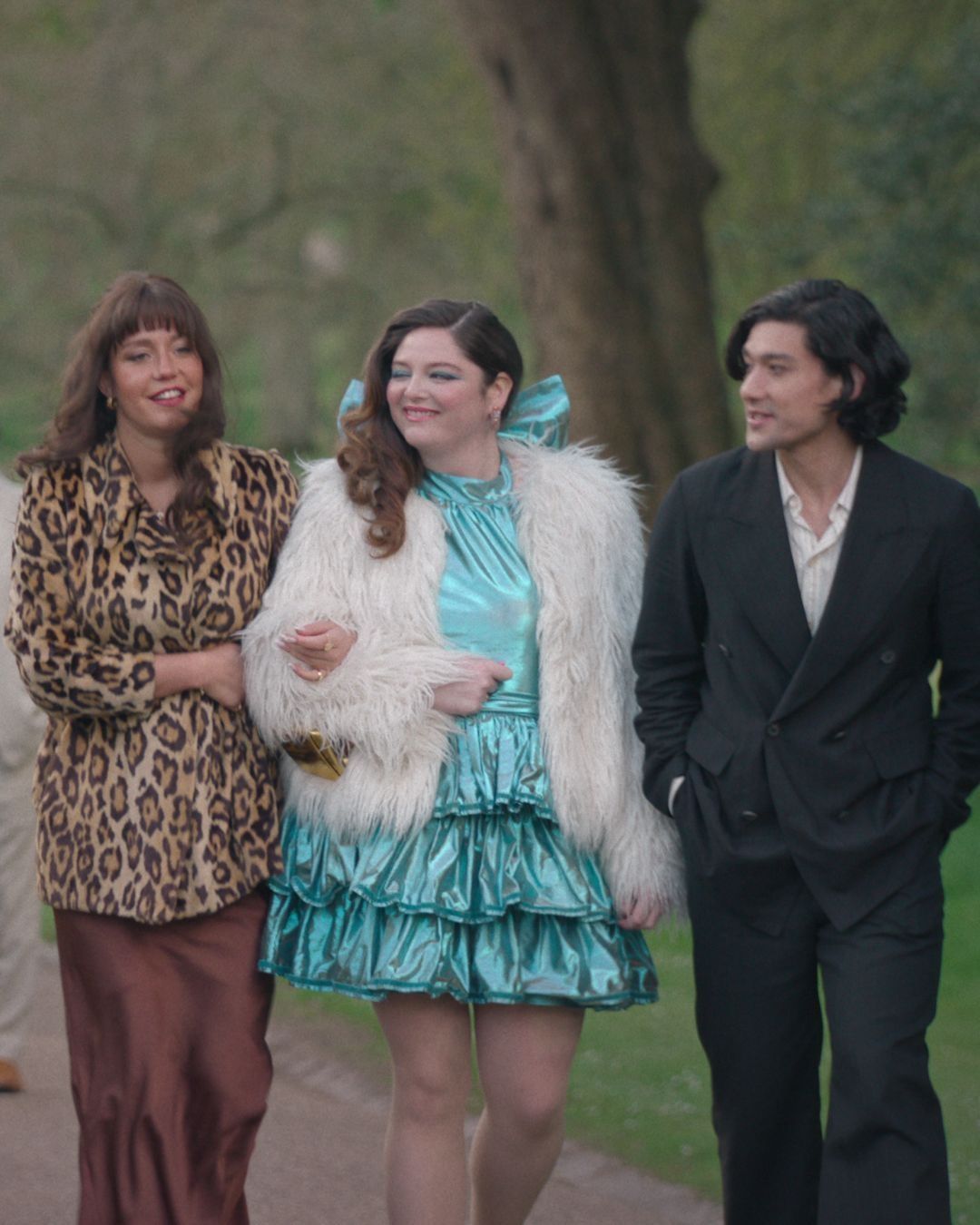
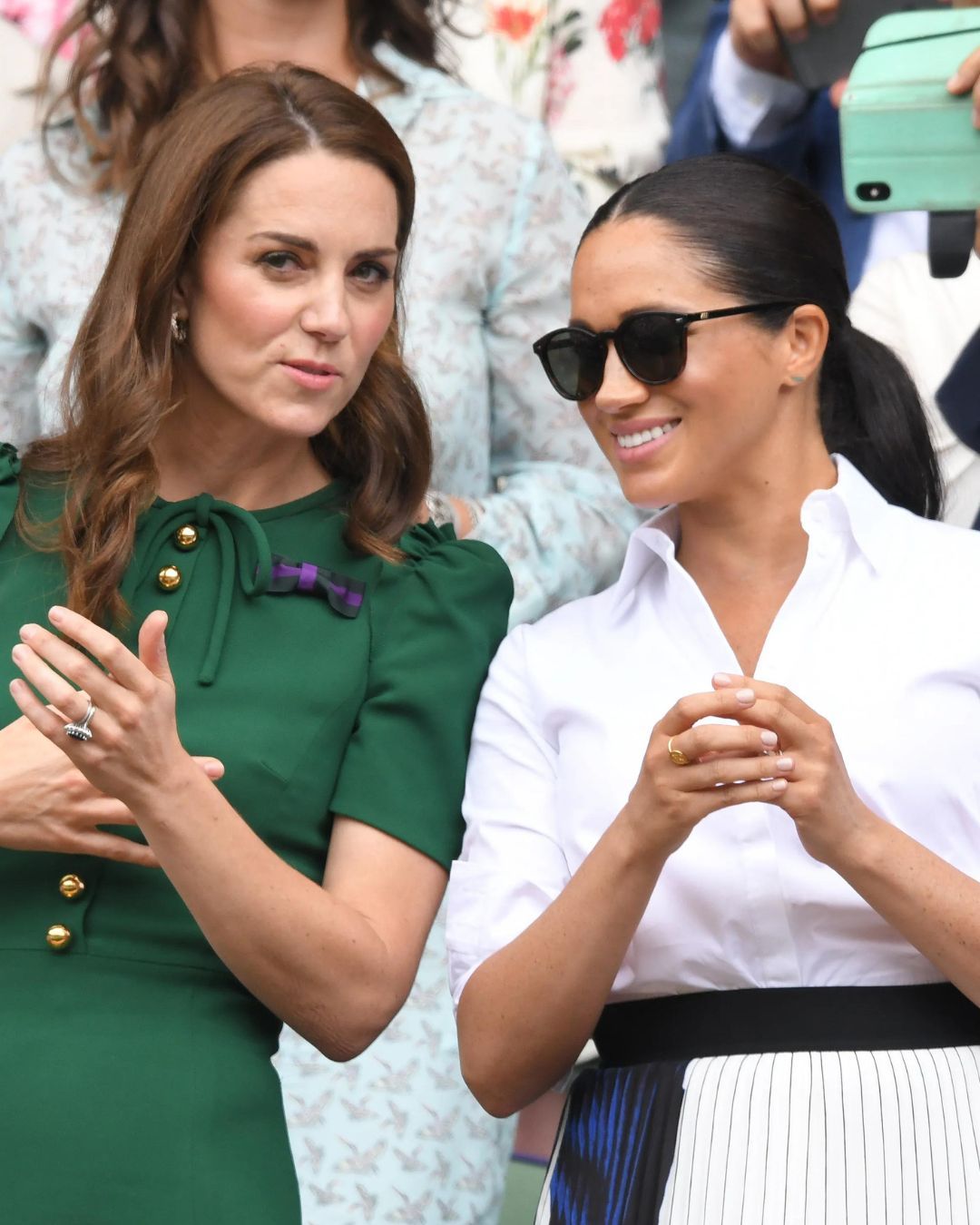
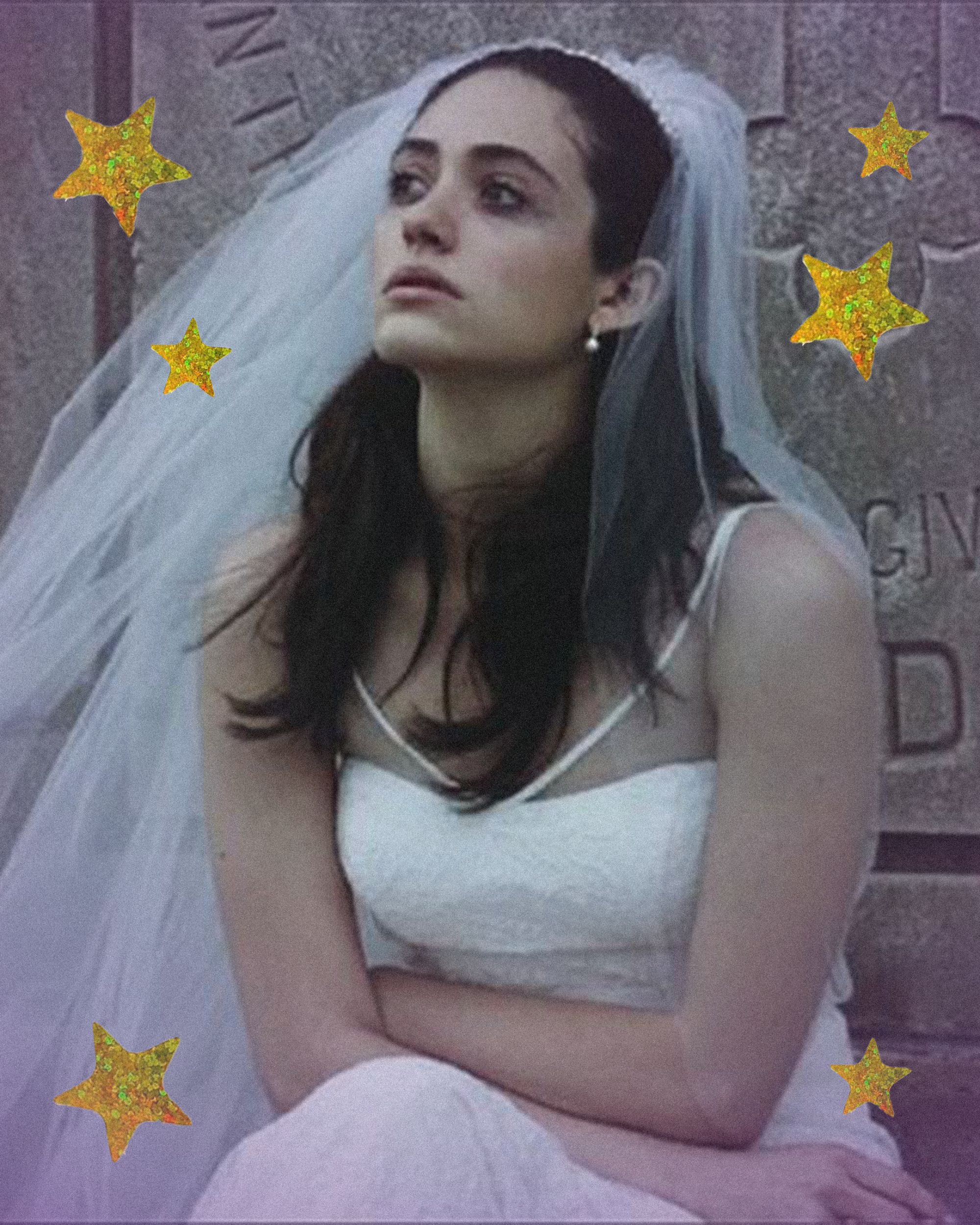
It’s no longer about bouquets or place cards. A wedding, for Generation Z, is an aesthetic, political, personal gesture. A way to say “we exist,” but on our own terms. No more carriages, no more “princesses for a day”. The new dream is to be real, even if it means being a little messy, a little off-key. Because the perfect wedding is the one that doesn’t pretend to be perfect. Couples preparing to say “I do” in 2025 and 2026 want something that doesn’t feel manufactured, but lived. They bid farewell to the overly coordinated, the pastel mandates, and exchange them for authenticity. Gen Z wants time. We are light years away from Pinterest-style photo sets. The soon-to-be-weds walk down the aisle as they live: between a TikTok clip, a laugh, an “I love you” said in a hurry, but with all the sincerity in the world. So, forget weddings with 300 guests and distant relatives who haven’t been seen in decades. Better are intimate celebrations, shared only with those who mean something to the couple’s story. Even flowers are few and real, bouquets minimal to cut costs but also to allow space to breathe. The classic cake-cutting is replaced by post-ceremony confessions, captured in reality-show style, between candid, imperfect moments filled with real laughter and tears. No more conventions, no more “that’s how it’s always been done”. Today we celebrate freedom, lightness, and truth—even if a bit blurry.
Charli XCX and the understated trendsetting
Charli XCX did just that and inspired so many. She said yes to George Daniels at Hackney Town Hall, in a Vivienne Westwood mini-dress, Jimmy Choo sandals, and a simple veil. The photos, intentionally “underwhelming,” ignited social media for their normality—so much so that some called it a quiet wedding. A few days later, the singer repeated the ceremony in Scopello, Sicily, in a gown custom-made by Danielle Frankel. In doing so, she turned her wedding into storytelling, a romantic mini‑series of fragments, outfits, and moods, as if each moment were a new chapter. And the digital audience, of course, was mesmerized. Wedding planner Akeshi Akinseye speaks of “a personalization elevated to a new level, more daring and less constrained”.
From wedding day to wedding weekend: the total experience
It starts with a brunch, continues with a garden dinner, and ends barefoot in a field—maybe with a collective dawn swim. It’s a way to break down the barriers between event and life, to make the wedding something lived, not just organized. Locations follow the same fluid logic and are selected as if they were emotional extensions: Tuscan farmhouses, botanical gardens, Mediterranean masserie, even artist studios turned into ceremony venues, or just a meadow in the countryside. Pinterest supports this: in a recent survey, searches for “country wedding” spiked by 814%. The aesthetic is that of slow wedding, with airy, meaningful settings. Increasingly couples choose an organic chic style: floral compositions that look gathered from a meadow, not from a catalog; tables nestled in green spaces; bucolic installations. Everything feels casual, but behind it there is a subtle, invisible direction that makes naturalness an art.
Bridal fashion: nostalgia, poetry, and daily theatricality
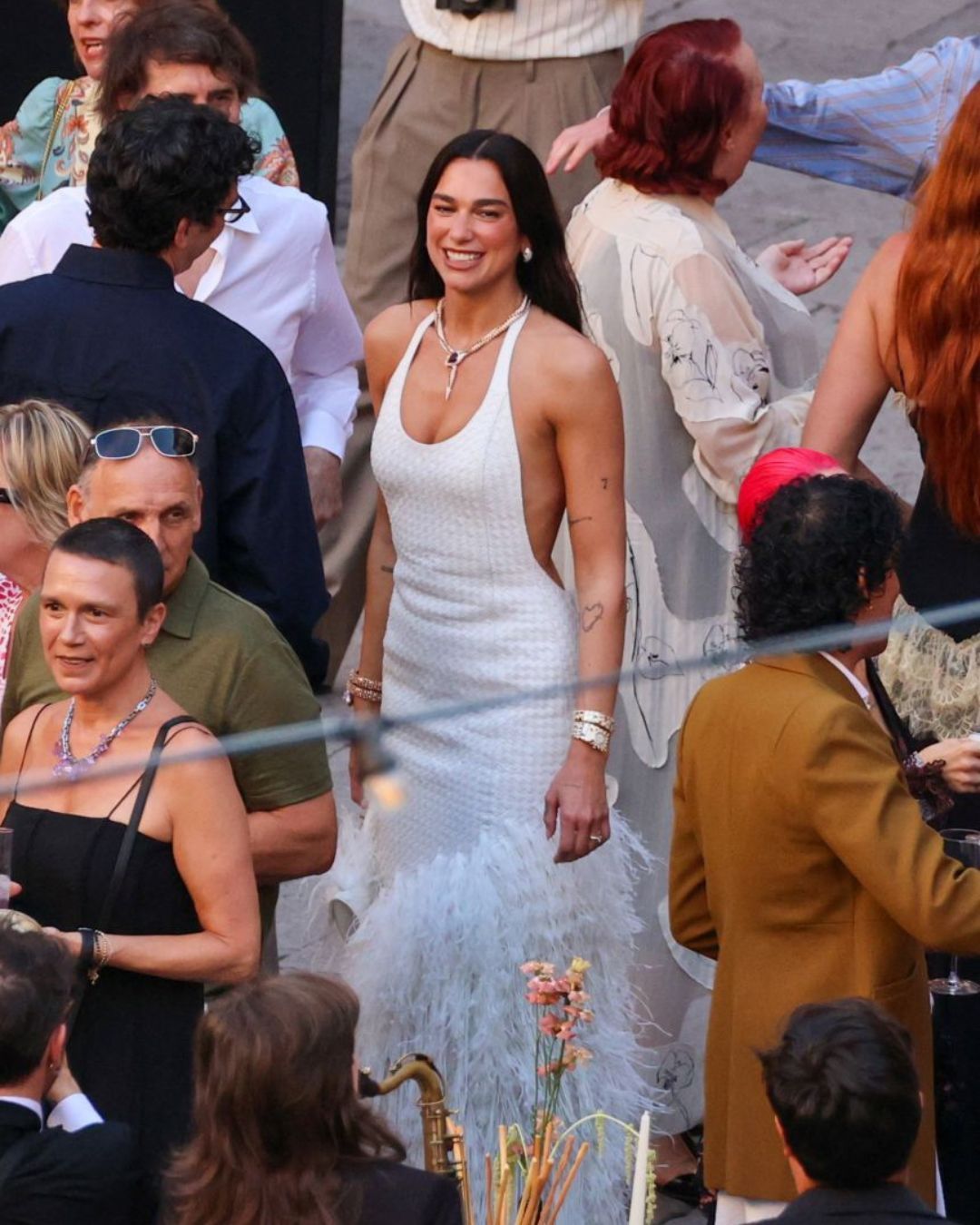
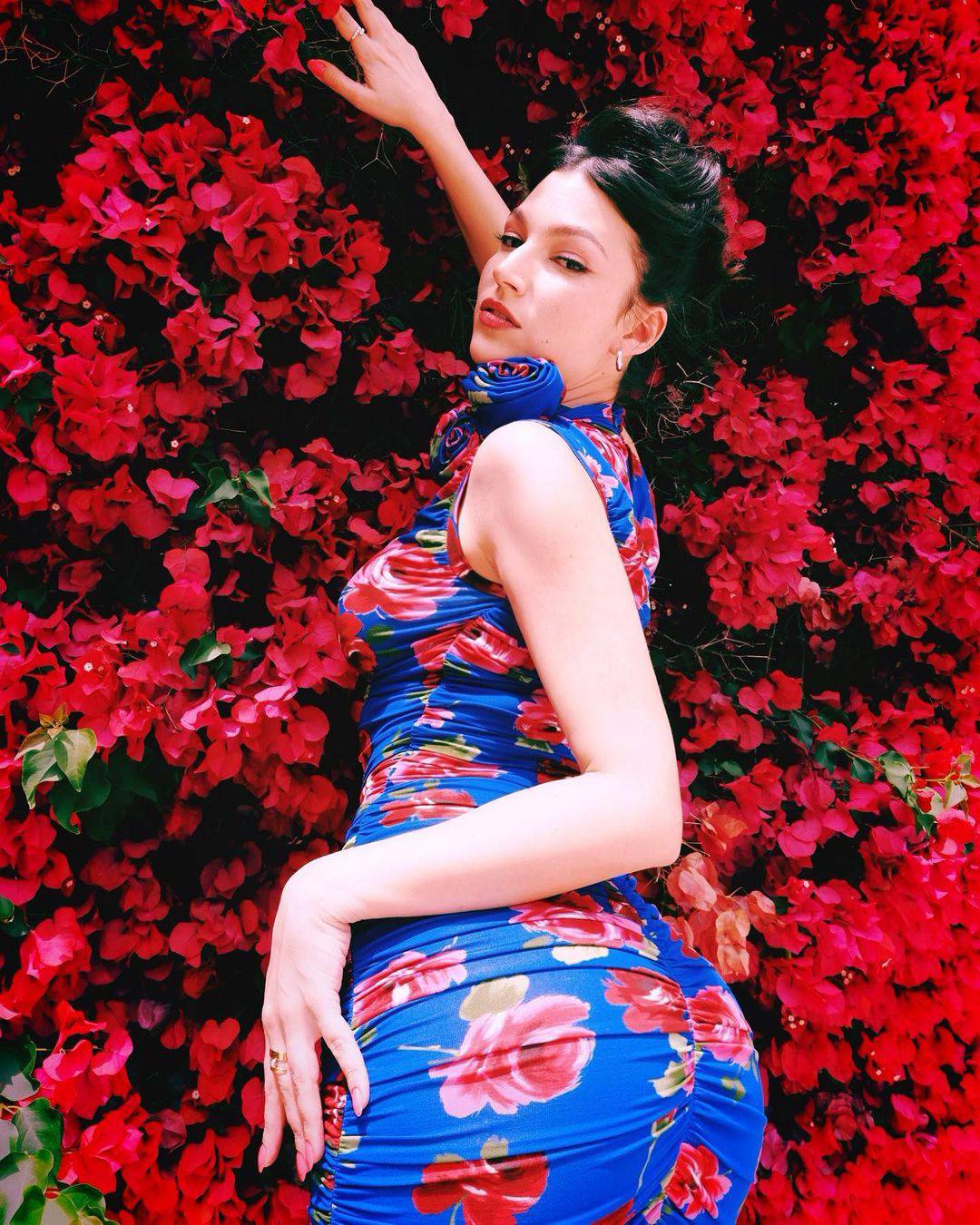
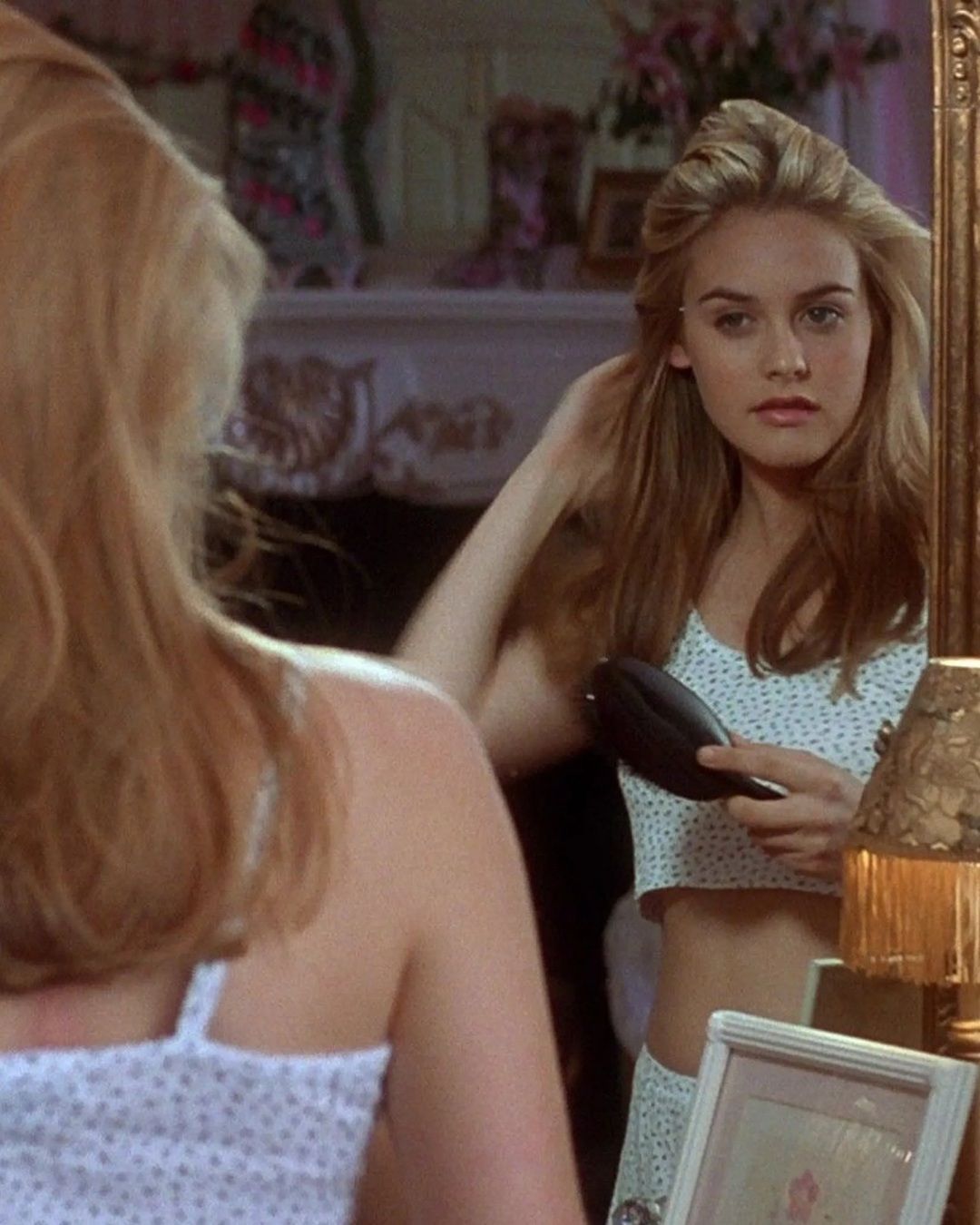
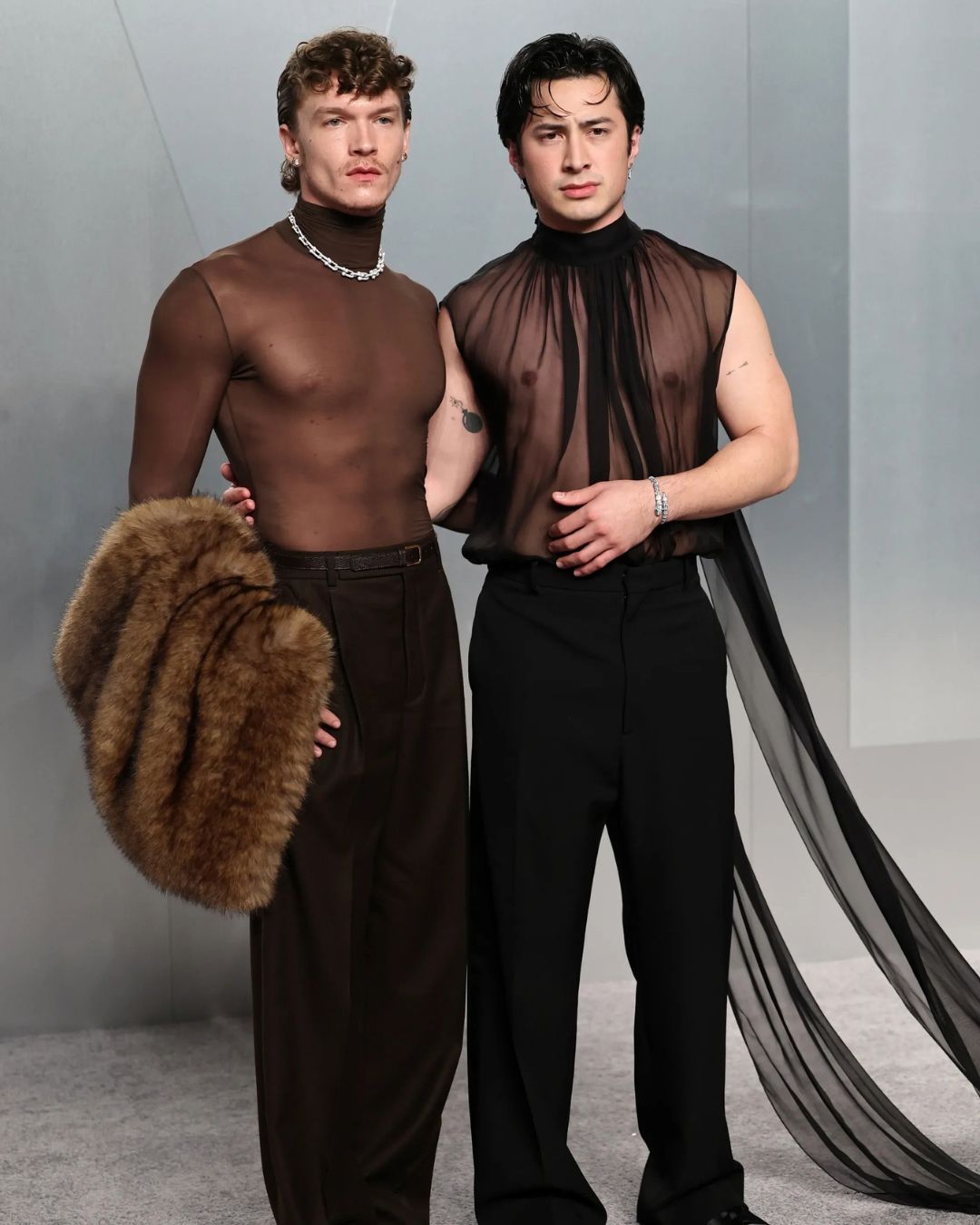
Forget the idea of the perfect wedding dress. Generation Z brides want something more interesting. Not sugar-princesses, but style heroines who mix vintage with ultra-modern, minimalism with theatrical flair. The new wedding is an editorial set with zero staging. Everything feels accidental but is perfectly calibrated—from asymmetric veils to transparent gloves, from sculptural suits to micro-dresses that move as if alive. The point is not “to be a bride”, but to be yourself with the spotlight on. And that is the true revolution. Nostalgia is present, but it’s learned to laugh at itself. Polka dots return (on Pinterest Polka dot outfit +1,026%), but used as pop references; mantilla veils return (+640% on Pinterest), worn with black sunglasses and bold earrings. Boho clears out sugary romanticism and becomes boho couture: more tailoring, less hippie market. And lace? No longer a symbol of purity, but of character—often torn, reworked, blended with tulle or latex. Searches for ’90s wedding dresses rose +138% on Pinterest, and low‑waist wedding gowns soared +2,395%. Even the wedding tuxedo is trending, in colored or single-tone versions, with elegance that crosses gender and disrupts codes. Everything is reinterpreted with an ironic, somewhat vintage, very TikTok-friendly touch. Eras, textures, and gender blend to create looks that tell stories rather than play roles. And in 2026? Industry experts like THE WED predict even more theatrical gowns, with long, showy veils and lace headdresses or transparent Juliet-style hoods, with a Shakespearean flair and a nod to the dress Kate Moss wore at her 2011 wedding. Increasingly brides choose gowns that transcend the ceremony and become evening creations, while many couturiers split their focus between bridal and event wear, as shown by the Bride & The City event in Milan during Milan Fashion Week, mixing traditionally bridal designers like Pignatelli, Avaro Figlio, Maison Signore, Elisabetta Polignano, Justin Alexander with eventwear-focused names like Matteo Sorbellini, Genny, Marco Rambaldi, and Vivetta.
Alive skin, imperfect light: wedding makeup in 2025
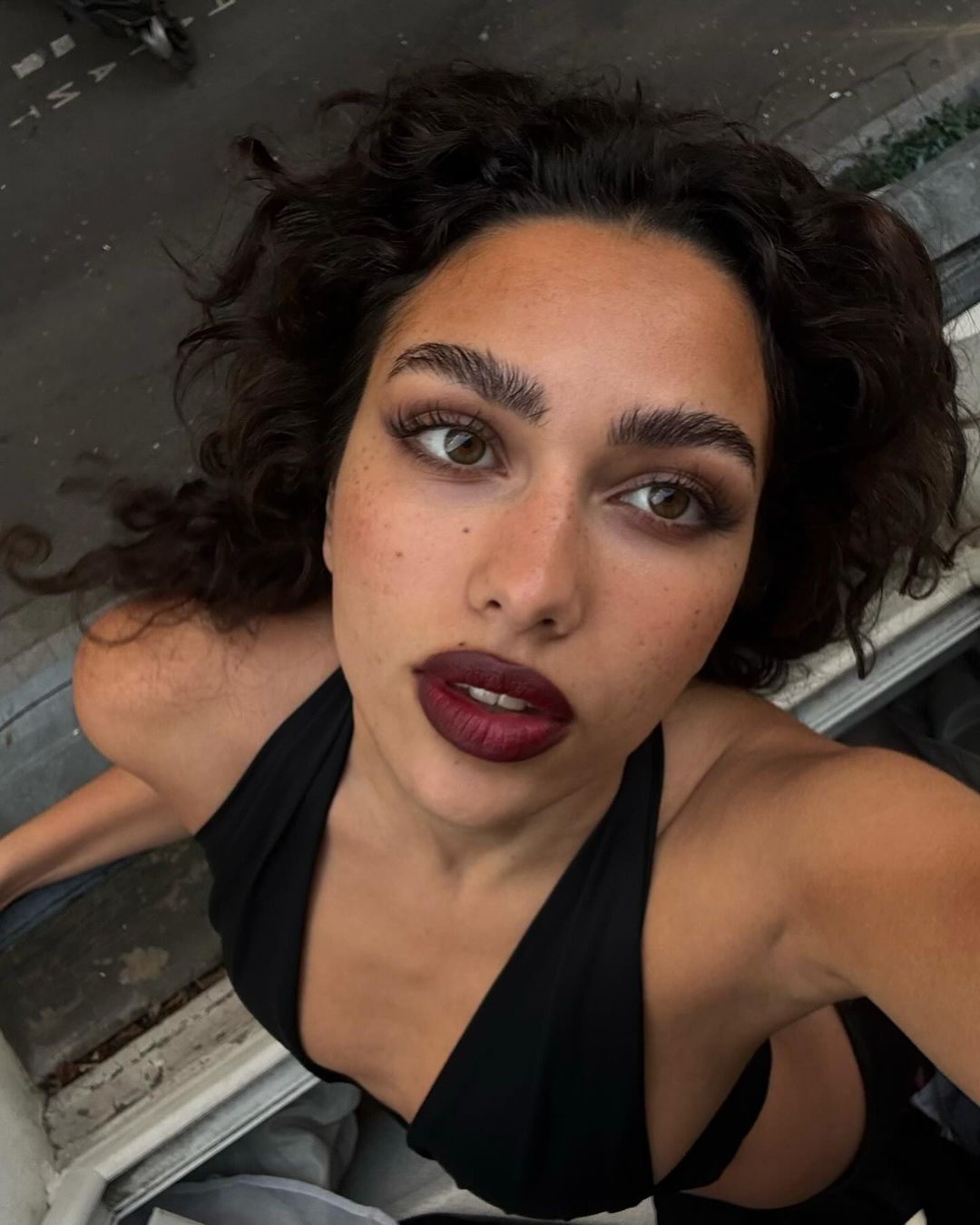
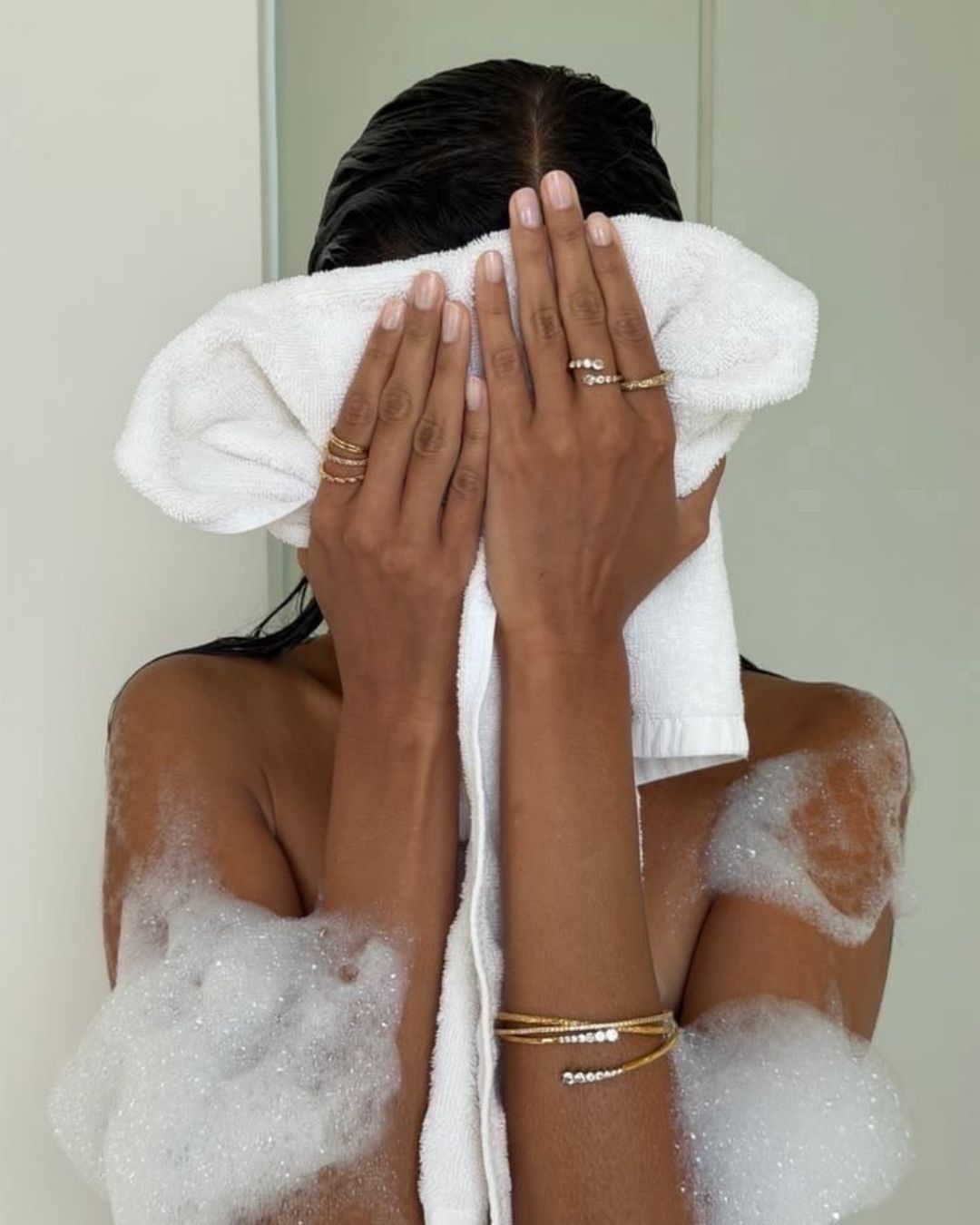
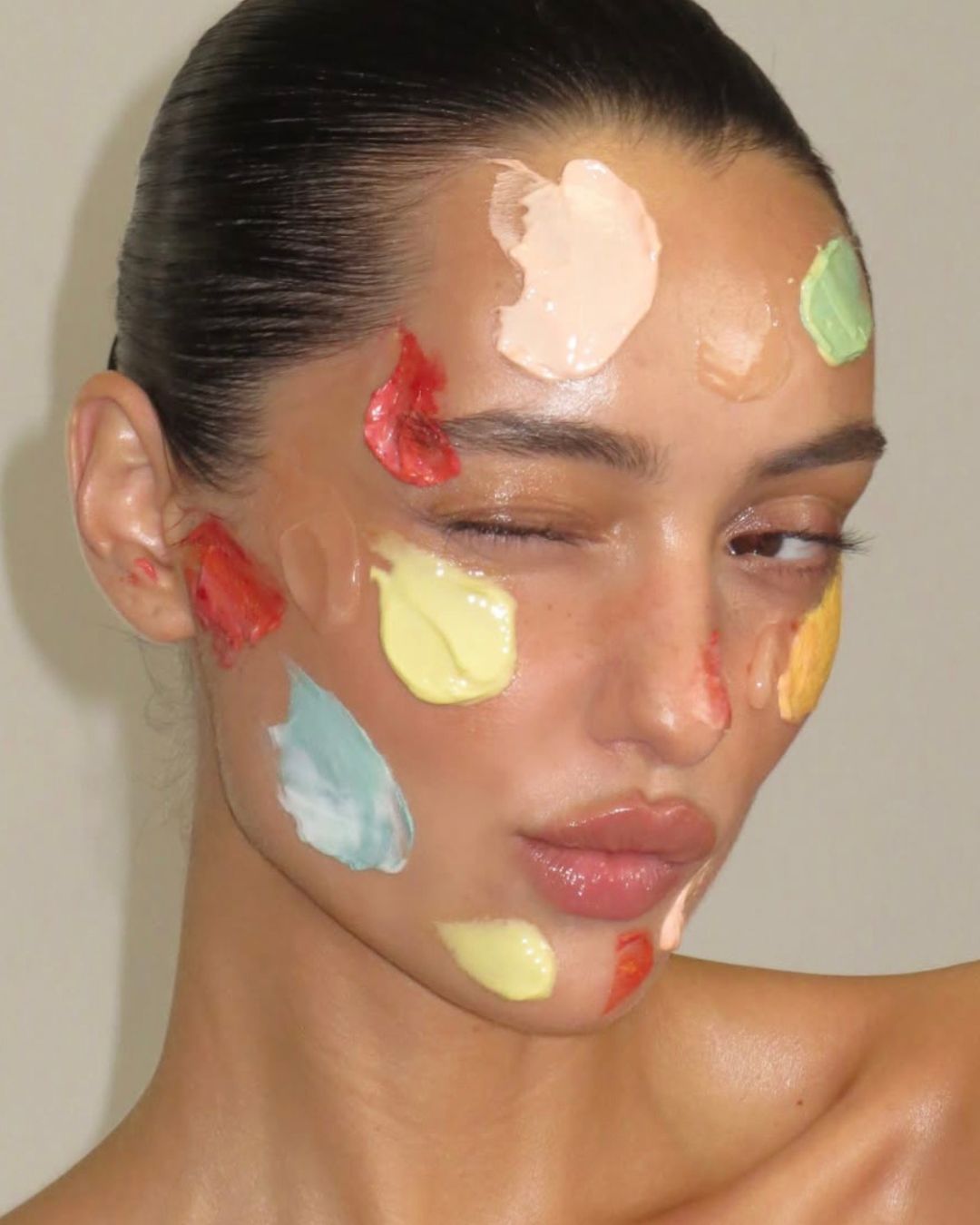
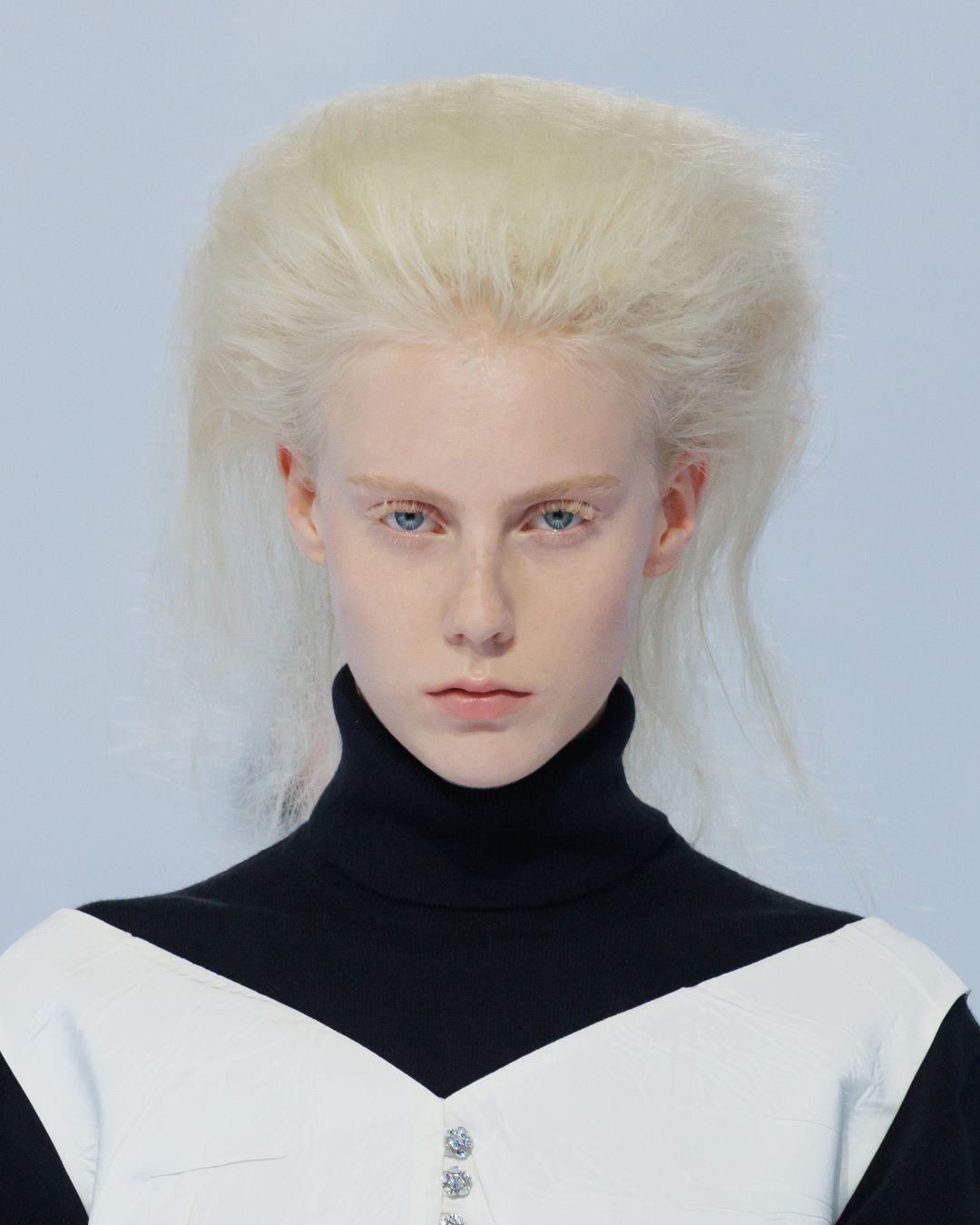
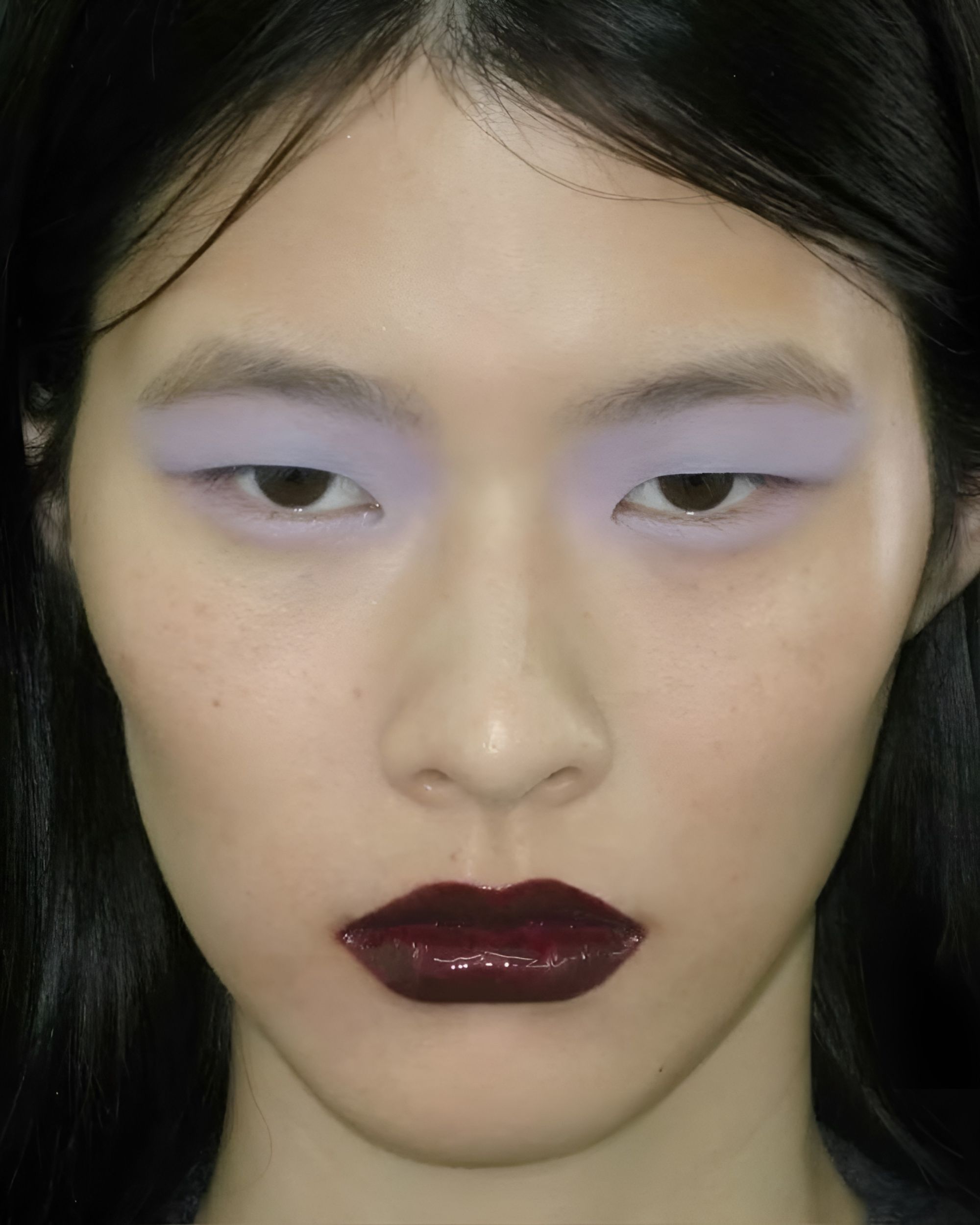
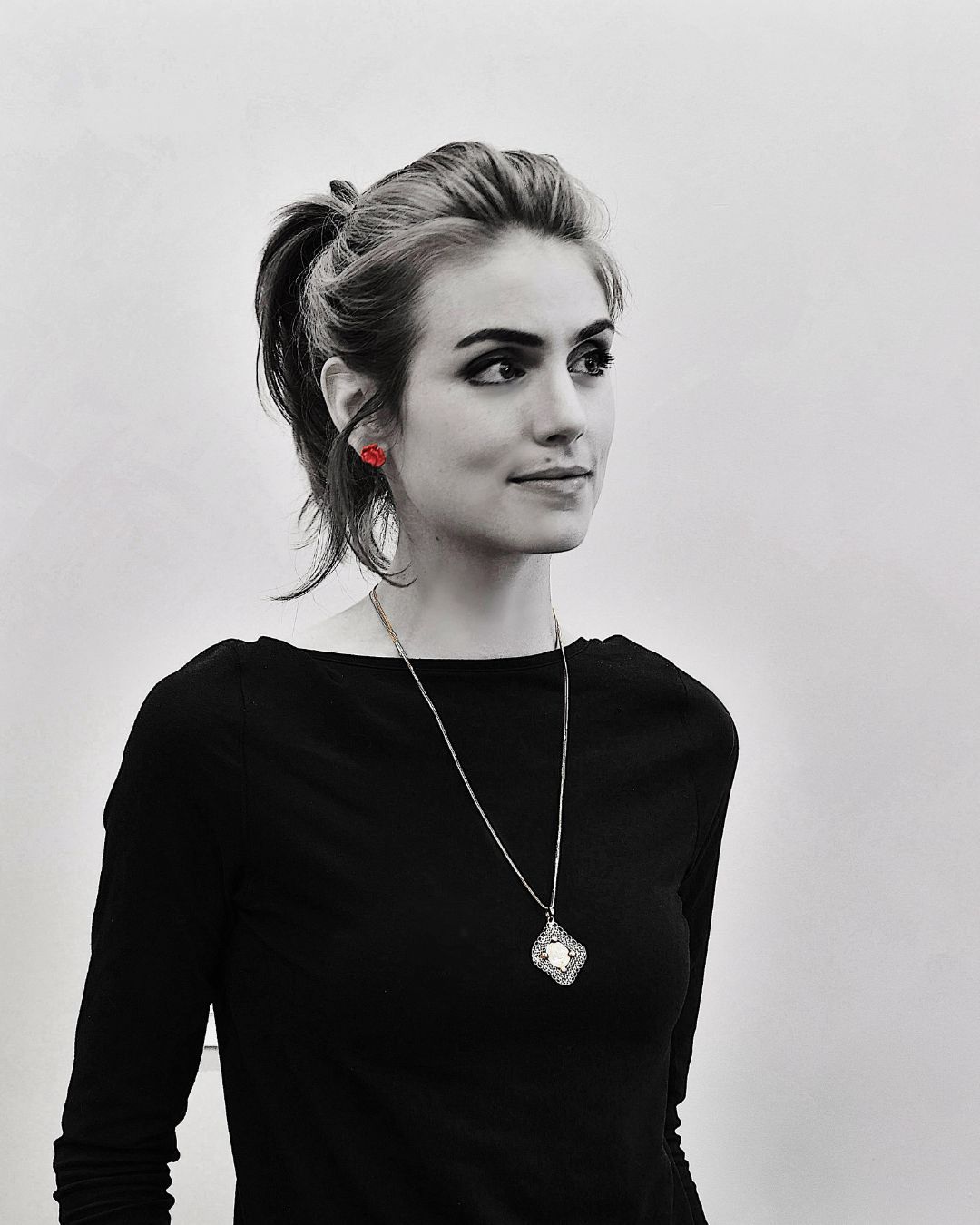
Runway-style glow? Archived. YouTube tutorial contouring? Outdated. The Gen Z bride doesn’t want to look perfect; she wants to look alive. It’s the era of makeup that breathes, hair that moves, skin that has permission to sweat. Because even smudged mascara is emotion. The mood is clear: clean grunge (yes, the one trending on TikTok and up +652% on Pinterest), soft eyeliner, natural lips, complexion shifting with light. Foundation is as light as a caress, blush is an honest dilemma, highlighter is that reflective joy lingering after three toasts and a barefoot dance. It’s the beauty that says “I didn’t sleep, but I feel stunning”. Makeup artists talk about “skincare as an act of love” and “emotional skincare”. And Gen Z listens. They choose skincare products that comfort rather than cover: anti-stress formulas, calming rituals, lightweight textures.
Hair follows the same philosophy: gracefully tousled buns, soft waves, deconstructed braids, rebellious strands falling where they choose. No hairspray, no ultra-shiny ’90s bob effect. And then, the details: real blossoms woven into hair, satin ribbons tied like promises, a short veil revealing bold earrings or a strong, almost impertinent dark lipstick. Because yes, the new bride can be romantic, but also ironic. Is this the end of the “bride-to-be” glossy aesthetic? Perhaps it’s too early to say. In the meantime, enough with polished photos, enough with beauty looks lifted from perfume ads. The new charm is alive, imperfect, slightly disordered. It’s the kind that makes you say “Oh wow, how beautiful you are like this?”.
Sculptural sweets and mini-cakes: the dessert revolution
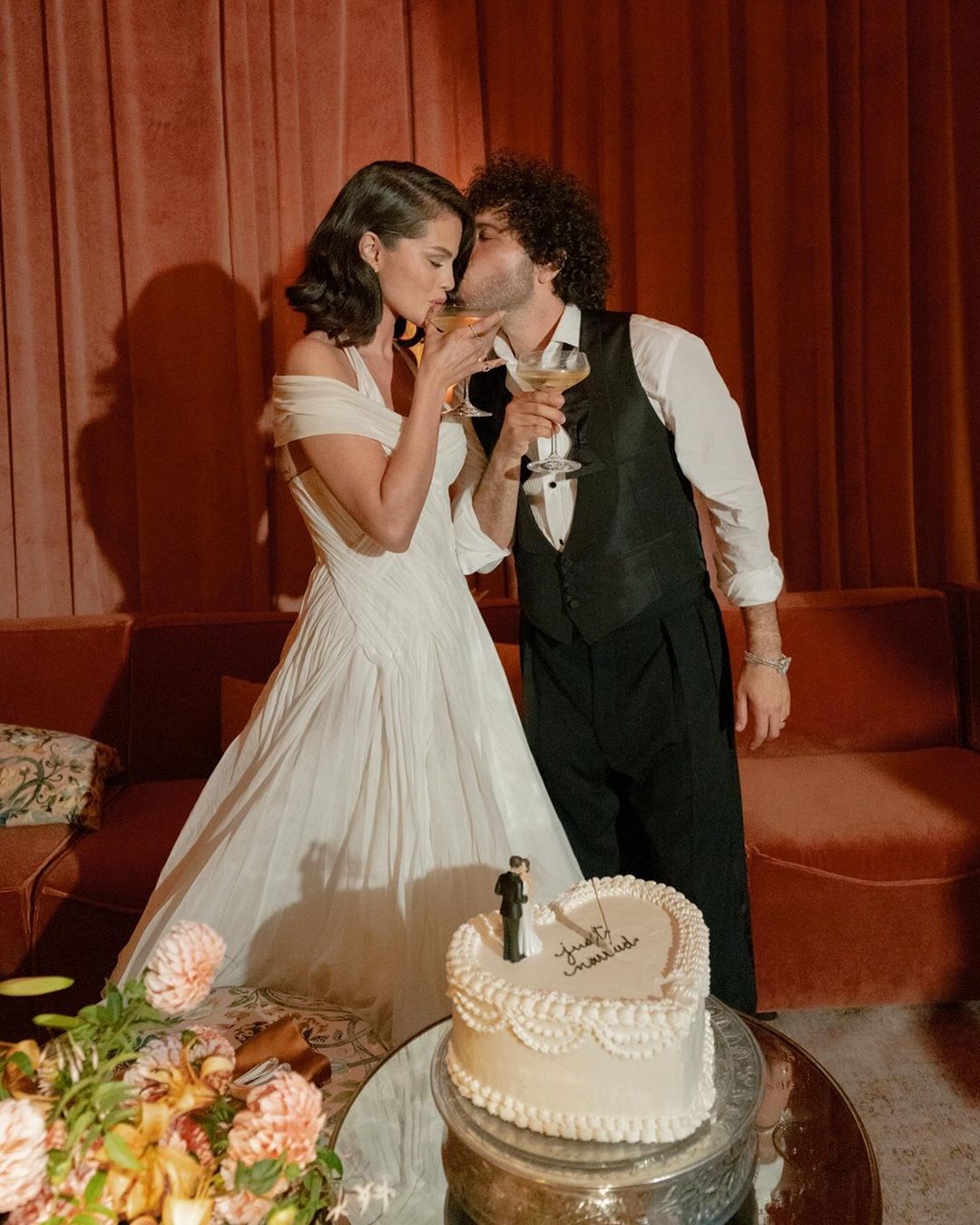
The wedding cake? It shrinks. Small, delicious, personal, mini-cakes become edible works of art that echo the logic of contemporary weddings: less showiness, more meaning. Pastry shops still produce sugar sculptures that resemble art: textured surfaces, crochet motifs, edible lace that evokes grandma’s crochet but in a couture version. Alongside these desserts emerge creative alternatives: éclairs, berry tarts, creamy tiramisù, mocha coffee mousse in the shade of brown, the new queen of wedding palettes. The result is a multisensory wedding: to see, to touch, to taste.
What to expect in 2026?
2026 promises cover-worthy weddings, but not in the glossy sense. Experts anticipate living scenographies with floral walls and bouquets that forsake hand-tied arrangements and become wrist sculptures, flower bags to wear as accessories or hang at tables as part of the decor. Enter lo-fi videos, shot vertically, slightly blurry, intentionally imperfect. Clips that feel like a video diary, rewatchable as if dreams recorded on film. And then there are parallel experiences, twists that shatter tradition: private ceremonies for twenty people followed by cosmic after-parties, with DJ sets, tattoo artists, aura readers, and tarot readings instead of confetti. No more memories to frame, but moments to tattoo on your skin, literally. A wedding becomes a manifesto of identity, where everything reveals who you are: from the dessert to the dress code, to the way you choose to say “I do”. Generation Z, in the end, doesn’t seek a fairy-tale ending. She seeks truth. Her love needn’t last forever, but it must be real while it lasts. It’s love with bare feet and a live soul, with changing light and imperfect details. And that, today, is worth far more than eternity. The future of weddings won’t be gilded, but lived. It will be part art exhibition, part intimate documentary, part TikTok set filmed with heart and irony. A balance between reality and vision, between emotion and aesthetics, between “wow” and “whatever”.