






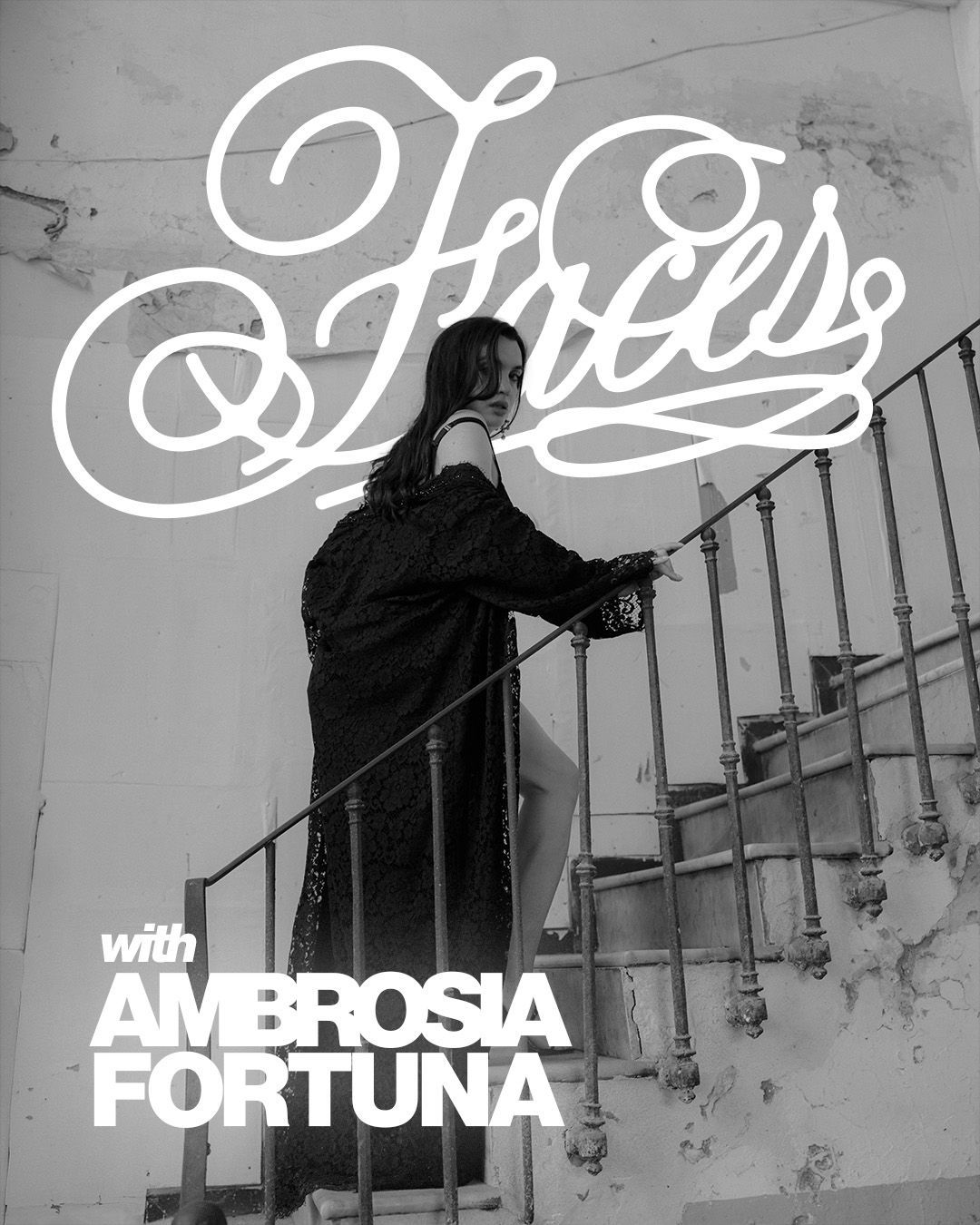


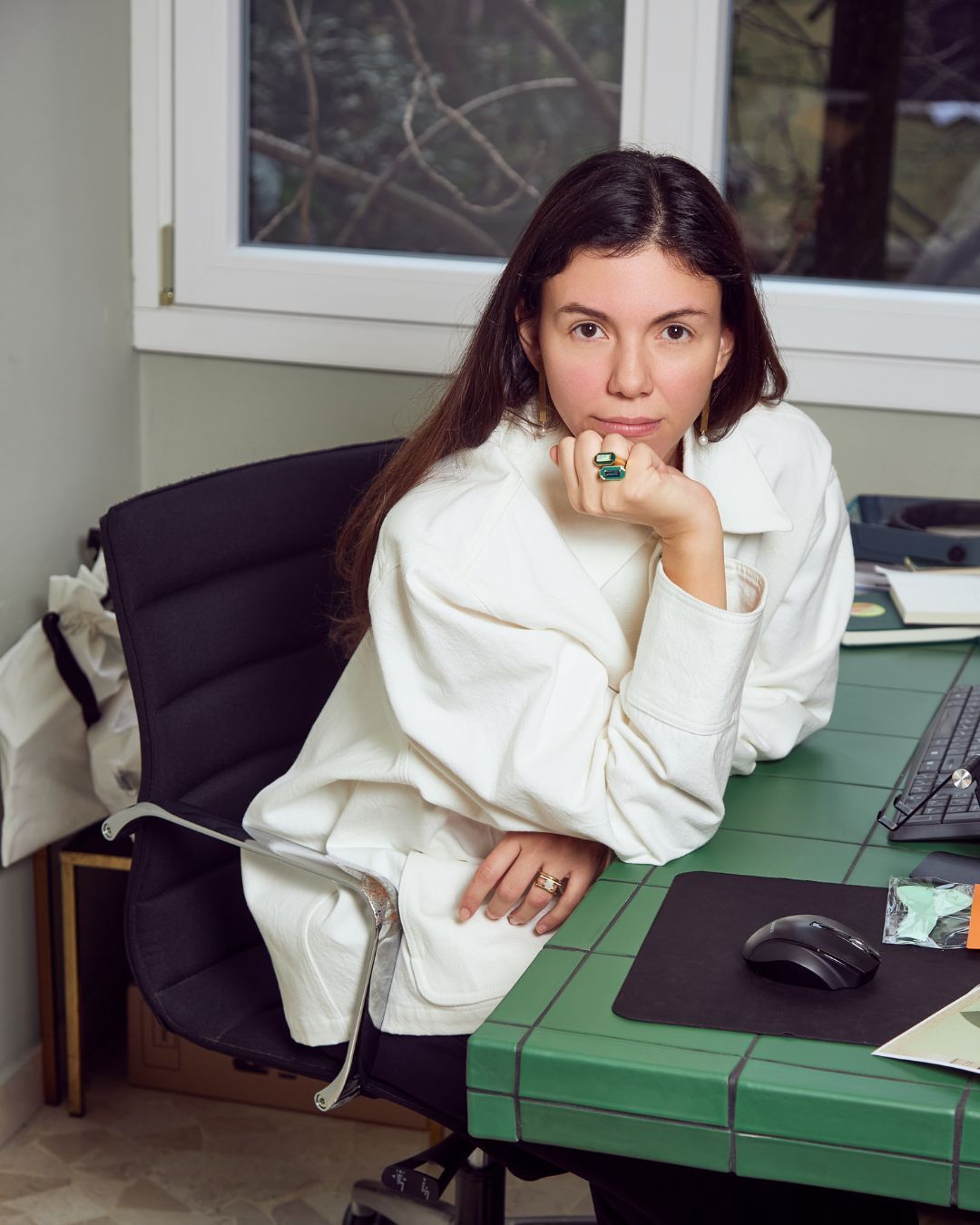

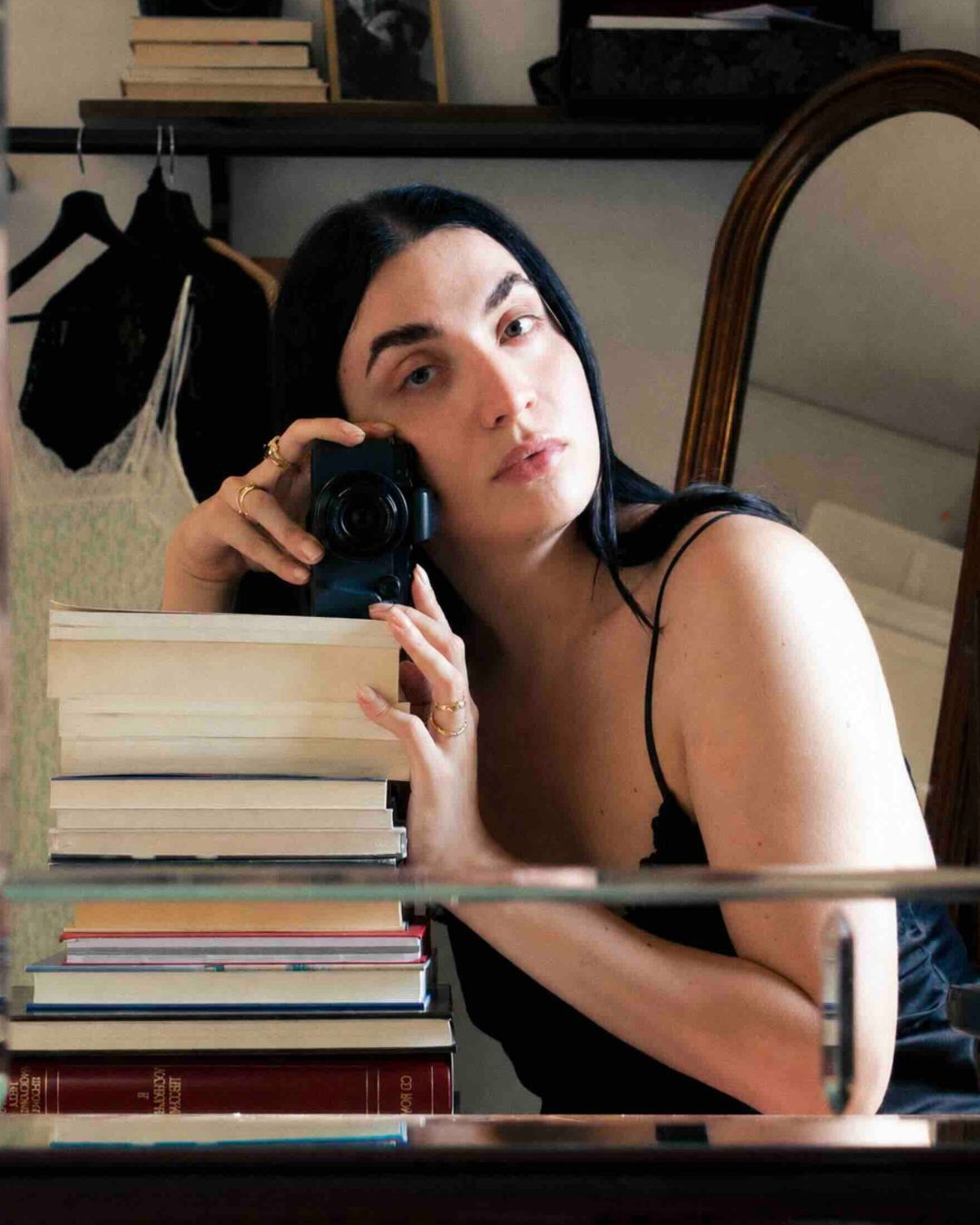
Ambrosia Fortuna presents "Eravamo notte, ora siamo giorno" An exhibition at the PAC in Milan
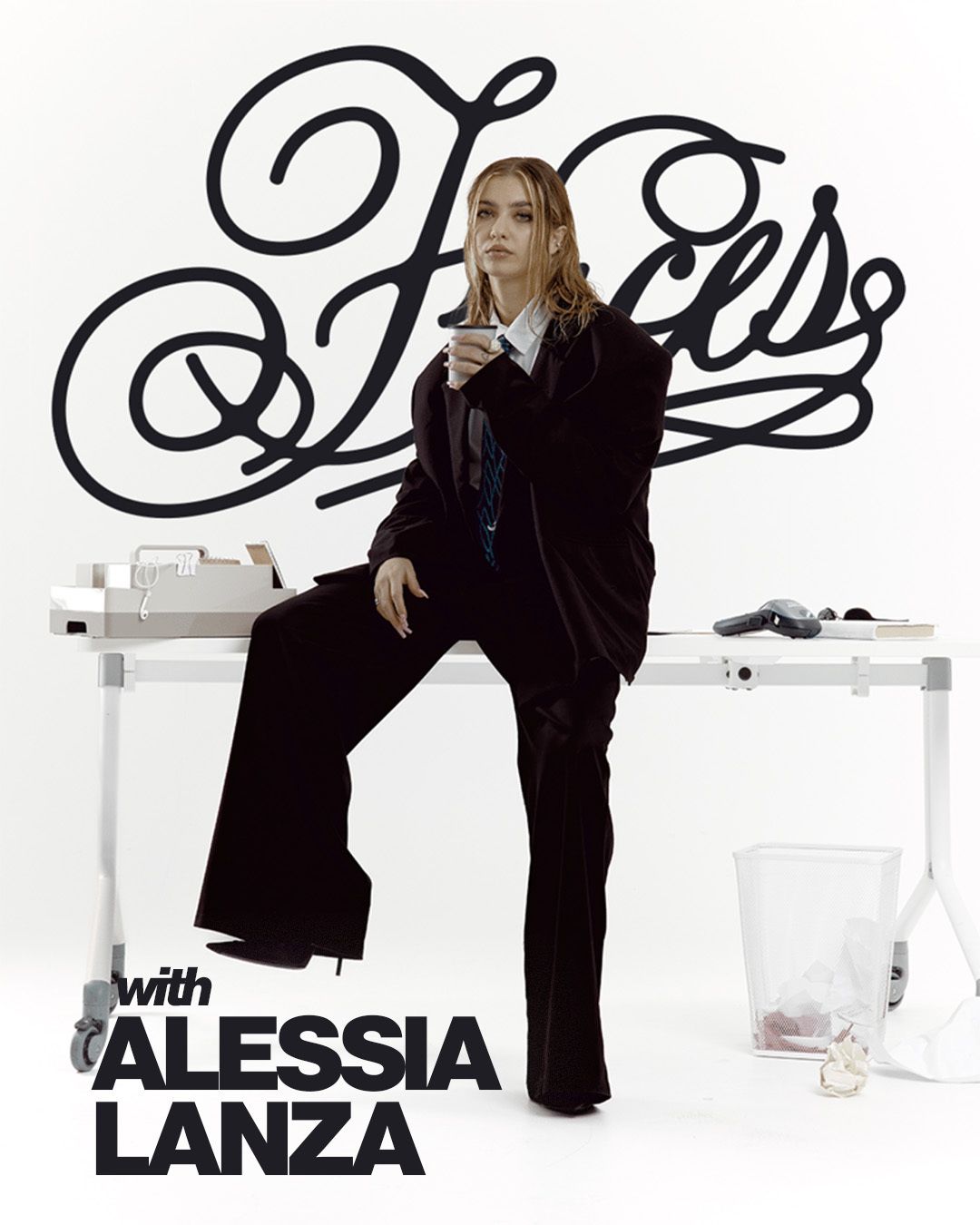
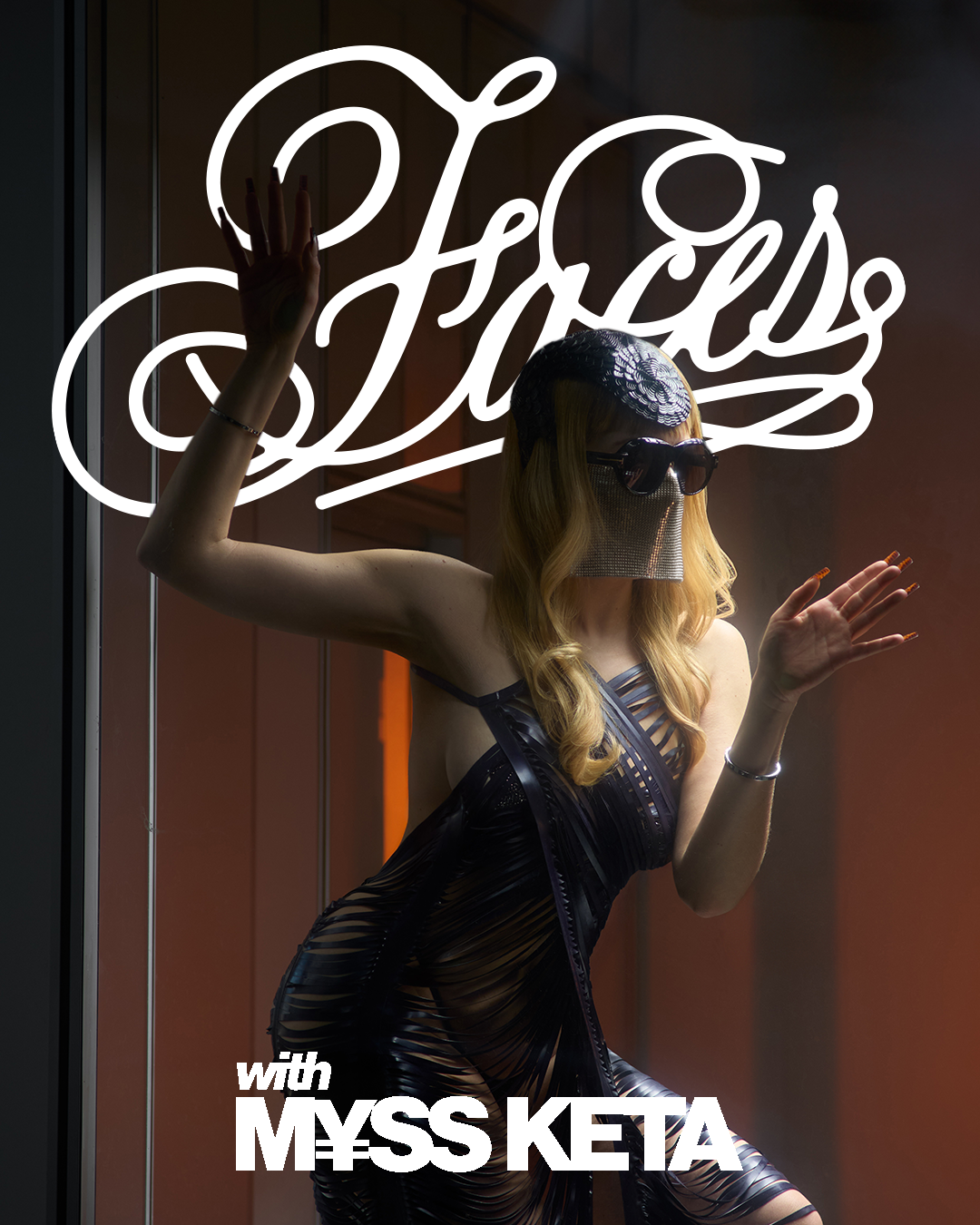
Orgoglio Porta Venezia Milano, in collaboration with the PAC - Padiglione d’Arte Contemporanea, presents We Were Night, Now We Are Day, a solo exhibition by Ambrosia Fortuna curated by Sabato De Sarno.
An exhibition between identity, community and LGBTQIA+ visibility
Included in the cultural program of Orgoglio Porta Venezia Milano – the widespread project now in its fourth edition that enhances the district as a symbol of inclusion, freedom and representation of LGBTQIA+ communities – the exhibition takes shape as a space of presence, relationship and visibility. An exhibition intervention spanning over ten years of images collected by Ambrosia Fortuna between Milan and Naples, presented today for the first time in a museum context.
Orgoglio Porta Venezia Milano and culture as an open platform
Born to foster dialogue between culture, identity and urban space, Orgoglio Porta Venezia Milano transforms the district every year into an open platform dedicated to individual expression, rights and the plurality of contemporary languages. In this context, We Were Night, Now We Are Day emerges as a project capable of restoring dignity, intimacy and complexity to queer and trans experiences, through an internal and deeply lived perspective.
The emotional and political archive of Ambrosia Fortuna
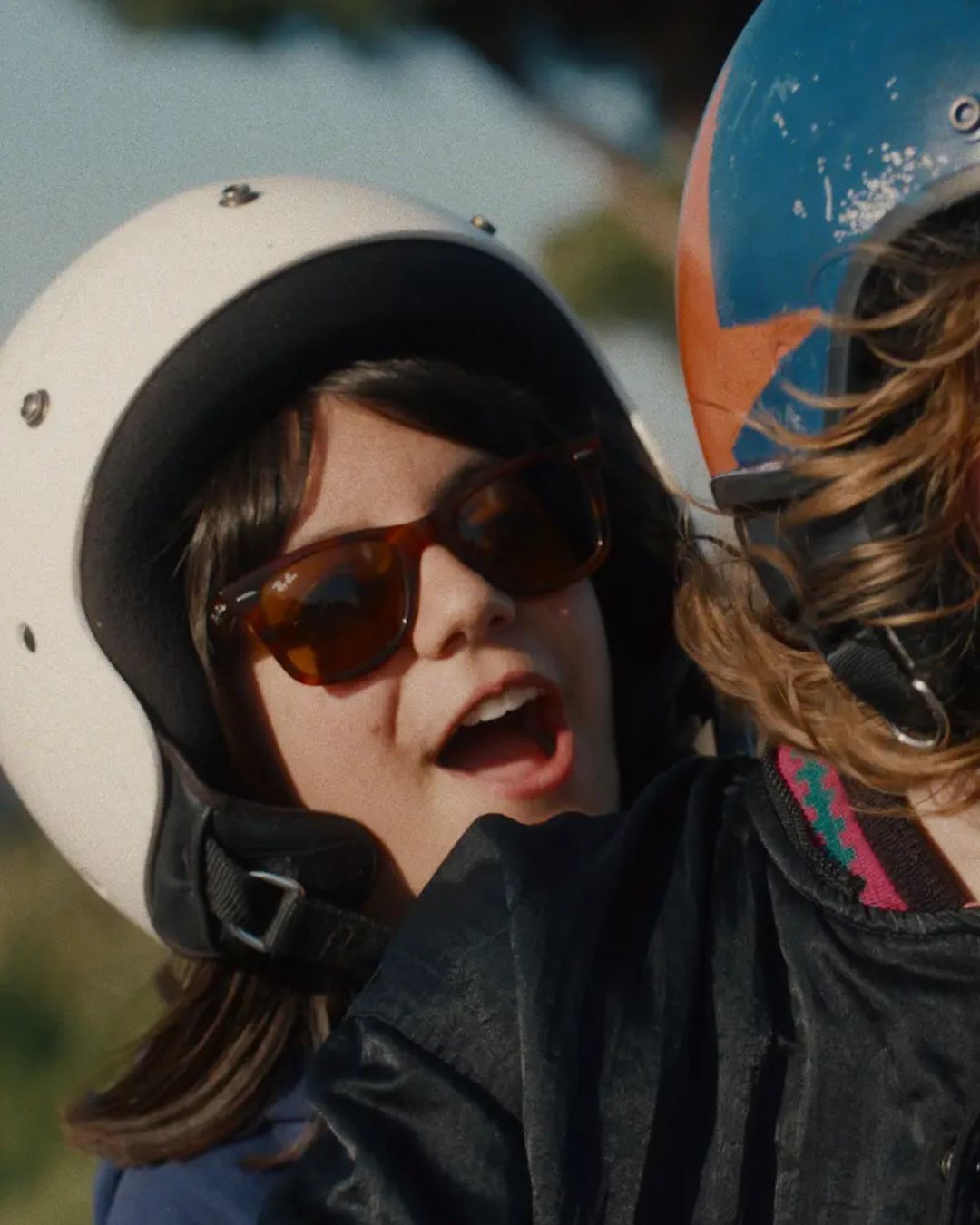
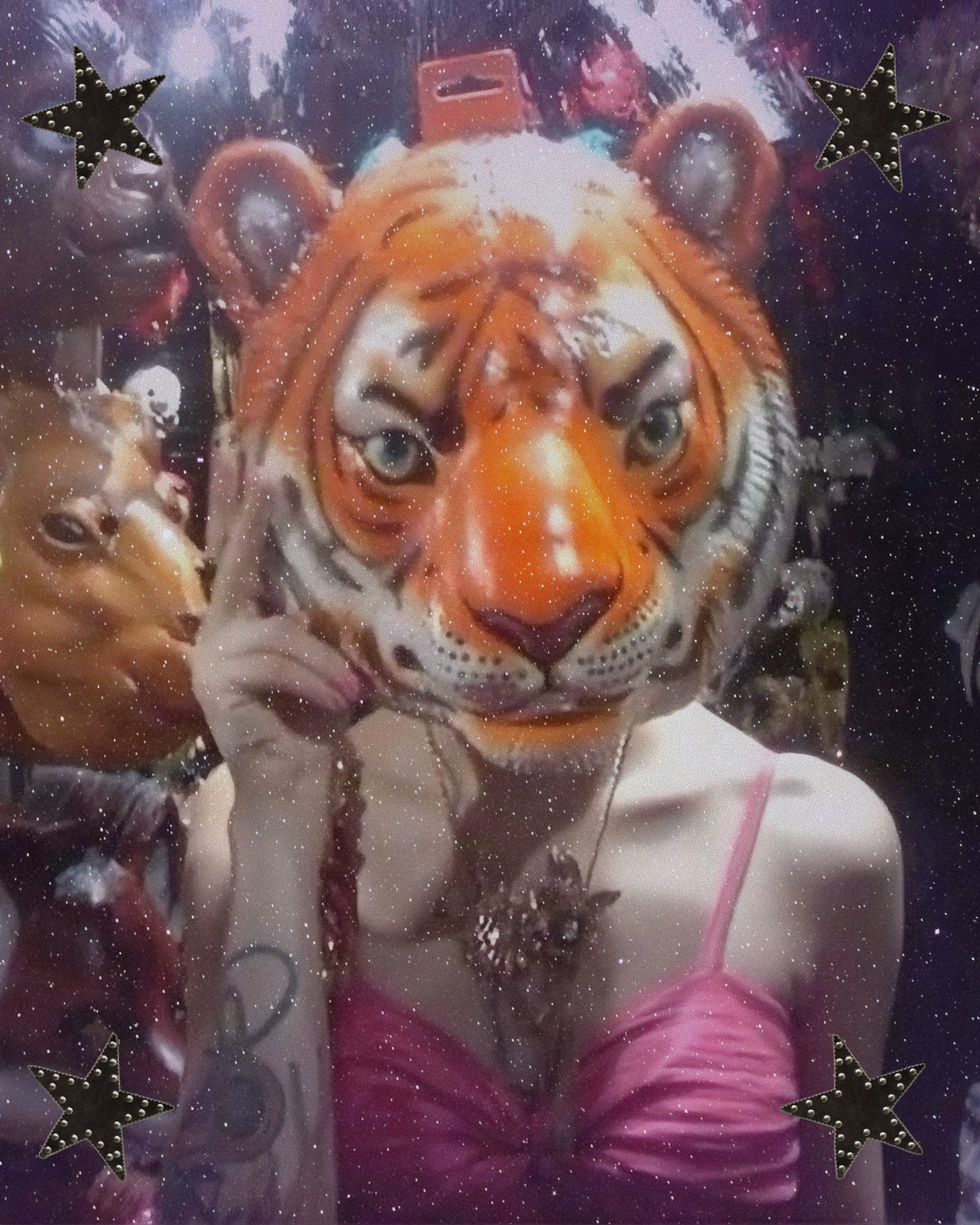
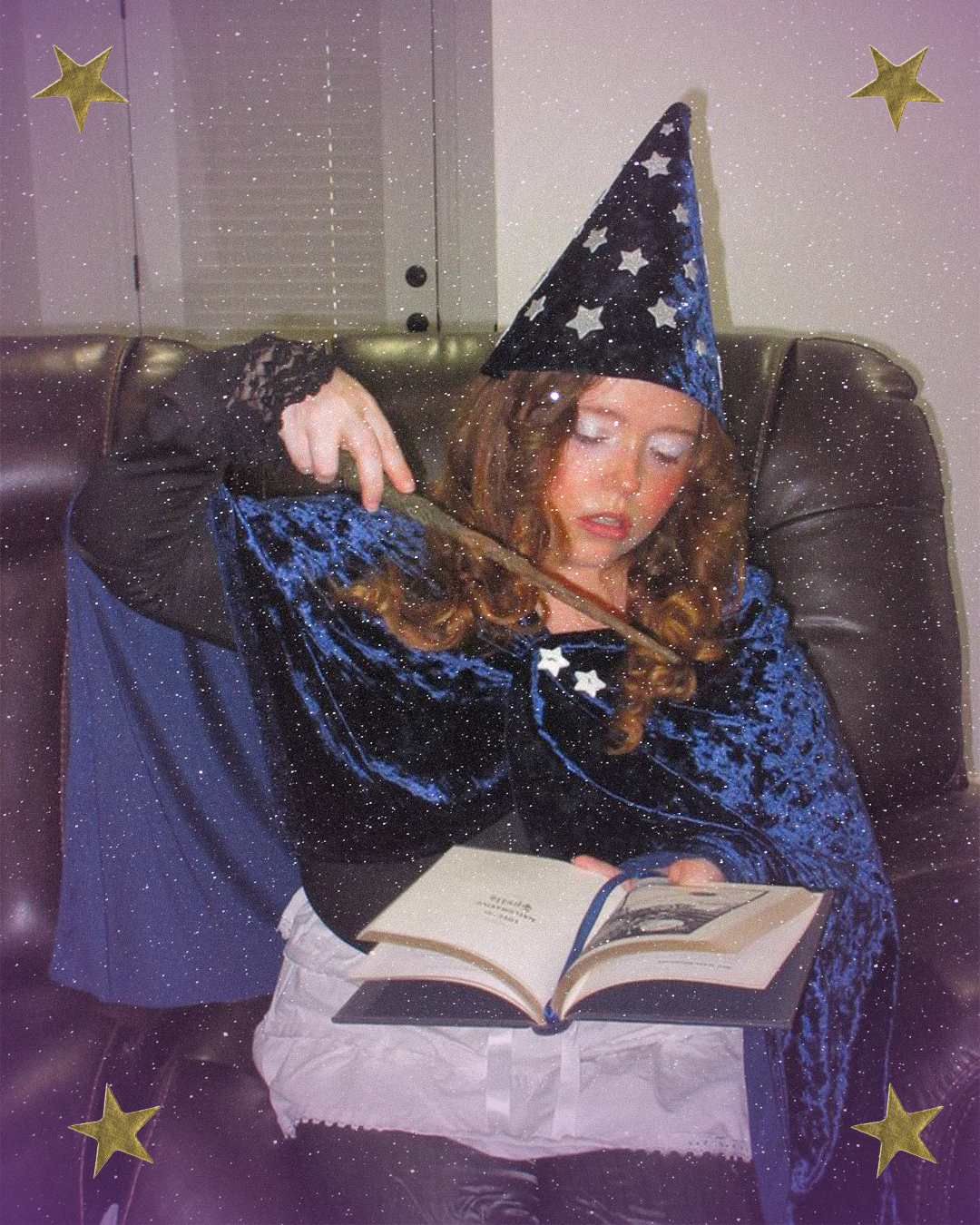
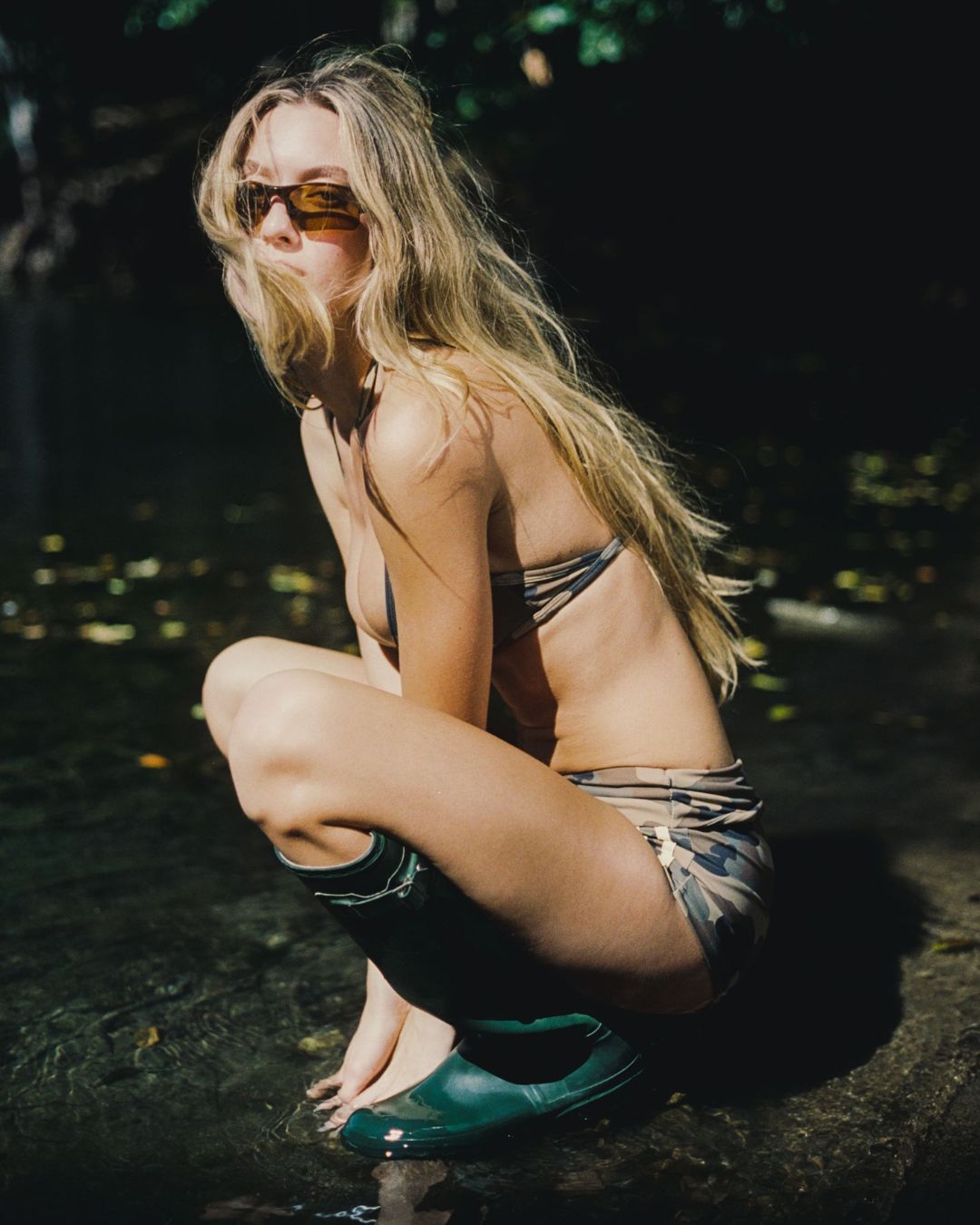
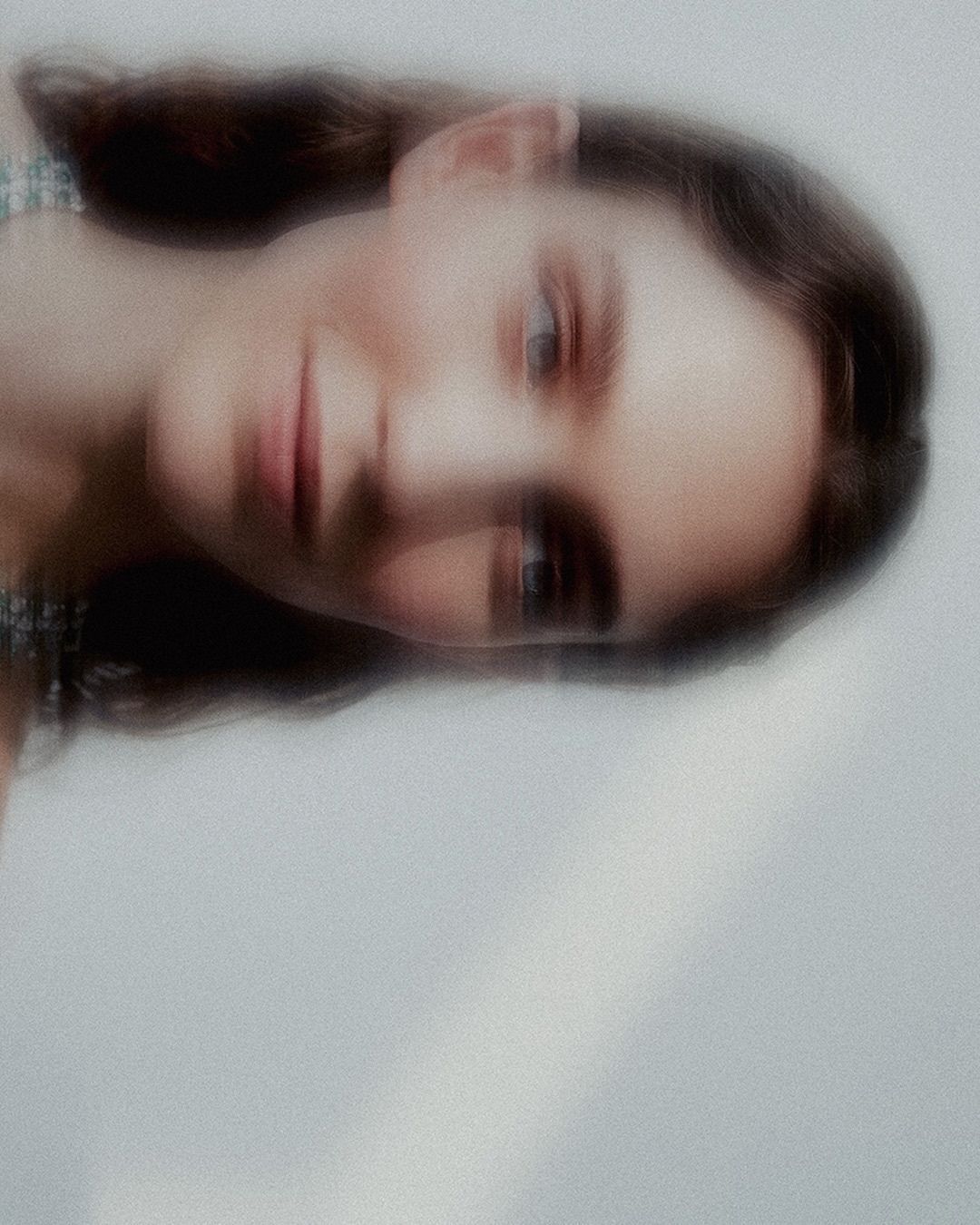
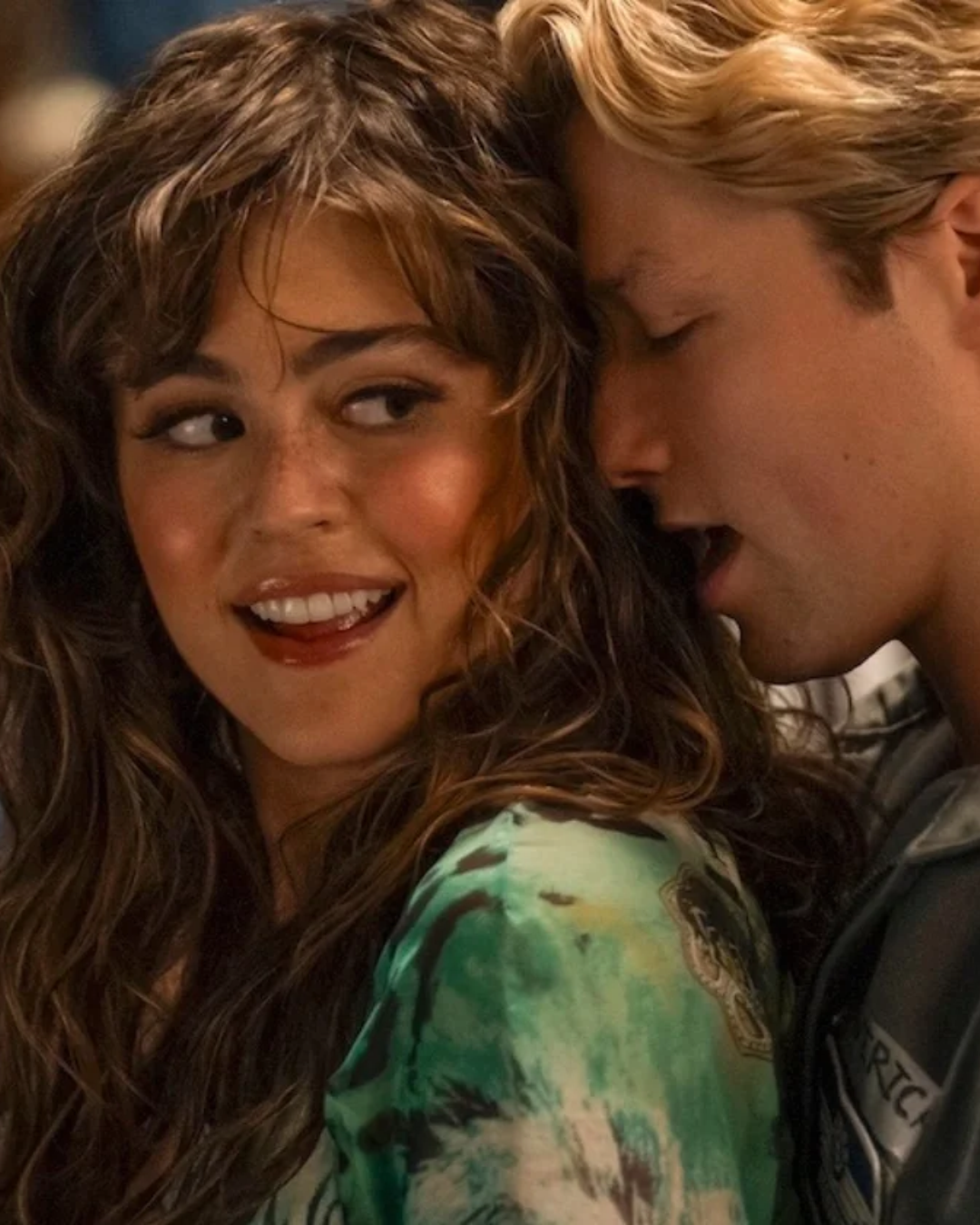
The exhibition is built around a body of photographs and videos created by Ambrosia Fortuna over ten years ago. The work is not framed within a narrative dimension nor a memory device: the images are treated as active elements, capable of generating a direct relationship with the viewer. The time that runs through them is not retrospective, but operative; what emerges is not the reconstruction of a moment, but its permanence. Ambrosia Fortuna builds an emotional and political archive composed of portraits, everyday fragments, waiting rooms, dressing rooms, confessions and intimate relationships developed within the Italian queer scene. This is not external documentation, but shared testimony, born inside a first-person lived community. The portrayed subjects – performers, friends, lovers, sisters – inhabit the image with the naturalness of those who feel recognized and safe.
The curatorial project by Sabato De Sarno
The curatorial intervention by Sabato De Sarno focuses on defining a context rather than constructing an interpretative reading. The exhibition does not impose directions, does not build hierarchies, does not translate the images into a single narrative. Instead, it establishes a condition of visibility, allowing the works to maintain their autonomy and complexity. “The exhibition does not interpret. It exposes,” he states. “For the second year I am collaborating with Orgoglio Porta Venezia Milano, a project with which I deeply share values of freedom, inclusion and the appreciation of diversity. Today more than ever it is important to continue creating opportunities for dialogue, presence and participation, giving voice to different experiences and perspectives. For this reason, the project is developed together with PAC and Levi’s, with whom I share a common sensitivity towards culture as a tool capable of generating listening, exchange and new readings of the present. Through this exhibition, my aim is to build an open space where identities and experiences can meet, recognize each other and engage in dialogue. Speaking about activism is important, but today it is even more necessary to create real contexts: places, connections and conversations capable of bringing different worlds into relation. I deeply believe in the value of a cultural space accessible to everyone, where people can feel welcomed, represented and part of a community.”
A threshold between night and day
The exhibition path unfolds as an open field, where different elements coexist without being reduced to synthesis, and where the gaze is required to take a position without mediation. The title, We Were Night, Now We Are Day, does not describe a linear transformation. It indicates a continuous threshold between states, times and possibilities of existence: a passage that does not erase what has been, but makes it visible. The exhibition is promoted by the Municipality of Milan – Culture and produced by PAC Padiglione d’Arte Contemporanea with Wunderplace Studio, in collaboration with Orgoglio Porta Venezia Milano. Levi’s supports the project, reaffirming its long-standing commitment to the LGBTQIA+ community.
What to read next
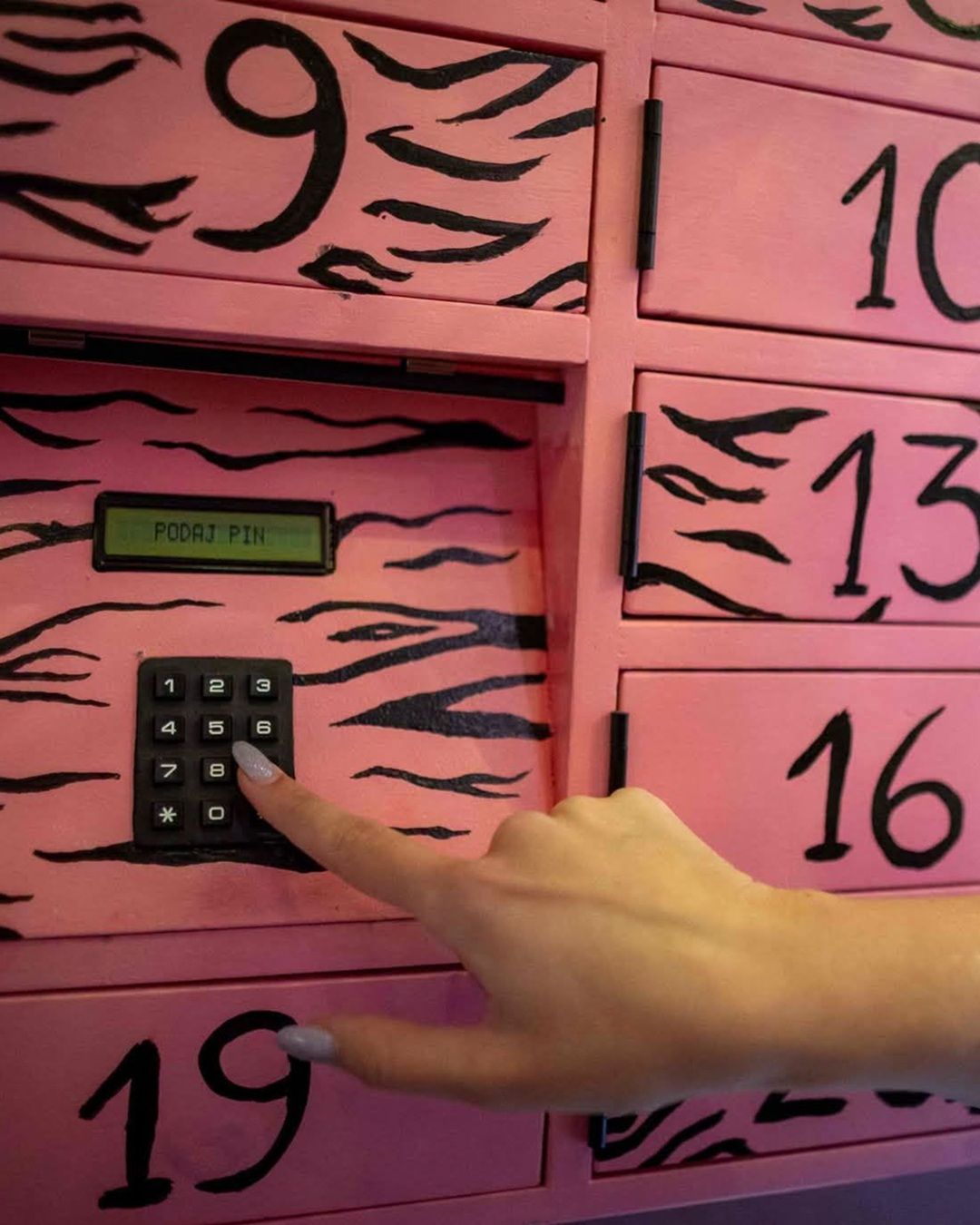
Warsaw launches the world’s first abortion pill dispenser
A pink locker to circumvent Poland’s abortion restrictions and make medications for voluntary termination of pregnancy more accessible
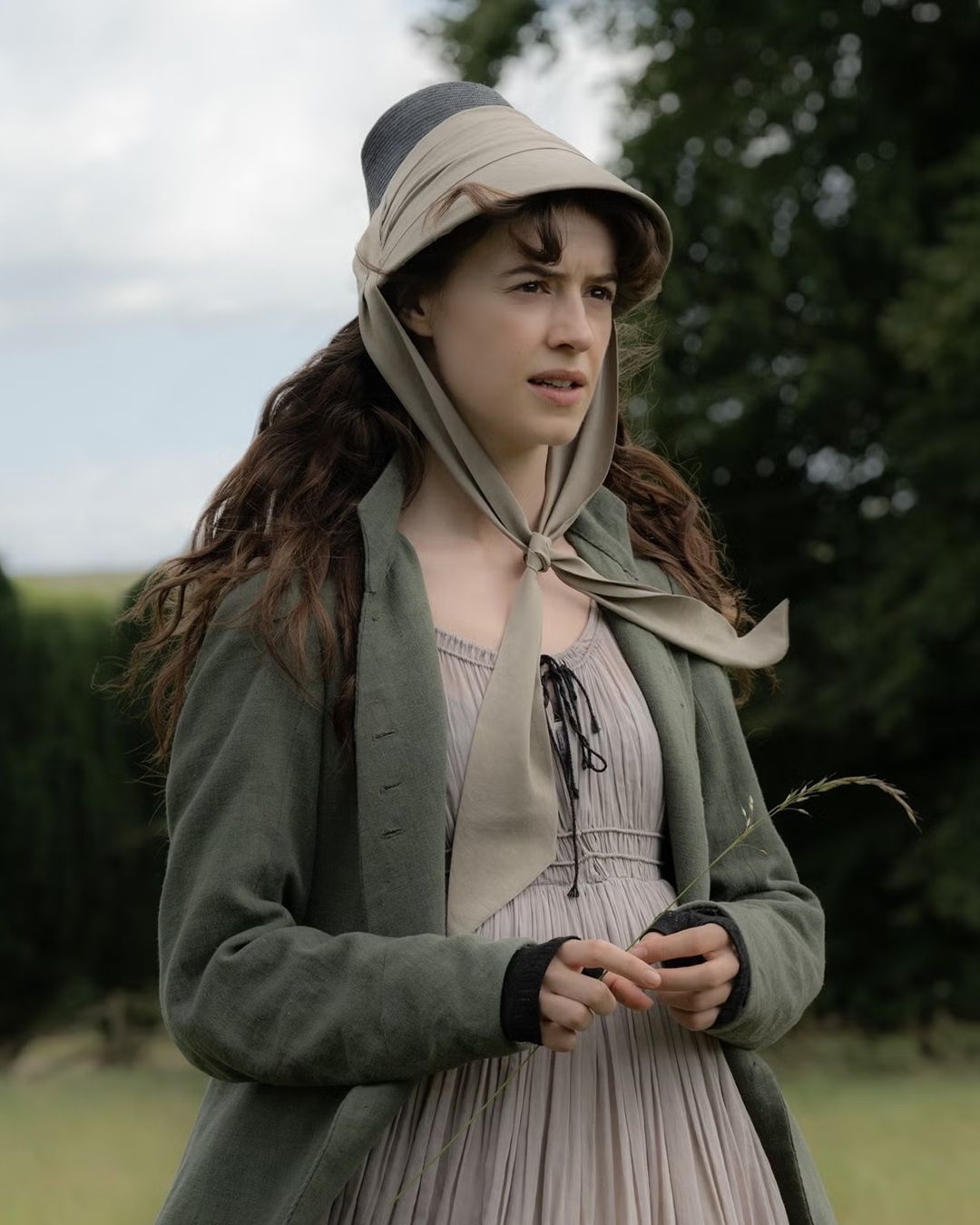
“The magic of Jane Austen is that her stories feel fresh and timeless”
Daisy Edgar-Jones, star of Sense and Sensibility, in cinemas from October 22