









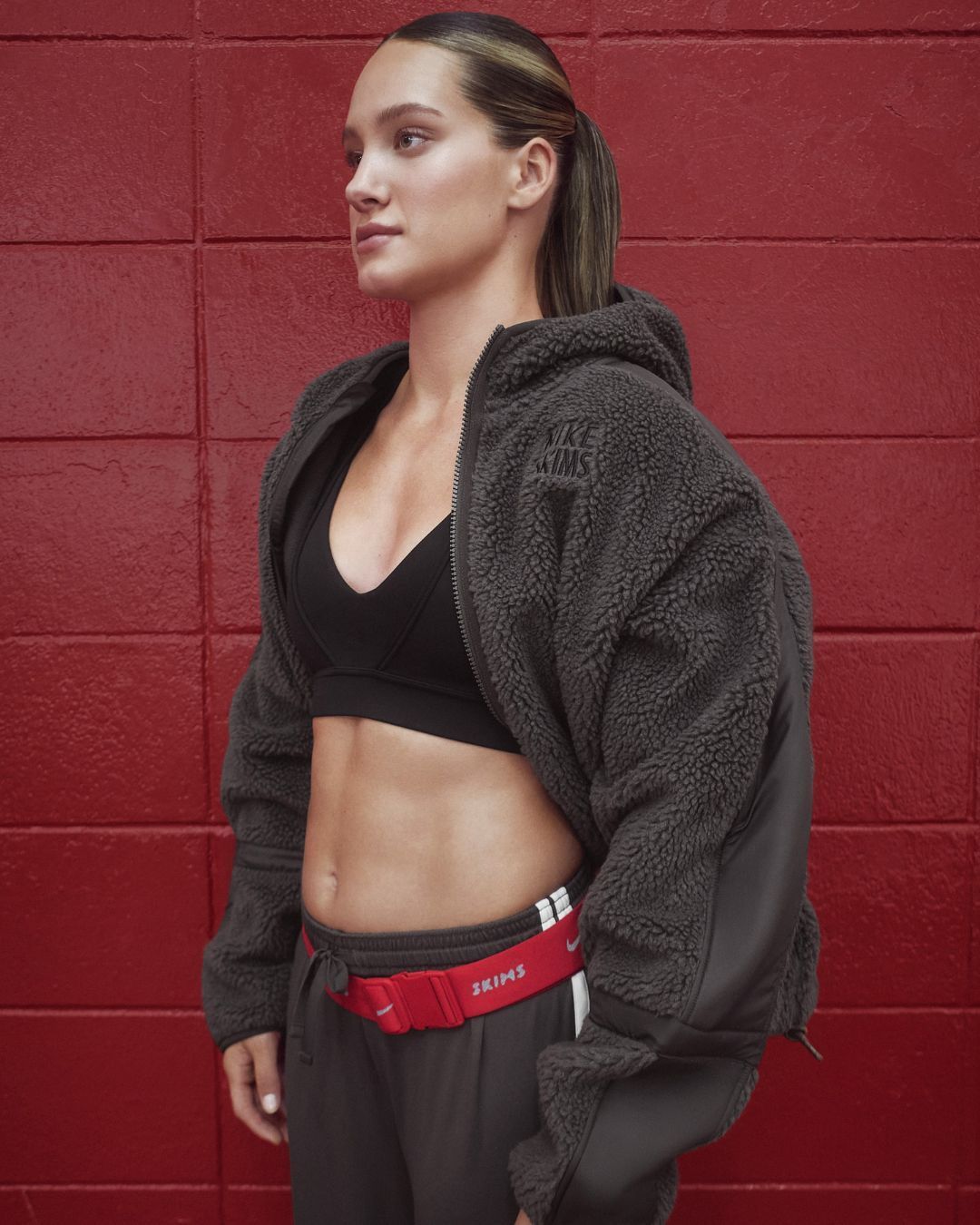
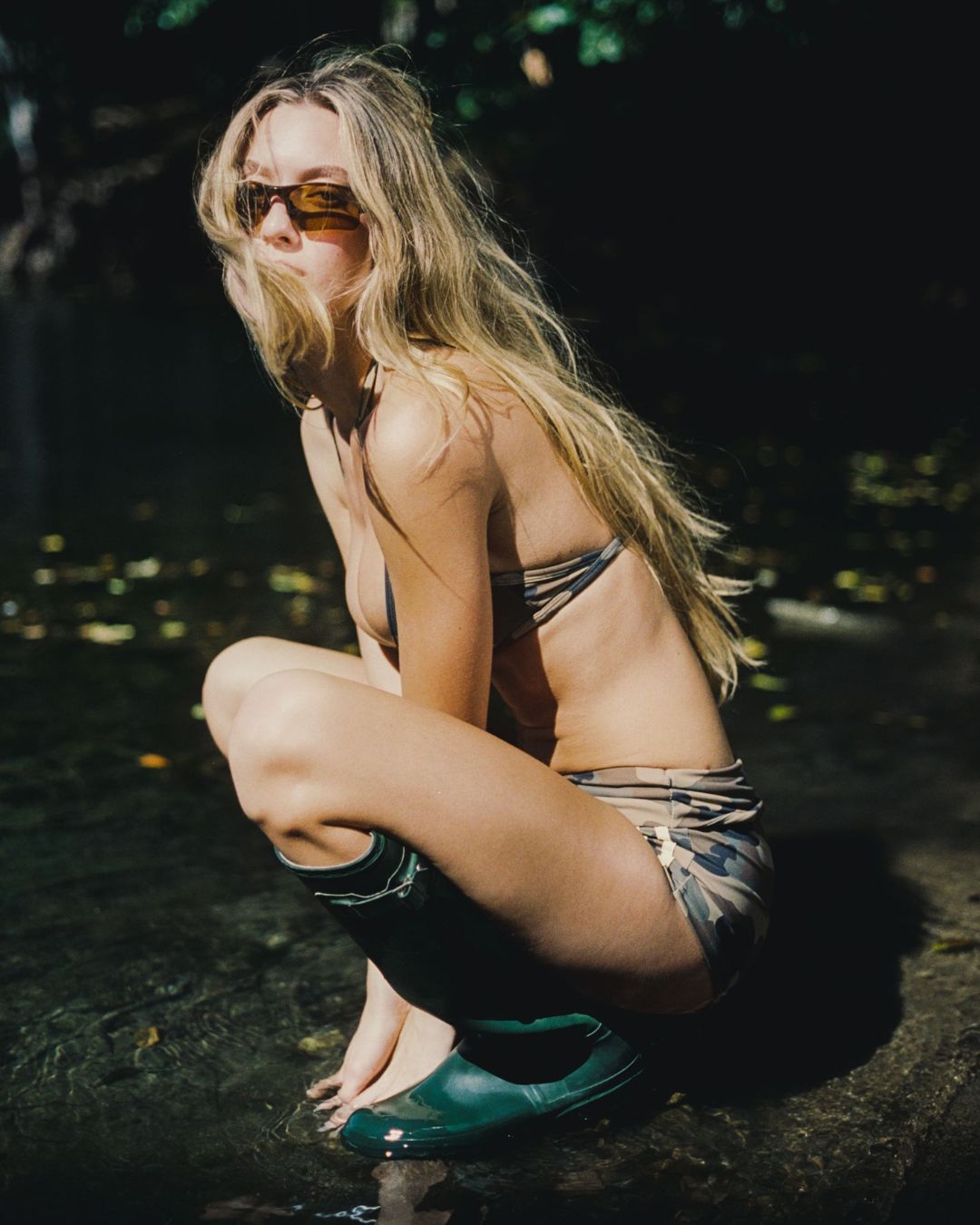
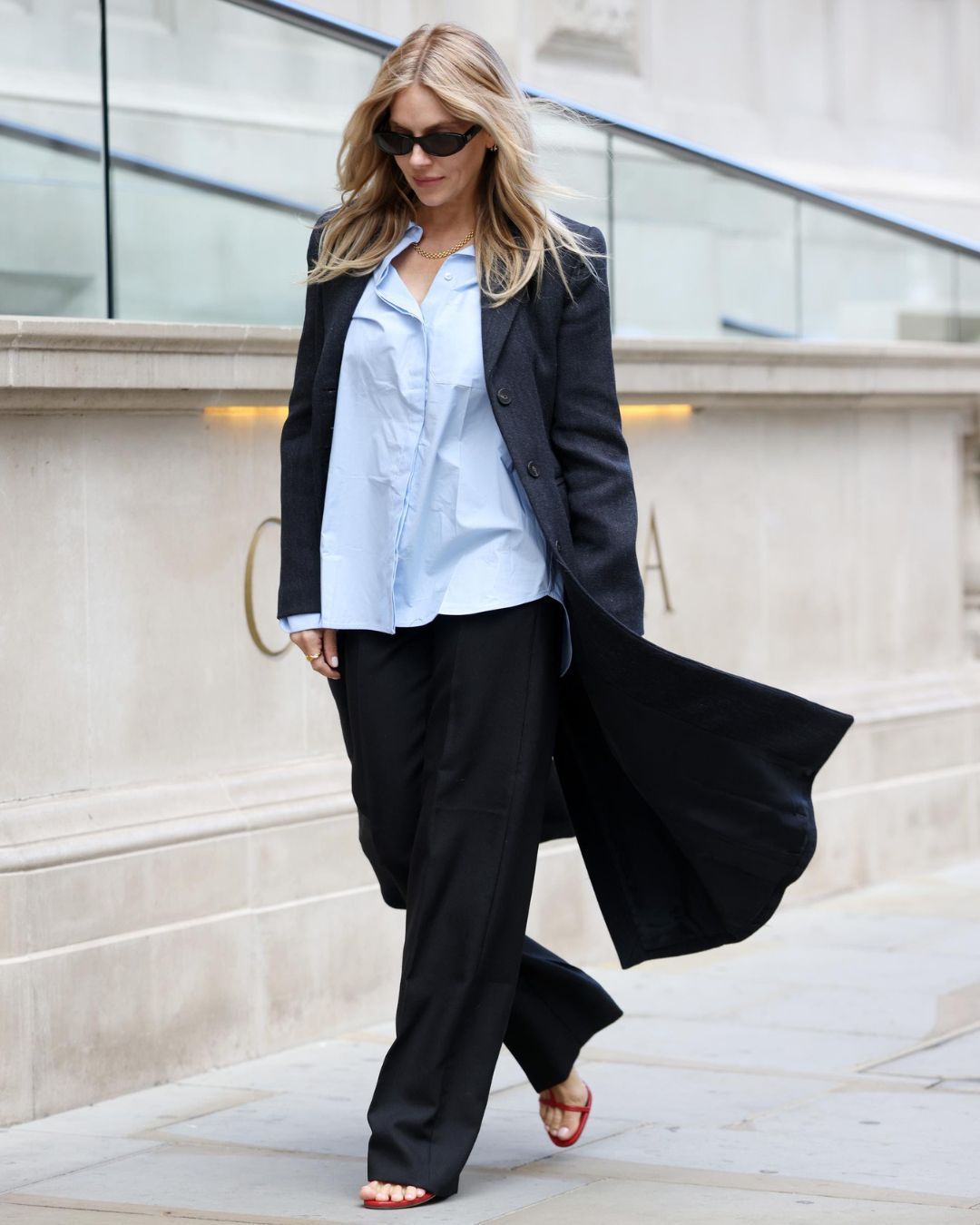
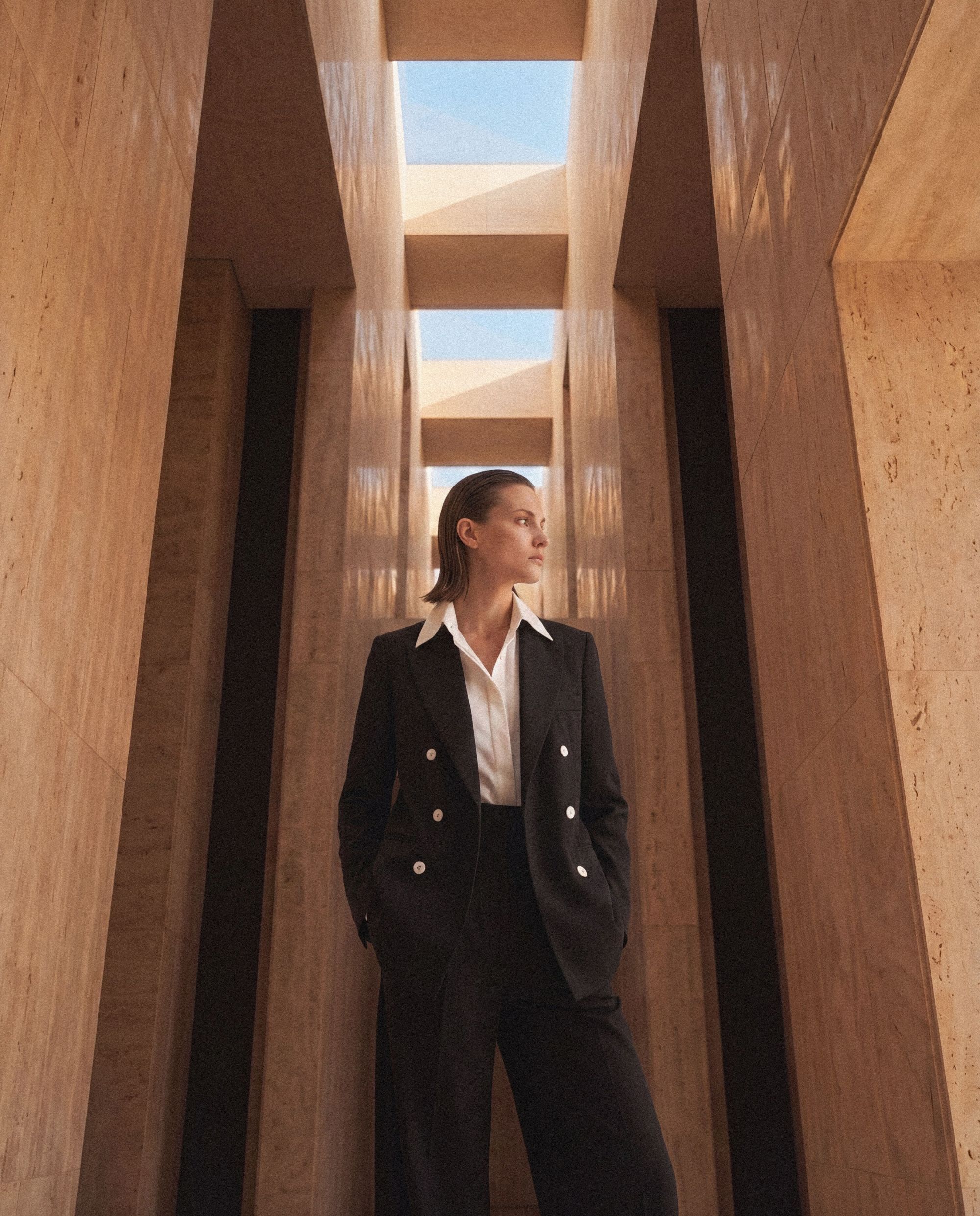




Kylie Jenner's partless slick back proves just how incredibly easily influenced we are And it's a little sad
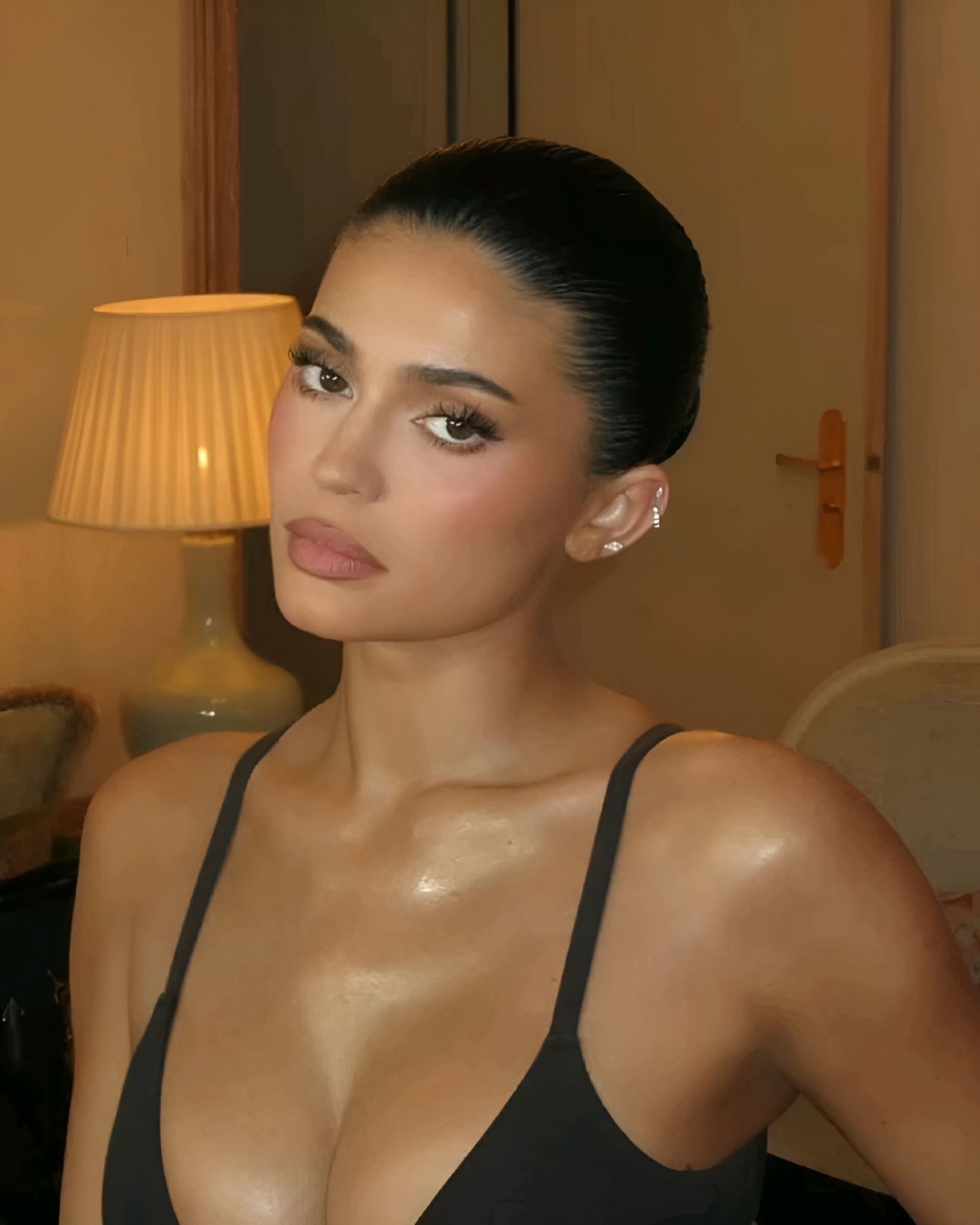
We all know the world runs on trends. Sorry to break it to you, but humanity has always followed beauty trends: from prehistory to the Middle Ages, from the Renaissance to the Victorian era, often making some seriously questionable choices along the way. Trends get dug up, chewed over, and spat back out, trying to update them for the present. So far, so normal, but there’s a limit to everything. Because then Kylie Jenner shows up, posts a photo of what the internet has dubbed the partless slick back, and suddenly millions of people start wondering how to recreate the look of the moment. Except the hairstyle in question is literally just a slicked-back ponytail with no parting. A style most of us have probably worn countless times. And yet, the moment it gets attached to a celebrity and given a new name, it instantly becomes a trend. Everything okay? I get reinventing the past. I think it’s beautiful to bring forgotten trends back to life, turning old ideas into something new. But when we start renaming a completely ordinary ponytail as if it were the next big beauty revolution, maybe we’re not really following a trend anymore.
Kylie Jenner’s partless slick back shows how easily we are influenced
All it takes is a name to create a trend
To be honest, the problem isn’t even Kylie Jenner’s ponytail. It’s everything that comes after it. In recent years, we’ve witnessed a real obsession with the rebranding of the obvious. Beauty doesn’t necessarily create anything new anymore: it often takes something that already exists, gives it a catchy name, and turns it into a trend. The clean girl look? Light foundation, glowing skin, and neat hair. The toasty makeup? Warm tones on eyes, cheeks, and lips—basically the cousin of cinnamon makeup, teddy bear makeup, and dozens of other aesthetics born online. The same goes for all those fruit-inspired beauty looks: strawberry, cherry, berry. Fun? Absolutely. Revolutionary? Not really. Often, it’s just a shift in blush or lipstick shade, and suddenly the trend gets a new name. But the magic isn’t in the aesthetics, it’s in the storytelling. Because our brains love categorizing things. We like naming phenomena, sorting them into boxes, and feeling part of something recognizable. Once a look gets a label, it stops feeling like a random choice and becomes an identity. You’re no longer wearing pink blush - you’re recreating cherry blossom makeup. You’re not just tying your hair up because it’s 40 degrees outside - you’re wearing the partless slick back à la Kylie Jenner!
It’s not Kylie Jenner’s fault
It would be easy to blame celebrities, but that would be too simple. Kylie Jenner is just doing what influencers do: existing online and posting a photo. The real phenomenon is how we react. Social media runs on constant novelty. Every week needs a new aesthetic, a new look, a new hashtag. And when ideas start running out, we recycle what already exists, polish it a little, give it a more sophisticated name, and relaunch it as if it had just been discovered. It’s not a new mechanism, and that’s exactly why it always works. When we see hundreds of creators talking about the same hairstyle, we start looking at it differently, and almost without realizing it, we begin to find it more interesting. Why? Simple: we tend to assign more value to what we perceive as new, exclusive, or socially recognized.
And it’s no longer just about naming things: it’s about building a character, a lifestyle, an identity to aspire to. And when an aesthetic becomes a community, it stops being just a trend and becomes something you want to belong to. So we’re not really talking about beauty trends anymore. We’re talking about a system where social recognition changes the way we perceive even the most ordinary choices. A ponytail, a slightly higher blush placement, a color combo we’ve been doing in front of the mirror for years suddenly become an aesthetic, not because they’ve changed, but because someone isolated them, named them, and shared them. The problem isn’t that ideas are missing. It’s that we need someone to name them before we can even see them, so much so that a gesture we’ve been doing every day doesn’t really exist until it becomes a trend.
What to read next