
































How to take care of your hair during the change of season And to avoid making the situation worse.
The mid-season is back, and that means only one thing: hair shedding. Yes, because it’s not just autumn that betrays you, spring casually decides to join in too. You find them everywhere: on your brush, in the sink, on your hands. And the question is always the same: why? The truth is that seasonal change is one of those moments when the body does a little reset, hair included. So here’s a small guide on how to take care of our hair during the mid-season period.
How to take care of your hair during seasonal change
How the hair cycle works
Let’s start with a truth: hair doesn’t grow randomly, but follows a precise cycle made of growth, transition, and rest. It’s called the hair cycle and it’s divided into three phases: anagen, catagen, and telogen. Anagen is the growth phase, which can last even years: it’s when the hair is firmly attached to your head and, for once, decides to cooperate. Then comes catagen, a transition phase that is very short, during which the follicle slows down and prepares to detach. Finally comes telogen, the resting phase: the hair stops growing and, after a few months, falls out to make room for a new one. Under normal conditions, most hair is in the anagen phase, while only a small percentage is in telogen. That’s why losing hair every day is not only normal but inevitable: we’re talking about around 50–100 hairs per day, an amount practically imperceptible if you consider that an average head has about 100,000 hairs. The problem arises when, for various reasons (including seasonal change), more follicles enter the telogen phase at the same time. And that’s when you start seeing hair everywhere and slowly feel like you’re turning into a sphynx cat.
And what about the scalp?
Naturally, it’s not just the follicles going a bit wild in spring, the scalp joins the party too. Temperatures change, humidity increases, and exposure to light rises: all factors that can directly affect the hair cycle, temporarily increasing the number of follicles in the telogen phase, while the scalp tries to adapt to these environmental changes. The result is a more stressed scalp: it can become more sensitive, oilier, or drier, depending on your personal unlucky lottery. On top of that, this period tends to accumulate sebum, pollution, and product residue, further disrupting the balance of the scalp and making it more unstable.
How to take care of follicles and scalp?
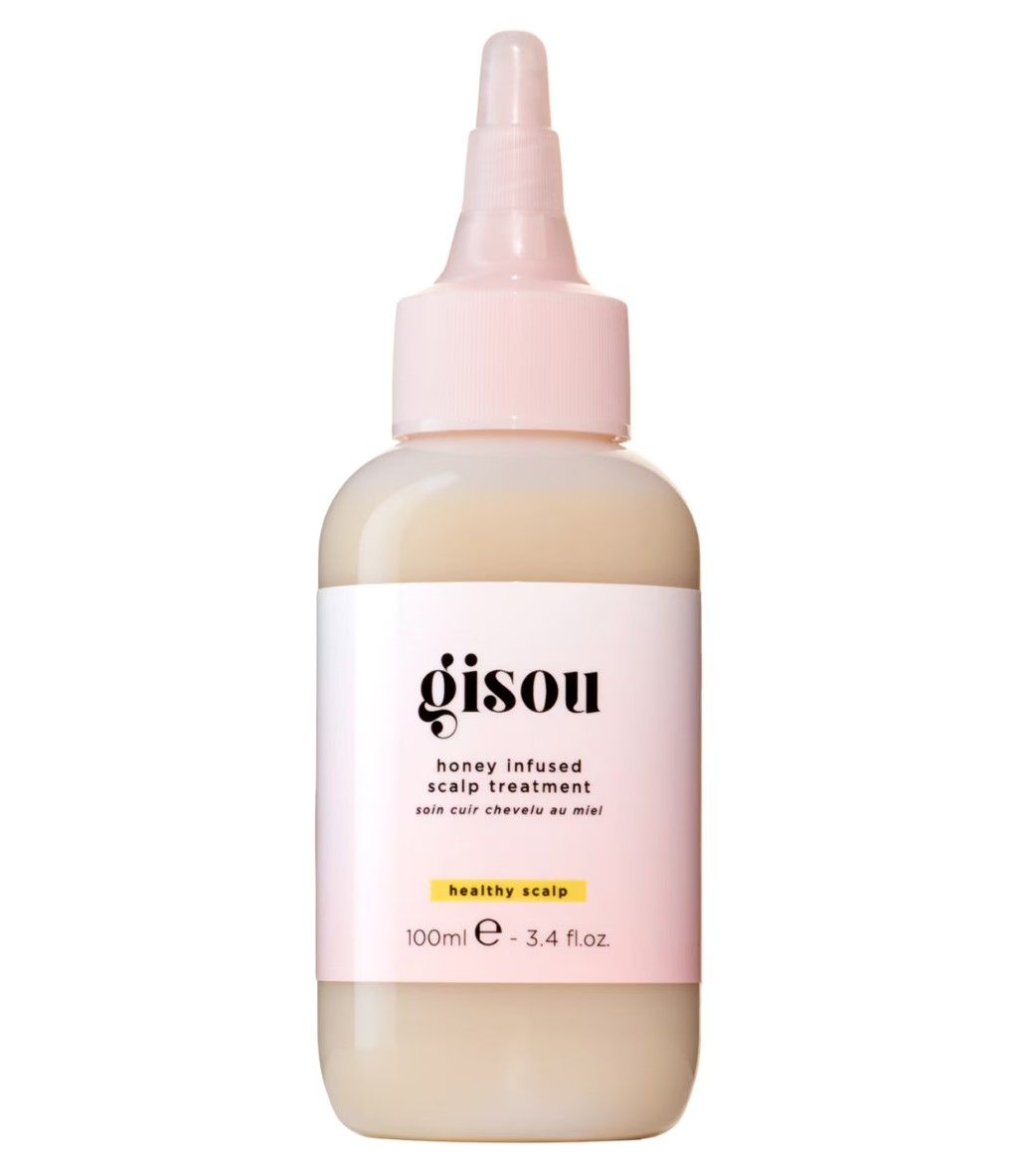
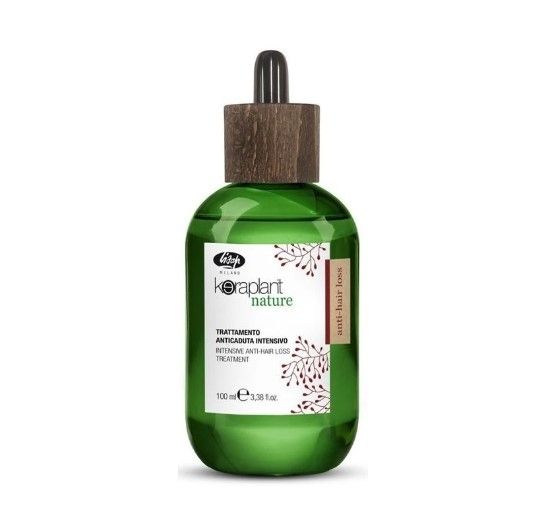
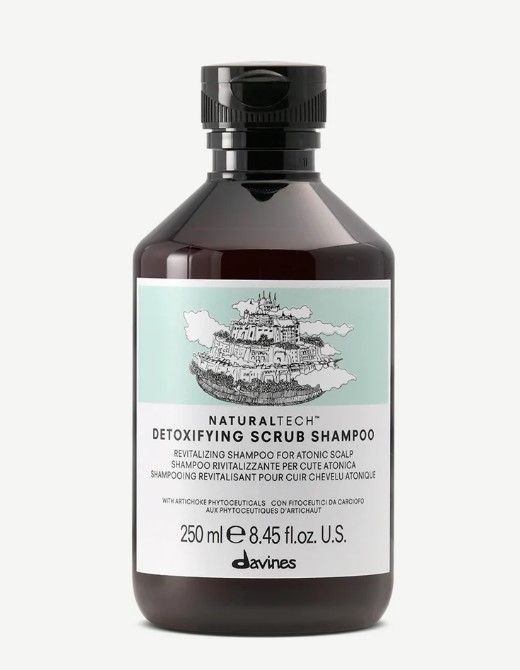
Here’s the simple truth: you can’t completely stop seasonal hair shedding, but you can avoid making it worse, which is already a win. The first smart move is scalp detox. That means removing buildup of sebum, pollution, and product residue, in order to restore a healthier environment for growth. Then there’s hydration, which doesn’t only concern lengths. A balanced scalp (neither too dry nor too oily) is essential for the hair cycle to function properly. Another often ignored point: stimulation. Massaging the scalp with gentle circular movements, using fingertips or tools like a gua sha for the scalp, helps improve microcirculation and brings more oxygen and nutrients to the follicles. Even better if you pair the massage with oils such as peppermint oil, or products with stimulating and energizing active ingredients.
What to read next

Real baddies have found their favorite activewear brand
It's called SWT, it comes from Australia and it has just launched a new capsule collection

"I find beauty in what makes me happy"
Interview with Garance Murru, which you've probably seen on TikTok
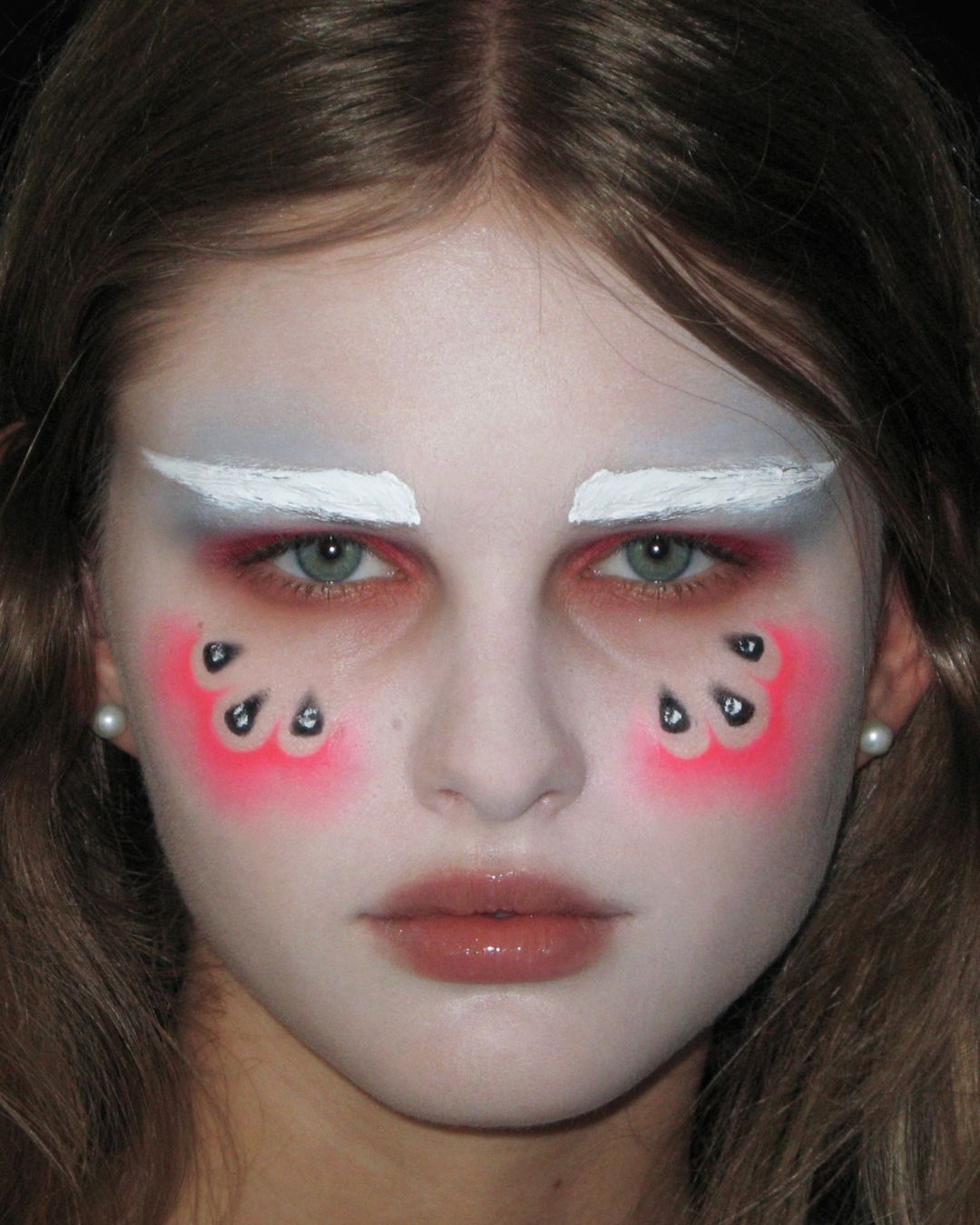
Halloween make-up inspired by the most iconic runway shows
From Christian Dior by John Galliano to Matières Fécales