










































Everything about colored powders Pink, yellow, green: how to use them all
Powder has long been considered a purely functional product: it sets makeup, controls shine, mattifies, but doesn’t truly alter the appearance of the skin. In recent years, this has changed, especially with the arrival of colored powders. Among the most recognizable are those from Huda Beauty, which acted as trendsetters and encouraged other brands to step out of their comfort zone. Today, shades go far beyond classic beige: from lilac to yellow, from pink to peach, each color serves a specific purpose. It’s no longer just about making makeup last as long as possible, but about using color theory to balance the complexion more precisely and subtly compared to other corrective products. Here’s what you really need to know about colored powders and how to use them.
All about colored powders: how to use them and what they’re for
White or Translucent Powder
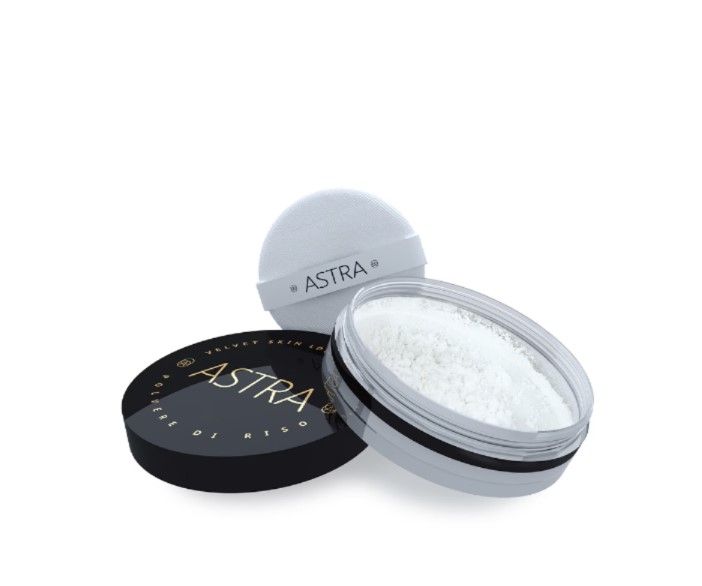
White powder does not correct color, but it remains essential for a daily look. It sets makeup and smooths the skin’s texture without altering the tones of the products underneath. Apply it all over the face or only on areas prone to shine, using a large brush or a sponge for a smoother, “filtered” effect. It’s the starting point for everyone.
Yellow or Banana Powder
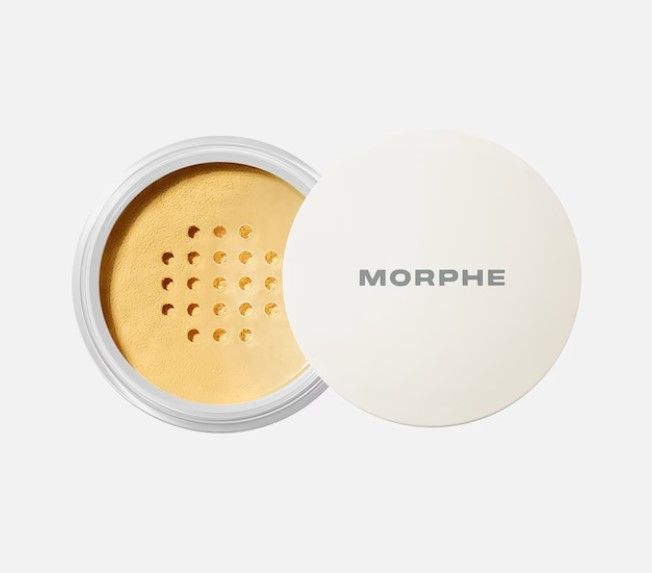
Directly from 2016, banana powder has a yellowish hue and is the easiest to incorporate into a routine, with the least room for error. It mainly serves to brighten and even out, especially under the eyes, helping to neutralize blue or purple undertones. Apply after concealer, patting a small amount with a sponge or a lightly loaded brush. Be careful: excess is immediately visible, and the risk of a cakey effect is high.
Pink Powder
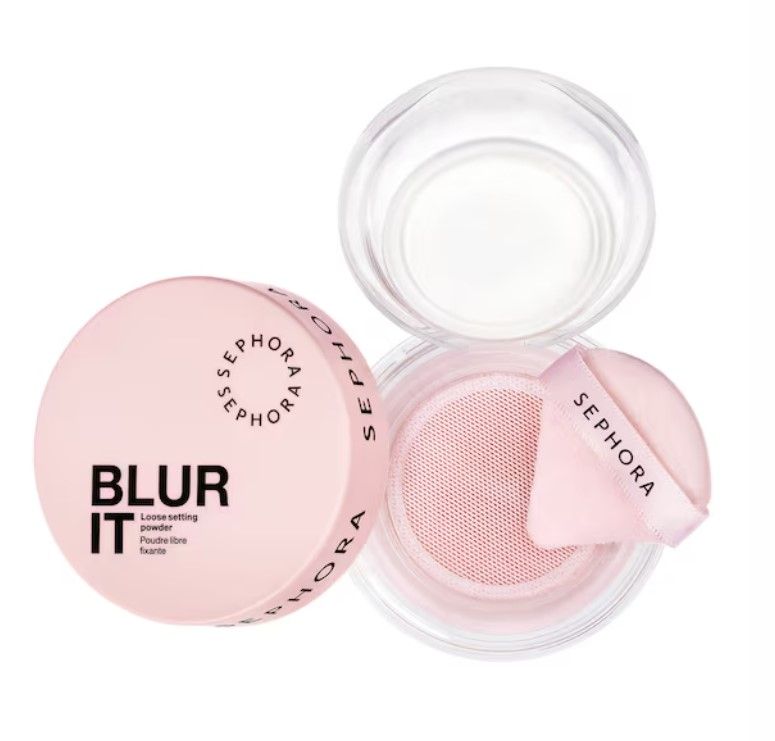
Pink powder is used when the skin looks a bit dull and you want to revive it without adding too much highlighter. It has a refreshing effect and works particularly well on fair or cool complexions, brightening them without weighing them down. Apply lightly on central areas of the face (under the eyes, nose, center of the forehead). Using a brush ensures a diffused and natural result without buildup.
Lilac Powder
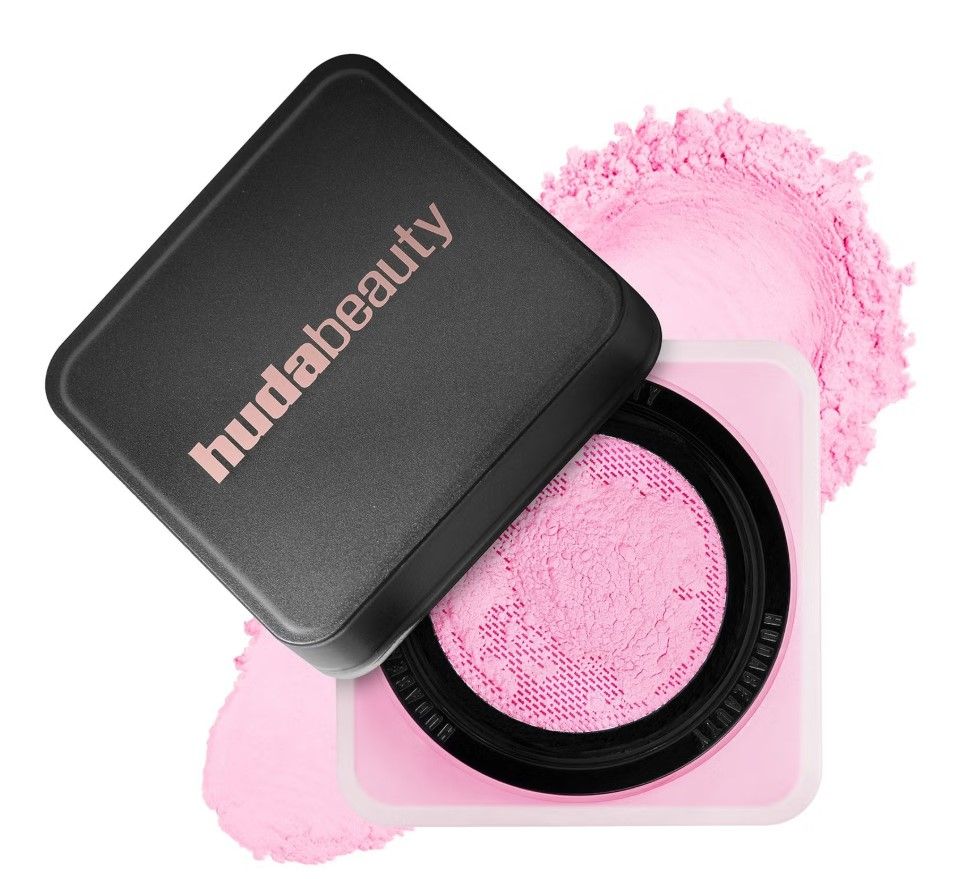
Lilac powder is perhaps the most unique because it seems intense but is actually very useful on olive-toned skin that tends toward yellow or gray. It neutralizes these tones and brightens much more than pink powder. Apply lightly all over the face or on areas where the complexion looks dull, and remember: start with a small amount, you can always layer.
Peach Powder
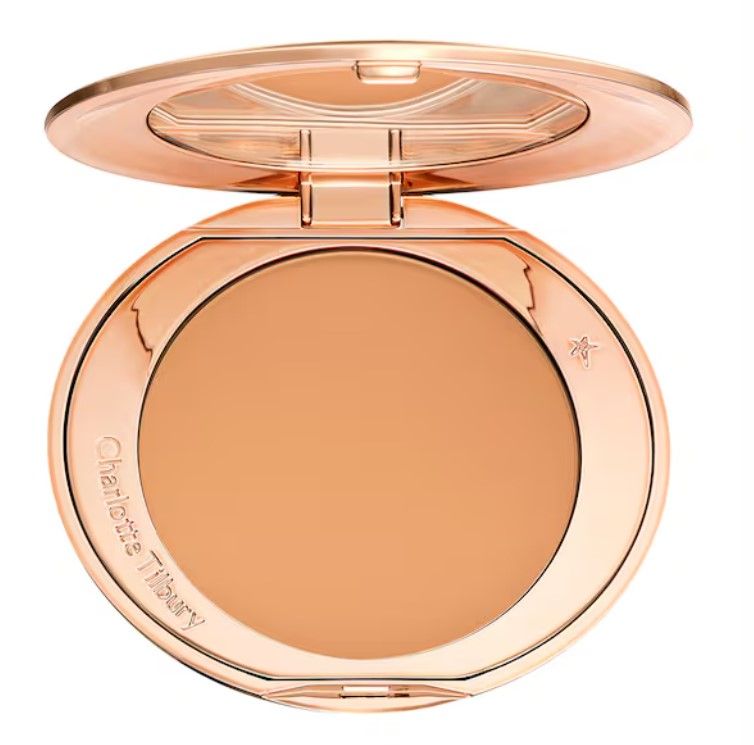
Peach powder helps even out dull complexions, add warmth, and erase the grayish effect typical of tired skin. It does not replace concealer but enhances it, especially under the eyes, helping the gaze look more rested and less marked. Apply after concealer, patting a small amount only on targeted areas, or use a brush over the whole face.
Green Powder
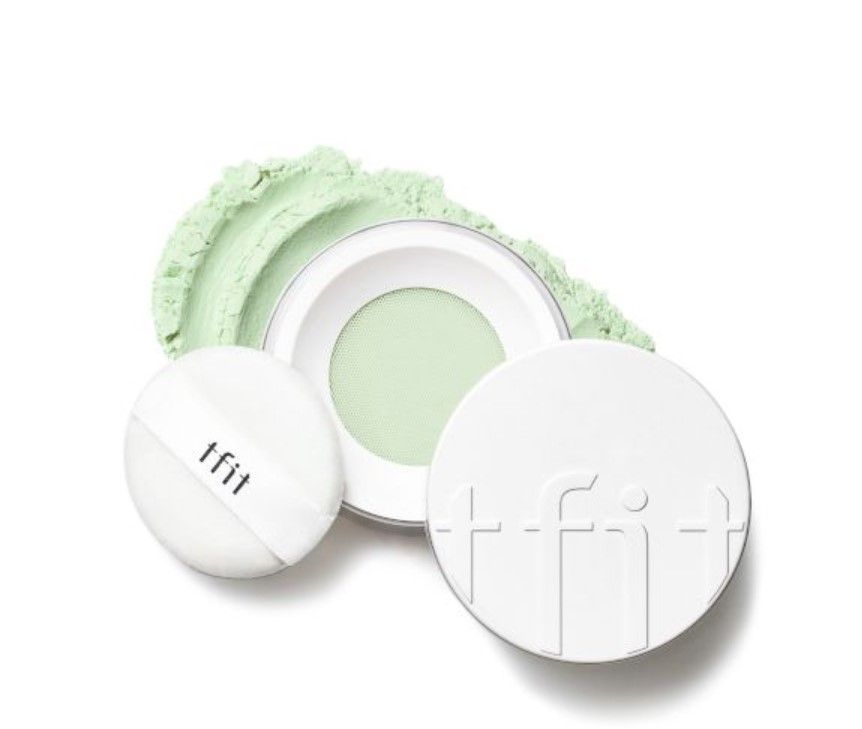
Green powder should be used carefully. It visually reduces redness from blemishes or irritated areas. It’s not for full-face application. Apply locally over foundation or concealer with a small brush or sponge, patting gently without dragging. Used correctly, it neutralizes redness without leaving obvious traces. Used incorrectly, it’s noticeable.
Multicolor Powder
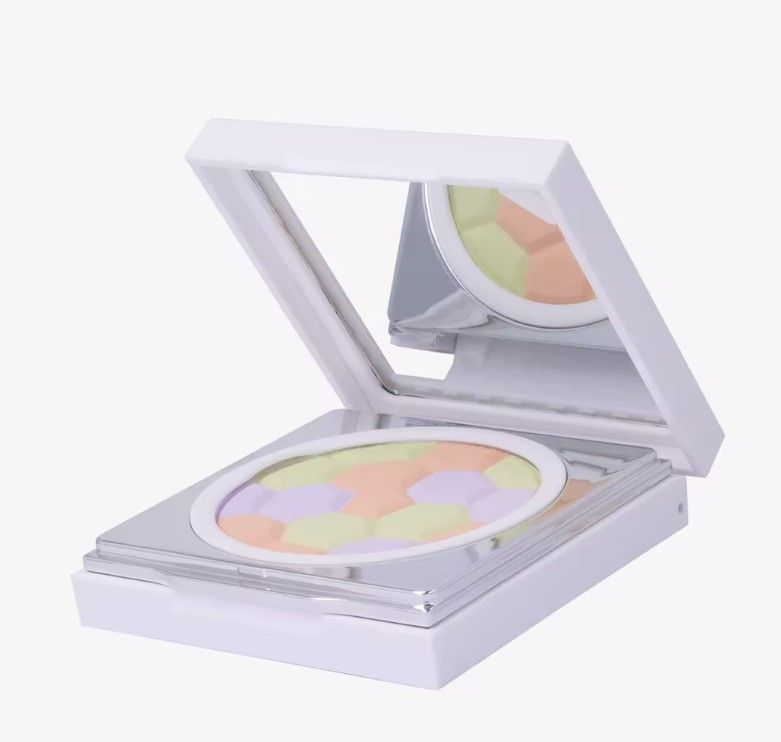
Multicolor powders are perfect for those in a hurry, and we love them for this reason: they combine multiple corrective shades in a single product. They help even out the complexion generally, without targeting specific areas. Apply with a large brush over the whole face, picking up and blending the colors directly from the pan. The result is more diffused and less precise than single powders, but perfect if you don’t have time for micro-correcting every morning.
What to read next
Halloween make-up inspired by the most iconic runway shows
From Christian Dior by John Galliano to Matières Fécales

Rubinacci has launched its first ready-to-wear women's collection
The lifestyle journey between past and present told at the trunk show on October 7
The most popular Italian and European pharmacy products abroad
The keywords are to soothe and protect: from Biafin to La Roche-Posay