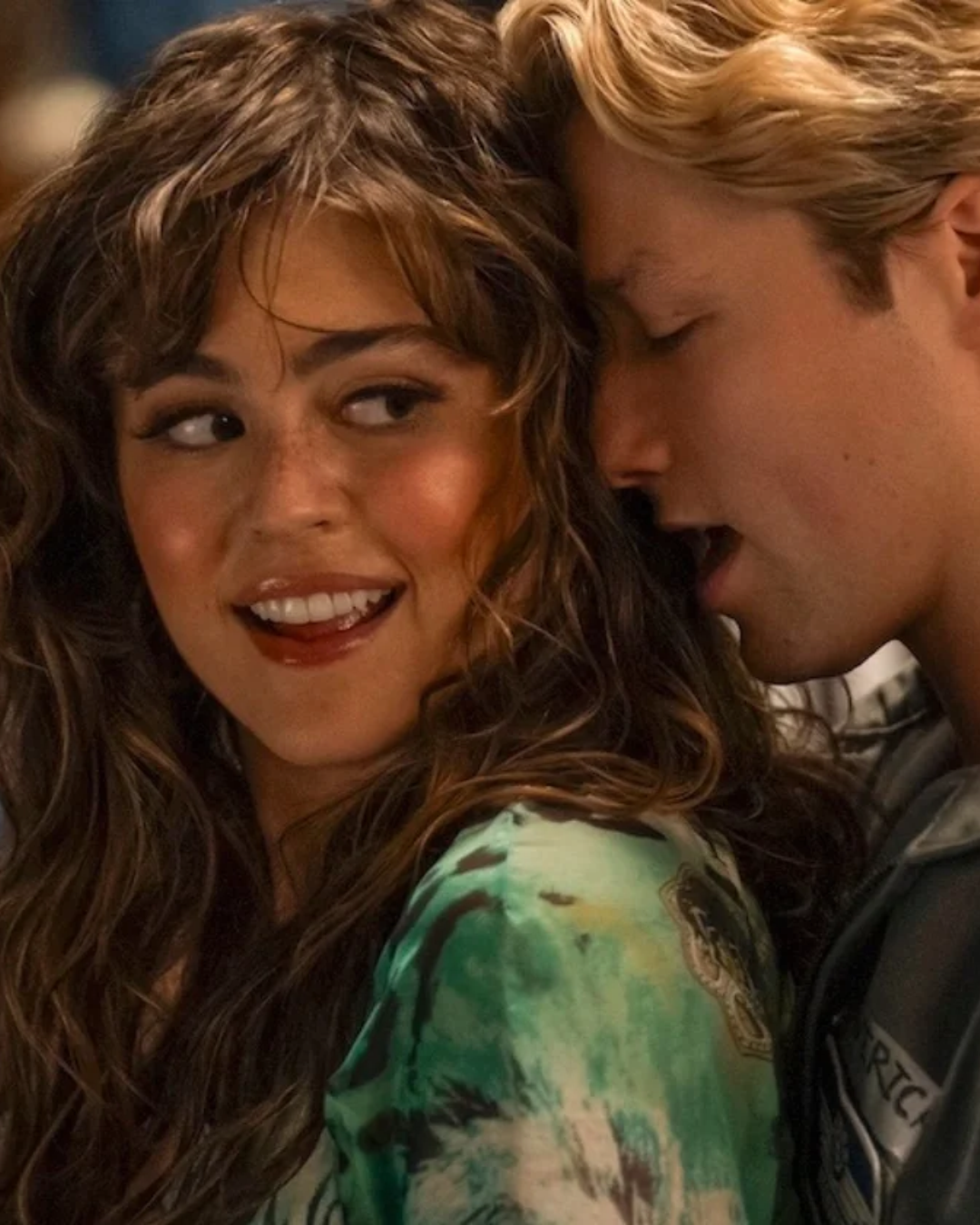
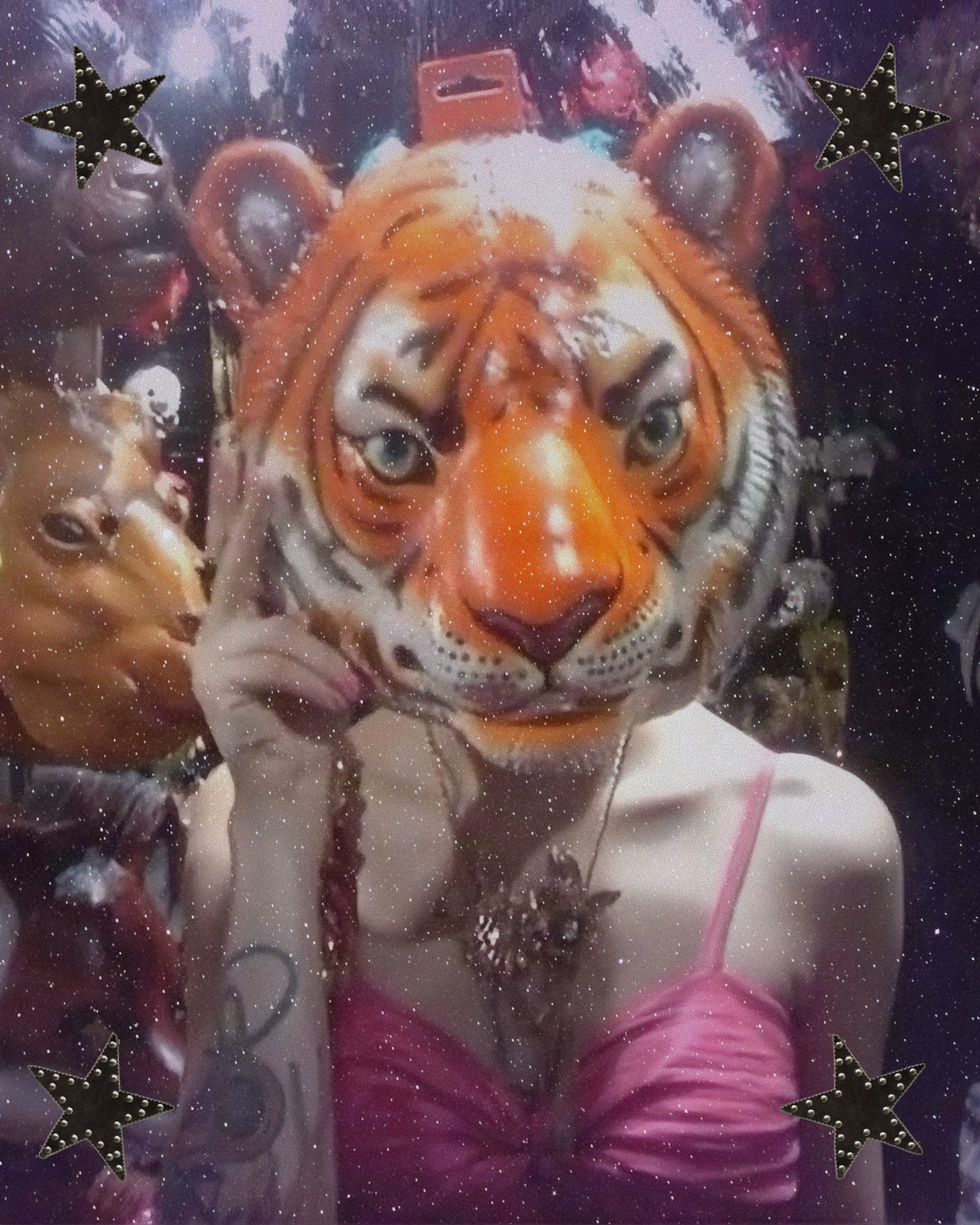

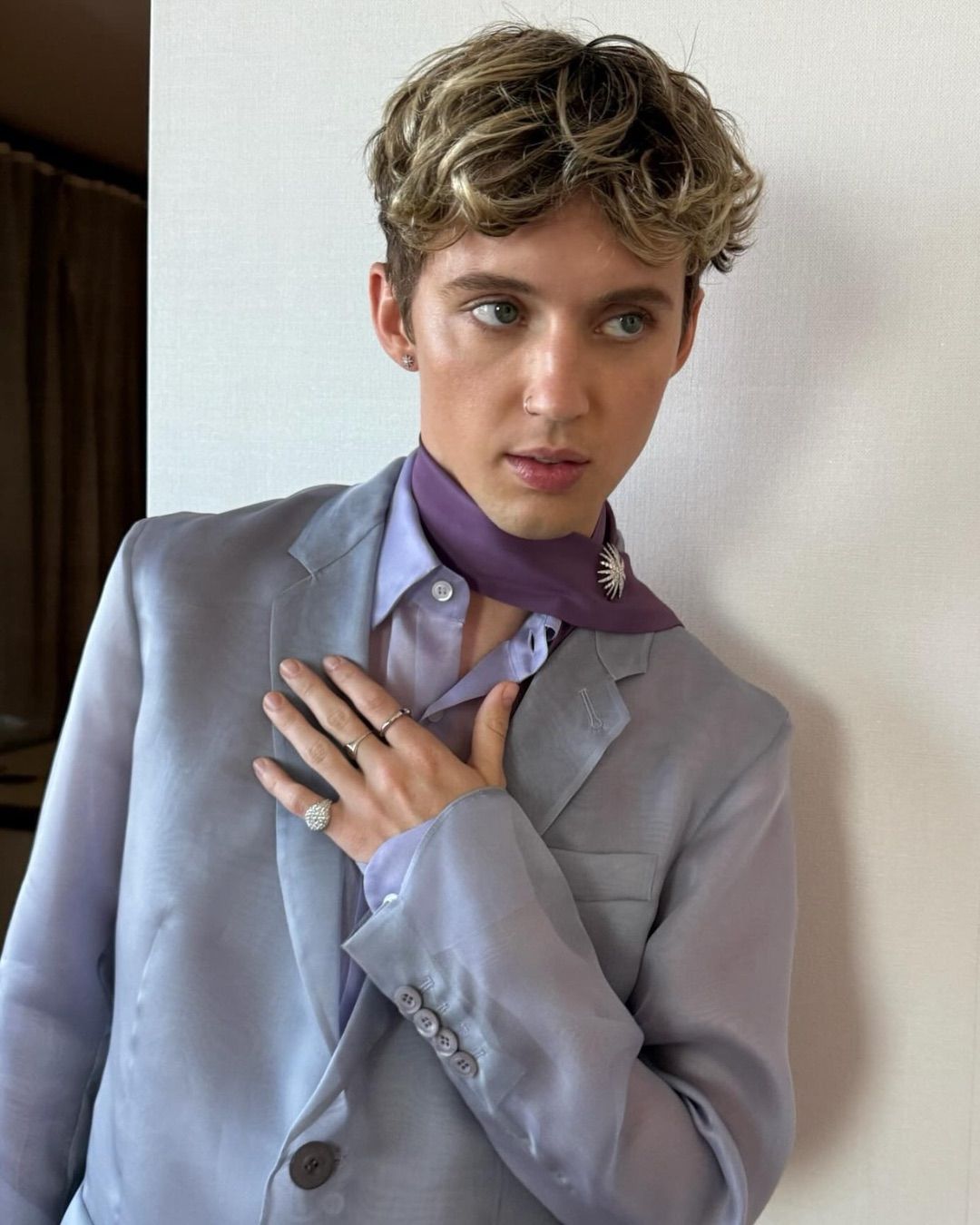
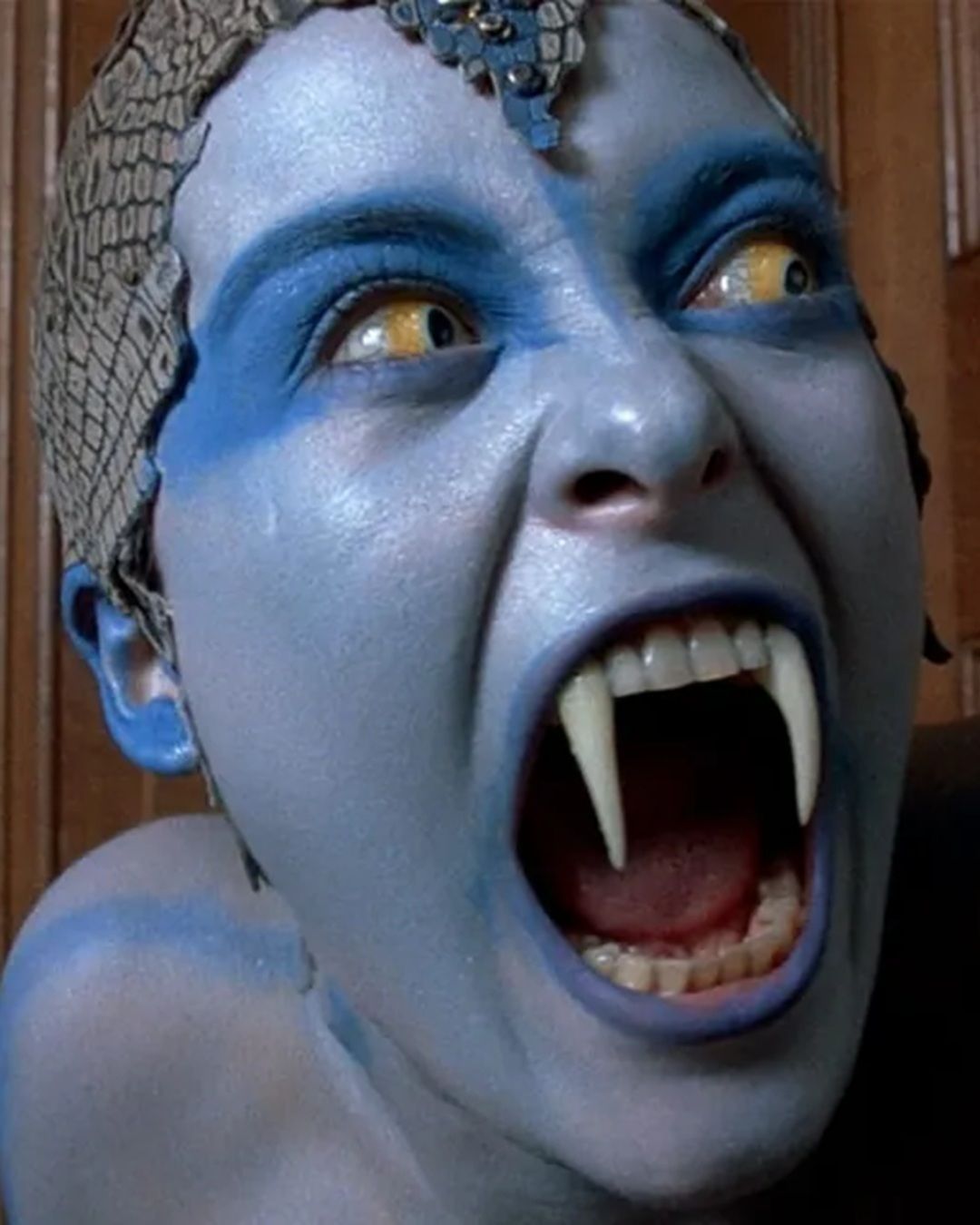




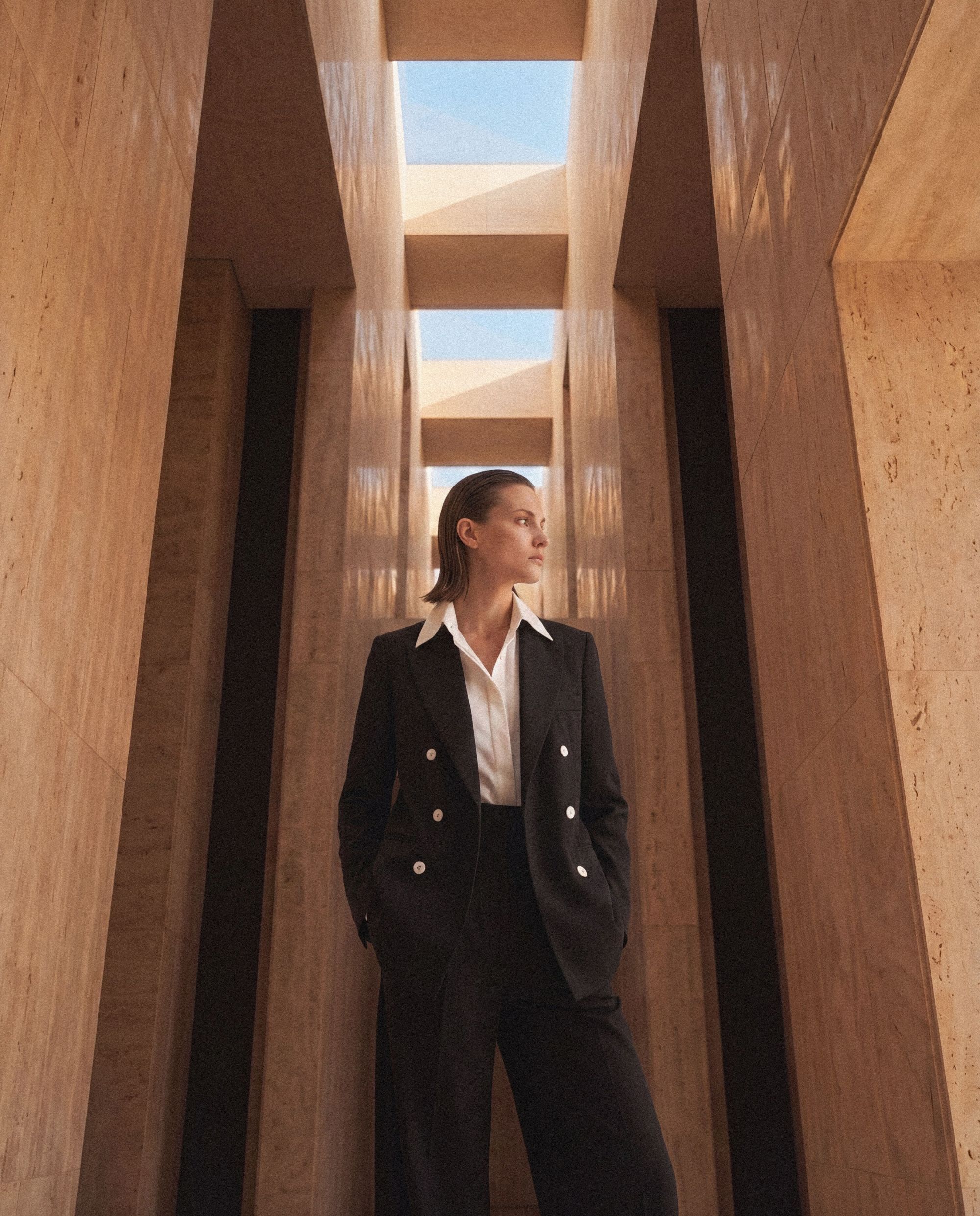
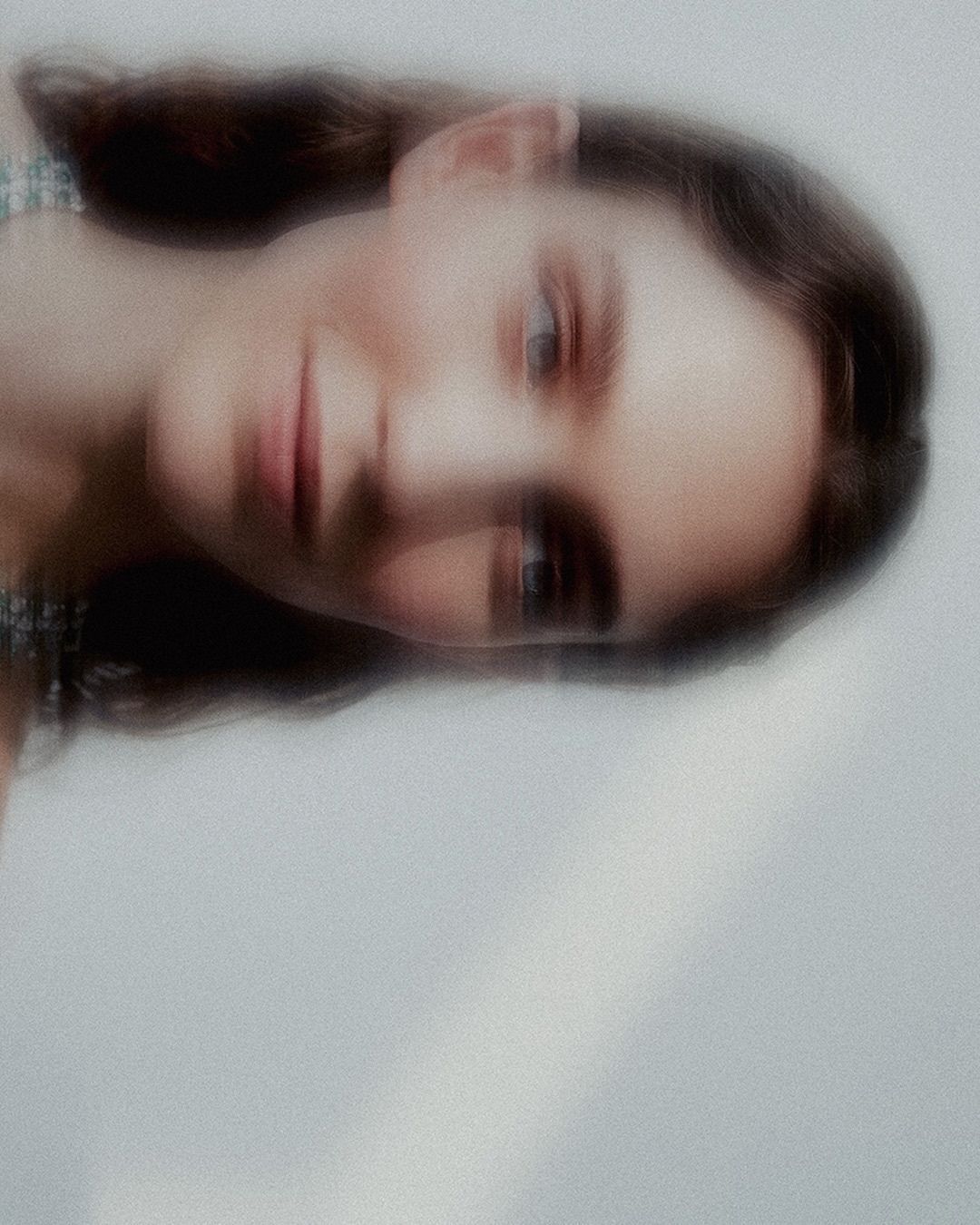
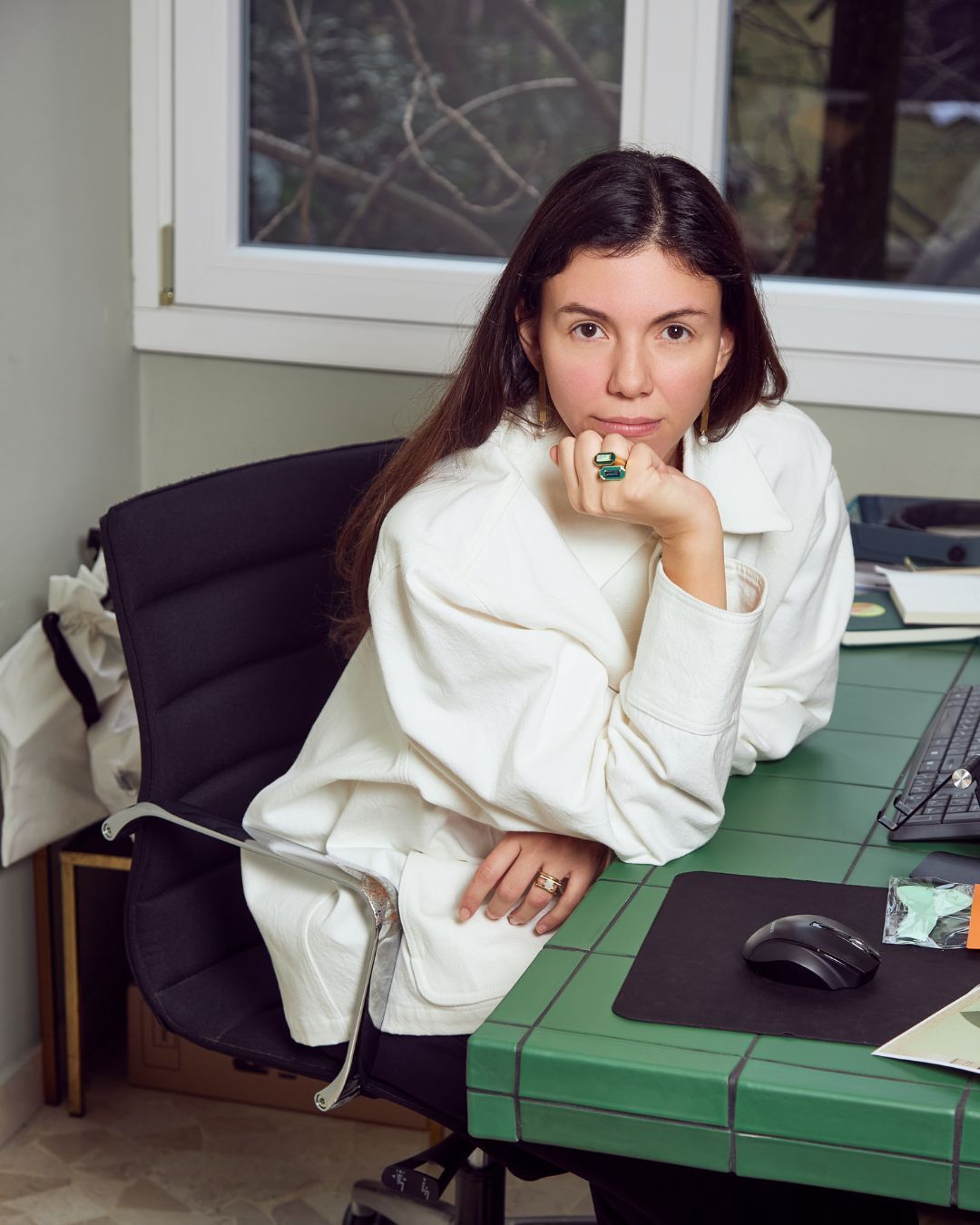

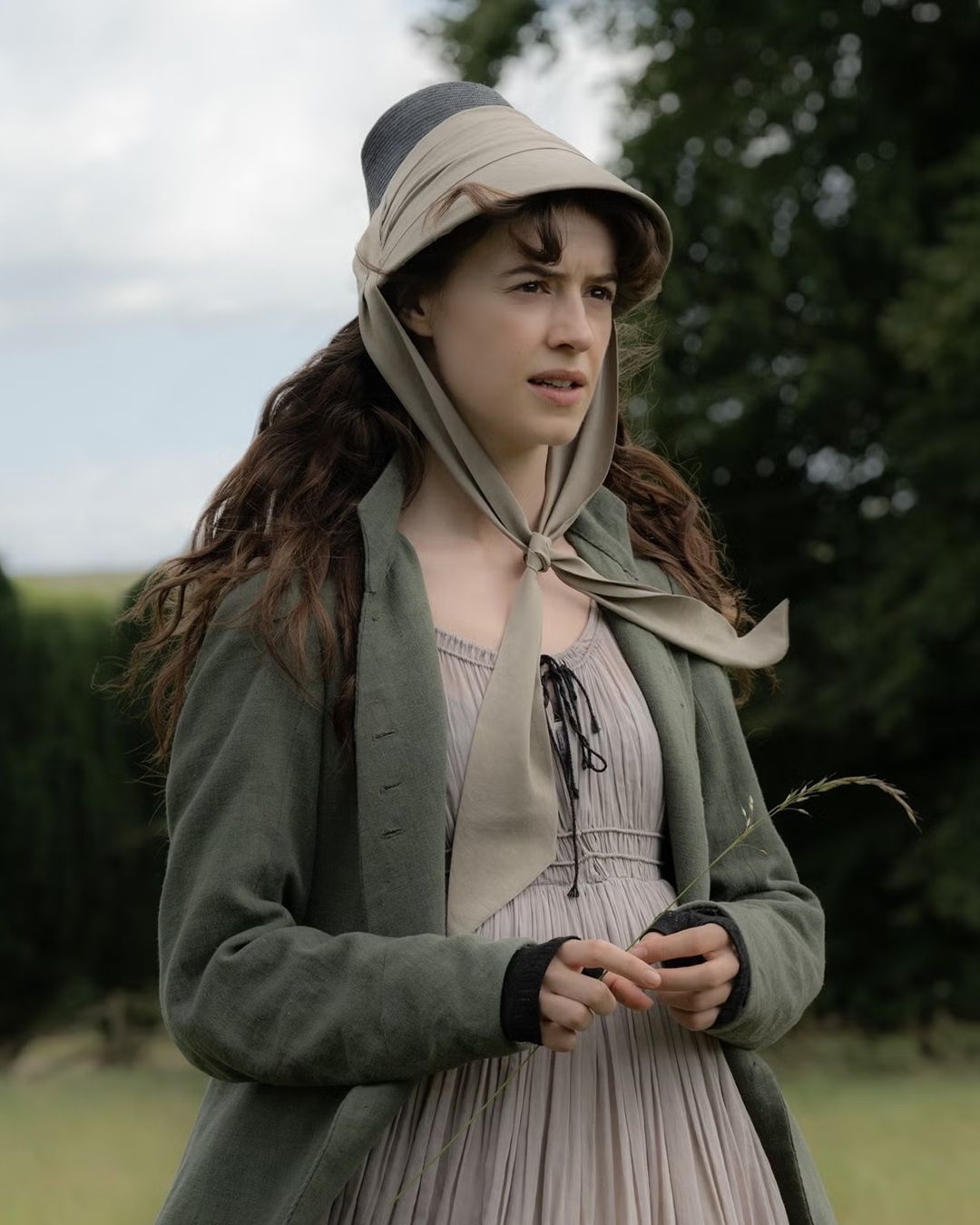
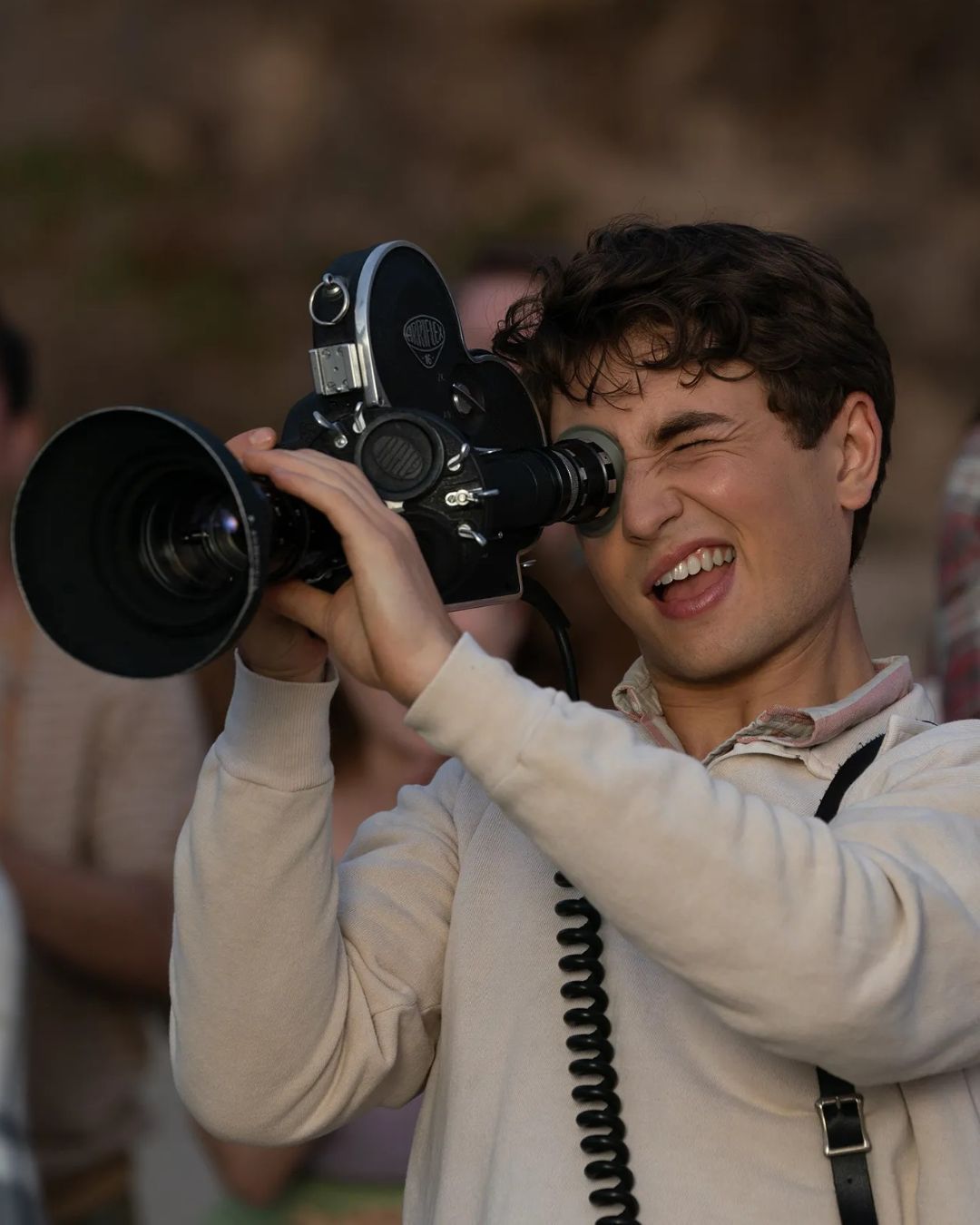
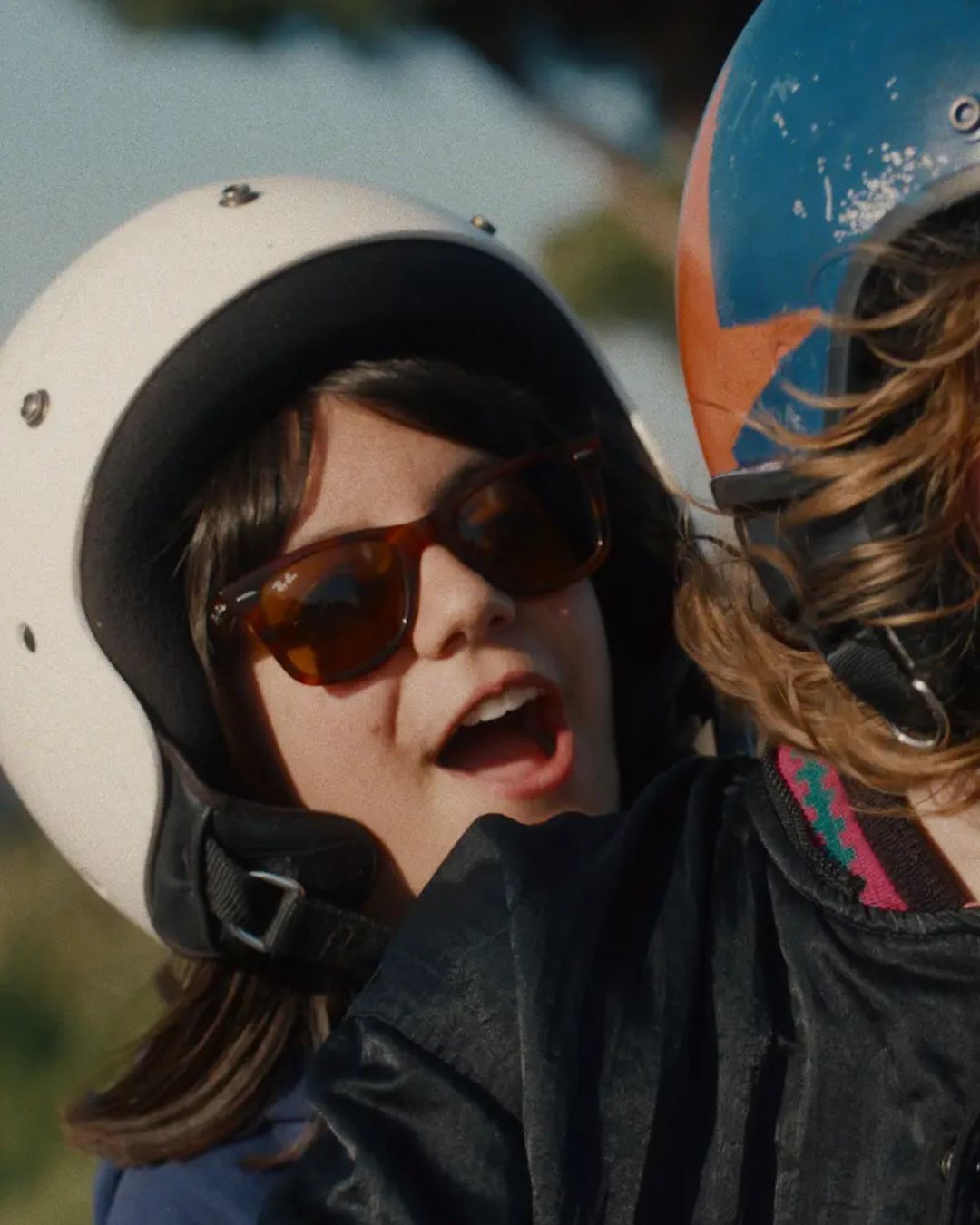
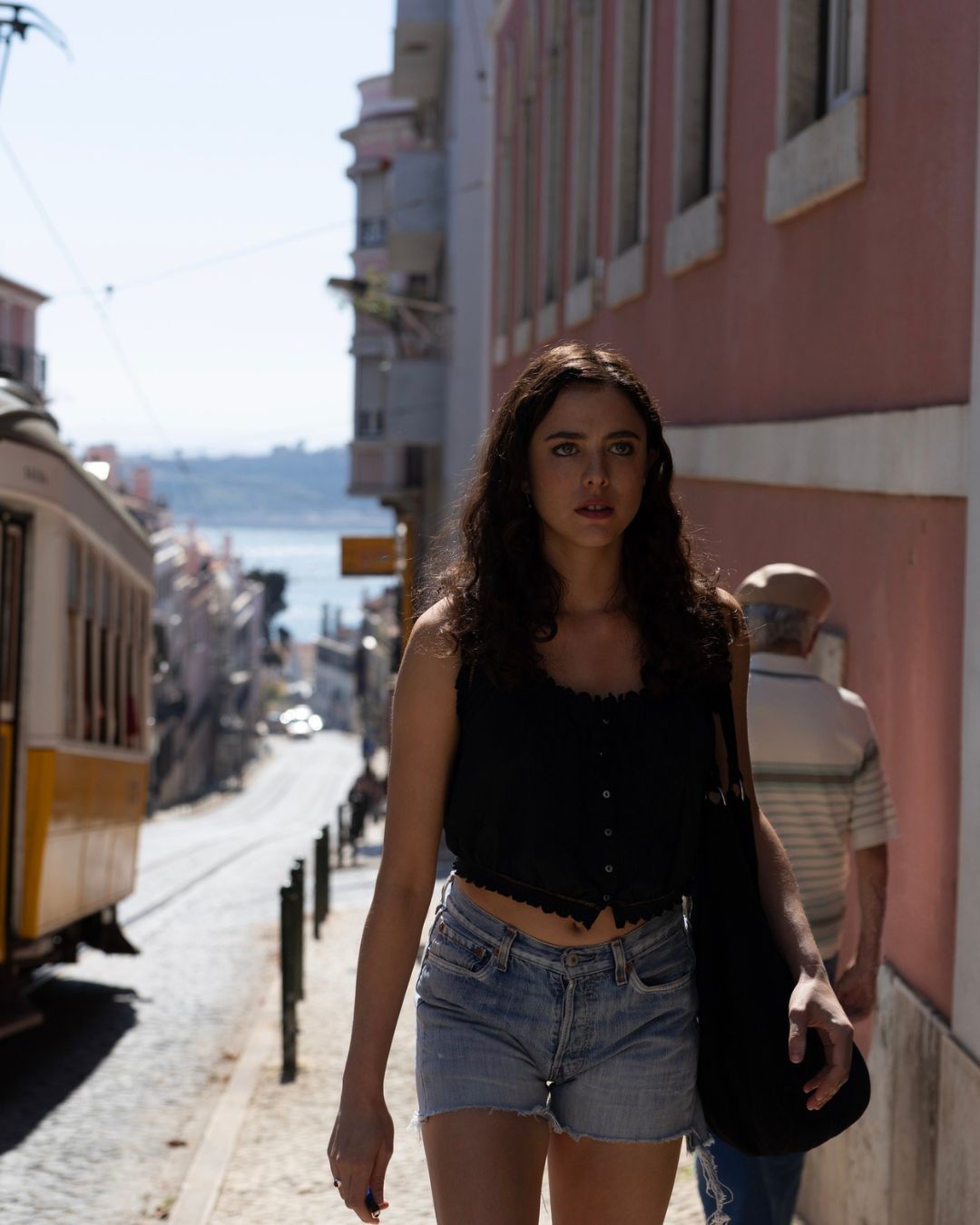

"This record is a secret spoken out loud" Interview with Roshelle, who returns with "Mangiami pure"
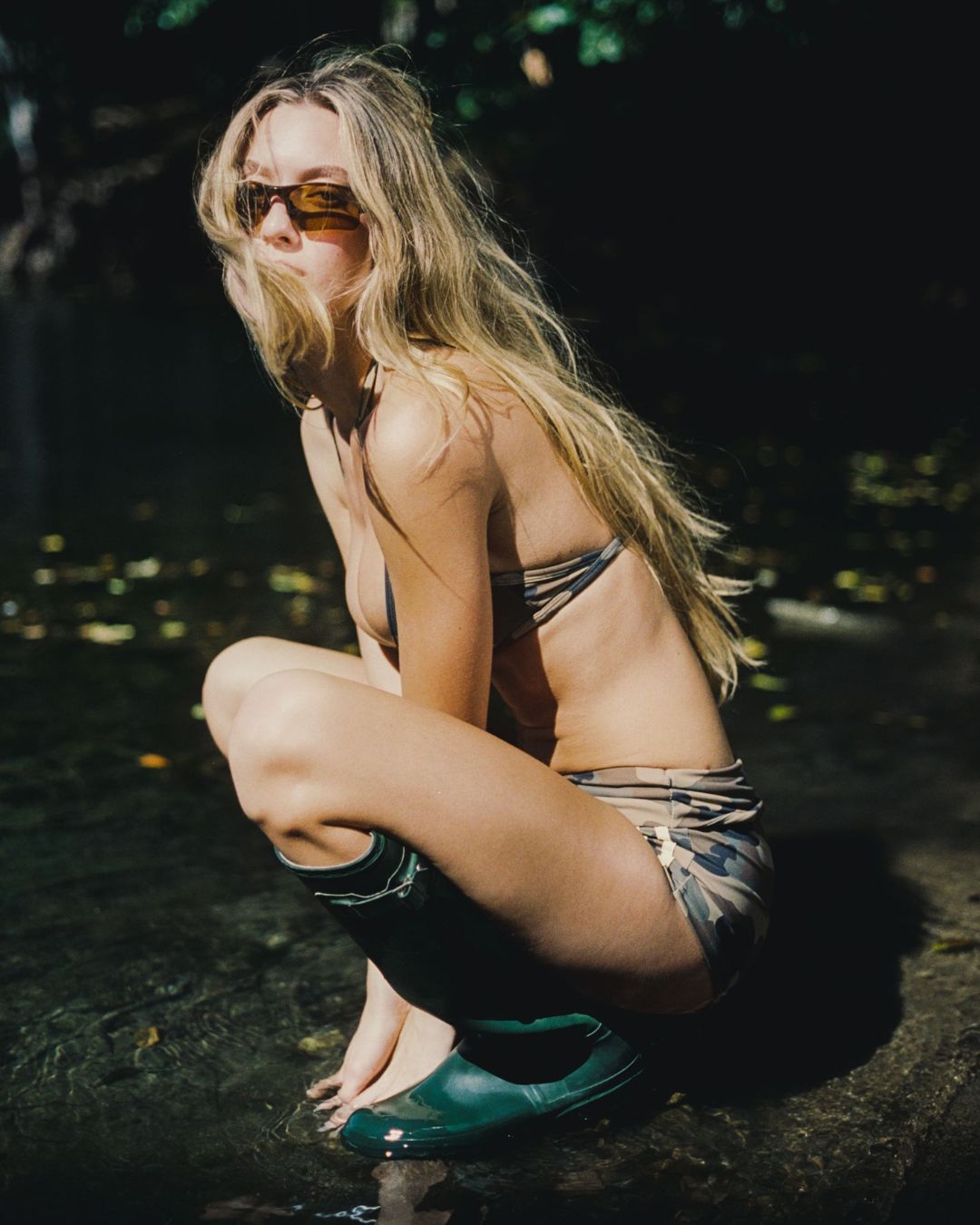
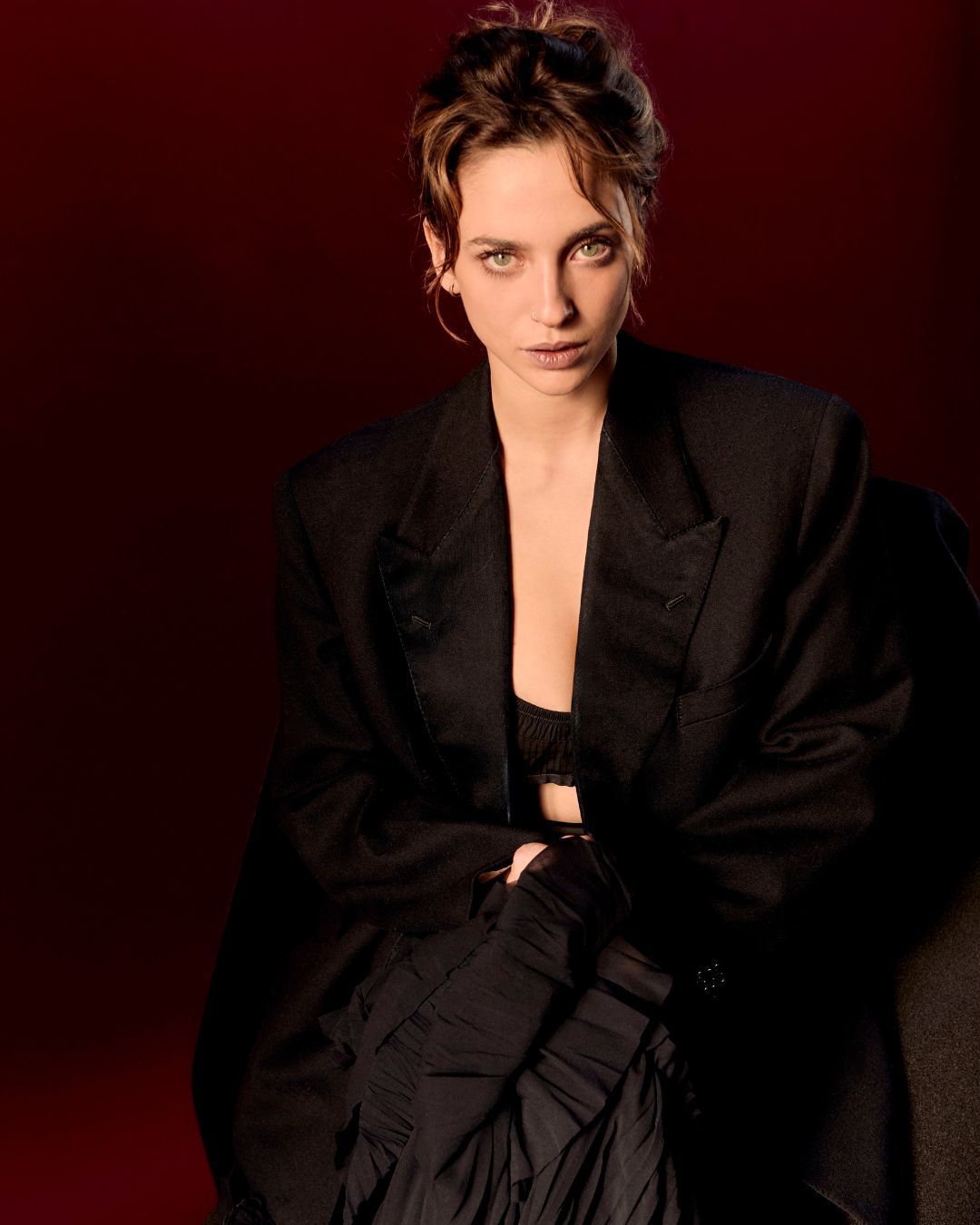
After her debut on X Factor and years shaped by change, experimentation, and self-discovery, Roshelle returns with Mangiami pure, an intimate and radical album where fragility, desire, and writing merge into a form that finally feels free and personal. We spoke with her about the origins of the project, pain as a creative material, and the freedom of fully following what calls to you.
Interview with Roshelle
Let’s start with the title: where does Mangiami pure come from, and what did you want to express with this album?
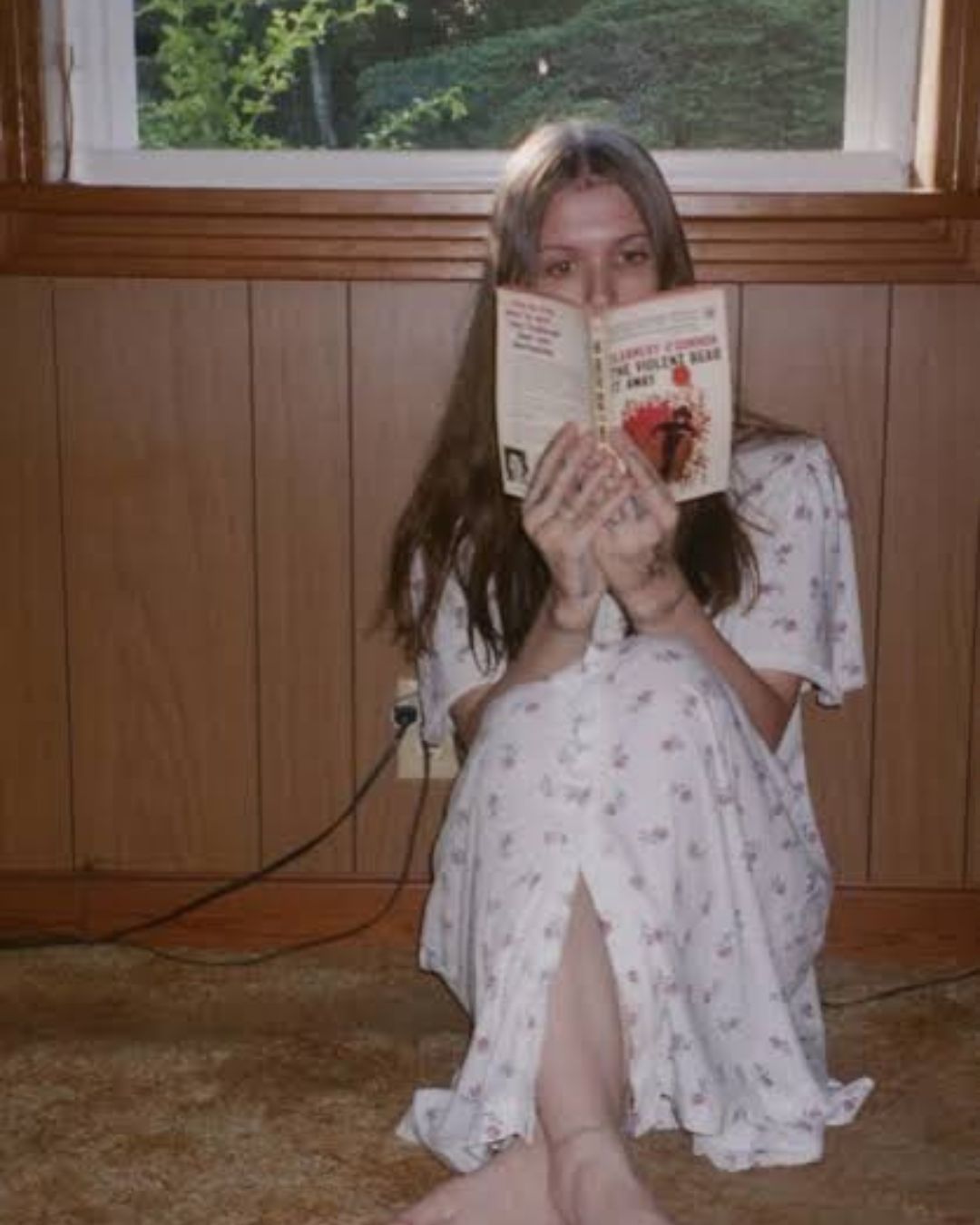
Mangiami pure is a provocation. It’s like saying to my passions: make fun of me, devour me, leave of me only what I’m able to create from what I experience. I have an almost obsessive tendency toward the things I love: reading, writing, singing, drawing. When something truly attracts me, I wish time would stop existing. I want to consume myself within that creative act. This album contains many personal reflections. Some tracks were born almost without a filter: diary pages brought to the microphone the day after living something. That’s why releasing it was also scary. It’s a very real record, at times even uncomfortable, like sharing a secret and leaving it in the hands of complete strangers. Growing up, though, I’ve increasingly felt the responsibility of sincerity. I’ve been nourished by the work of other artists, writers, directors, and those works gave me the courage to do my part, in my own way. I hope this album can do the same for someone else: inspire, move, spark something.
Samuele Giudice
Samuele Giudice
How does writing work for you? Has it changed over time?
Disorientation is definitely one of the starting points of these thoughts. When I say no place feels like home, it’s because my perception of myself is still that of a lone wolf: someone who might be looking for a pack, or maybe not looking for anything at all, just wandering under the moon. My writing process changes, but it often starts from my diary. Songs like Sott’acqua or Cigarette were born this way: almost without editing, without worrying about fitting into a structure. When something really hits me, it can already become a song the next day.
Speaking of powerful tracks, what’s the story behind Limbo?
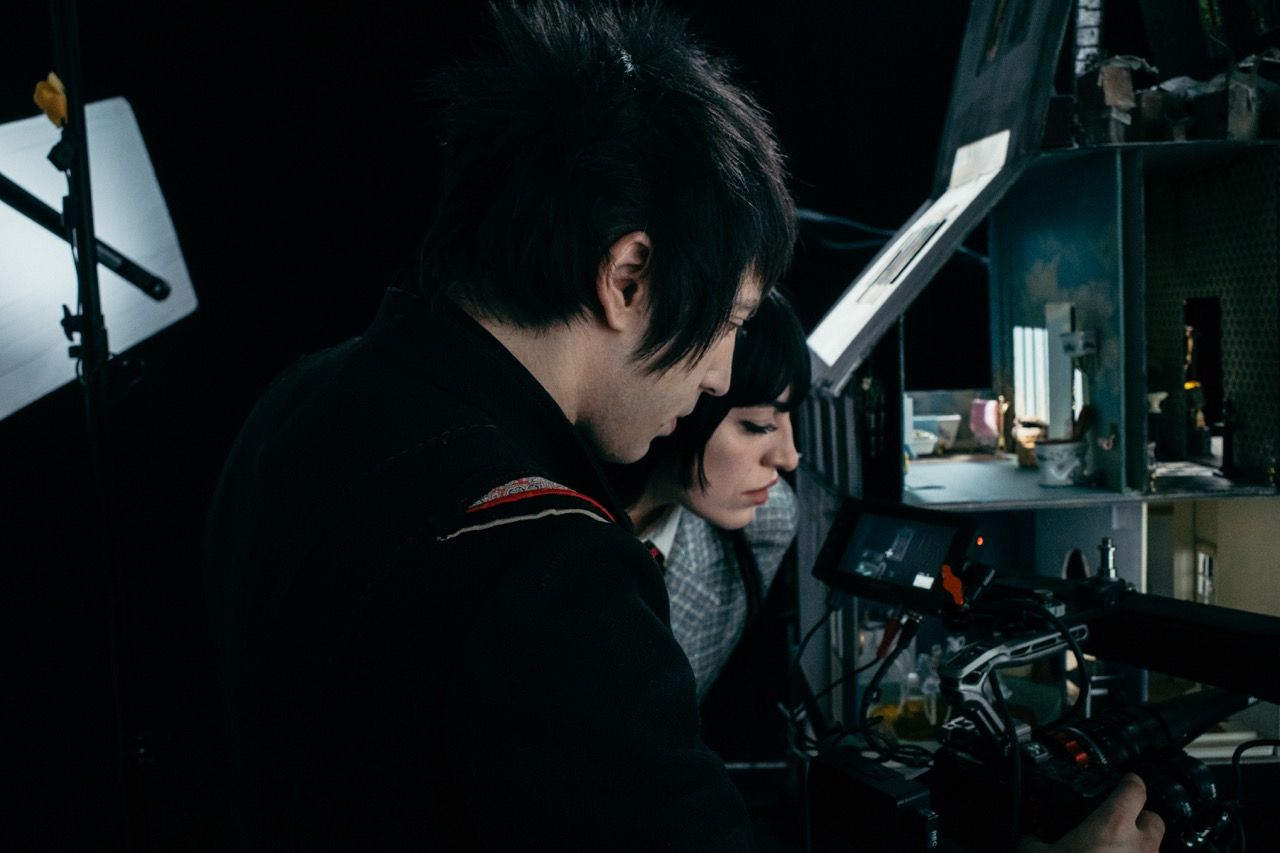
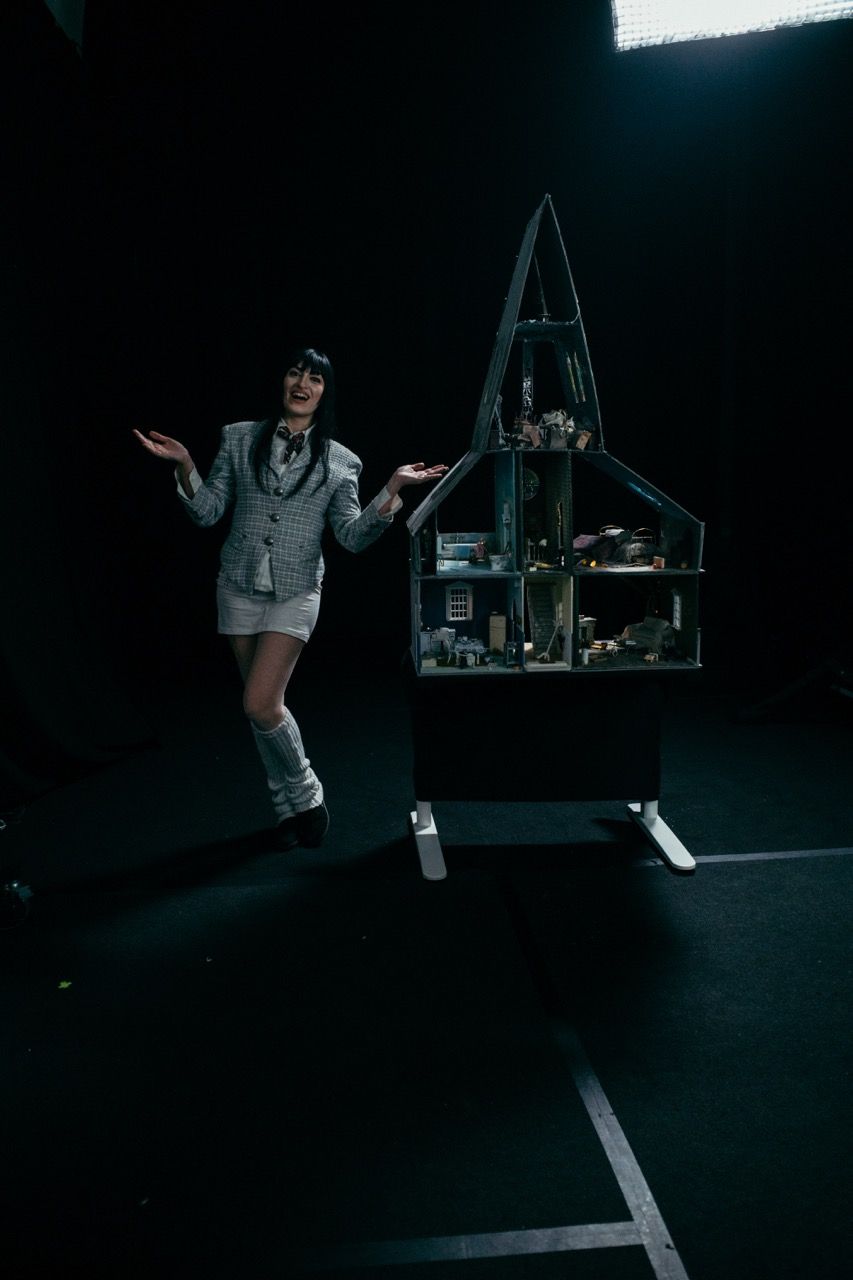
Limbo is a particular song because I sing it from a man’s point of view. It’s a story told to me by someone very close to me, who was going through it and suffering deeply. I empathized with him from multiple angles: on one hand because I believe I’ve also been, at times, the one causing pain; on the other because I feel I have a strong masculine component within me that I like to honor. I even have a male alter ego I’ve been drawing for years. It wasn’t difficult to step into that voice. It’s one of those songs that came immediately, the very next day. In the studio there was Pier Pasini on piano and, as sometimes happens, there was no need to explain much: the feeling was already there, in the air. We just had to listen to it and bring it down to earth.
Samuele Giudice
Samuele Giudice
You disappeared from the radar for a while. Many were waiting for you, but you were clearly going through a journey. How did you experience those years of searching?
I simply followed what attracted me the most. A film would lead me to a book, a book to a concept, a concept to a song. It was all a natural chain reaction. During that time of silence, I felt like I was searching, and when you’re searching, you also feel very insecure. I didn’t put myself out there until I felt that the evolution I was going through had reached a certain solidity. Before, I was in between; now I feel pride and joy. After a long time spent experimenting, observing, reading, watching films, listening to music, and even exploring clothing, I had the feeling of stepping into a new room, into a different light.
In this journey, your collaboration with Tommaso Ottomano, the project’s artistic director, was also important. How was that?
It was a very stimulating exchange. Tommaso is an artist I admire a lot, and we had beautiful conversations. He opened my eyes to other artists, visions, and different ways of conceiving music. It’s as if he added seasoning to something that was already mine, but that I struggled to fully see on my own. He brought out a part of me, making it more elegant, more ethereal, more magical. In this album there are sonic and visual atmospheres that, to me, have the immersive power of cinema. It was an important encounter, and I hope this dialogue can continue in the future.
The album is almost entirely in Italian, but at some point English appears too. Why?
Because it came out that way. I never hold myself back when it comes to language, I don’t impose rules on myself. Fever, for example, was born with Oscar, a guy I explored music with a lot. He lives in Italy but has a natural relationship with multiple languages, and that song already had that form. I added my own vision because I felt it was tragically comic and very close to what I was experiencing. Even in Cigarette there’s a part in English that comes from that same exchange. Sometimes a phrase works precisely because it’s in that language, and translating it would weaken it. For me, there’s no rigid method: there’s only the need not to limit myself and to honor what wants to come out.
Then there’s Due passi nel blu della luna, which you left in a very raw form, almost like a track captured in its first breath. It’s a very bold choice. Why did you decide not to change it?
Because that song was the result of an unrepeatable kind of magic. It was born on a very particular night. I was with Luca Faraone, who has a special ability in my eyes: when he plays, he awakens something. That night I was overwhelmed with emotions, trying to fill a void that no one in that room could truly fill. At a certain point I locked myself in the bathroom, fully dressed, inside an empty bathtub, and wrote the entire text. Then, at four in the morning, Emanuele Nazzaro arrived; there was a double bass on the floor, Luca wrote a few notes on a sheet of paper, and the three of us found ourselves honoring that moment. The voice note you hear is exactly a snapshot of that night. I could have re-recorded it better, maybe, but not with the same feeling. And for me, that was the point: to preserve the origin.
Is there any advice you’d give to someone approaching music and the music industry today?
I’d say: be as selfish as possible about what you want to say. You have to tell your truth, your story, without trying to be immediately understandable at all costs. That’s a very limiting filter. If the desire is to find the right words to be more precise, then it’s a beautiful journey. But if your starting point is “people won’t understand this,” then you risk betraying your own voice. Everyone has a unique vocabulary, a unique way of naming the world. And maybe the most important work is building that vocabulary.
Last question, unavoidable: it’s not Friday night, but I have to ask anyway. Who do you love tonight?
I love the patience people have had in waiting for me. I feel very grateful, because after so much time I still receive messages from people telling me they’re happy to wait for me. It’s not something to take for granted at all. On the contrary, it makes me proud. Even without really knowing me, some people have understood so much about me—it surprises me.
What to read next
Vanilla fragrances are here to stay
Despite everything, they are still the number one choice among female consumers
Liu Jo presents “The Gigi Hadid Edit”
The project that transforms selection into an identity gesture