










What colors will we be wearing this fall? From the new olive green to off-season fuchsia, the Autumn/Winter 2026 palette is less predictable than usual
With the days getting shorter and the temperatures finally dropping, we are ready to dust off our autumn wardrobe and, perhaps, to make some new purchases. But let's forget the usual gray and brown scale palette: according to Pantone, in the coming months we will also see teal, mauve pink, yellow and even fuchsia. The ten colors selected by thePantone Color Institute for Fall/Winter 2026 oscillate between shades that are easy to insert into the wardrobe and decidedly more vivid accents. Some take up the legacy of the trends of recent seasons, others seem to come directly from the summer wardrobe: here are the ones to know and how to combine them.
The new neutral colors for fall 2026: Muted Clay and Burnt Olive
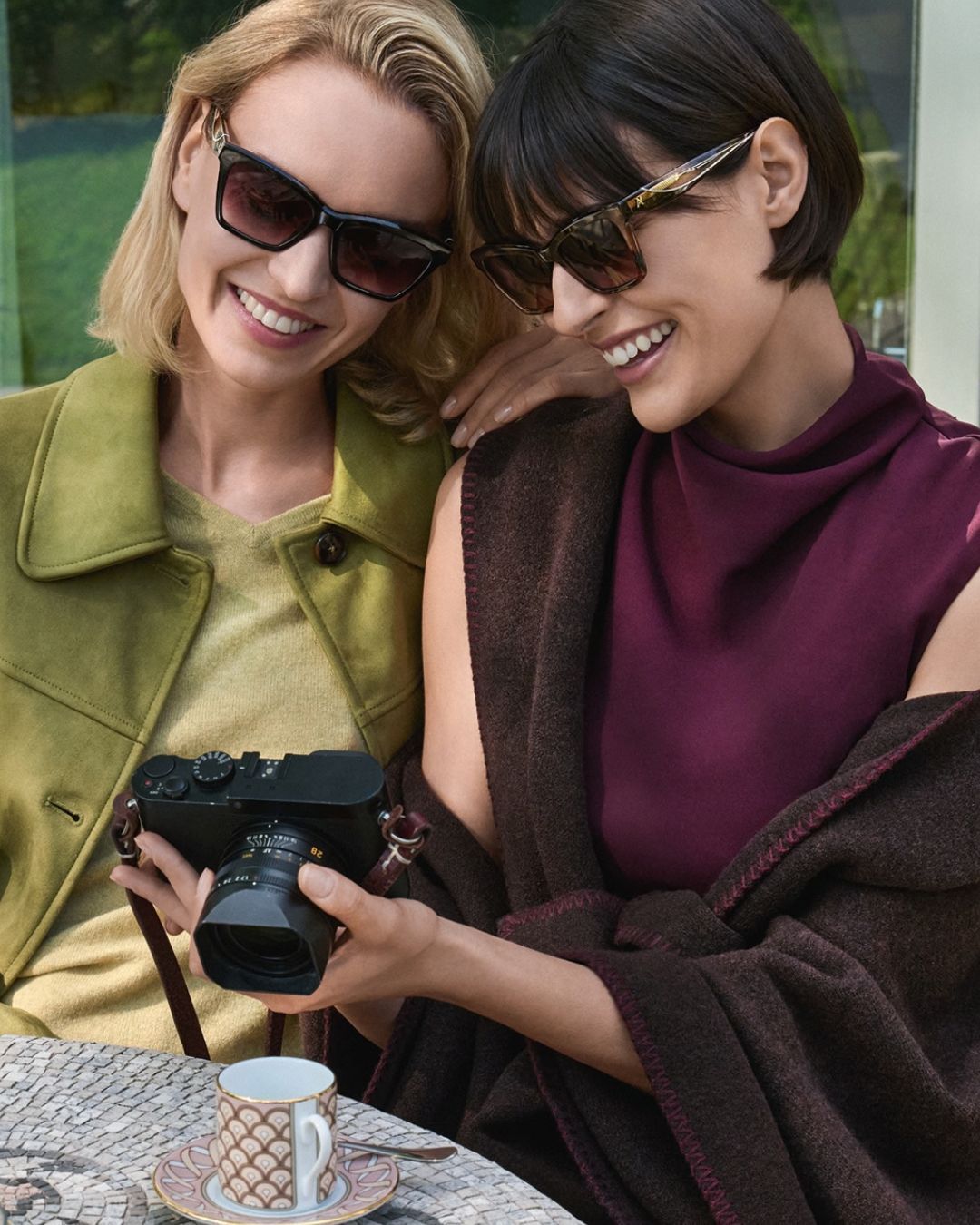
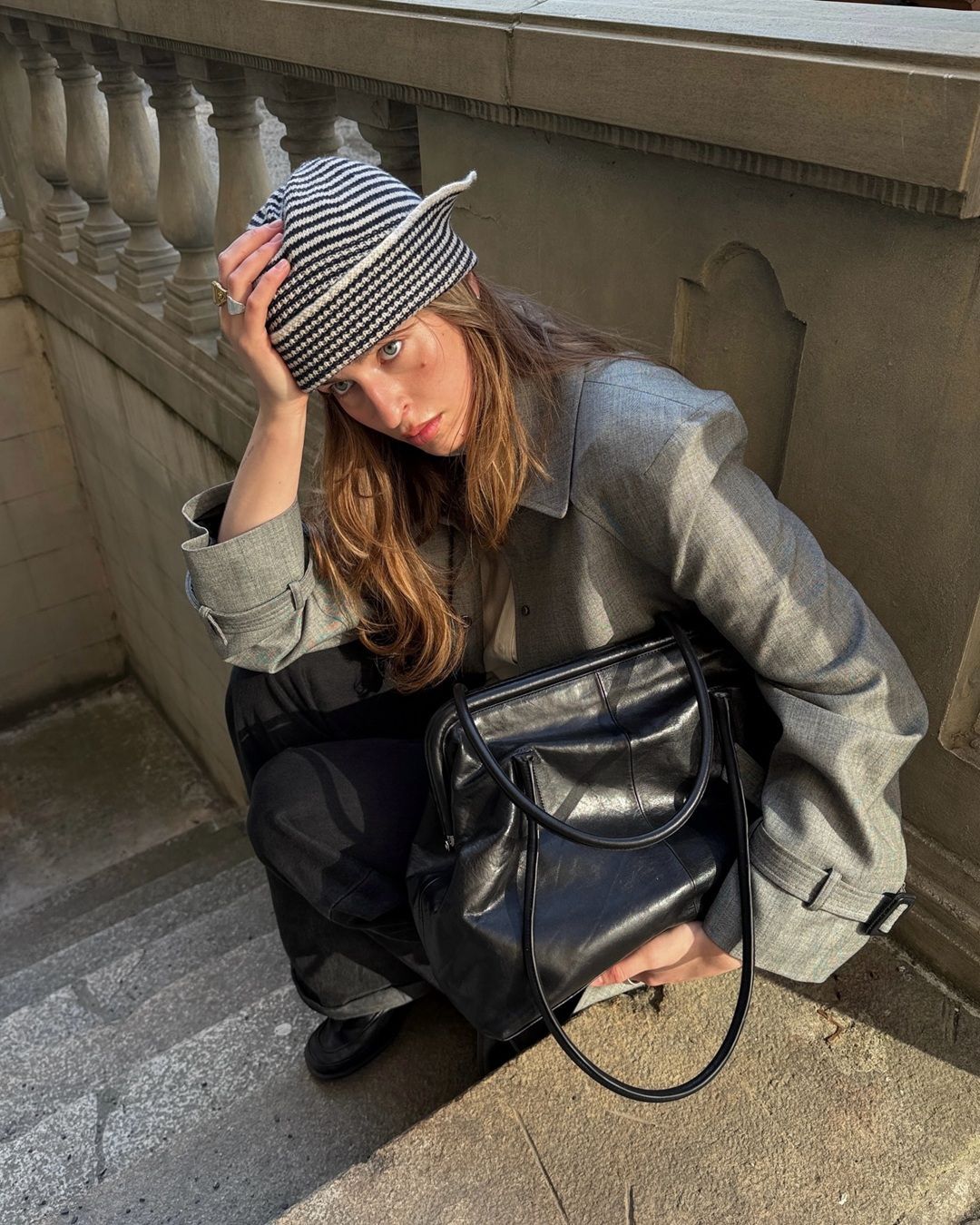
Some might argue that neutral colors tend to be boring and flat, but this fall's trends are ready to disprove it. Muted Clay is a clay and dusty pink, ideal for knitwear, suede jackets and suits: it can replace camel in tone-on-tone looks or accompany chocolate brown, olive green and dark red. Burnt Olive, on the other hand, is aimed at those who, in front of a colorful wardrobe, instinctively continue to choose gray. It's a deep, cool, sophisticated green that works especially well on tailored suits, coats, and pants. Combined with black, it remains sober, while combined with purple or baby blue, it reveals a less austere side.
Already seen, but with a twist: Red Mahogany, Green Envy and Acacia
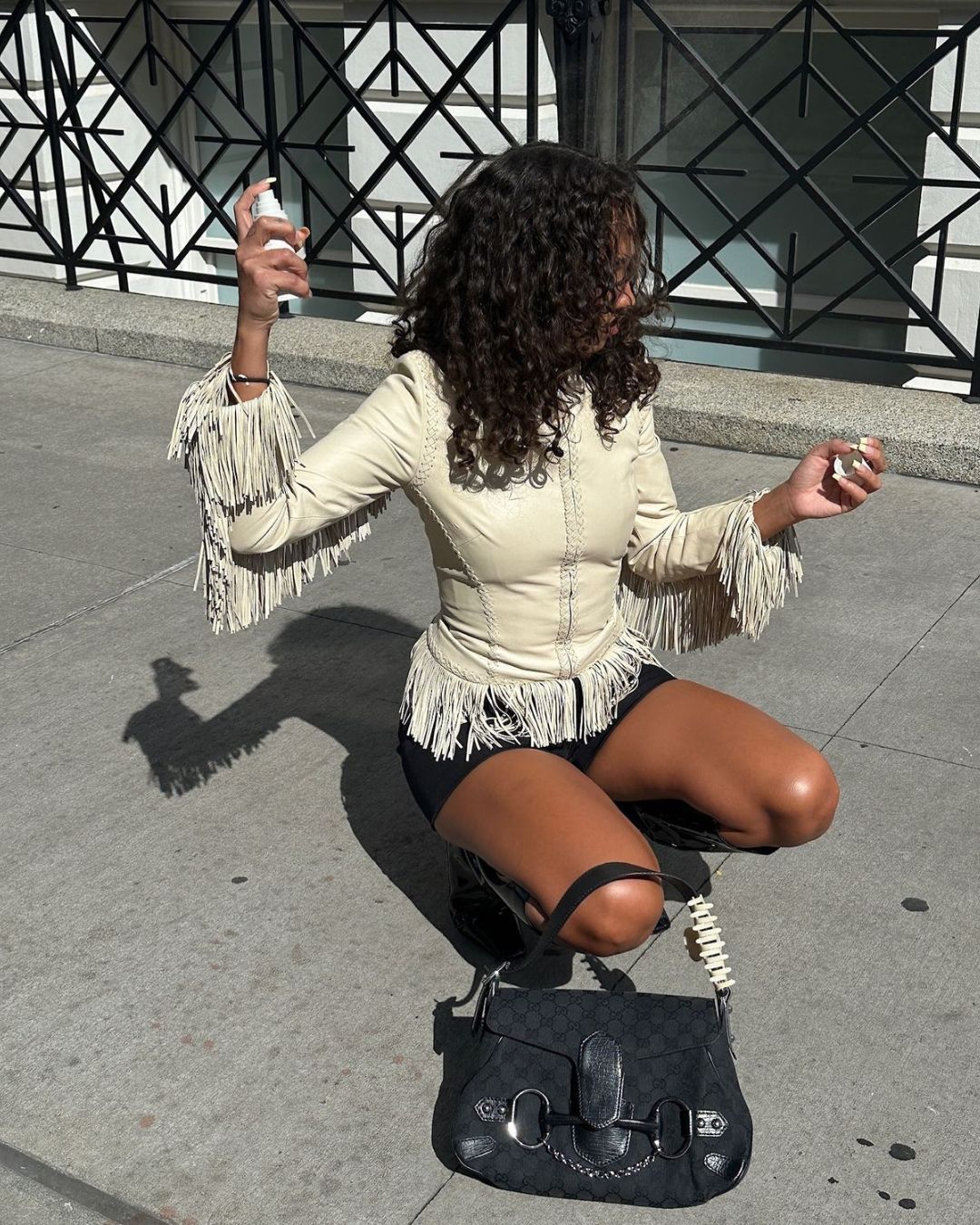
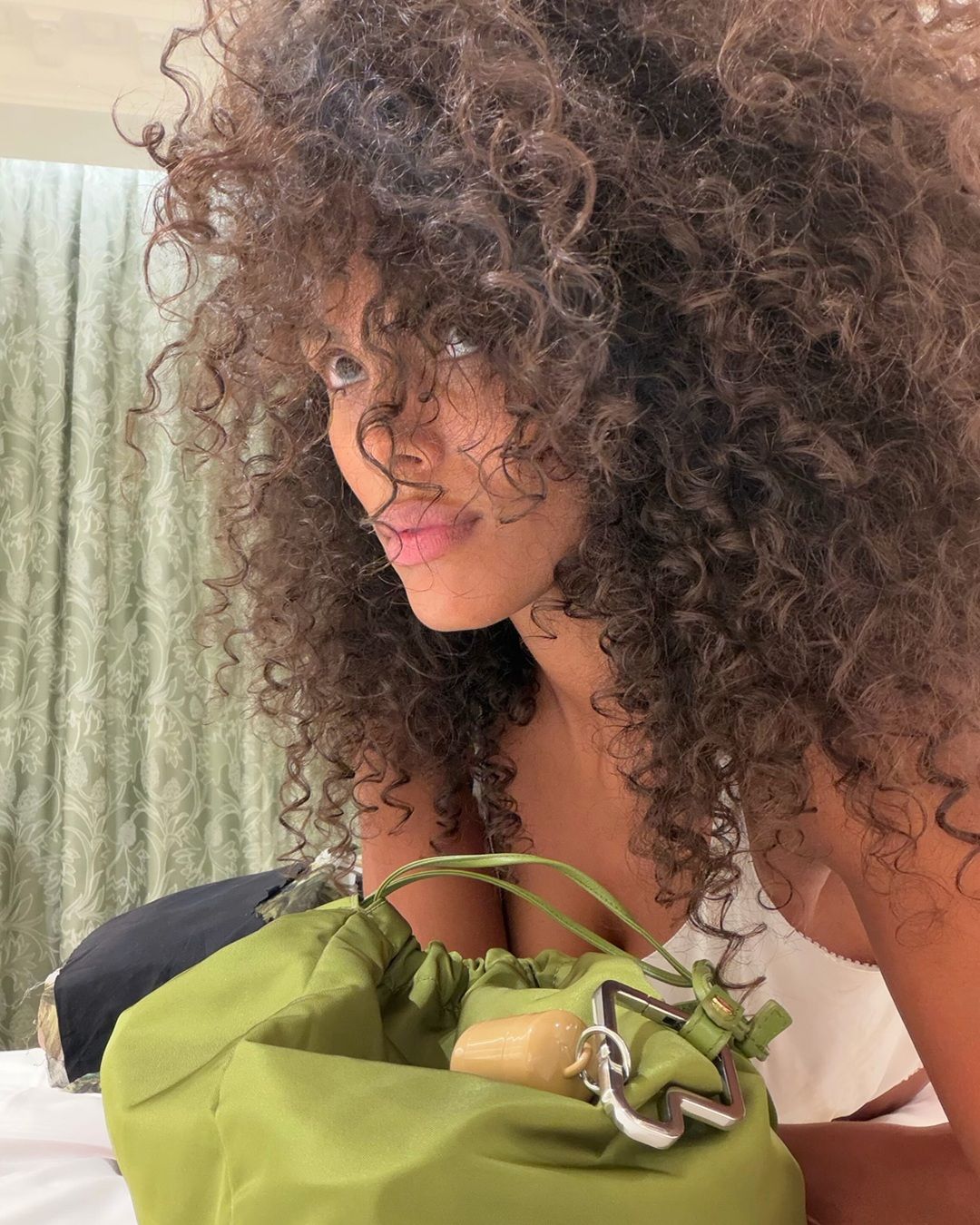
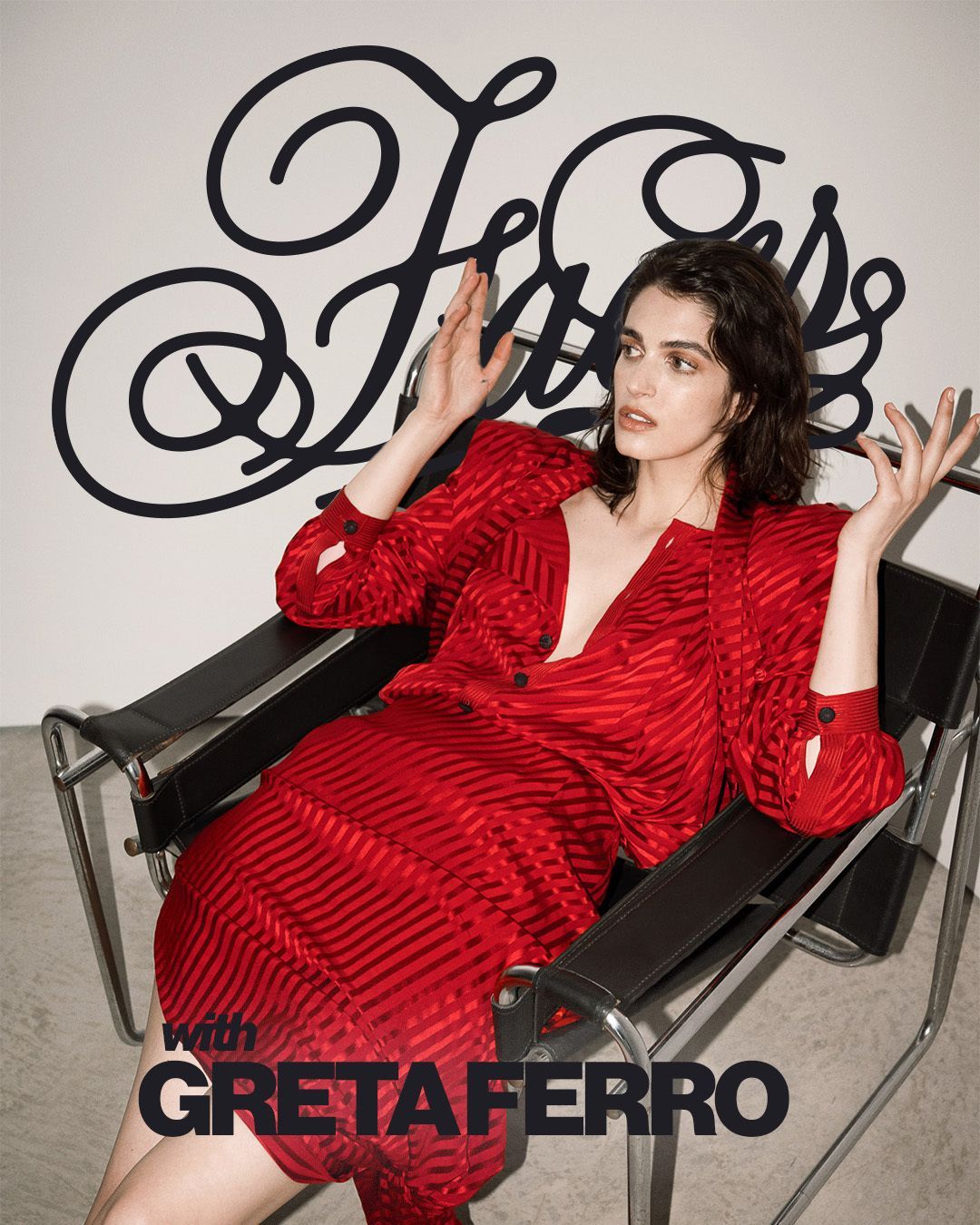
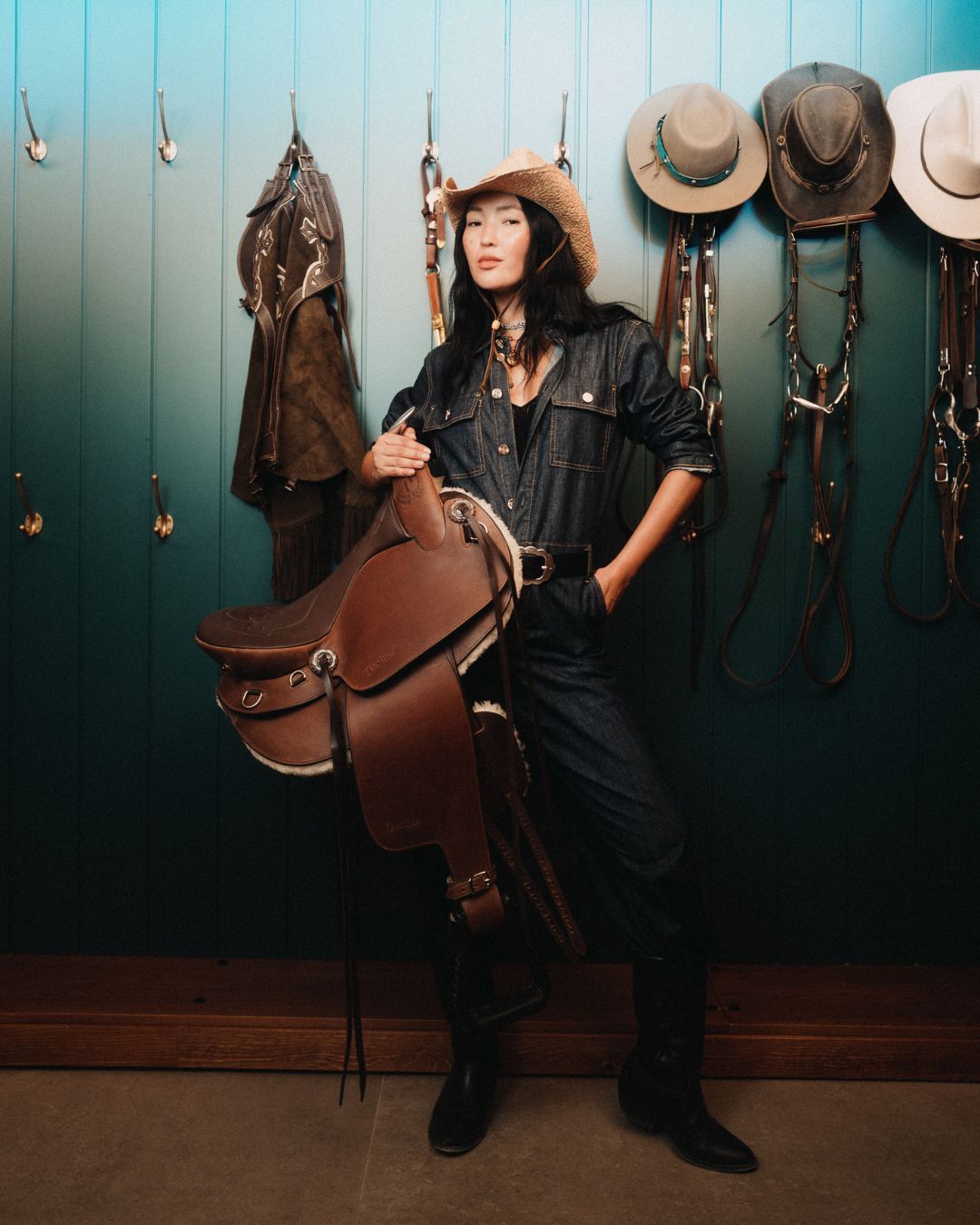
Not all the colors of the new season will be completely unknown to us. Red Mahogany is the darkest and warmest evolution of Burgundy, the protagonist of our wardrobes for at least three autumns now. It is located halfway between red, brown and wine and retains all the versatility of its predecessor: it can be worn from head to toe or used on leather bags, shoes and jackets, like the one seen in the 7 For All Mankind fashion show. The difference is subtle, but sufficient to make it more intense and less predictable. Olive green is also updated: Green Envy retains its earthy component, but moves towards yellow and chartreuse, becoming brighter. It is the livelier of the two greens proposed by Pantone and also the one that requires a little more courage: on the F/W 2026 catwalks we have seen it in a total look version, but in everyday life a cardigan or an accessory may be enough. Finally, Acacia collects the heritage of the butter color, abandoning its pastel delicacy for a more intense, warm and slightly acidic shade. Butter yellow had us used to ethereal, spring-like looks; Acacia is more decisive and lends itself better to contrasting with brown, dark blue and pastel pink. It stays bright, but it will hardly go unnoticed.
The summer colors that we will also wear in autumn: Neptune Green, All Aboard and Festival Fuchsia
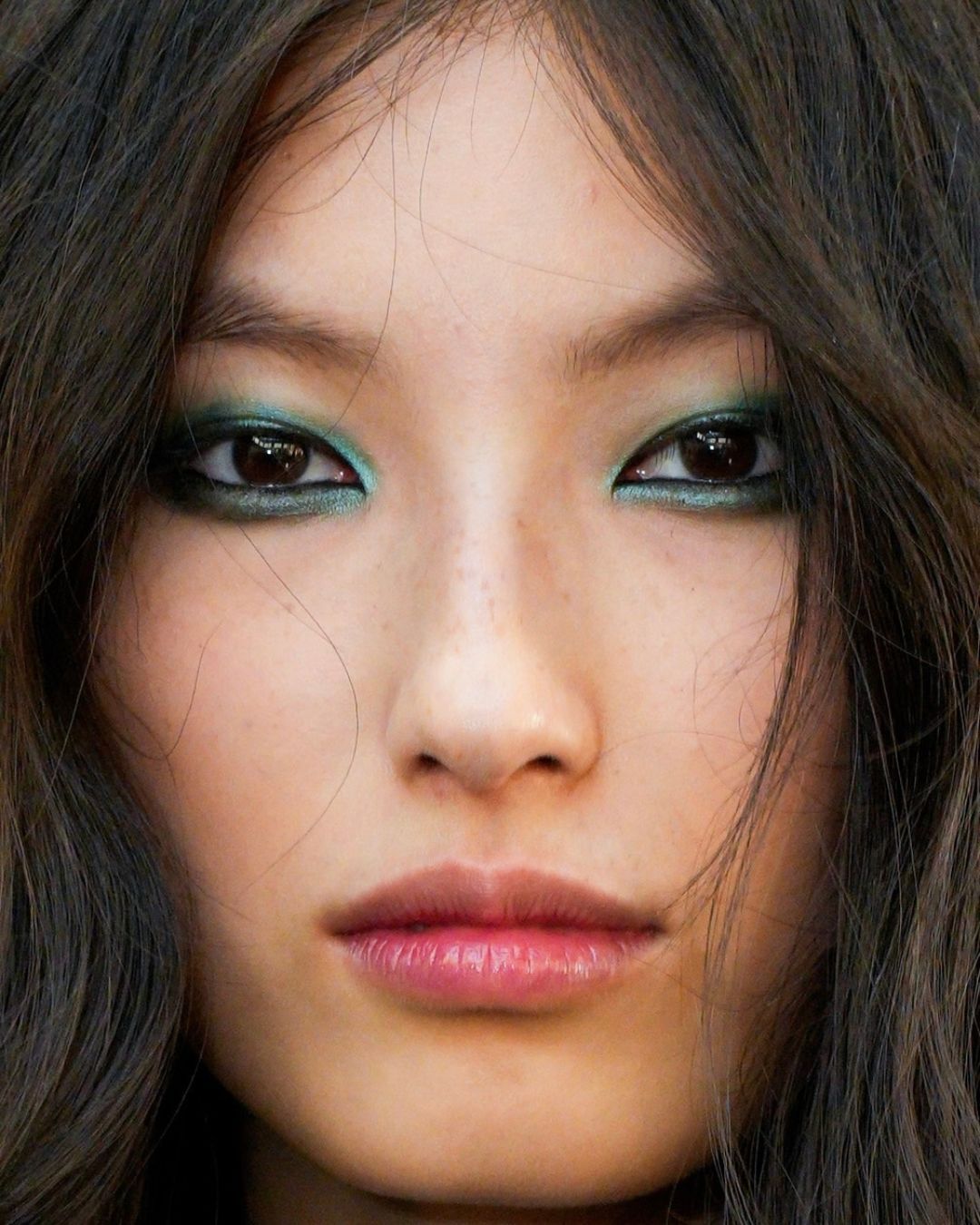
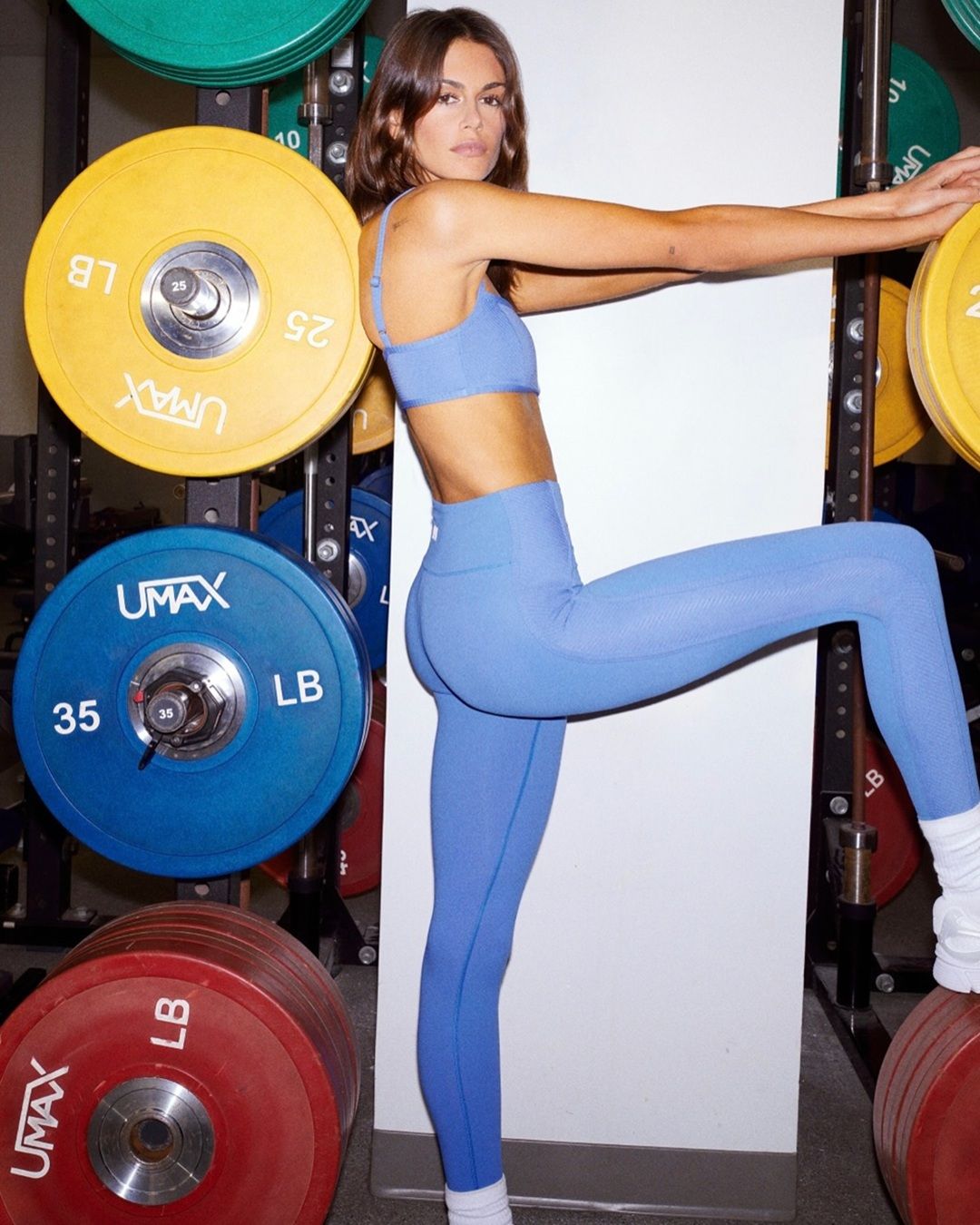
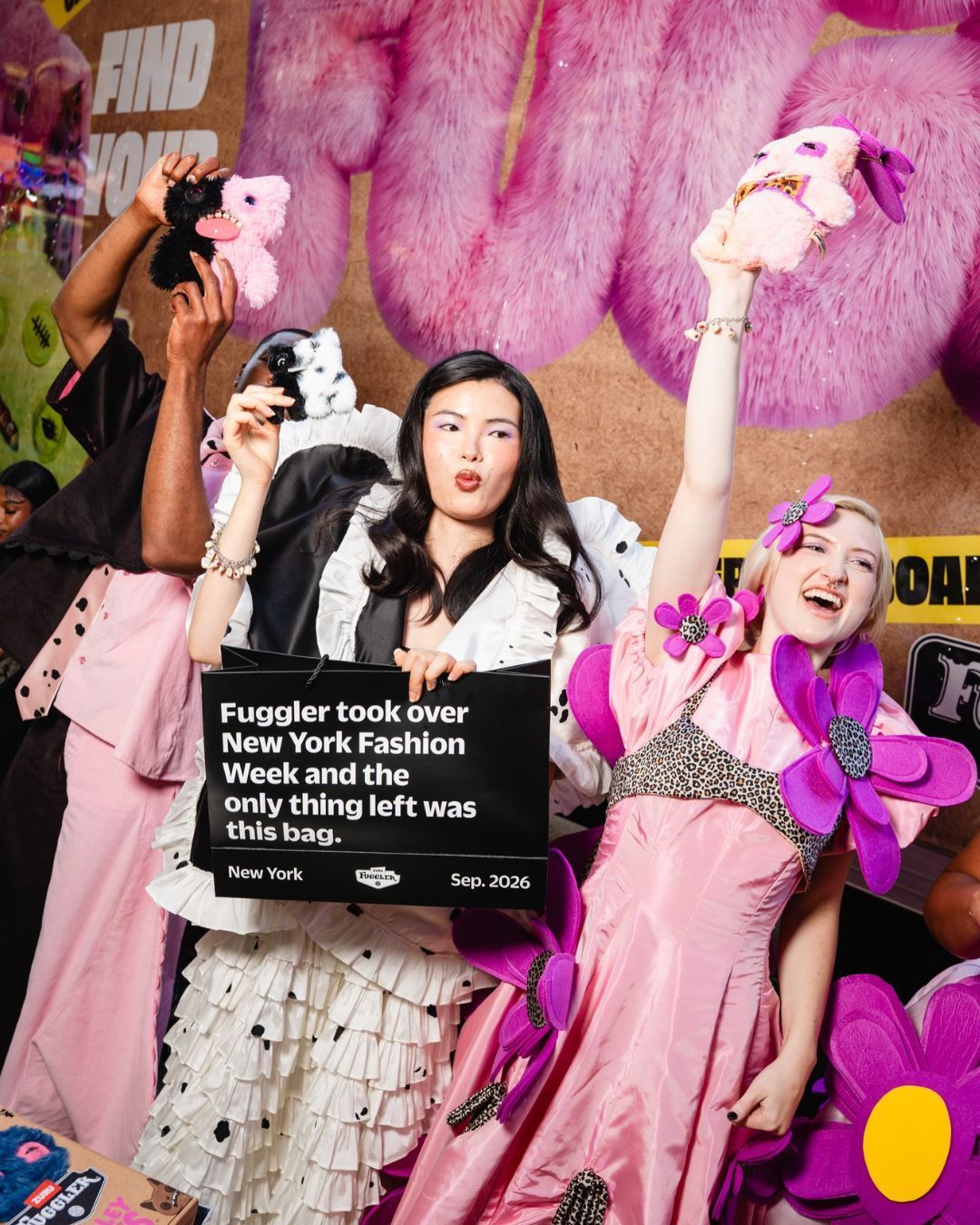
Neptune Green is a bright water green, close to teal, that seems to come from a summer palette. However, it changes its character on wool, velvet and leather, materials that immediately remove it from the seaside imagination. To make it more autumnal, you can combine it with browns and earthy tones, while together with red it creates one of the most daring combinations of the season. All Aboard, on the other hand, is a sugar paper blue, more dusty than the classic baby blue. Alongside chocolate and gray, it produces a sober result, but the most interesting combination remains the one with red: a sharp enough contrast to avoid the bon ton effect. Festival Fuchsia is the least timid color in the entire palette, but it's not necessary to wear it from head to toe: a bag, a pair of shoes or a sweater can illuminate even the most predictable of winter looks.
The most romantic and sensual shades: Foxglove and Arabian Spice
Foxglove is the most delicate side of the palette: a mauve pink with lilac shades, romantic but less predictable when combined with yellow, olive green or brown. It can be used on shirts, dresses and light knitwear, or introduced through a bag to soften outfits and outerwear with more rigorous lines. Arabian Spice offers a darker and more sensual version: it is a warm, dark and intense purplish red, particularly effective on skin, satin and transparency. It recalls the shades of spices and red fruits and represents a more sensual alternative to the classic burgundy. If Foxglove seems designed for daylight, Arabian Spice finds its ideal size in evening dresses, even if a coat or jacket in this shade could easily become the centerpiece of our autumn wardrobe.
Between heirs of recent trends and off-season color incursions, the autumn 2026 palette therefore leaves a lot of room for maneuver. Those who prefer discreet shades can rely on Muted Clay and Burnt Olive; those who are not yet ready to say goodbye to summer can continue to wear blue, teal and fuchsia. The change of season, at least this time, will not necessarily see us all return to black.