


Perioral dermatitis: what it is, how to recognize it and how to treat it We talked about it with Dr. Ines Mordente, here is what she told us
You may have woken up to small imperfections around your mouth, redness that won’t go away, burning or tight-feeling skin. At first, it’s easy to think it’s just an irritation or another skin breakout, perhaps something that can be treated by adding a few more products to your routine. Sometimes, though, these signs can point to something less familiar, such as perioral dermatitis.
Perioral dermatitis: what it is, how to recognise it and how to treat it
What is perioral dermatitis?
@savvyderm The ultimate guide to treating Perioral Dermatitis. no parts, all in one video. Sharing everything from causes, product recommendations, am/pm regimen order, do’s & don’ts. #perioralderm original sound - SavvyDerm
What we commonly call perioral dermatitis is now more accurately referred to as periorificial dermatitis, because it does not necessarily affect only the area around the mouth, but can also appear around the nose and eyes. “It is an inflammatory condition of the face characterised by the appearance of small papules, sometimes pustules, associated with redness, flaking, burning or a feeling of tightness,” explains Ines Mordente, a specialist in dermatology and venereology, expert in aesthetic and regenerative dermatology and scientific director of CSO Clinica Digitale Acnerevolution. The location of the imperfections can also be a clue. “One fairly characteristic feature is their distribution: it mainly affects the area around the mouth, often sparing the area immediately surrounding the lips.” This detail can help distinguish it from other skin conditions, although it is not enough to diagnose it on your own.
Perioral dermatitis or acne?
@_clo222 It’s genuinely ruining my self confidence I don’t even want to leave my house at this point please help me
At first glance, it may look like a simple acne breakout, something to treat with acids or an anti-blemish treatment, but treating it as such can be one of the most counterproductive things you can do. One of the clearest differences concerns comedones, meaning blackheads and whiteheads, which can appear in acne and, in more severe forms, can also develop into nodules and cysts. In perioral dermatitis, however, they are not the main characteristic. It can also be confused with rosacea, seborrheic dermatitis and contact dermatitis, which is why, especially when the problem persists or keeps coming back, it is essential to see a dermatologist and get an accurate diagnosis before starting to treat the skin blindly.
What causes it?
But why does this happen? The answer is not so simple, because there is no single cause of perioral dermatitis. It’s tempting to immediately look for the product responsible, but it is not always possible to identify one single trigger. “It is a multifactorial condition in which an altered skin barrier, inflammation and several possible triggers seem to play a role,” explains Mordente. One factor to pay particular attention to is cortisone applied to the face. In the short term, it may seem like the perfect solution because it reduces redness and inflammation, but as soon as the treatment is stopped, the problem can come back, creating a cycle that can be difficult to break. Using too many products layered into your routine, highly occlusive creams or irritating cosmetics can also make things worse rather than calm the skin down, especially if it is already quite sensitive. Other possible factors include some fluoride-containing toothpastes, hormonal imbalances, environmental factors and UV rays.
How to deal with it?
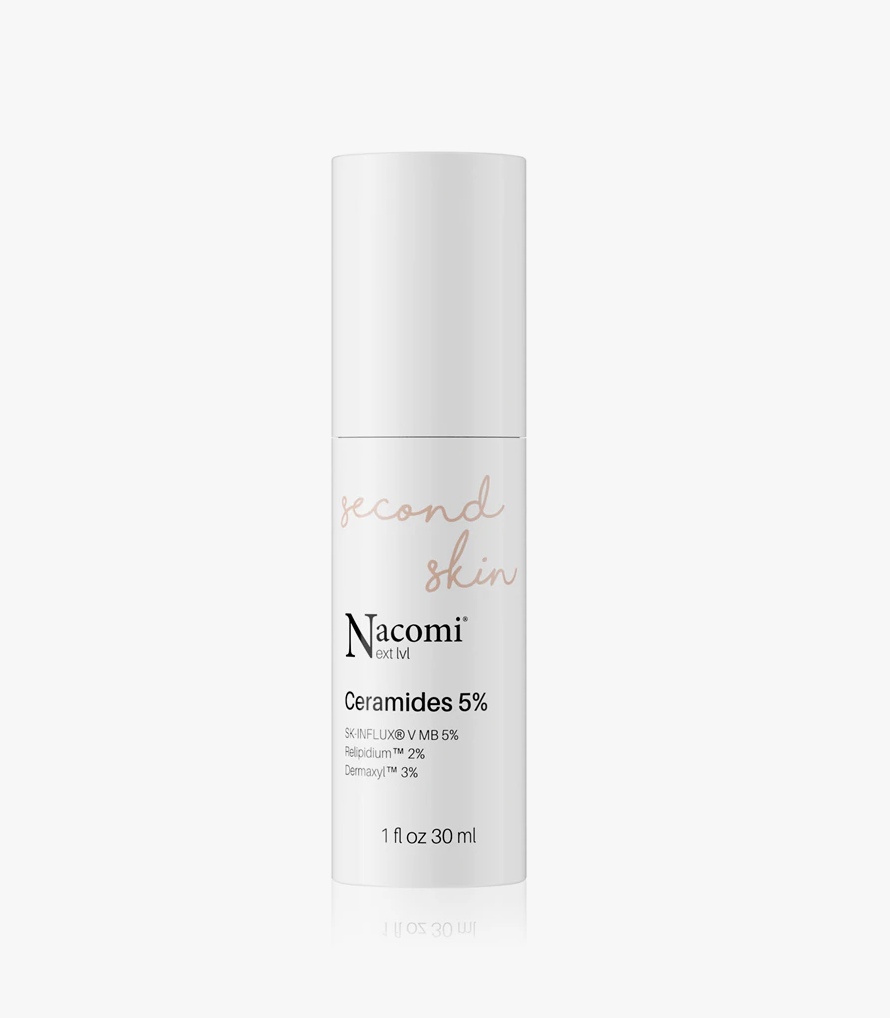
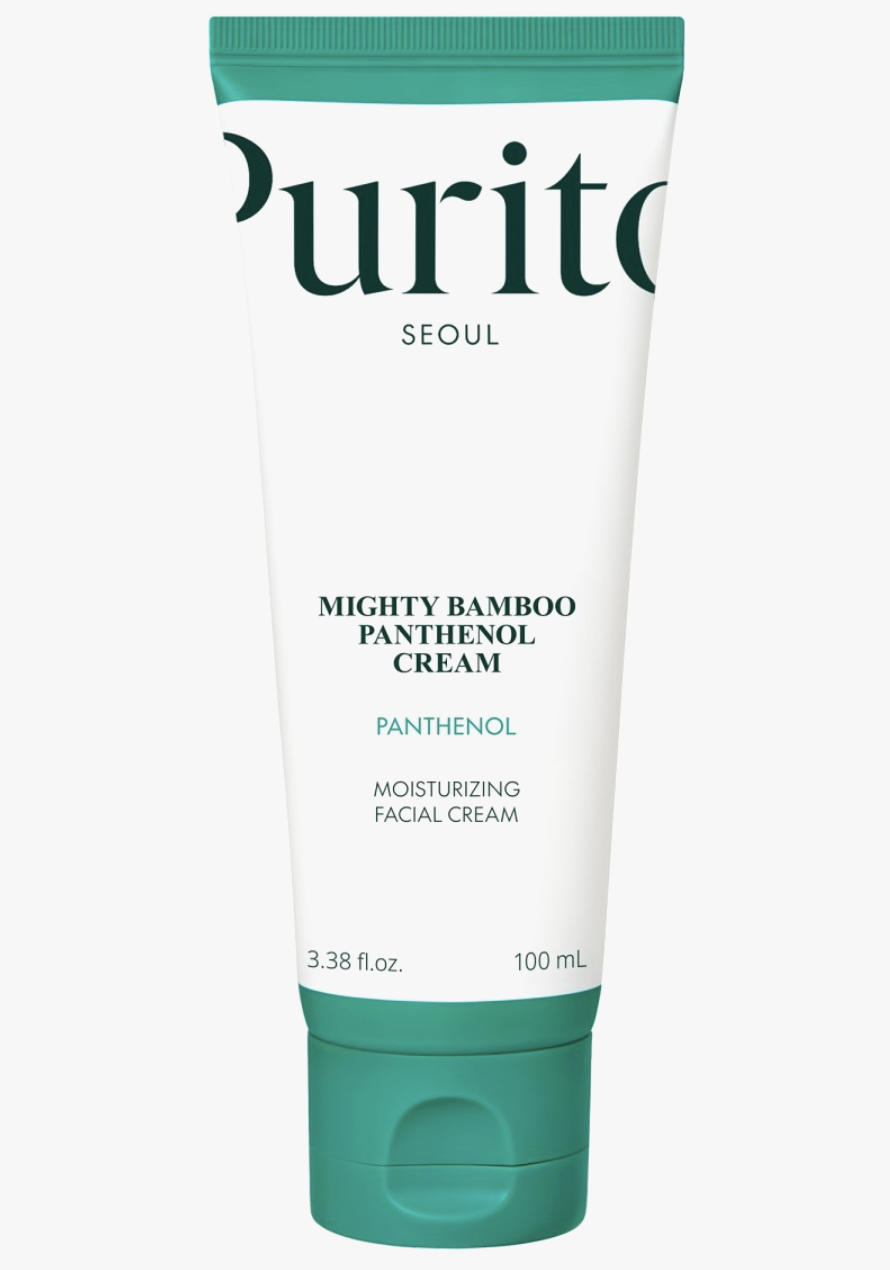
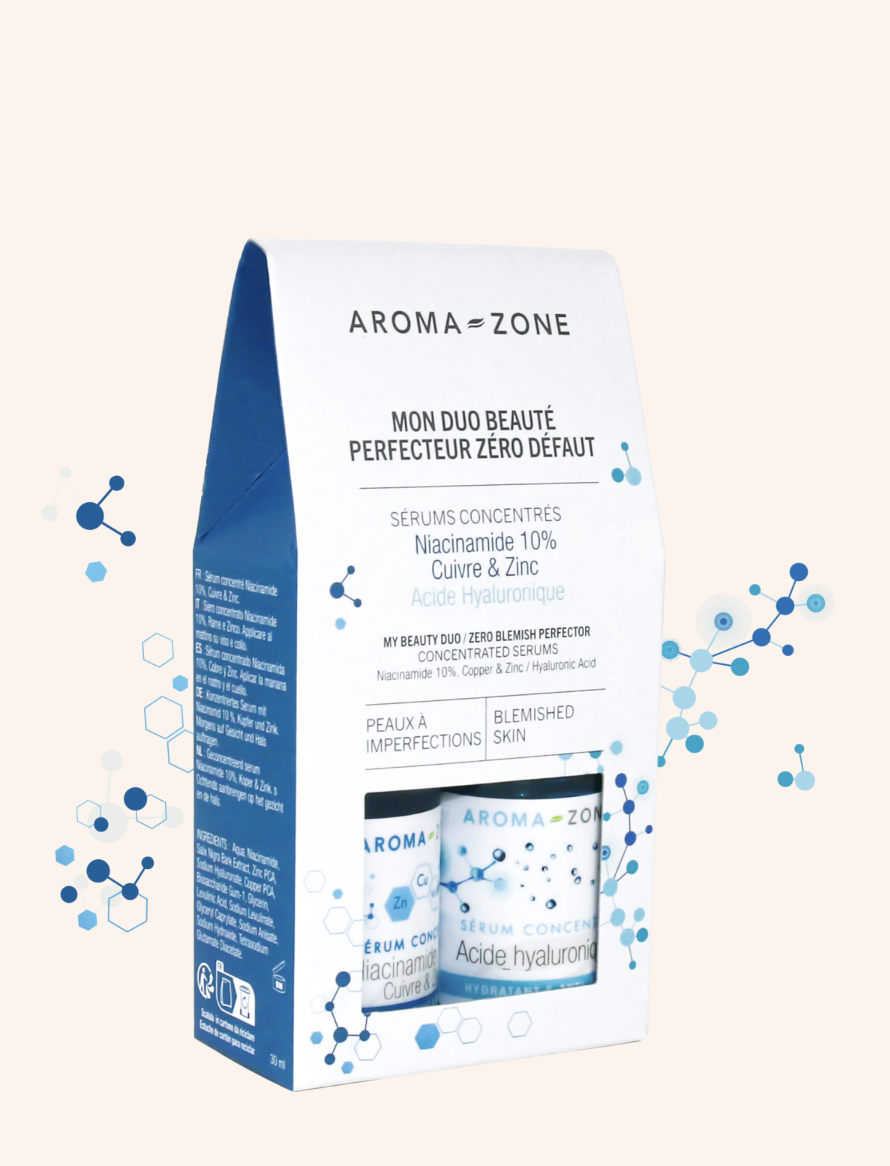
Once you have a diagnosis, the first thing to do is eliminate anything unnecessary. No aggressive anti-acne routines, acids, scrubs, retinoids or masks in an attempt to make the imperfections disappear faster. “At this stage, I follow a very simple principle: less is more. The so-called “zero therapy”, meaning temporarily simplifying the routine and stopping unnecessary or potentially irritating cosmetics, is one of the recommended strategies. Afterwards, depending on the severity, the dermatologist will determine whether a specific treatment needs to be introduced,” explains Mordente. Once the dermatitis has settled, skincare should not immediately go back to a thousand steps. Instead, products should be gradually reintroduced, while keeping cleansing gentle and maintaining good sun protection. Unfortunately, perioral dermatitis can come back. At that point, the strategy is to understand what your skin can tolerate, rather than assuming that a routine packed with repairing products can prevent or improve the condition. Among the active ingredients recommended by Dr Mordente are ceramides, glycerin, panthenol, hyaluronic acid and niacinamide at low concentrations if well tolerated. But it remains essential to consult your dermatologist for a personalised diagnosis.