


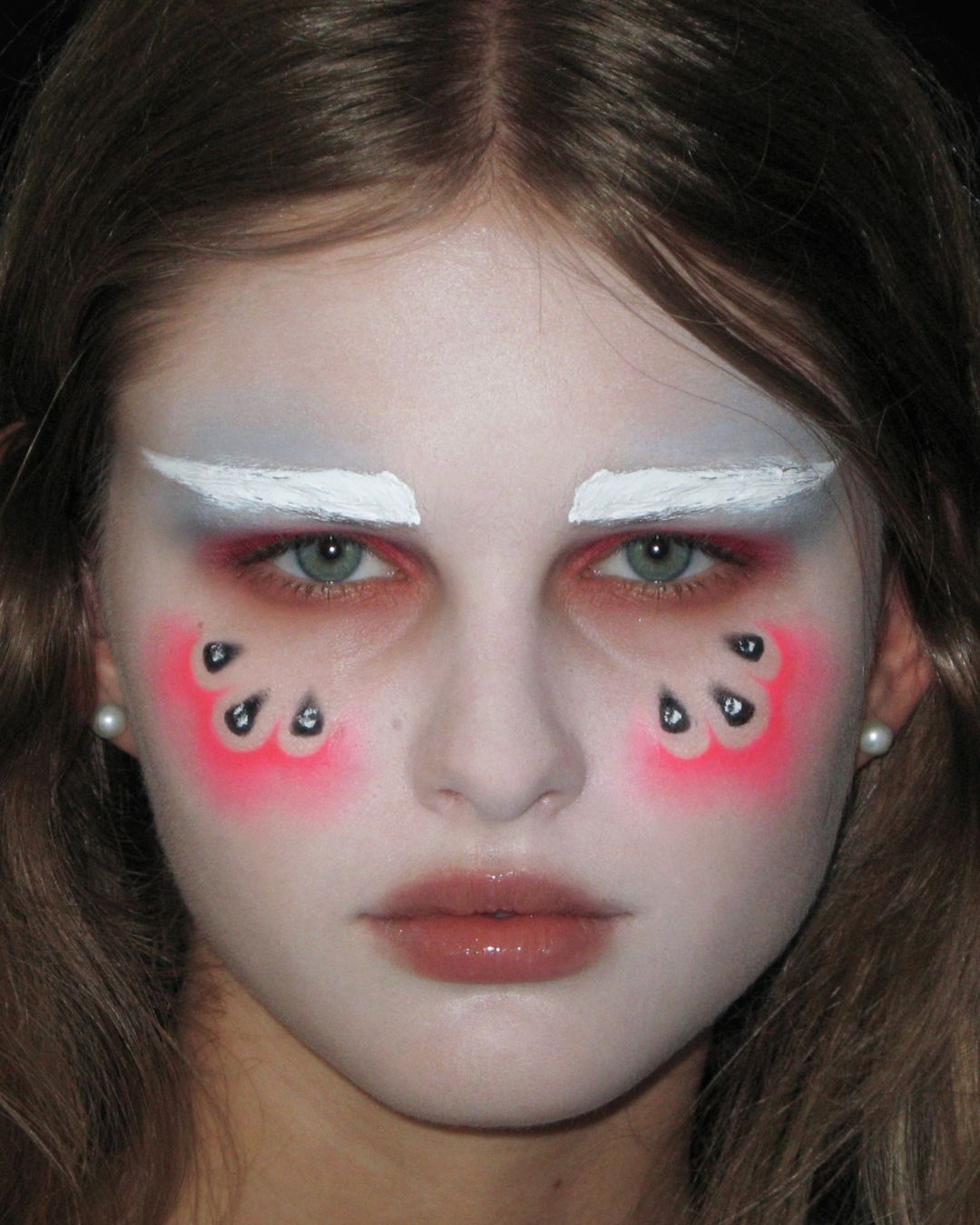
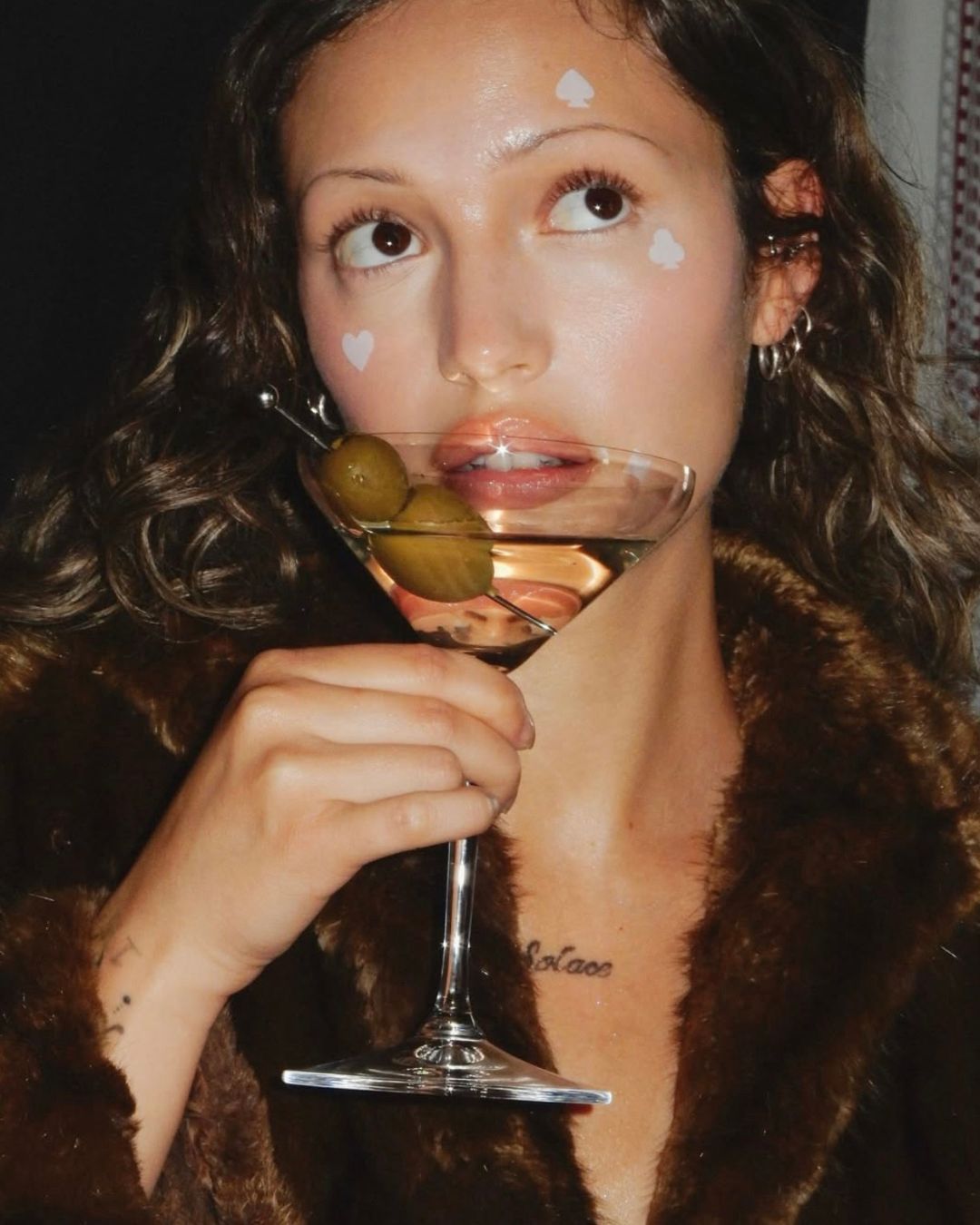
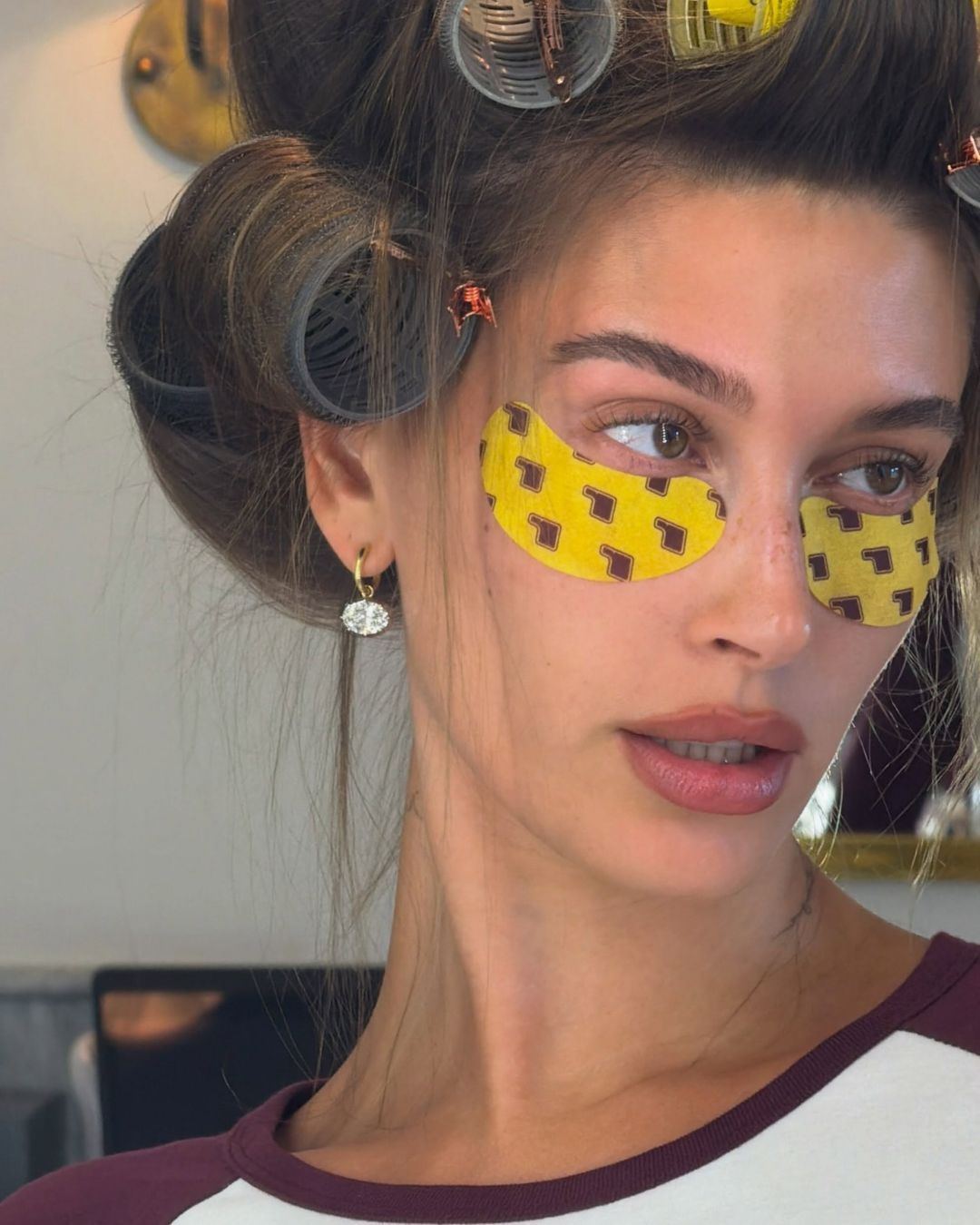
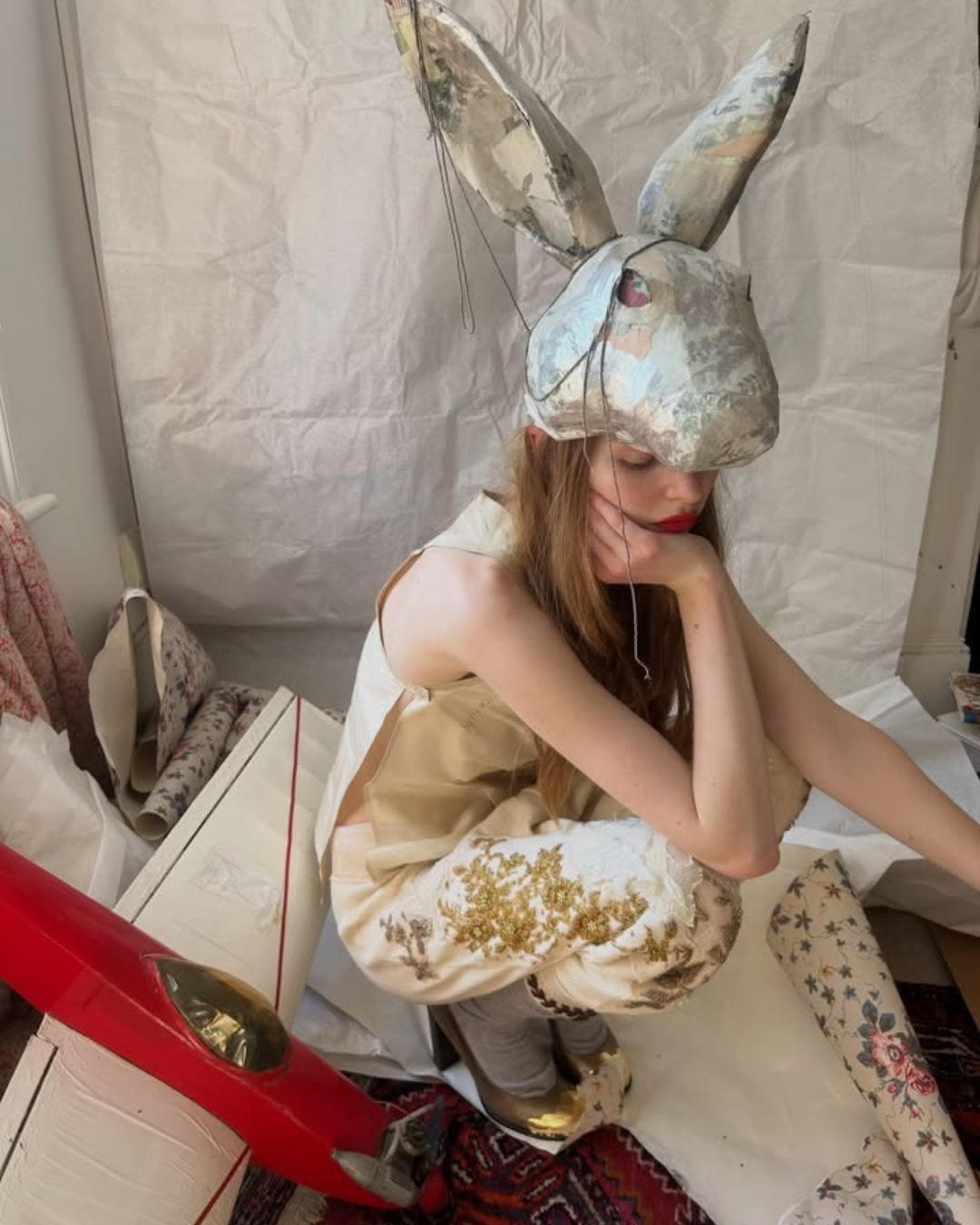
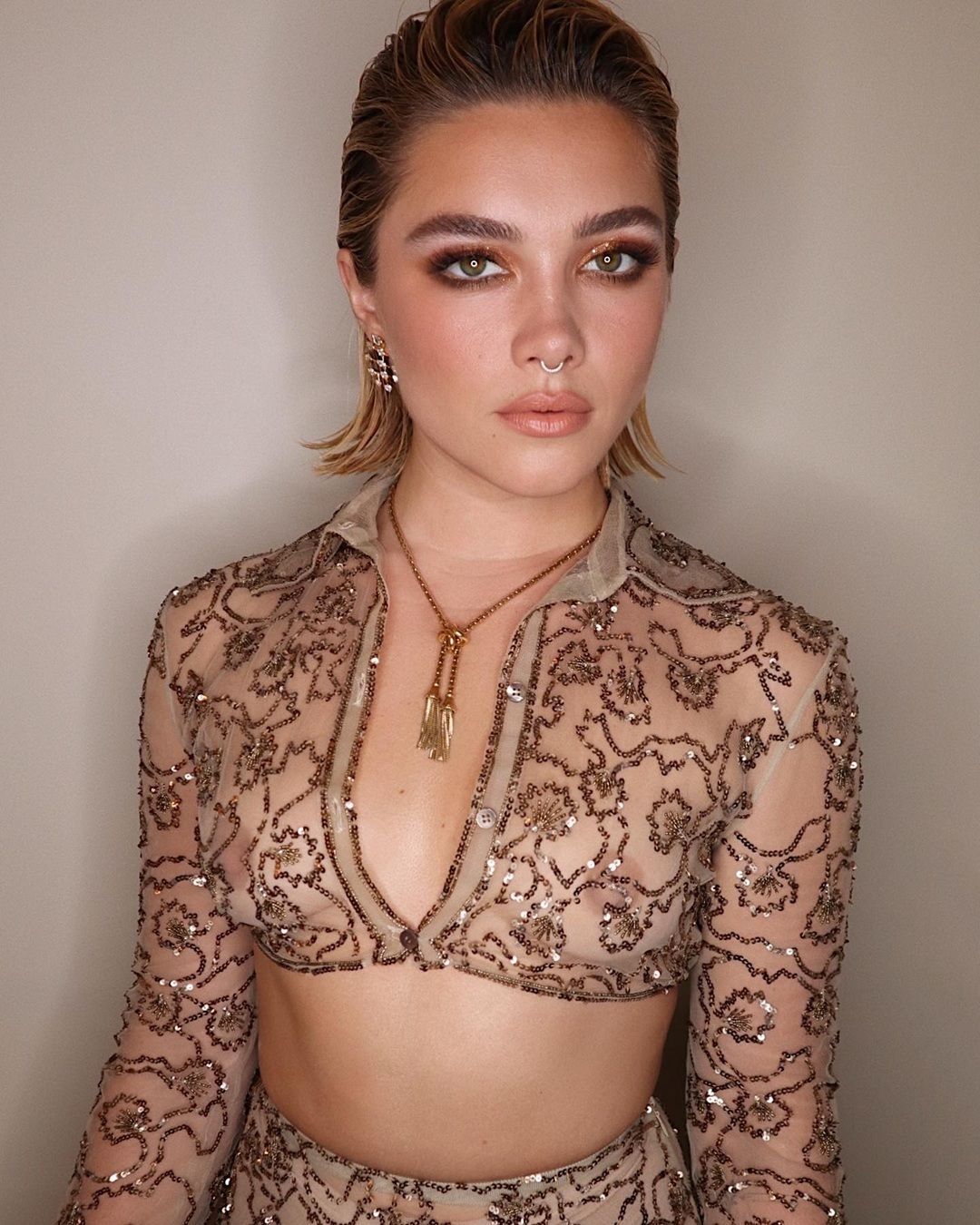
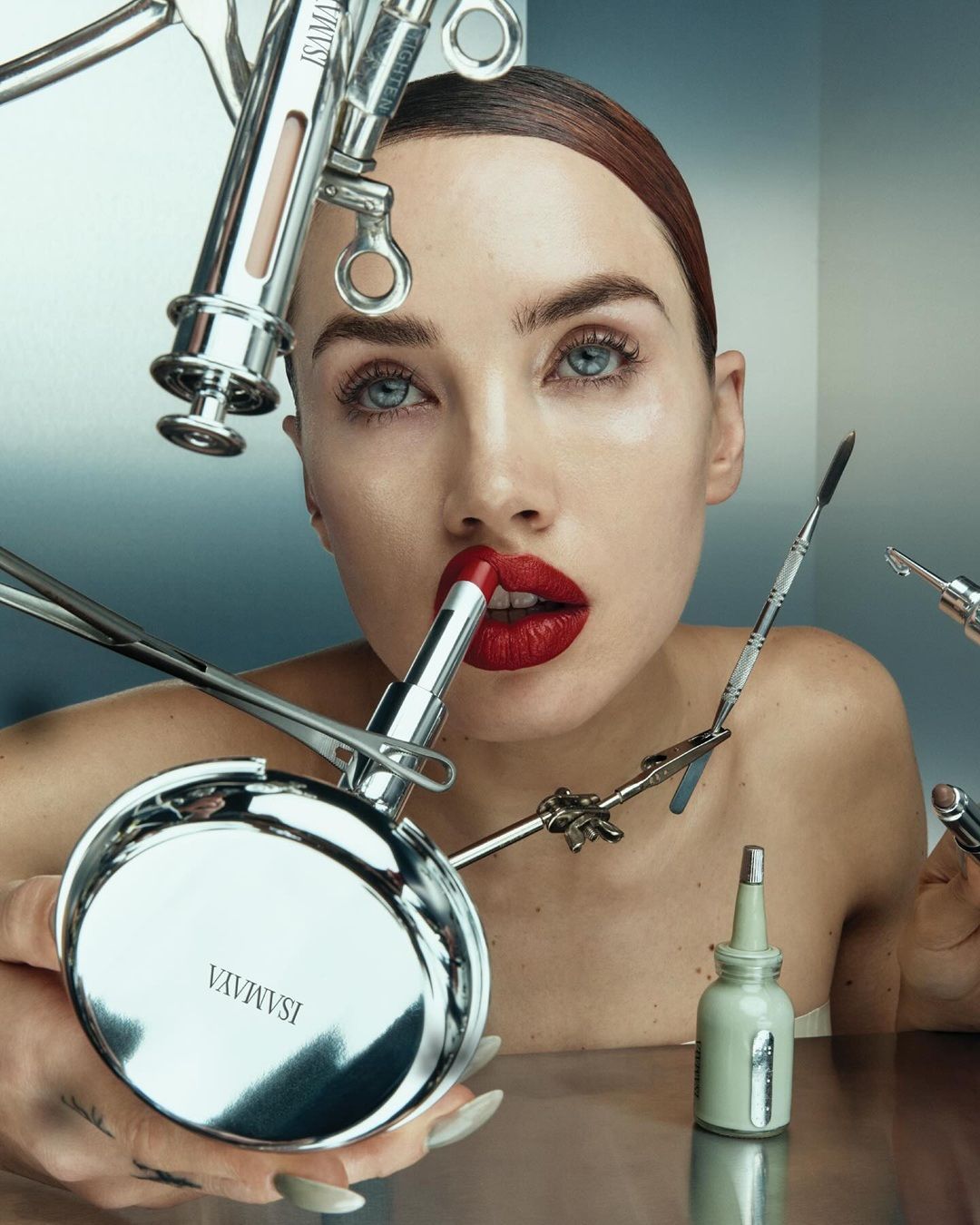
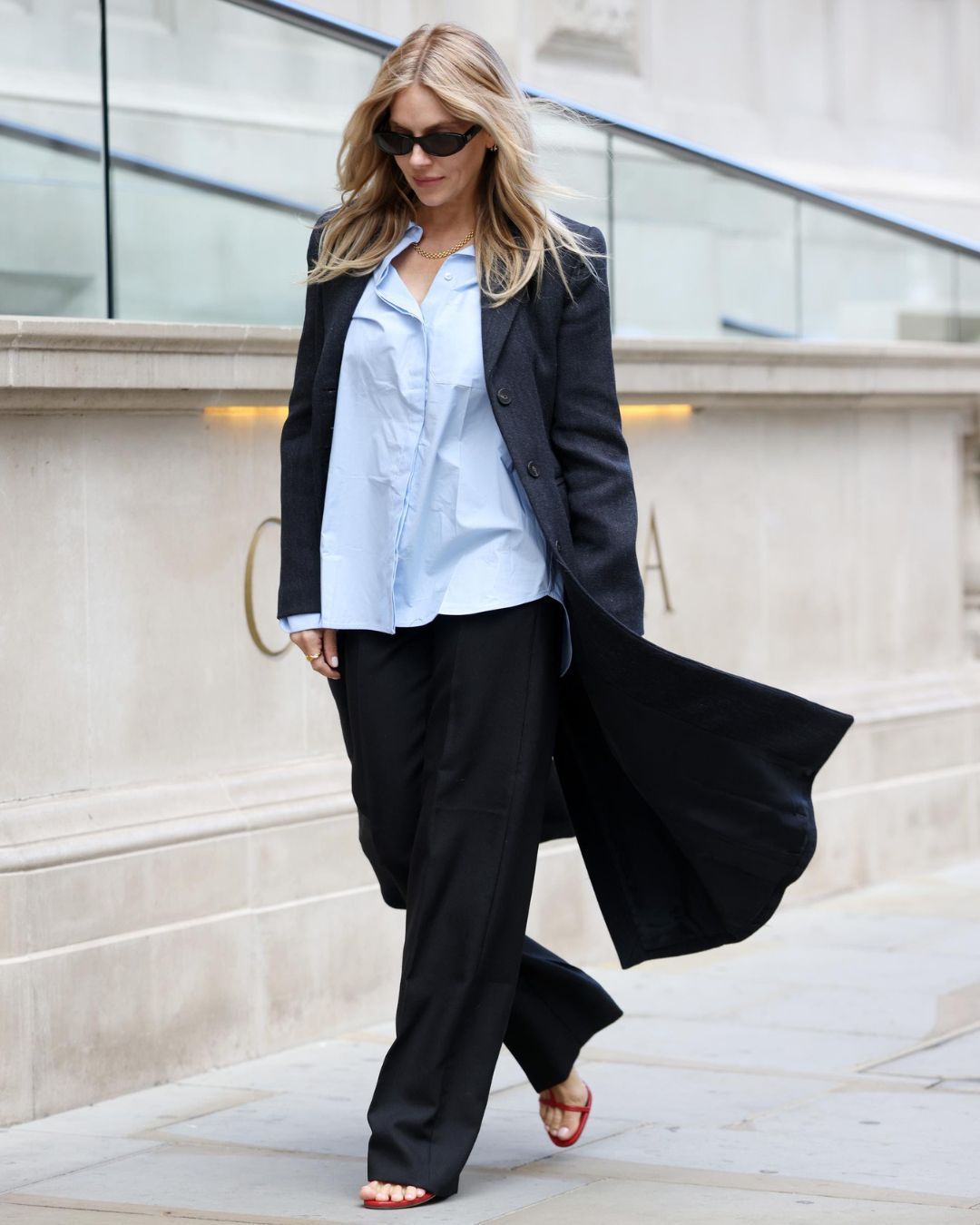
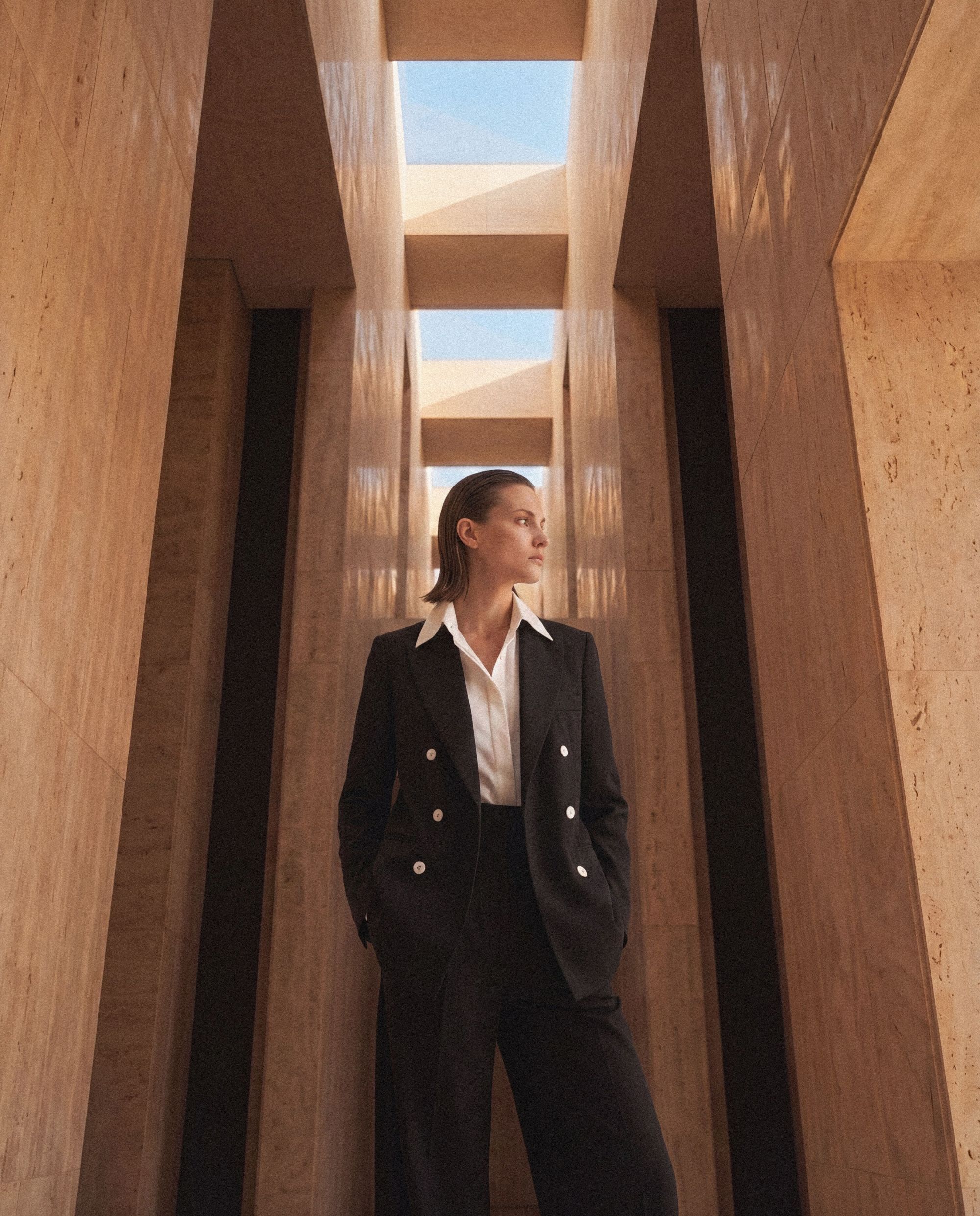
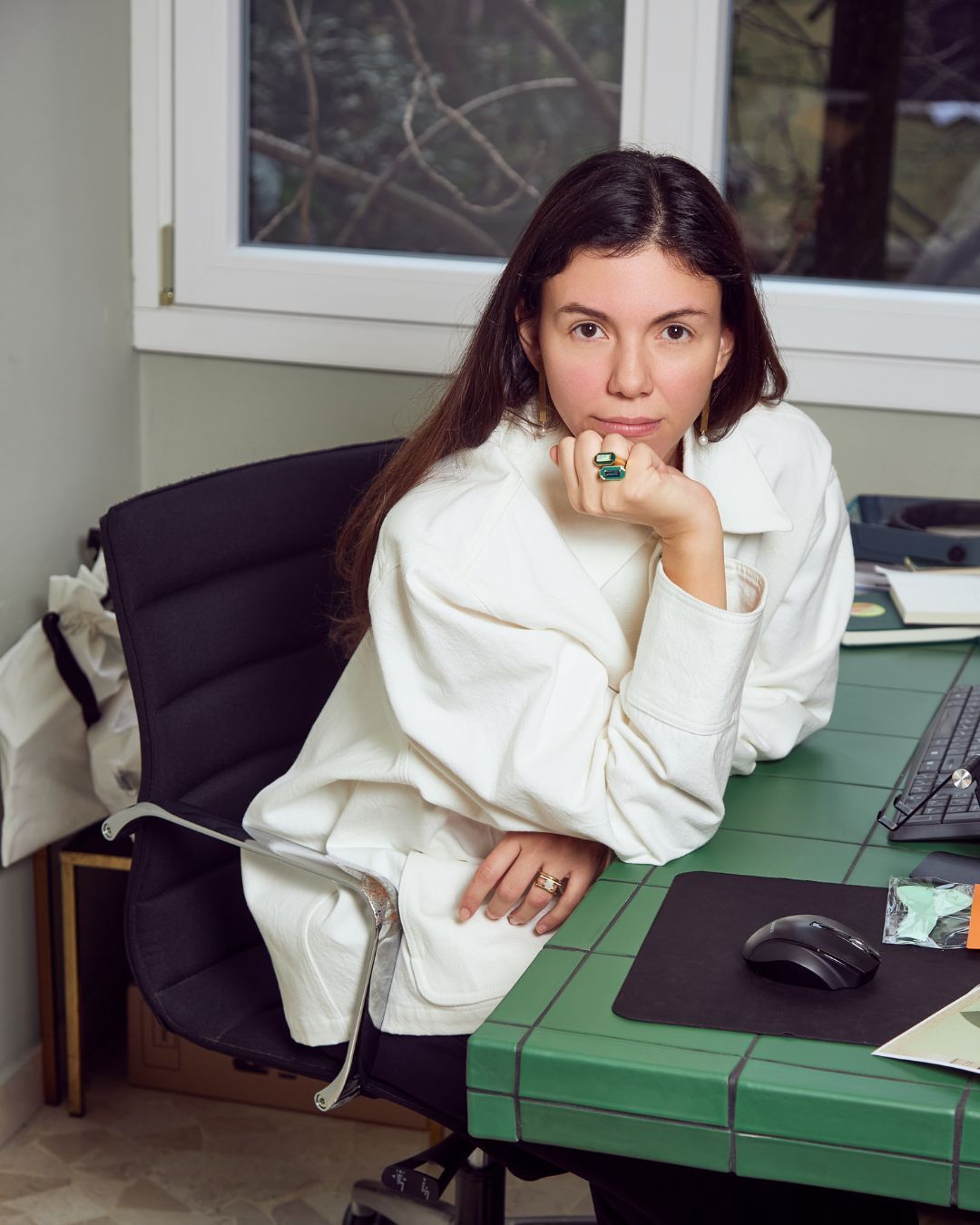
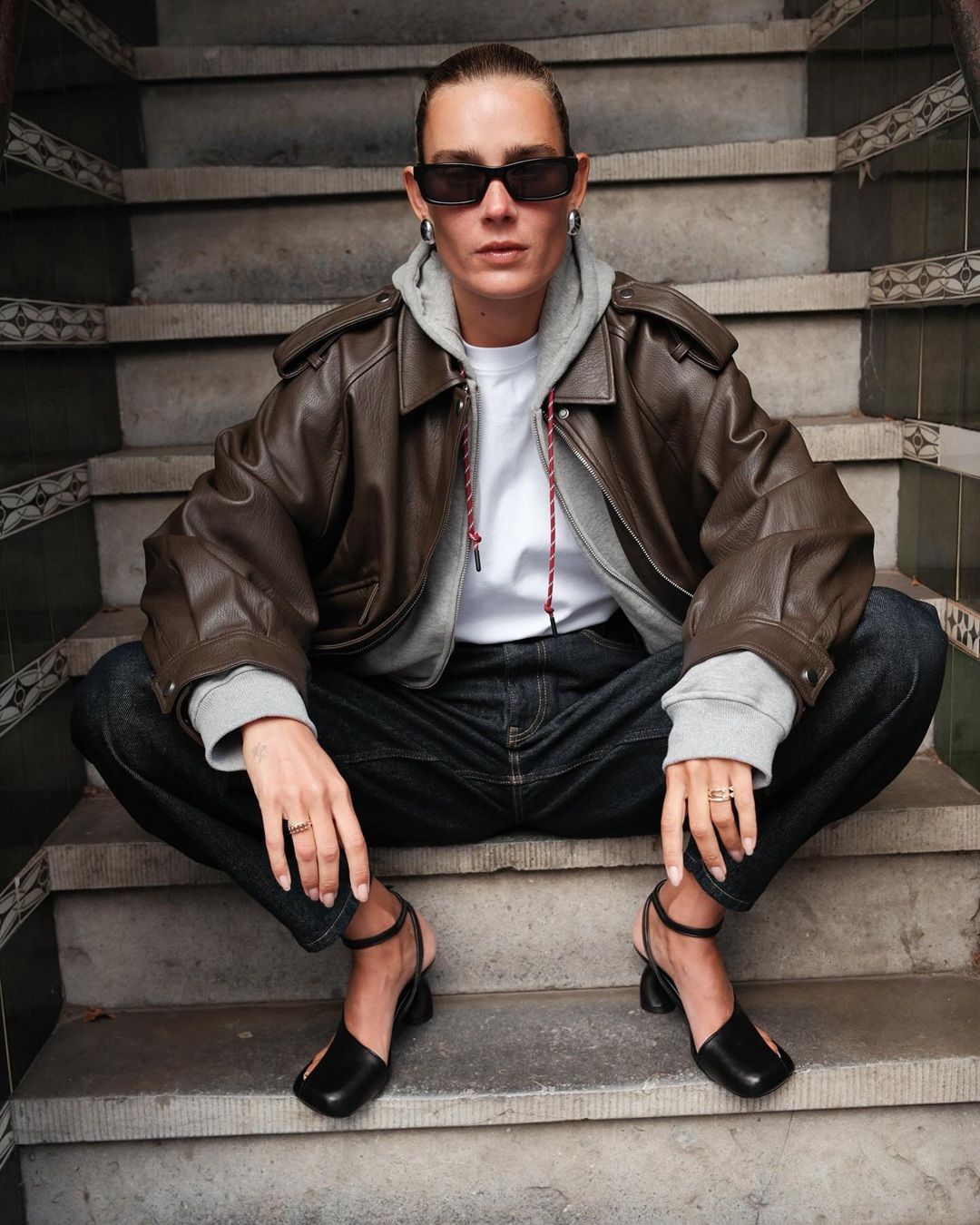
Everyone loves fashion, until a creator wears it From Addison Rae to Gabbriette, including Emma Chamberlain: when a creator truly breaks into the fashion industry, backlash is almost inevitable
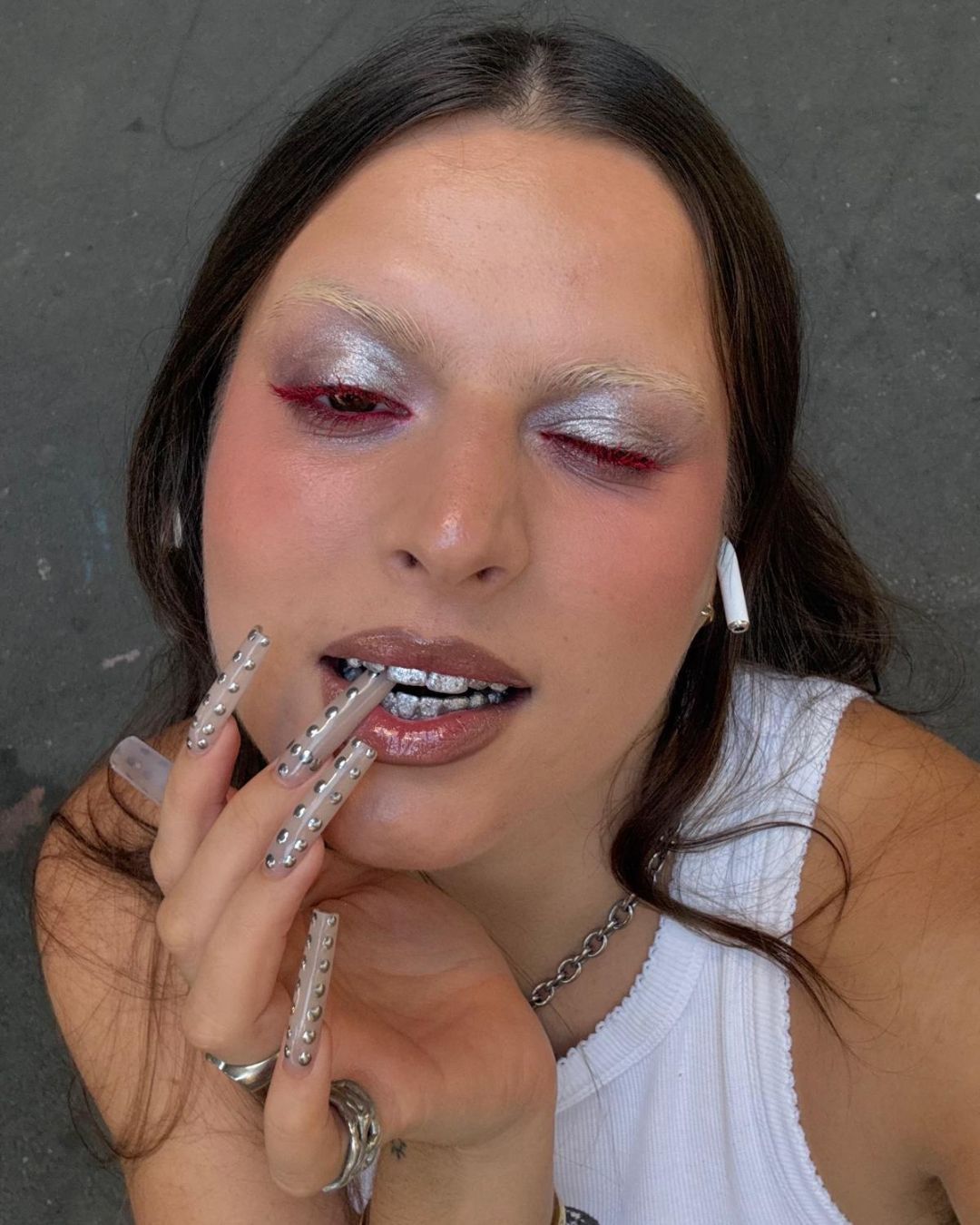
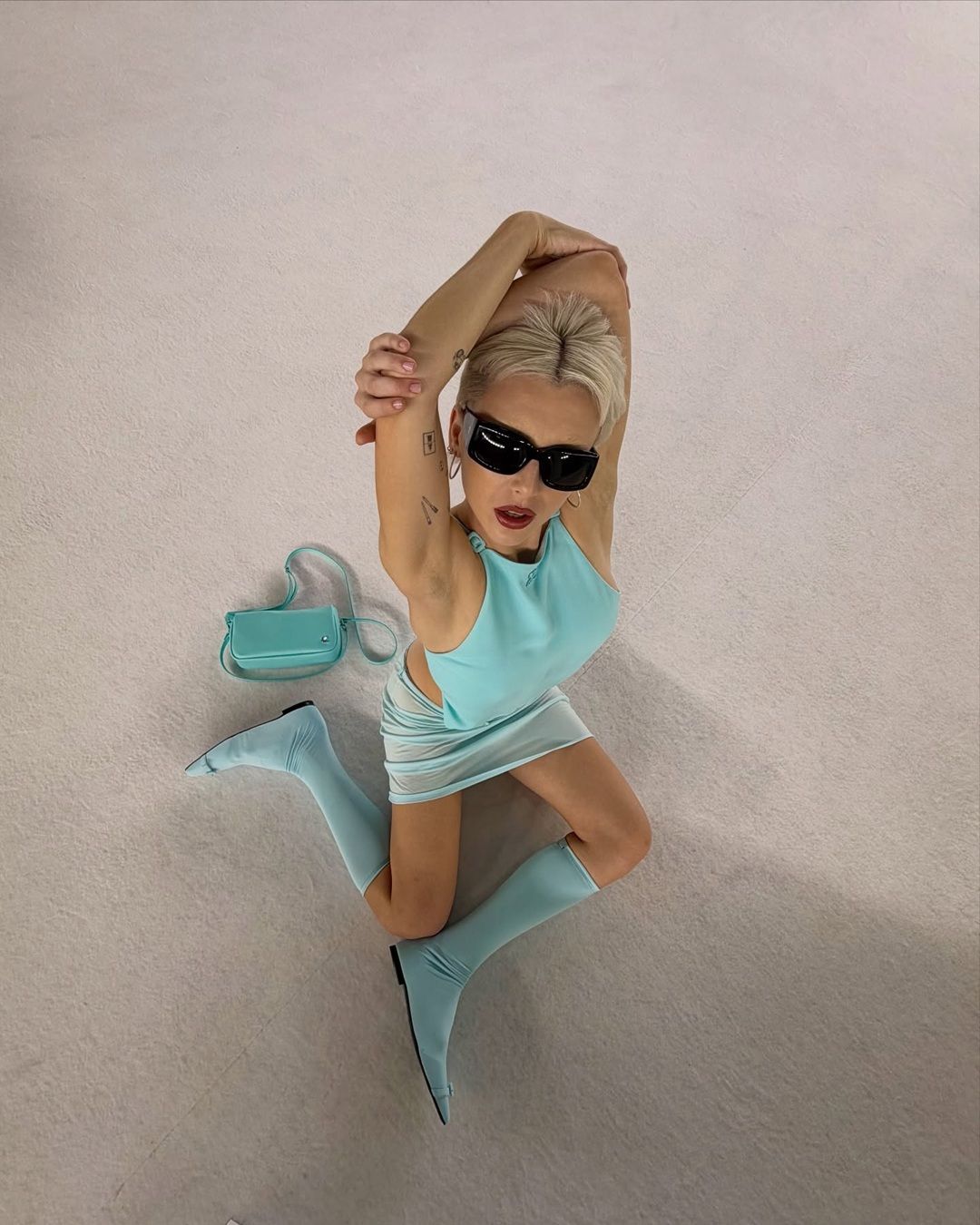
“Fire your stylist,” “What is going on?”, “Only you and your stylist understand this look,” “She’s trying to be a model,” “She looks like she got dressed in the dark,” “If I wore this, they’d have me committed.” Welcome to the comments section underneath the look of an influencer who dared to actually dress fashionably. Not follow a trend. Not replicate the outfit we have already seen 47 times on TikTok. Not wear something that instantly screams clean girl or old money. Dressing well on social media seems much easier when someone else has already done it before you. From Emma Chamberlain to Addison Rae, from Devon Lee Carlson to Chiara Ferragni, the protagonists change and the platforms evolve, but the script remains surprisingly similar. The unspoken rule of the internet? Fashion is perfectly fine, as long as an influencer isn’t the one showing it off. It hardly matters whether the outfit comes straight from the runway of Miu Miu, Prada or Saint Laurent, or whether it was applauded by fashion insiders just hours earlier. Someone will inevitably call for the stylist to be fired, someone else will say they “used to dress better,” while another will dismiss those archival Maison Margiela trousers and that Dilara Findikoglu top as simply incomprehensible. The curious thing is that the same social media users who now attack a creator for being “too fashion” are the ones who, just a day earlier, were complaining about yet another feed filled with oversized blazers, adidas Sambas, butter-coloured linen trousers and matcha lattes. TikTok has spent the past few years making fun of boring NYC influencers, accusing them all of looking like the same person with interchangeable wardrobes. And yet, the moment one of them genuinely steps outside that aesthetic comfort zone, the consensus disappears. Suddenly, she is “too much,” “trying too hard,” “inauthentic.” It is as if the internet desperately wants something new, as long as it looks an awful lot like everything it has already seen.
The problem isn’t fashion. It’s what we expect influencers to be
Influencers are rewarded as long as they remain perfectly legible. Fast fashion, flattering silhouettes, micro-trends already approved by the algorithm: everything has to be recognisable at first glance. It is almost as if the people following them have signed an unwritten contract stating that they are allowed to grow, but not to change. They can front campaigns for fashion houses, attend fashion week, enter the luxury world, but they are still expected to look like the girls and boys filming themselves in front of their bedroom mirrors. It is a kind of pre-emptive nostalgia that turns any evolution into a betrayal. The real problem begins when, inevitably, they actually enter the fashion system. Suddenly there are stylists, runway invitations, showrooms and fashion house archives. Clothes stop being simply “cute” or easily replicable and start communicating an aesthetic, a point of view, sometimes even a provocation. And that is precisely where something starts to break.
What happened to Addison Rae and Emma Chamberlain
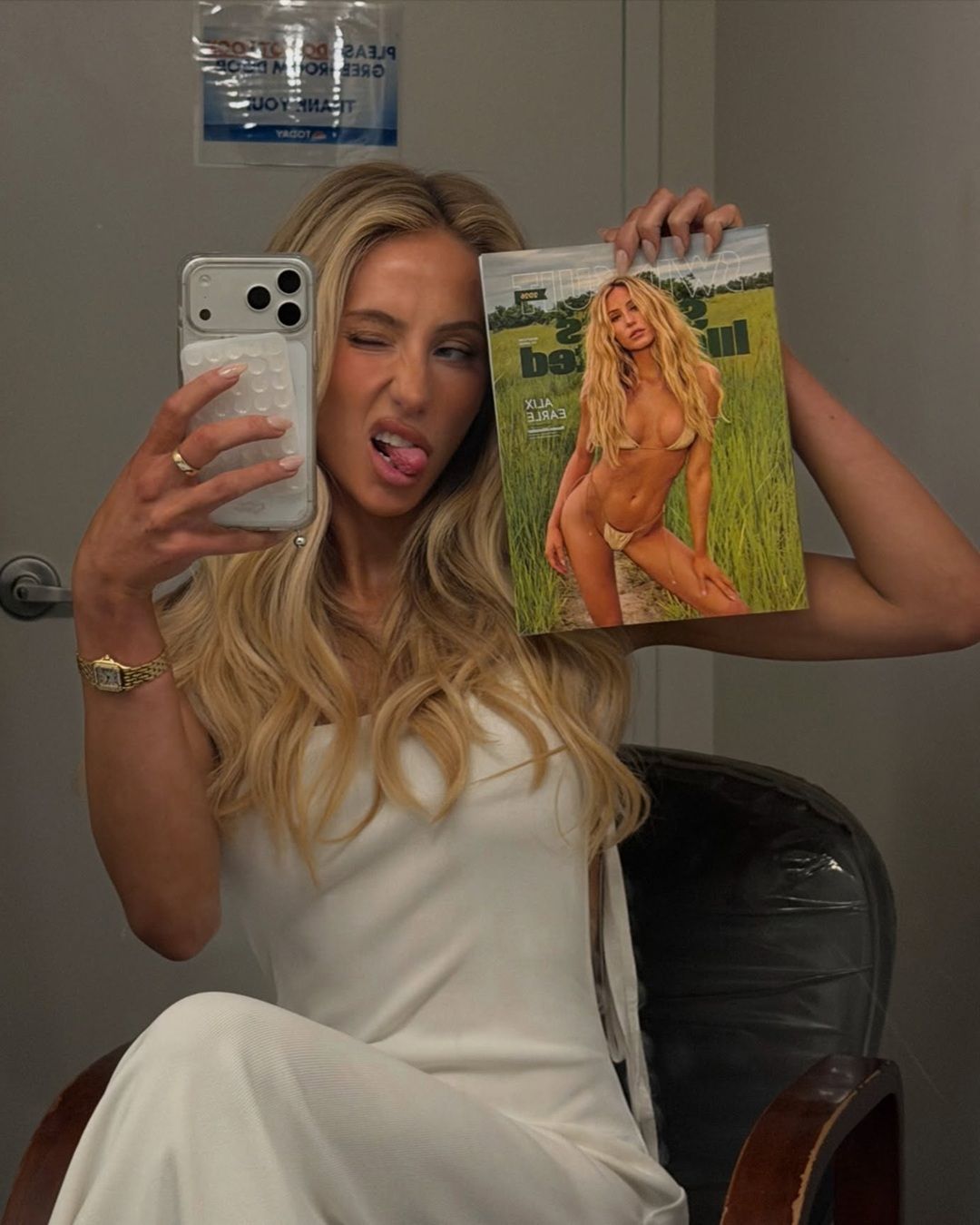
As RUSSH has also pointed out, this happened to Addison Rae, who went from TikTok’s seemingly innocent darling to a pop star with an image drawing on John Waters, Petra Collins and Saint Laurent. Just think of the comments surrounding the swan-shaped bra she wore to the 2024 MTV Video Music Awards. The question was no longer simply whether the look was good or bad. It was whether people could accept that Addison Rae was no longer the same person they had first encountered on their For You Page. The same goes for Emma Chamberlain, now a regular at the Met Gala and on the front row at fashion shows. Her wardrobe of Comme des Garçons, vintage and Maison Margiela continues to be met with a mixture of fascination and nostalgia for the Emma of Vans and Brandy Melville. Even a look perfectly aligned with the Miu Miu runway, such as the one Alix Earle wore to the brand’s FW25 show, was deemed “wrong” not because it was actually out of place, but because it did not match the bombshell image she had built up until then. The same pattern is emerging with the new generation of digital It-girls, from Gabbriette to Madeline Argy, who are becoming increasingly embedded in the luxury system while becoming increasingly difficult to reconcile with the image through which audiences first discovered them on Instagram or TikTok. As if success can mean transformation, but only up to a certain point.
@molinailv0 Thoughts on the video? #alixearle #parisfashionweek #miumiu original sound - Molinailu
The algorithm taught us to recognise trends, not fashion
Over the past few years, algorithms have built an aesthetic world made up of rigid categories (office siren, mob wife, coastal grandmother, eclectic grandpa) and, above all, repetition. Every aesthetic arrives pre-packaged, complete with its own colour palette, shoes, handbag and even the type of coffee you are apparently supposed to order. The goal no longer seems to be developing a personal style, but becoming immediately recognisable within a category. The better a piece of content performs, the more it gets replicated; the more it gets replicated, the more correct it begins to feel. After seeing the same image often enough, we start confusing familiarity with beauty. That is also why so many comments underneath controversial outfits revolve almost exclusively around whether a look is “flattering.” We rarely talk about silhouette, references, proportions, styling or aesthetic research. The parameter becomes a single question: does it make them look better? And there lies the paradox. The internet keeps demanding personality from influencers, only to punish those who actually try to build one. Because authentic style has one characteristic that the algorithm still struggles to process: it is not necessarily immediate, reassuring or universally “flattering.” It can be strange, excessive, awkward. It can even require a second look. Maybe that is precisely what annoys us when we see a creator dressed “too fashion.” It is not really about the clothes. It is about the fact that we no longer know where to place them. We had become accustomed to a specific image and, suddenly, they force us to reconsider our idea of who they are, and of what we actually consider cool. Because the real contradiction of creator culture is that we want influencers to have a personal style, but we prefer that style to be one we already know how to recognise. We ask for originality, as long as it feels familiar. We want something new, provided it does not force us to reconsider what we like. And perhaps that is where fashion actually begins: precisely when it stops making us feel safe.
What to read next
Our teenage years were so ugly
Acne, bad hair days, unfiltered photos, and embarrassing moments: maybe it was for the best
Get Ready With Me has never gone out of style
A history of the beauty format that, from YouTube to TikTok, has changed form countless times without ever disappearing