












Toxic masculinity: where are we at? From Paul Mescal to the WHO, numbers in hand for a plural approach
In 2024 Ridley Scott said that he chose Paul Mescal for Gladiator 2 after seeing him in Normal People. It had seemed 'very strong' to him, an interpreter who was perfectly credible as a descendant of Marcus Aurelius. Two years later, however, a very different version circulated. According to Puck, some sources close to The Dog Stars (the new film starring Jacob Elordi) claimed that Scott had attributed part of the underperformance of the sequel to Gladiator precisely to Mescal, because it would not have been 'masculine enough'. The director's representatives have denied the reconstruction.
Is Paul Mescal not masculine enough?
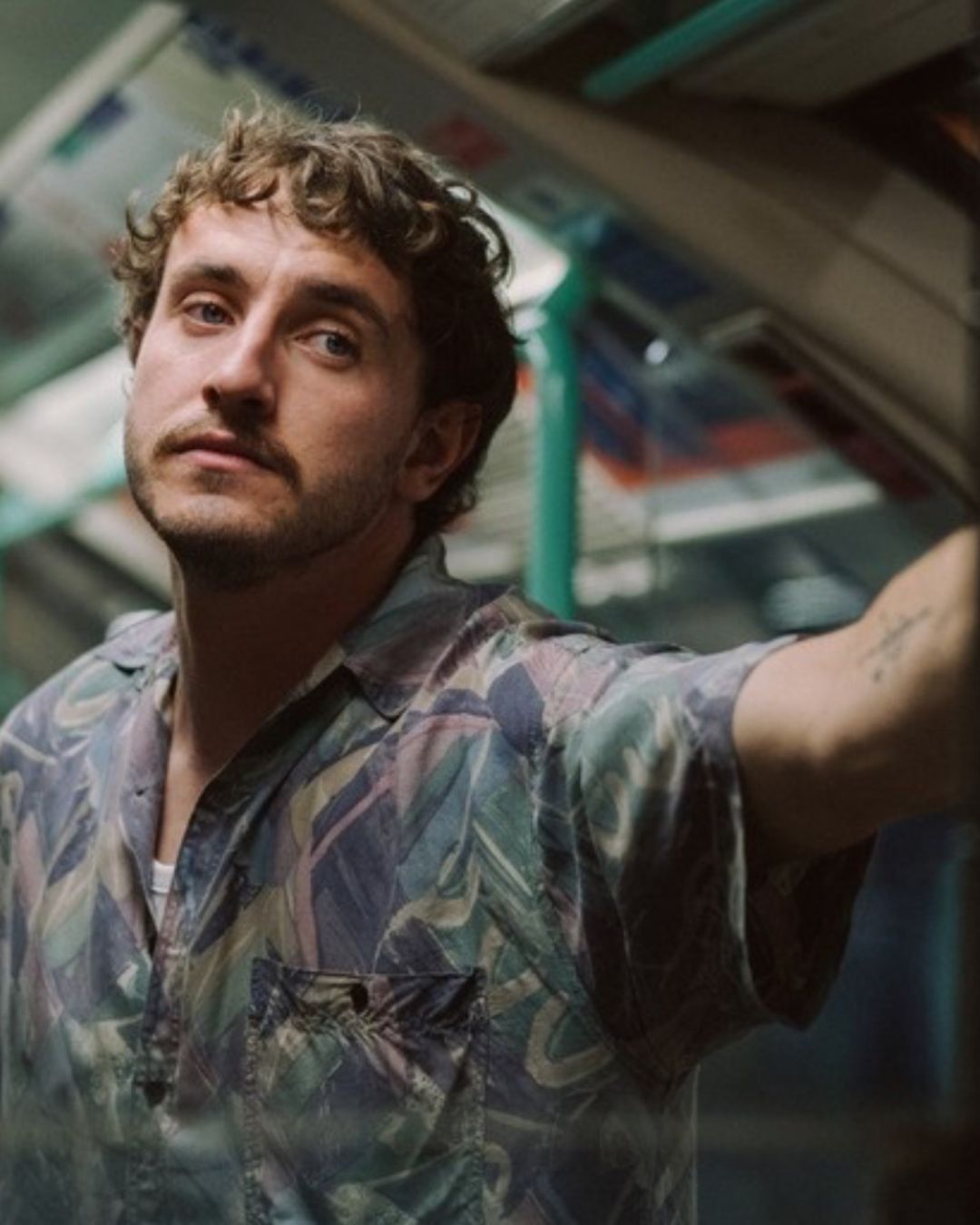
Whether true or not, it's interesting that the phrase has taken hold so much. Paul Mescal is a muscular man, with a background in Gaelic football, who spent months training hard to play Lucius. In Gladiator 2 he fights, kills and leads men into battle. And yet, we can still immediately guess what could be meant by 'not virile enough'. Mescal is a physically robust but openly emotional man, known for his introspective interpretations and sensitivity. The problem, therefore, does not lie in the muscles but in the recent openness to men who feel too much. Mescal became famous precisely for his intimate roles. In Normal People, Connell is athletic and popular but he's also depressed, insecure, and unable to express his feelings. In 2020, the actor spoke about the character, stressing the harmfulness in men of the stoic responsibility of not showing emotions. In Aftersun he plays a loving father who cannot save himself from his suffering; in All of Us Strangers, his character embodies vulnerability, desire and pain, with a great (and heartbreaking) openness to the manifestation of emotions.
@hulu Three-and-a-half minutes of Paul Mescal breaking our heart. #NormalPeople original sound - hulu
A contemporary and unshielded masculinity
It is a masculinity that, while not renouncing its body, strength or sexuality, has stopped using them as a shield. British GQ also described Mescal's masculinity as robust as it is vulnerable. Scott himself, during the promotion of Gladiator 2, recognized in him a sensitivity different from that of Crowe, more emancipated. It is a demonstration in stark contrast to that much discussed lately of toxic masculinity, a more gruff, closed, sexist interpretation of masculinity. Openness to emotionality clearly does not imply that being strong, competitive or protective men is necessarily toxic. Rather, the problem is the rigid models that link being masculine to domination and emotional repression.
@apeacefulknight Toxic masculinity vs toxic masculinity round 1. FIGHT #masculinity #patriarchy #feminism #mentalhealth original sound - A Peaceful Knight
The numbers of toxic masculinity today
The WHO associates rigid conceptions of masculinity with a greater propensity for risky behavior and a lower willingness to ask for help. A review published in 2025, based on 47 studies, found that norms such as stoicism and self-reliance can hinder the search for psychological support. Not surprisingly, in cases of greater suffering, 79% of deaths by suicide are men. Telling men what they shouldn't be, however, is not enough to explain to them what they can become. Research from King's College London found that 37% of British men between 16 and 29 years old consider toxic masculinity a counterproductive expression. In the same study, among young men who knew Andrew Tate, 21% had a favorable opinion of him. It is a minority, of course, but it shows how attractive a very simple (and simplistic) version of virility can be when the alternatives are more difficult to define. Money, sex, control and success are clear, concrete formulas, on which it is easier to focus and verify progress. Also because the contemporary alternative is viewed with suspicion.
What is the position of the myth of performative evil in this overview?
In 2025, the Internet put the figure of performative evil in the spotlight: tote bags, matcha, books by Bell Hooks and a sensitivity apparently calibrated to please women. It's an inside joke that works online because we immediately recognize someone we know. However, we have expanded the ways in which a man can present himself, becoming, at the same time, very good at suspecting each of these. It is a very fragile dynamic, linked to the simplicity with which the Internet continuously transforms identity, tastes and interiors into recognizable archetypes, into costumes to wear and perform.
@jen.trt 1st performative male contest in Canada taking place in Toronto
So can you be virile without becoming toxic?
Probably yes, but only by stopping treating manhood as a list of mandatory behaviors. Strength, courage, ambition, protection and competitiveness do not become negative qualities because they are associated with men; the problem comes when to demonstrate them you have to be dominant, emotionally impervious or unbreakable. It is precisely the idea of a unique and restrictive masculinity that organizations such as WHO and OECD indicate as problematic, contrasting it with more plural models, capable of including care and non-violence without asking men to give up their identity. A man may want to be strong and ask for help. It can protect without checking. It can be competitive without approaching others and life as a continuous arm wrestling race. You can read Bell Hooks without turning it into an accessory. Paul Mescal may be a gladiator and the boy who cries in a psychotherapist's office in Normal People. The fact that it still seems like a contradiction speaks volumes about the road we still have to go.
