
































Micro-dramas, the bite-sized soap operas keeping us glued to our screens They are challenging the future of entertainment
He is a billionaire pretending to be poor. She is a young woman struggling financially who agrees to marry him without knowing who he really is. Meanwhile, her stepsister is plotting behind her back, someone is hiding a secret, and a betrayal is about to blow everything up. This is not an episode of The Bold and the Beautiful that somehow ended up in Wattpad fanfiction territory, but the plot of one of the many micro-dramas flooding our feeds. Everything comes in a vertical format, complete with questionable dialogue, XXL emotions, and a plot twist every thirty seconds. Welcome to the future of entertainment or, at least, the kind that manages to capture our attention while we wait for the tram. Also known as vertical dramas, these productions are mini-series designed to be watched on smartphones, usually featuring episodes lasting one to three minutes and seasons that can run for fifty or even a hundred installments. The formula is simple, which is precisely why it works. The action starts immediately, the emotional stakes rise, and the scene cuts off at the most inconvenient moment. A marriage proposal, a slap, a half-revealed secret. Every episode leaves something unresolved and gives us a good reason to watch the next one. Platforms such as ReelShort and DramaBox have built entire catalogs around this storytelling formula, where romance meets thriller and kitsch knows no such thing as moderation. Production quality is not always flawless, but dismissing the phenomenon as a collection of amateur videos would be a mistake.
@reelshortapp She’s Stuck in a Window with a Shirtless Star Outside… Then Her Mom Walks In! Dream On | ReelShort Click the link in my bio to watch the FULL SERIES!! #ReelShort #DreamOn #FakeDating #SecondChanceRomance #ShortDrama original sound - ReelShort
From China to the world: how the micro-drama phenomenon took off
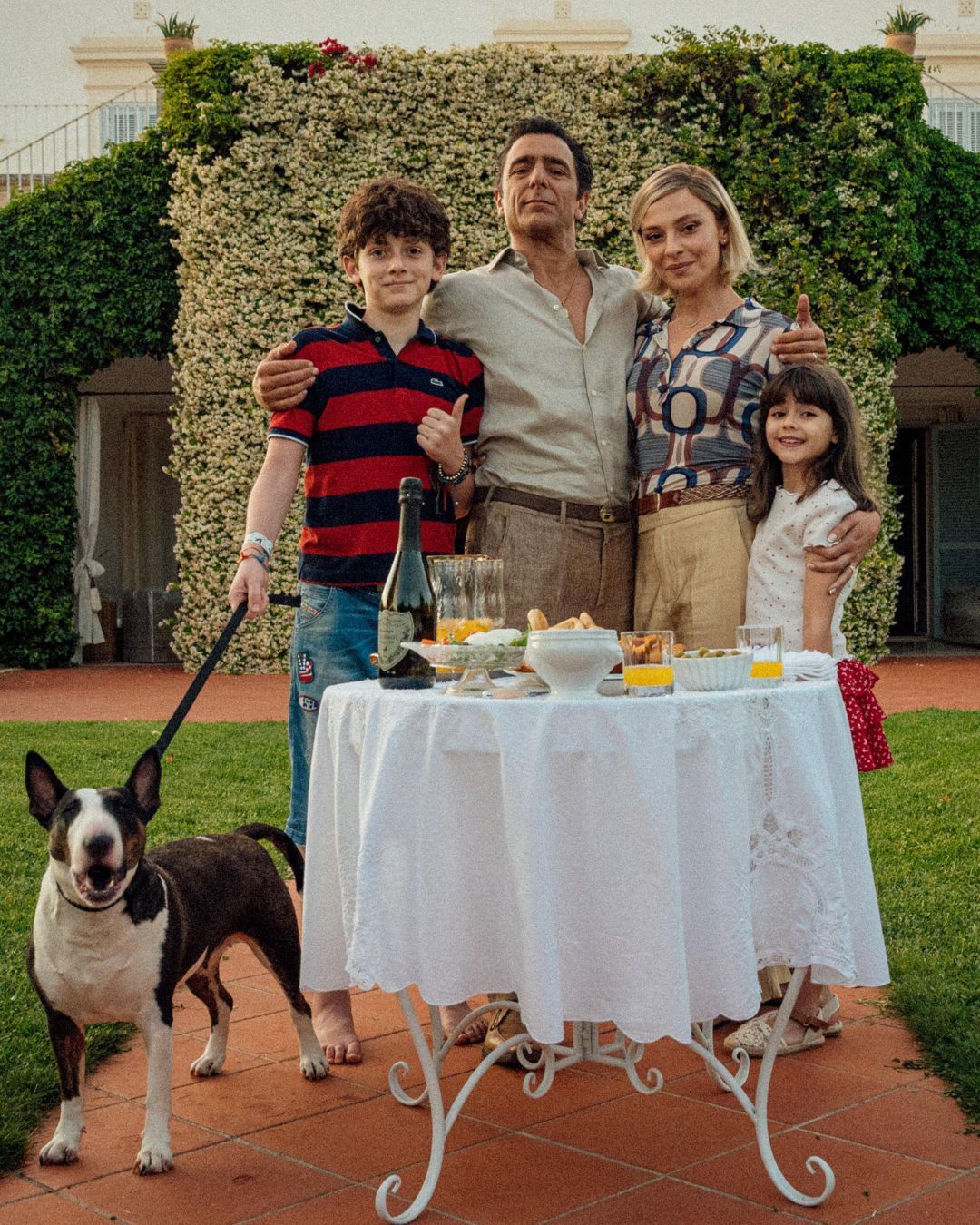
Before taking over Instagram Reels, TikTok, and YouTube Shorts, micro-dramas conquered China. The format began taking shape around 2018, partly inspired by serialized online novels, often packed with romantic entanglements, family secrets, and fantasies of social mobility. Moving from digital fiction to video was a natural next step. Platforms such as Douyin, the Chinese version of TikTok, and Kuaishou helped transform these stories into scripted productions designed for vertical screens. Serial storytelling, after all, was not invented by the algorithm. From serialized novels to soap operas, pop culture has always known that leaving audiences hanging is the best way to make them come back. The novelty lies in condensing that strategy into episodes shorter than a coffee break and turning it into an exportable business. The model has since expanded into international markets, with the United States emerging as one of its most fertile territories. Estimates of the industry's value vary, but they all point to rapid growth. According to Omdia data, the market is said to have surpassed $11 billion between 2020 and 2025, while DramaBox reportedly recorded 374 million downloads in 2025. The format has also started gaining traction in Italy with Tutto in una notte, a project by Fascino PGT and Mediaset launched in April 2026. It consists of 54 episodes, each lasting around one minute, and reportedly surpassed 23 million views.
Why are we so hooked on micro-dramas?
The appeal is not just about short runtimes. It is about delivering intense emotions without demanding too much time or concentration. Micro-dramas get straight to the point, trauma included, turning every episode into a small dose of suspense and instant gratification. Much like BookTok and its romance and romantasy obsessions, these stories rely on instantly recognizable character archetypes, conflicts that erupt almost immediately, and narrative justice that arrives right on cue, unless it gets postponed until the next episode. The humiliated heroine will get her revenge, the villain will be punished, and love will triumph, preferably after an arranged marriage and at least three secret identities. Real life, on the other hand, guarantees neither perfectly orchestrated revenge plots nor declarations of love delivered at exactly the right moment. Between financial insecurity, complicated relationships, and days that feel as though they were written by a screenwriter on strike, these stories offer a simpler world where every wrong can be righted and every problem solved with a kiss, a confession, or a well-aimed slap. Their over-the-top nature is part of the guilty pleasure. We do not have to believe in them. We just have to let ourselves get carried away. The trouble starts when what was supposed to be a five-minute break turns into an hour spent rooting for a stranger who is about to discover that she is the heir to a billionaire dynasty.
@sammyx.vertls #VERTICALMOVIES || I guess my week is going to full of shows…|| #noahandre #jacksontiller #noahfearnly #katherinerose My Moon My Man - Feist
A multi-million-dollar business powered by algorithms and artificial intelligence
Behind the melodrama lies a well-oiled commercial machine. Many platforms promote their titles with social media teasers edited to cut off precisely when curiosity reaches its peak. The first few episodes are often free, but continuing means buying virtual coins, unlocking installments, or signing up for a subscription. The cliffhanger thus becomes a sales strategy, because the question “What happens next?” can easily turn into an in-app purchase. In other words, shorter episodes do not necessarily mean less watching. Dozens of installments can keep us entertained for hours, turning content originally designed to fill a dead moment into a full-fledged evening ritual. It is hardly surprising that Hollywood is also watching the phenomenon with interest, exploring new investments and experimenting with more accessible forms of storytelling. For screenwriters, directors, and actors, it could offer new opportunities; for brands, it provides a way to tell their stories through a narrative rather than yet another commercial. But the gold rush has a less glamorous side, involving limited budgets, shoots crammed into just a few days, intense working schedules, and content generated or assisted by artificial intelligence. While AI can make production cheaper, questions remain about quality, creative labor, and working conditions across the audiovisual industry. Micro-dramas are not necessarily destined to replace traditional films and television series, but they could change the way we consume and judge a story. After all, we are not always looking for a masterpiece to remember for years. Sometimes, we just want to see the villain get what is coming to him, the billionaire confess his love, and the stepsister finally get exposed. Then perhaps we put our phones down. After the final episode, of course.
