





































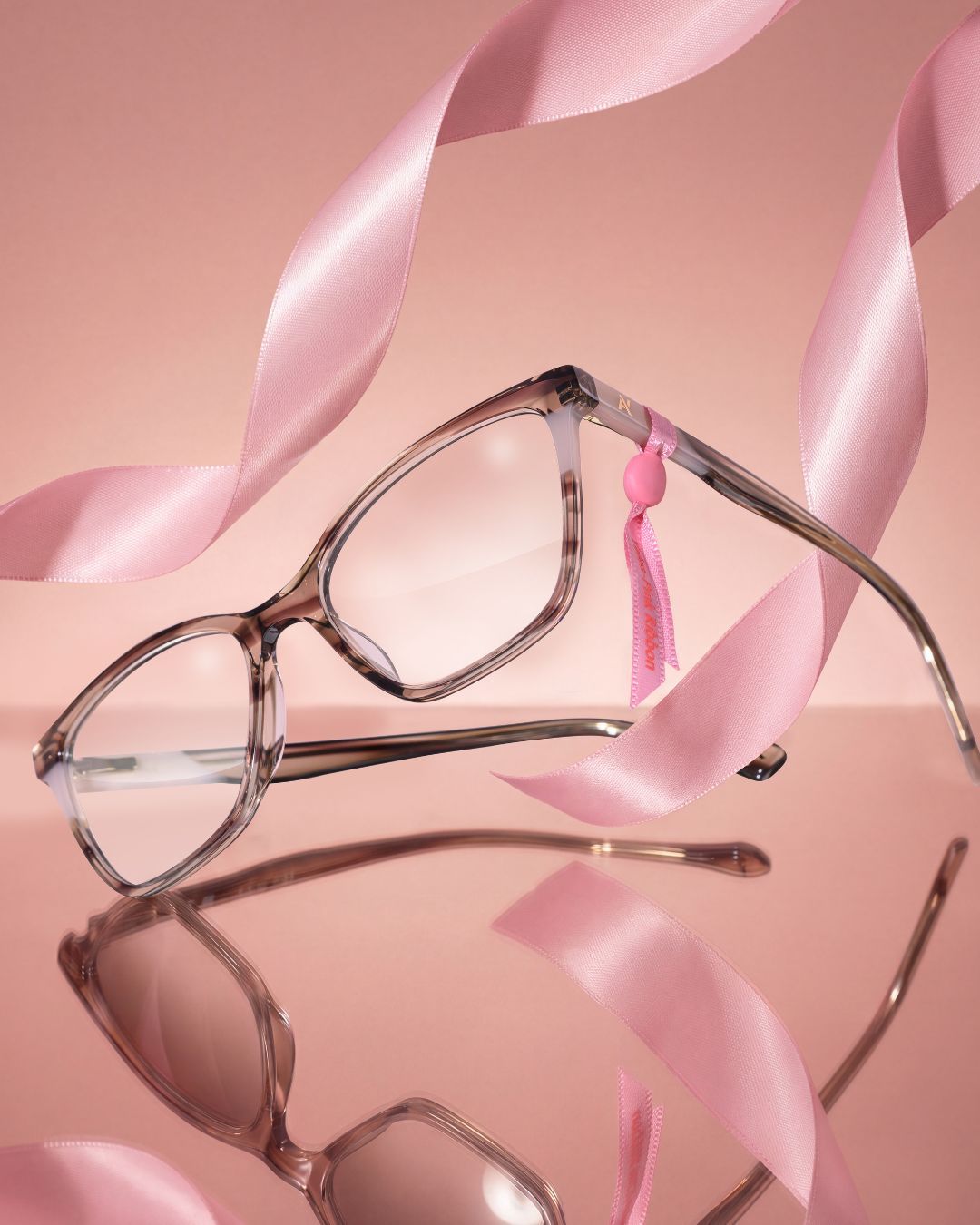











But did you know the history of pimple patches? From ancient Rome to Renaissance courts, through the 1920s and up to today
At this point, there's no denying it: pimple patches are everywhere. For the past couple of years, their presence has become almost (ironically) impossible to ignore. They come in a thousand different shapes, colours and styles, from barely-there, ultra-thin patches that are perfect under makeup to holographic stars and hearts. Some people wear them out of necessity, others purely for the aesthetic. But that's precisely the point: we've all used them at least once. And if you thought they were the invention of the century, it's time to come back down to earth: perhaps the most interesting thing about pimple patches is that they're not a contemporary trend born out of social media and selfies. Ladies and princesses also adorned their faces with tiny constellations to conceal imperfections. Here's the history of pimple patches.
The history of pimple patches
Before pimple patches, there were mouches
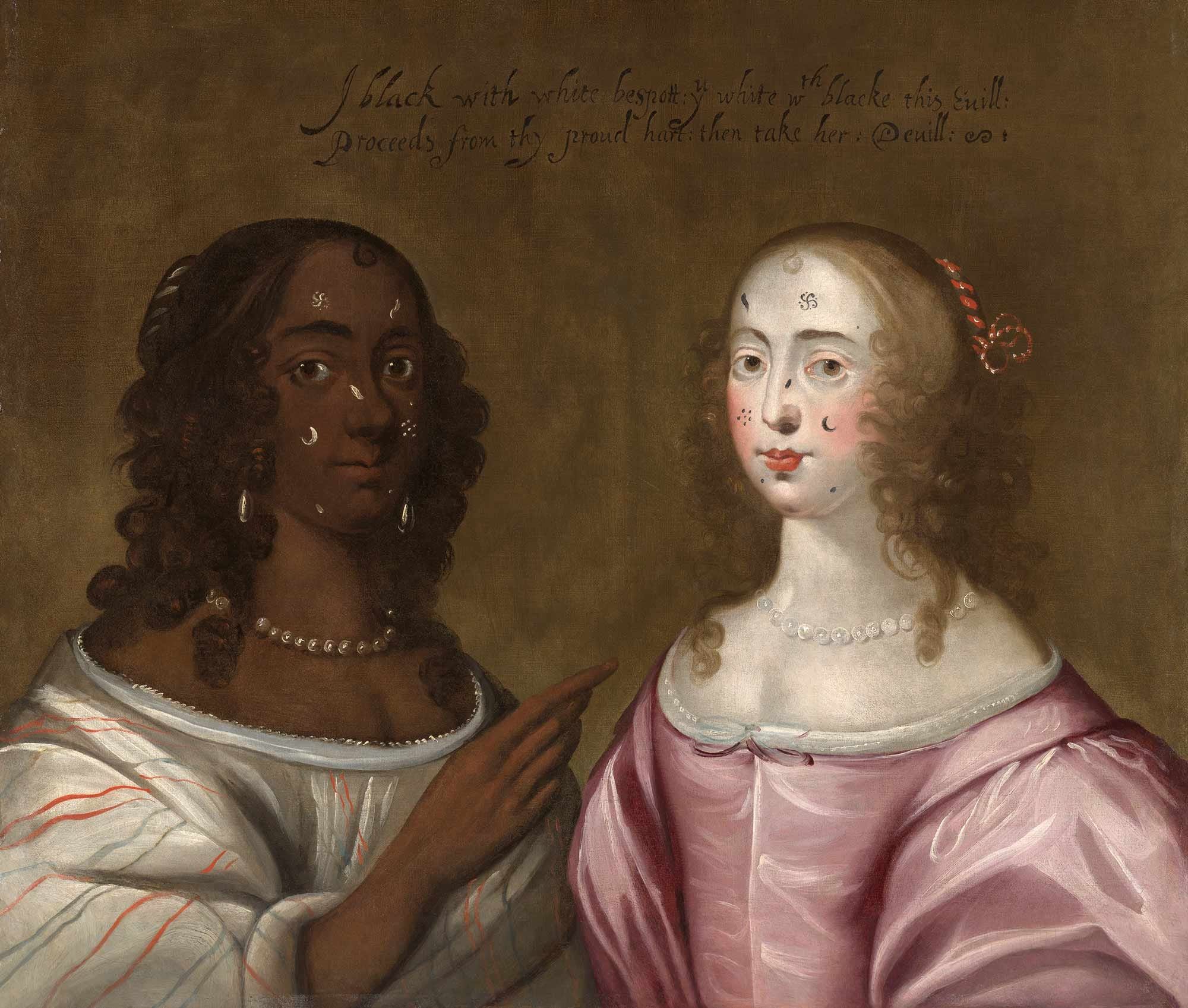
In fact, we've only told you part of the story: the origins of pimple patches go all the way back to ancient Rome. Small patches made from soft leather and treated with alum were used to cover spots and blemishes, passing them off as decorative beauty marks. It was in seventeenth-century Europe, however, that the practice became a fully fledged trend, particularly among aristocratic courts. The stars of the show were mouches, known in Italian as mosche (literally, flies): tiny pieces of paper, silk or velvet, usually black to contrast with the pale complexions favoured by the upper classes, applied to the face to conceal pimples, scars and other skin marks. But mouches weren't just there to disguise imperfections. They were also worn to accentuate facial features, placed on the cheeks, forehead or near the mouth. As historian Marlo Avidon recounts in Doing History in Public, in his diary entry of 5 May 1668, writer Samuel Pepys described Barbara Villiers, mistress of Charles II of England, moistening a small patch taken from a lady's face with her saliva before applying it beside her own mouth, probably to cover an emerging pimple and turn the redness into a "fashion statement". Centuries later, the scene doesn't feel all that different from our own routines in front of the mirror.
The secret language of pimple patches
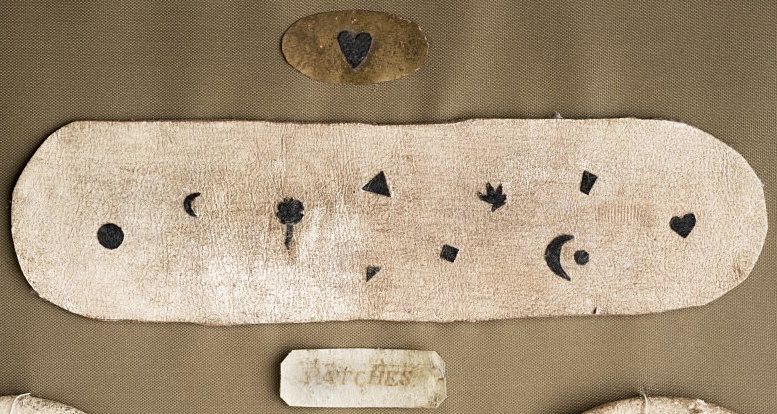
The fashion for mouches didn't remain confined to the French and English courts. It also reached Italy, leaving a curious trace in Venetian street names. As The Times explains, Venice has a street called "Calle de le Moschete", closely associated with the sale of these tiny patches. But the most interesting detail is that mouches eventually became a kind of coded language. In the seventeenth and eighteenth centuries, the position and shape of a patch could hint at the wearer's personality, as well as communicate political or romantic messages. Not everyone approved of the trend, though: some moralists regarded mouches as a symbol of vanity and debauchery, while others feared they were being used to conceal the signs of sexually transmitted diseases.
The trend's return in the early 1900s
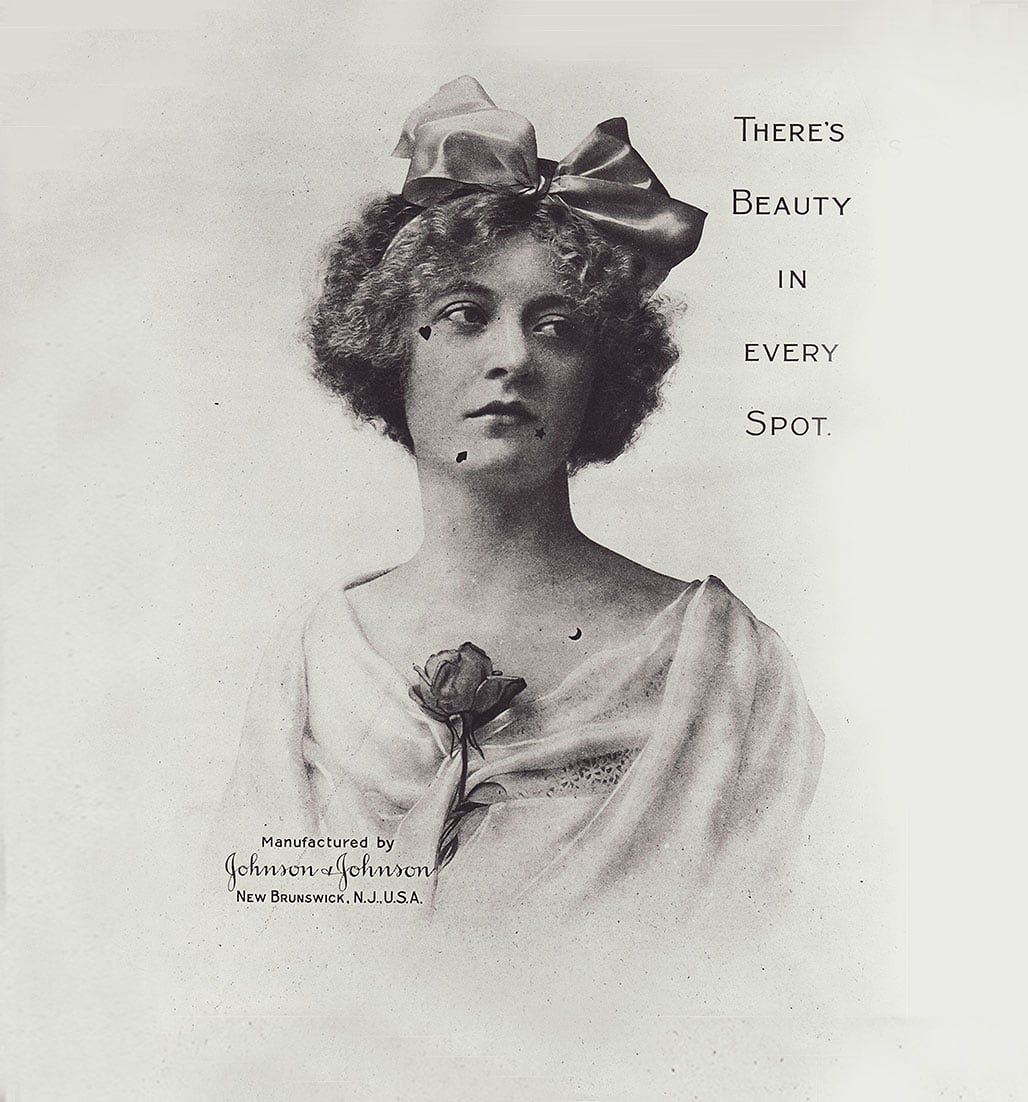
At the beginning of the twentieth century, patches made a comeback as commercial products: between 1913 and 1915, Johnson & Johnson was selling packs of adhesive beauty spots. Throughout the 1920s, these little accessories remained in circulation, even appearing in fashion magazines of the time. By then, one thing was clear: they were no longer just a way to cover skin marks, but a fully fledged beauty product to buy and use however you pleased. And that's how they've made their way back to us today: a tiny sticker to adorn the face.
