













































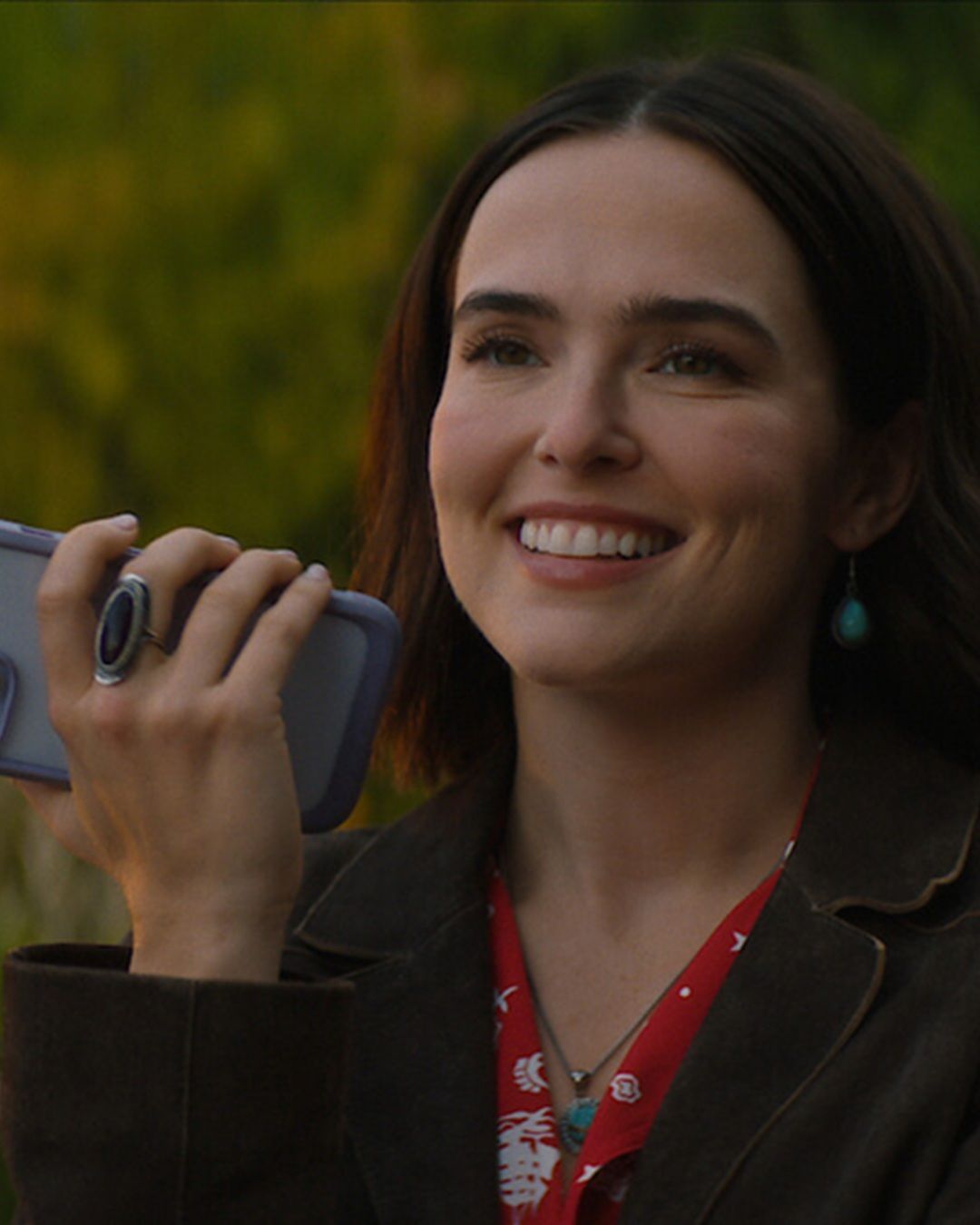
Voicemails for Isabelle and the return of the classic romantic comedy Zoey Deutch and Nick Robinson star in the Netflix movie that is winning over rom-com fans
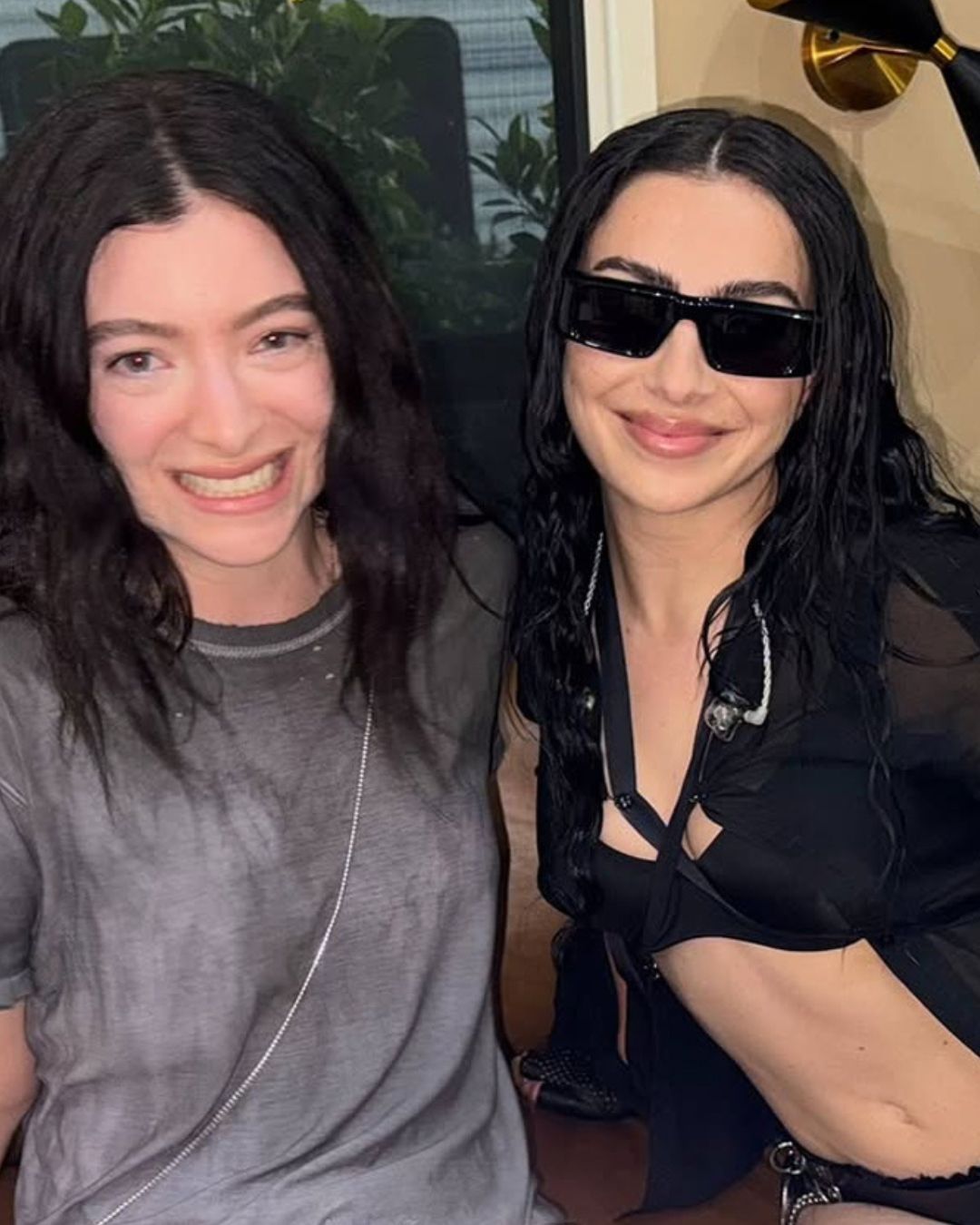
In just a few days, Voicemails for Isabelle climbed to the top of the most-watched titles on Netflix, quickly earning its place not only in the platform’s charts but also across social feeds, stories, reels, and posts. It has quite literally found its way into viewers’ hearts, especially those who love a good rom-com, thanks to the chemistry between Zoey Deutch and Nick Robinson. The pair leads this charming story directed and written by Leah McKendrick, a film that stands out as something of a rarity among recent romantic releases, which are mostly adaptations of novels already boosted by platforms like BookTok. This time, instead, we are looking at an original work that, if it draws inspiration from anything, it is from the broader legacy of cinema history it lovingly references and pays homage to. It brings back a narrative device that should not be underestimated in romance: the use of communication tools that build a connection between characters before they even meet.
A love letter to classic rom-coms: the inspirations behind Voicemails for Isabelle on Netflix
It is no coincidence that the protagonists Jill (Deutch) and Wes (Robinson) repeatedly mention Meg Ryan and Tom Hanks. Sleepless in Seattle and You’ve Got Mail - the latter explicitly referenced by the characters in one scene - are not only two of the most iconic and influential rom-coms in film history, but also stories about connecting as souls and inner selves before connecting physically. In these 1990s films, relationships are built in two stages: at first, there is only the idea of the other person, and later the characters finally “find” each other in the same place. These points of connection are what give both characters and viewers the reassuring sense of a universe with its own order, where the inevitable meeting that binds the lovers together forever is simply meant to happen.
The voicemail that changes everything
If Sleepless in Seattle began with a radio station and You’ve Got Mail with early email exchanges, Voicemails for Isabelle connects Jill and Wes through a voicemail inbox. After losing her younger sister to a genetic illness, Jill continues to call her old number, leaving long messages filled with her emotions, daily life, and dreams as an aspiring pastry chef, alongside a string of failed dates. What she does not know is that after her sister’s passing, the number was reassigned to someone else: Wes, a real estate agent (Robinson). Captivated by Jill’s voice and energy, he decides to travel to San Francisco to explain the mix-up. But after meeting her, afraid of ruining everything, he chooses to stay silent—until the inevitable consequences unfold.
A familiar formula told with heart: review of Voicemails for Isabelle
While it does not reinvent the genre, the film cleverly reshuffles some of the most recognizable narrative beats of romantic comedies, using them to its advantage and revealing a genuine love for the cinematic tradition it belongs to. It is a work that understands the films that shaped the genre and proudly aspires to them, striving to do justice to both its characters and its audience. Balancing drama and discovery is Zoey Deutch, who continues her path as a modern rom-com heroine. Her energy remains the spark of every romantic project she leads, including her return to Netflix after Set It Up (2018), which gained praise for its faithful embrace of the genre alongside Glen Powell.
A timeless rom-com for today’s audience
Voicemails for Isabelle brings everything into play: the ideal female lead, a city that becomes a stage for the story (San Francisco), a blend of classic and contemporary sensibilities, and the familiar rush toward finding the love of one’s life. It echoes once again Meg Ryan, this time recalling her in When Harry Met Sally opposite Billy Crystal. It is a connection between us and others, whether through a phone call to someone or a message sent out into the universe.