








































After-sun: how important is it and which ingredients to look for In search of the perfect INCI
After a day at the beach, by the pool, or simply spent in the sun, we’re all pretty good at remembering our sunscreen. After-sun care, on the other hand, is often forgotten. Yet that’s exactly when the skin needs a little extra attention. Sun exposure, salt water, chlorine, and heat can leave it drier and more sensitive than usual, which is why a good after-sun formula can make a real difference. But which ingredients should we actually be looking for on the INCI list?
After-sun care: why it matters and which ingredients to look for
After-sun is more than just a moisturizer
It’s easy to think that a regular body lotion does more or less the same job as an after-sun product. After all, they both hydrate the skin, right? Not exactly. After-sun formulas are specifically designed to address what happens to the skin after hours of sun exposure: dehydration, heat sensations, redness, and a compromised skin barrier. That’s why, alongside classic moisturizing ingredients, they often contain soothing and repairing actives that help calm the skin, provide immediate relief, and reduce inflammation or irritation caused by heat and UV exposure. In other words, they do more than hydrate, they actively help the skin recover after sun exposure and return to a more balanced, comfortable state.
Aloe vera and panthenol
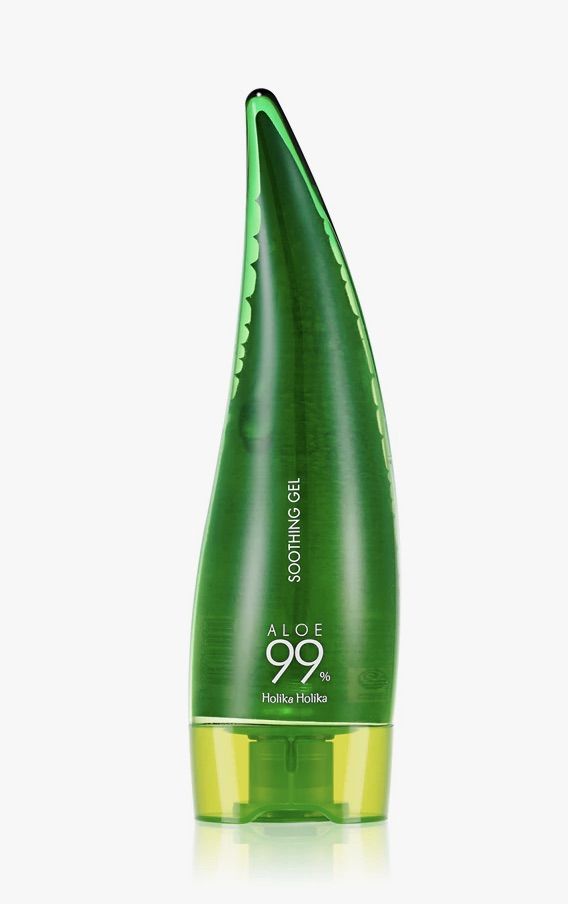
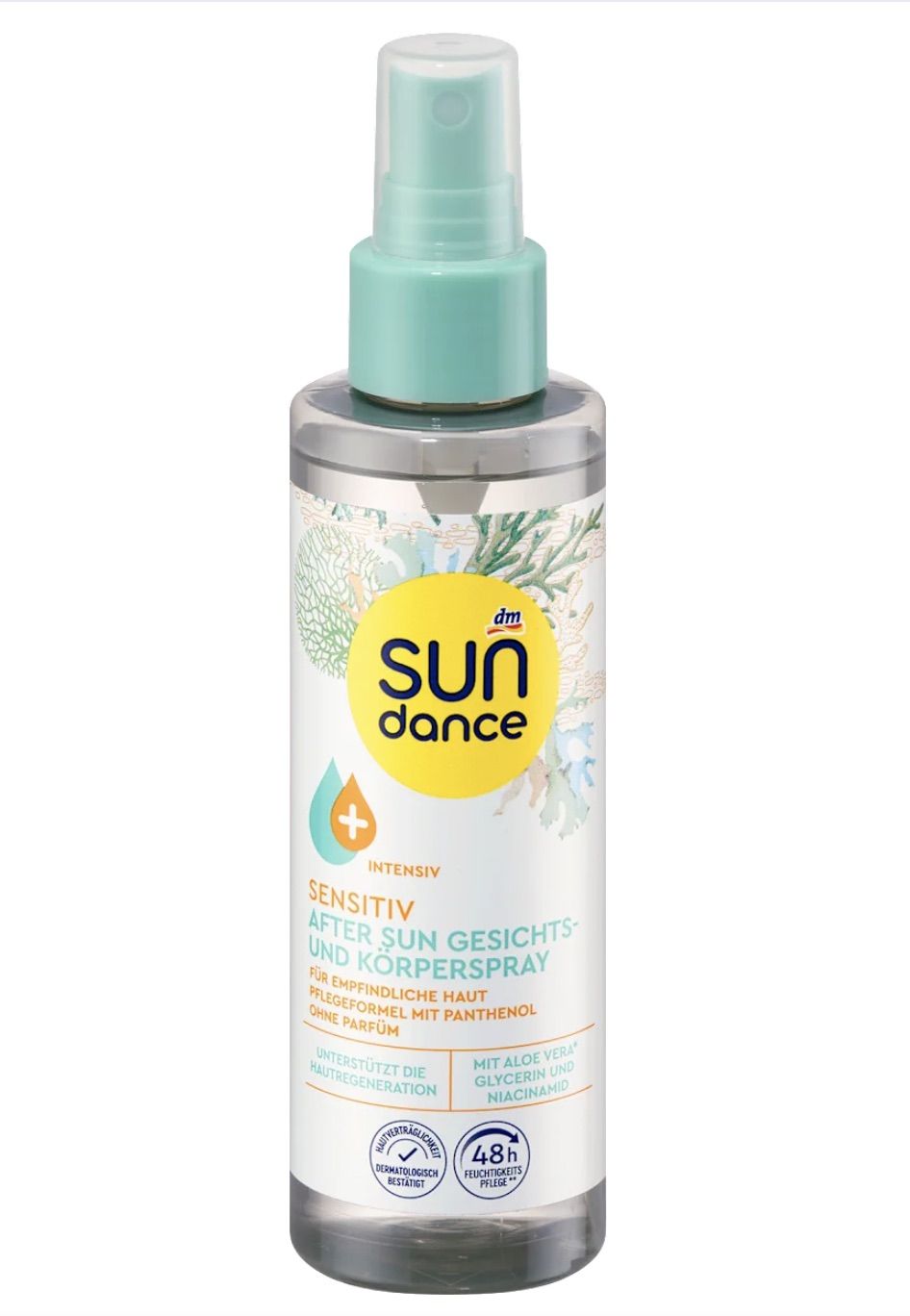
Among the most effective and timeless after-sun ingredients, aloe vera and panthenol are undoubtedly at the top of the list. Aloe vera is probably the one we all know best: as soon as you apply it, it delivers an immediate cooling and soothing sensation, almost as if it were switching off the skin’s lingering heat. Beyond that, it also has soothing and hydrating properties, which is why it’s often found in after-sun gels, especially those formulated for sensitive skin. Panthenol, meanwhile, is the well-known provitamin B5. It’s highly effective at keeping the skin soft and hydrated while also supporting skin repair processes. It’s particularly useful when the skin feels slightly sunburned, tight, dry, and red after sun exposure.
Hyaluronic acid and glycerin
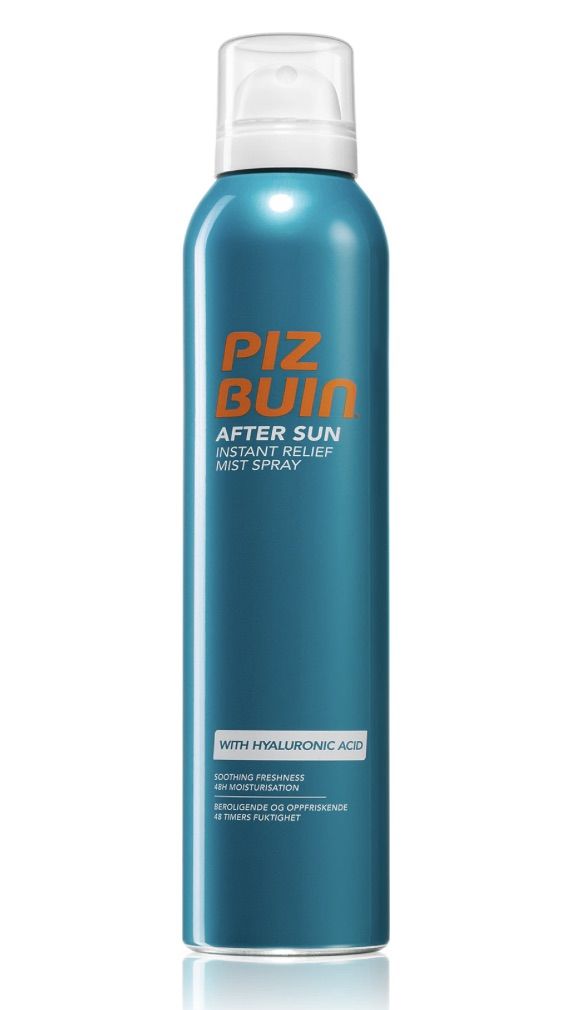
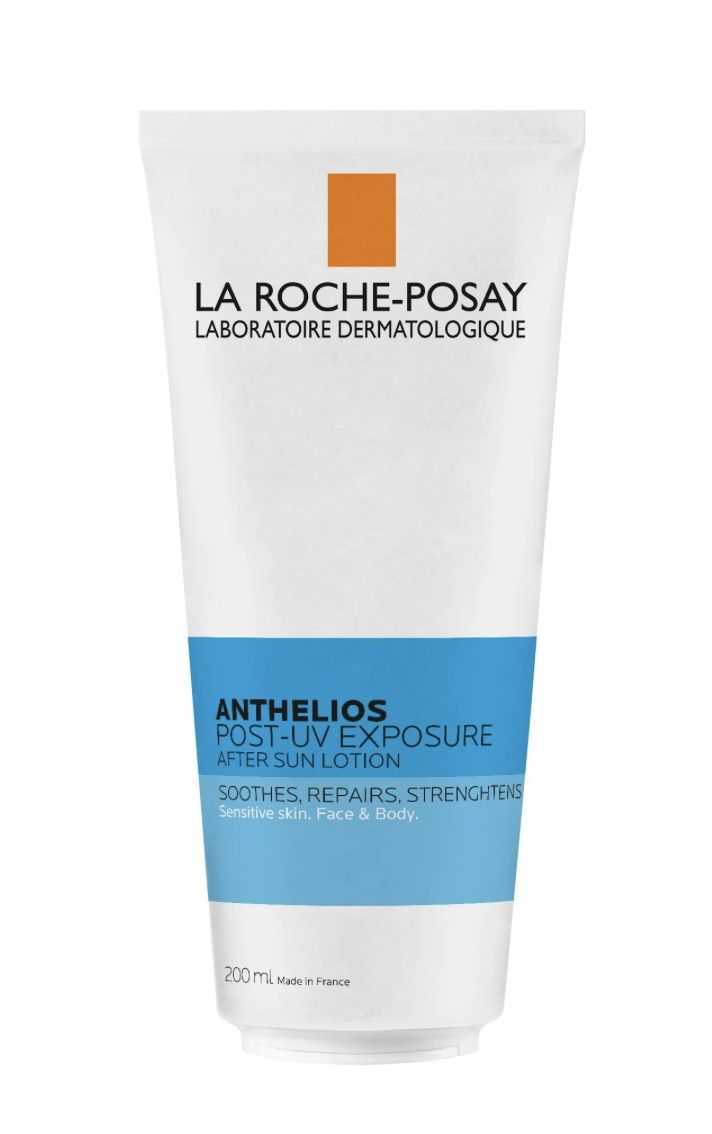
One of the most common effects of a day in the sun is dehydration: the skin loses water more easily and often feels drier than usual. This is where humectant ingredients such as hyaluronic acid and glycerin come in, making them particularly valuable in after-sun products. Hyaluronic acid is famous for its ability to retain large amounts of water, helping the skin stay more elastic and appear plumper. Glycerin, on the other hand, is often underestimated even though it is one of the most effective humectants available: it attracts moisture and helps reduce that uncomfortable feeling of dryness that often follows hours of sun exposure.
Ceramides and lipids
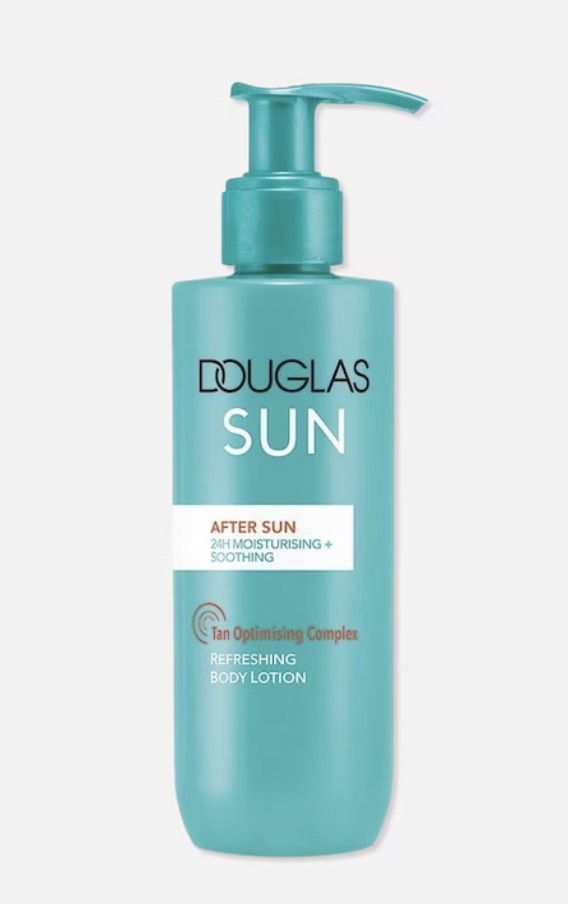
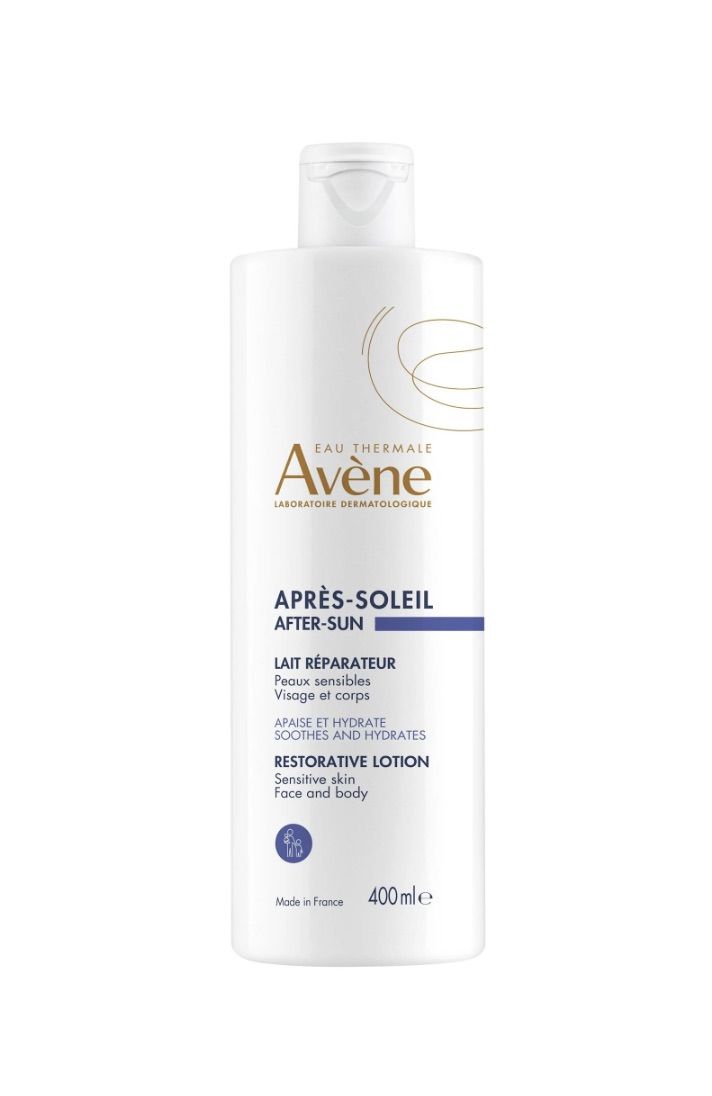
If your skin feels particularly dry or stressed after sun exposure, more sensitive than usual, noticeably red, and almost rough to the touch, it’s worth looking for formulas containing ceramides, squalane, or other lipids, as this often indicates that the skin barrier has been weakened. These ingredients work on a deeper level by helping strengthen the barrier and gradually restore balance, supporting a faster recovery process.
Antioxidants and vitamins
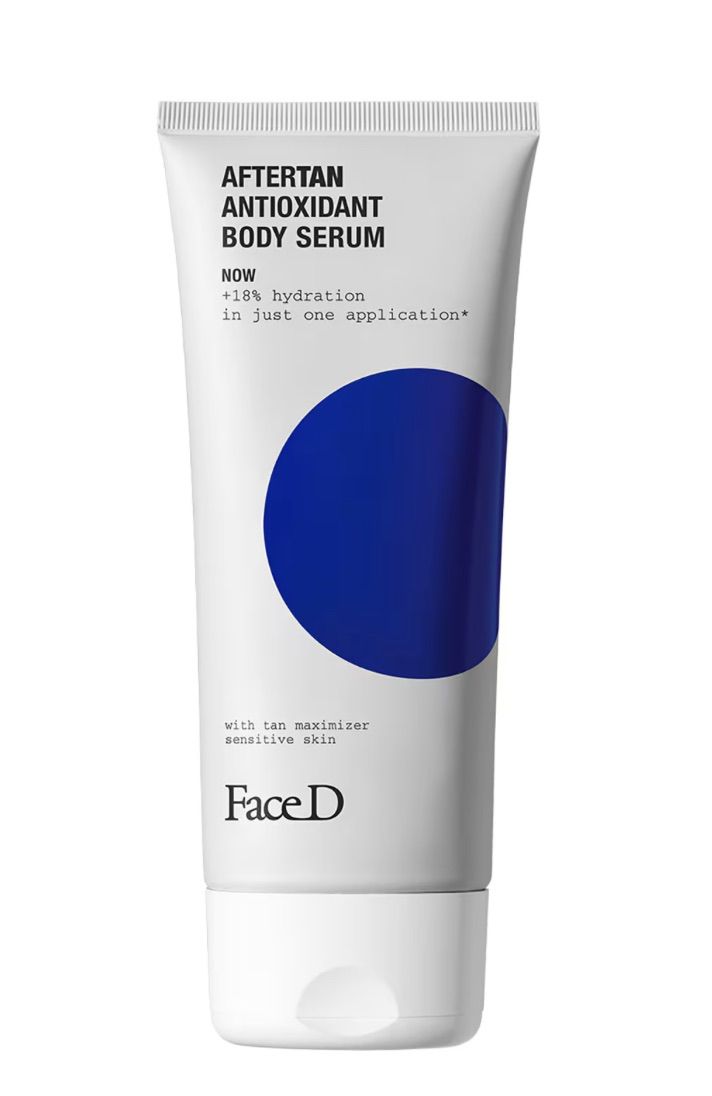
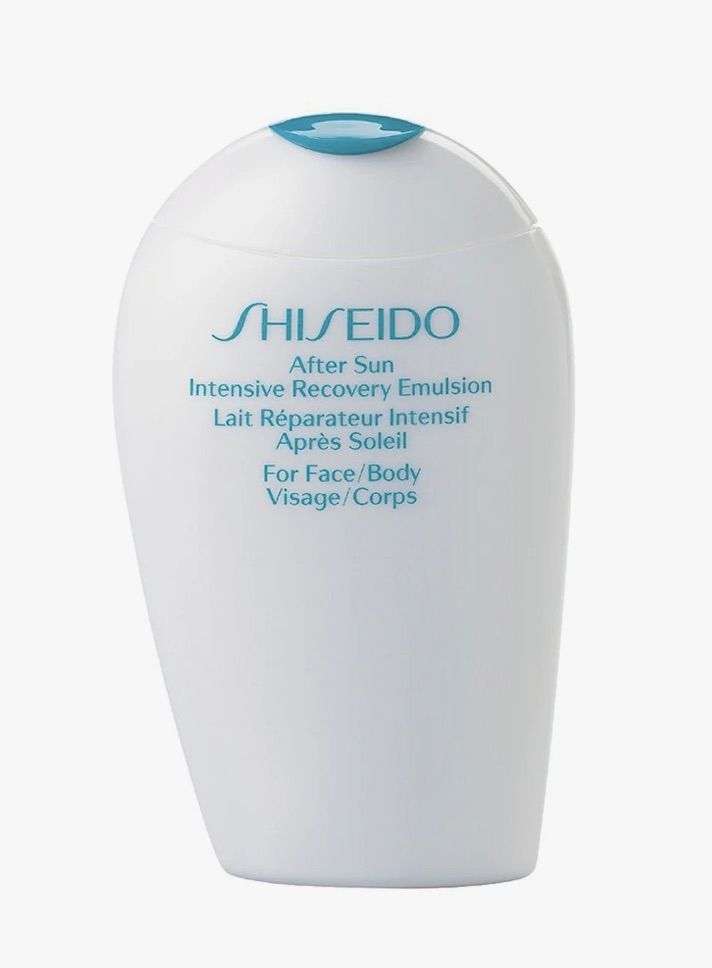
Many people forget that antioxidants can also play an important role in after-sun care. Ingredients such as vitamin E, vitamin C, and niacinamide help counteract some of the oxidative stress caused by UV exposure, supporting the skin’s recovery process while helping it maintain a brighter and more even-looking appearance.
What to avoid
After sun exposure, the skin tends to be more vulnerable, there’s no doubt about that. For this reason, it’s best to choose products that are free from high concentrations of alcohol, overly intense fragrances, and harsh exfoliating actives such as high-percentage acids. At this stage, there should be only one keyword: restoration.
What to read next

Real baddies have found their favorite activewear brand
It's called SWT, it comes from Australia and it has just launched a new capsule collection

"I find beauty in what makes me happy"
Interview with Garance Murru, which you've probably seen on TikTok
Halloween make-up inspired by the most iconic runway shows
From Christian Dior by John Galliano to Matières Fécales