













































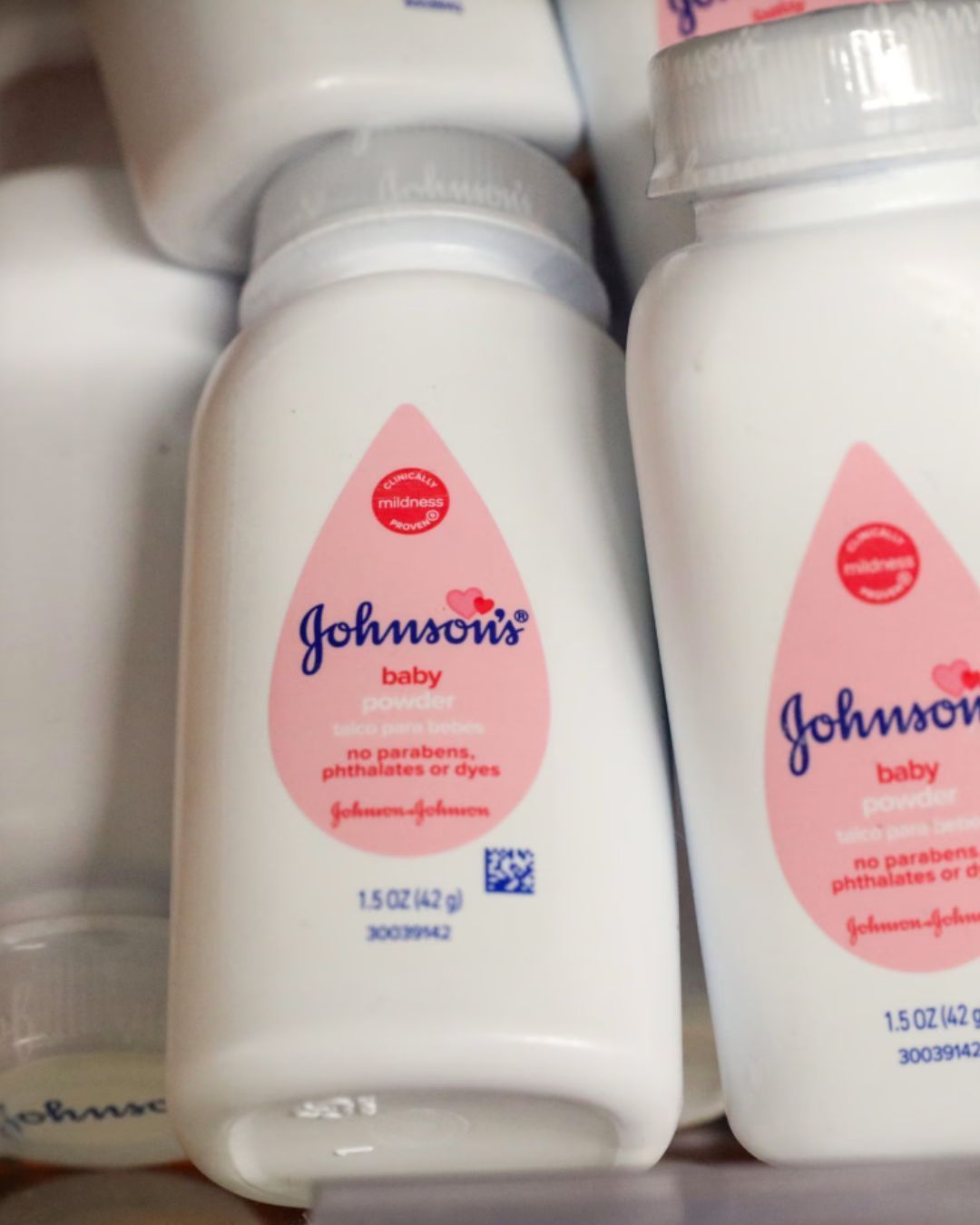
Johnson & Johnson: the billion-dollar big lawsuit that shakes the talc company The company proposes a large agreement to close more than 76 thousand claims for compensation related to the risk of ovarian cancer
Johnson & Johnson's baby powder, known worldwide as Baby Powder, is at the center of one of the biggest legal disputes faced by the American multinational. Johnson & Johnson has proposed an agreement worth about 5.5 billion dollars to close thousands of lawsuits filed by women who claim that the use of talc-based products is linked to cases of ovarian cancer. The agreement would concern about 76,000 claims for compensation and would represent the company's attempt to put an end to more than fifteen years of judicial litigation. According to Reuters, the agreement does not constitute an admission of liability on the part of the company, which continues to reject the allegations.
The accusations about talc, asbestos and the risk of cancer
The case stems from the complaints of thousands of consumers who have accused Johnson & Johnson of not having adequately informed about the possible risks associated with its talc-based products. At the center of the dispute is above all the possible link between the use of talc in intimate areas and the increased risk of ovarian cancer, in addition to the fear of possible contamination by asbestos, a substance recognized as carcinogenic. The company has always maintained that its talc was safe and has denied that there is definitive scientific evidence capable of demonstrating a direct relationship between the use of its products and the development of cancer. In an official note, Johnson & Johnson reaffirmed its position, explaining that it had chosen the path of agreement to resolve a lengthy judicial dispute and ensure greater certainty about the company's future.
The debate, however, is not just about the courts. In 2024, the International Agency for Research on Cancer (IARC) of the World Health Organization classified talc as “probably carcinogenic to humans” (group 2A). The assessment is based on limited evidence in humans related to ovarian cancer and on evidence from experimental studies. The IARC itself has emphasized that the classification concerns the potential danger of the substance and does not mean that every exposure to talc necessarily causes a tumor.
Judicial developments and the impact on the future of the brand
Over the years, the judicial case has had mixed developments. Some U.S. juries have awarded millions of dollars in compensation to the women who sued, while other courts have dismissed the charges against the company. Johnson & Johnson had also tried to resolve the dispute through bankruptcy proceedings by the subsidiary LTL Management, but the attempt was blocked by American courts. The battle over talc has thus become a symbolic case of the relationship between large multinationals, consumers and transparency. Beyond the billion-dollar amount of the agreement, a central question remains: what responsibilities should companies assume when doubts arise about the safety of products used every day by millions of people? For the women involved, many of whom have described their journey with the disease, the agreement represents economic recognition after years of legal battles. For Johnson & Johnson, on the other hand, it is an attempt to close one of the most important reputational crises in its history.
What to read next

Do we really need products that enhance the appearance of our intimate areas?
Gynecologists' advice

Fatphobia goes beyond the gym
The social media testimonials speak clearly: something must change

Practical tips for the change of season
The transition from winter to spring is not easy for everyone