


















The stars get married, we watch From Taylor Swift to Me Contro Te, weddings are increasingly a content to observe, comment on and, perhaps, monetize
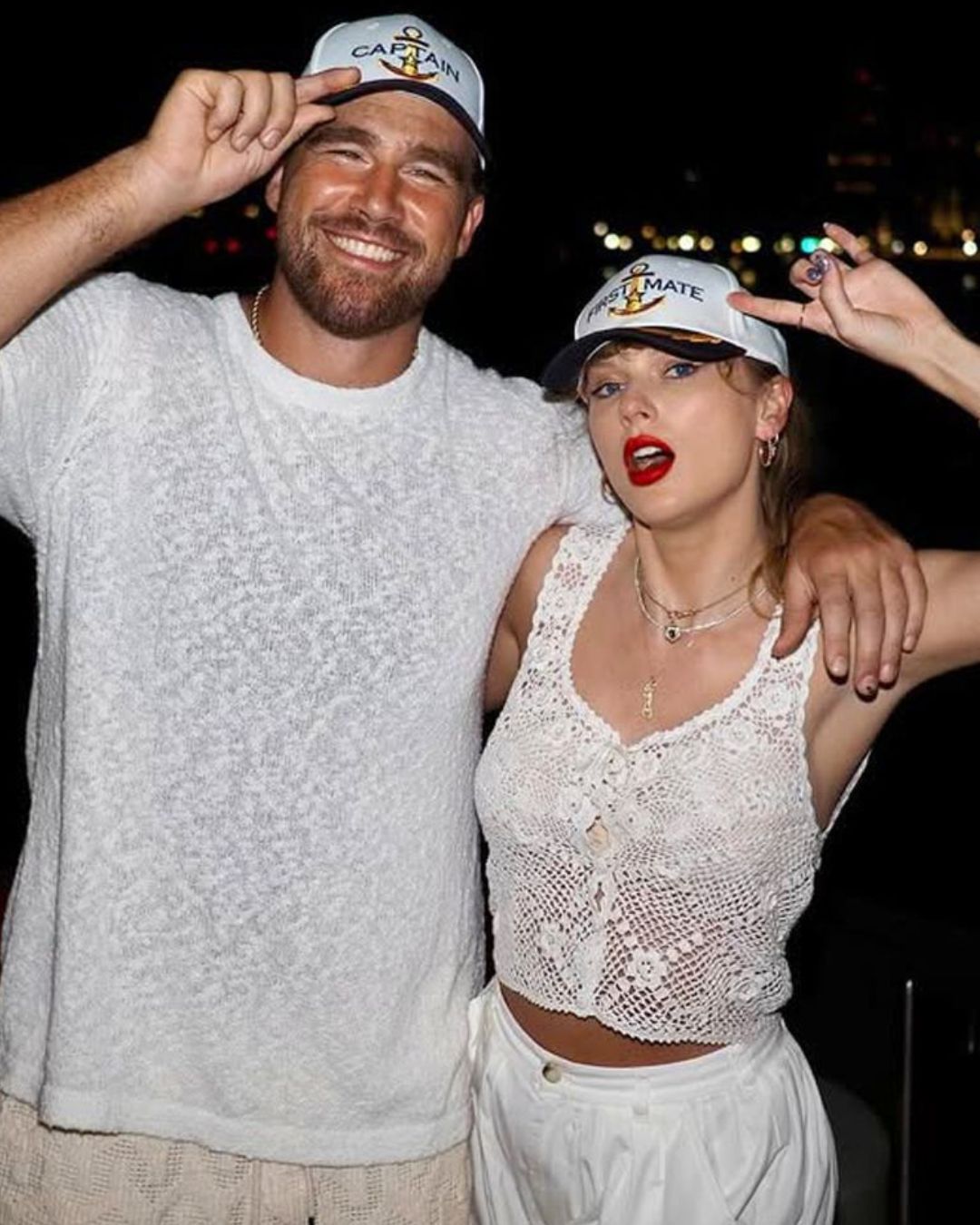
If we were to draw from the archive of memory a symbolic image of the marriage between celebrities, we would be spoiled for choice. There are the Beckhams dressed in purple, Bianca Jagger in the Saint Laurent suit and the wide-brimmed hat, the only official photograph of the union between John Fitzgerald Kennedy Junior and Carolyn Bessette, Celine Dion's headdress with three thousand Swarovski crystals. And we could go on for a long time. Stars' weddings have always had the power to transform into a collective event, capable of attracting public attention and arousing the curiosity of fans. The latest demonstration comes from Taylor Swift and Travis Kelce, whose marriage succeeded in becoming a media case even before it was celebrated.
Taylor Swift: marriage as a global media event
Today, however, it is no longer enough to wait for the wedding day to arrive on newsstands on the pages of a magazine. The wedding is followed in real time, analyzed, commented on, transformed into content and, in the case of a couple like Taylor and Travis, it can become a global media event even without the bride and groom showing practically anything. This is precisely the point: in the era of social networks, the wedding of celebrities - but not only - is no longer just an event to tell, but a real narrative machine. And it's no coincidence that, as New York Magazine writes, seeing their wedding published by Vogue has become one of the main objectives of many American brides (those who can afford weddings up to the magazine's standards, of course).
Weddings become a personal portfolio
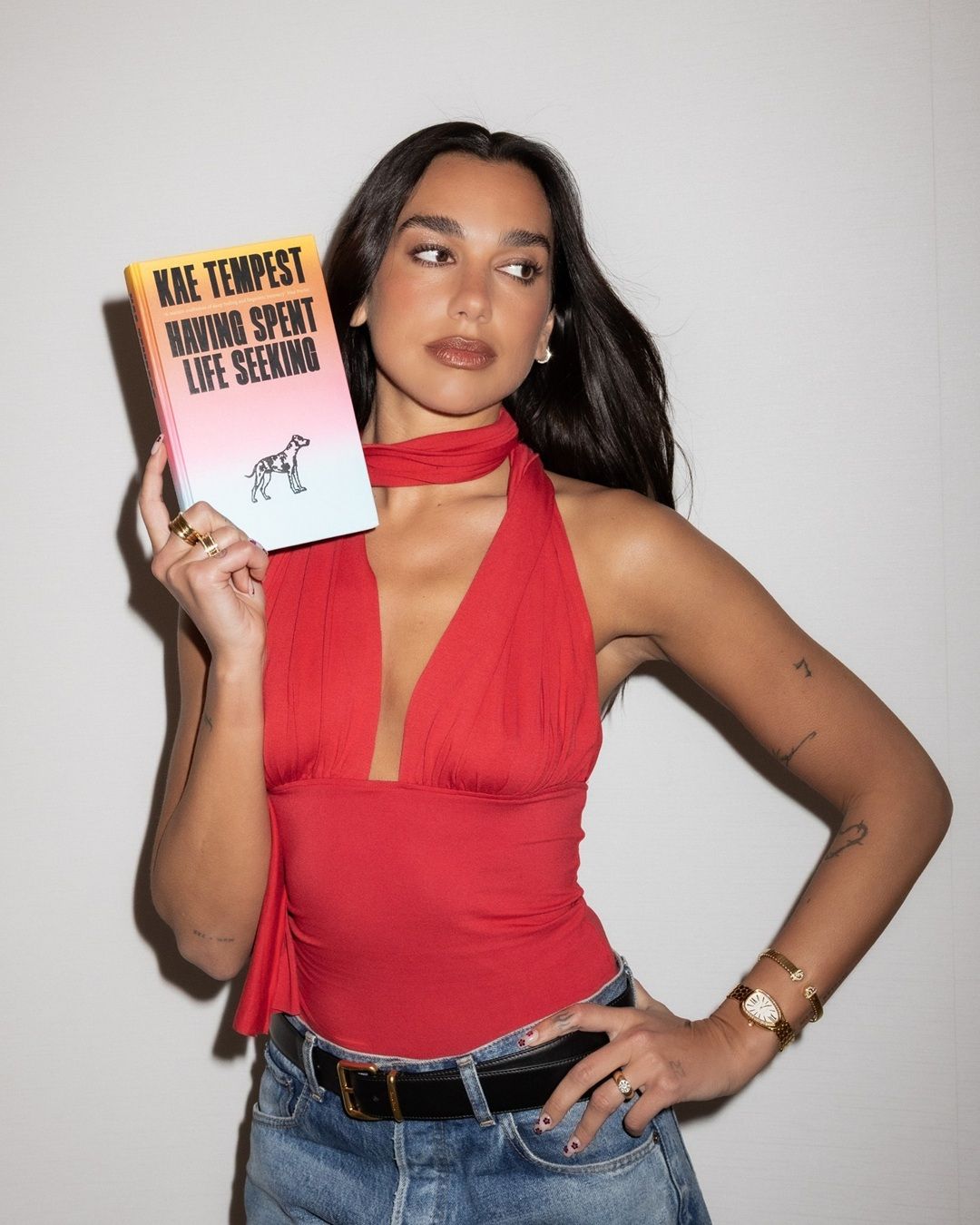
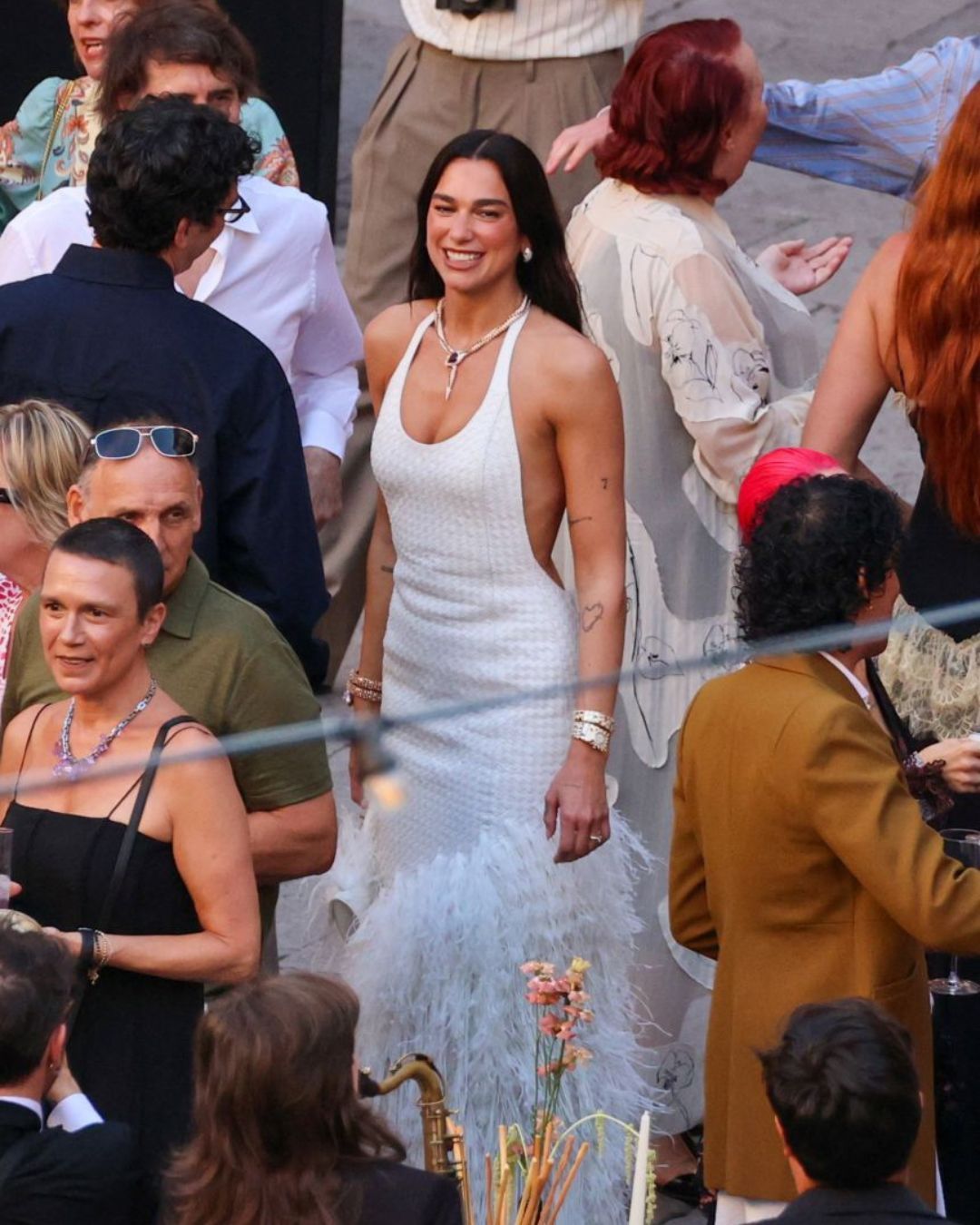
The thing also has its logic. A wedding brings together in a single event practically everything that a celebrity can transform into an image: fashion, beauty, jewelry, design, travel, food, architecture. Journalist Moya Lothian McLean defined it in her podcast If I Speak as “a tour of Architectural Digest, but of her own relationship.” A home tells who you are; a marriage tells who you are. And, possibly, how well you know how to tell it. The wedding thus becomes a kind of personal portfolio: Dua Lipa has married her tastemaker image also through the Schiaparelli look inspired by Bianca Jagger; Charli XCX has transformed her wedding into a perfectly coherent extension of her brat aesthetic universe. And then there's the opposite strategy: don't show anything. Zendaya and Tom Holland, for example, have chosen to keep the utmost confidentiality, transforming privacy into a kind of luxury and demonstrating that at a time when every moment of life can become contained, even escaping the media machine can become a form of personal branding.
Me contro Te and the wedding that becomes a show
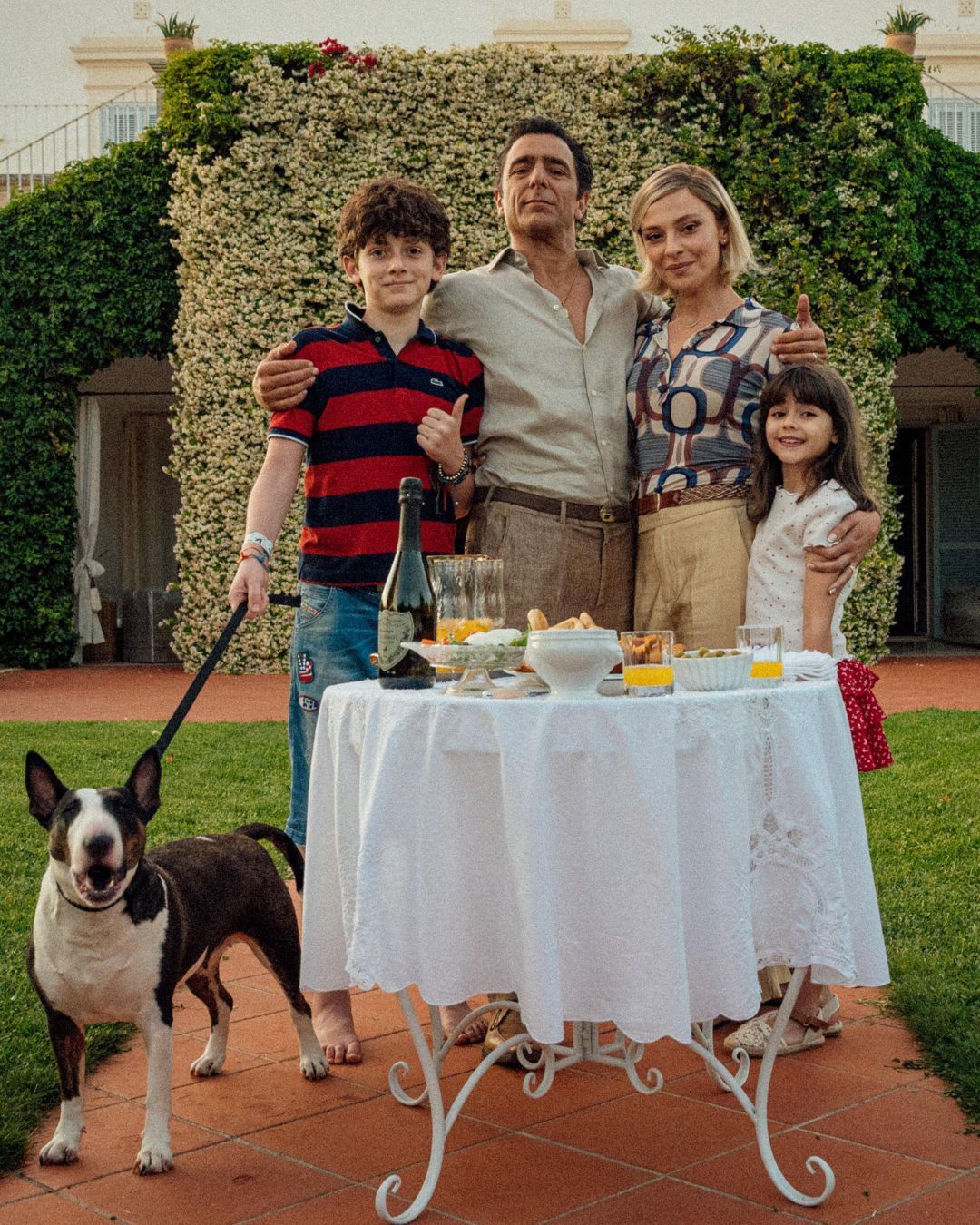
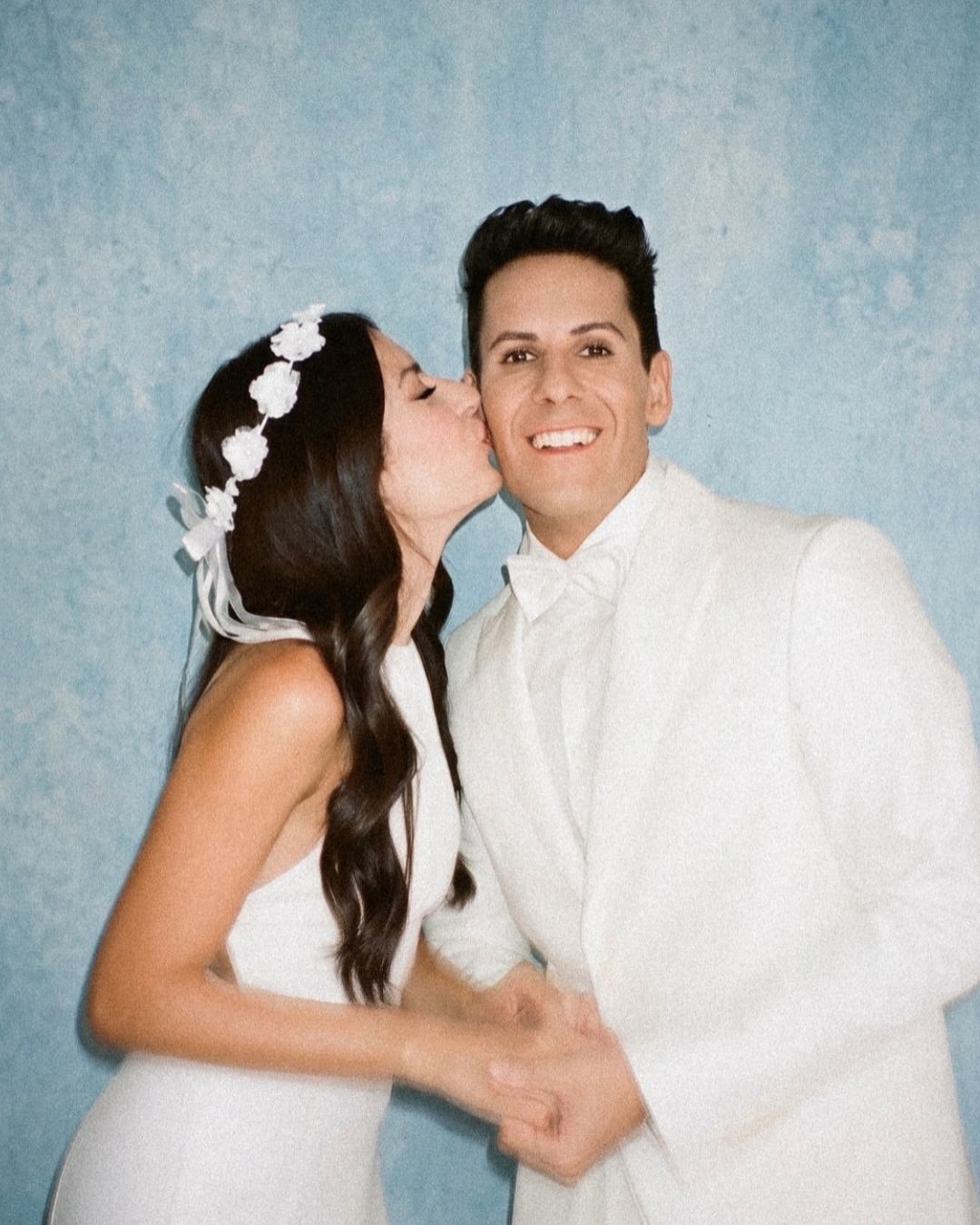
But if marriage can become content, personal branding and a tool for building a public image, why stop at its narrative? The last step is to transform it directly into a show (and, therefore, into a product). And this is where Me Contro Te enters the scene, the Italian creative duo much loved especially by younger audiences, who have decided to take their love story off the screen and into a real live event. Their wedding becomes a Wedding Show, with purchasable tickets, music, choreography, special effects and even premium formulas to meet the bride and groom. It's hard to imagine a more literal demonstration of marriage as a product: not only photographs, videos or access to some exclusive content are sold, but the experience of attending the wedding. The public, who for years followed the relationship through YouTube and social networks, is transformed into a sort of paying guest. And, on closer inspection, it's not that different from what celebrities do when they sell their wedding exclusivity to a magazine or build an entire branded content operation around the wedding: the entrance ticket changes, not necessarily the logic.
And if there are no photos, we create them with Artificial Intelligence
What has changed, on the other hand, is certainly the way in which we consume these events. When we can't witness something first-hand, we're hardly content with an image or two, or some indiscretion: we want to know, see, reconstruct and of course comment. And so, while Taylor Swift did not show anything about her wedding, the Internet sewed at least four different dresses on her thanks to artificial intelligence and some even went so far as to claim that the wedding at Madison Square Garden had never existed, but were only a diversion. We didn't see anything, and yet we said everything. If this is not media power.