




































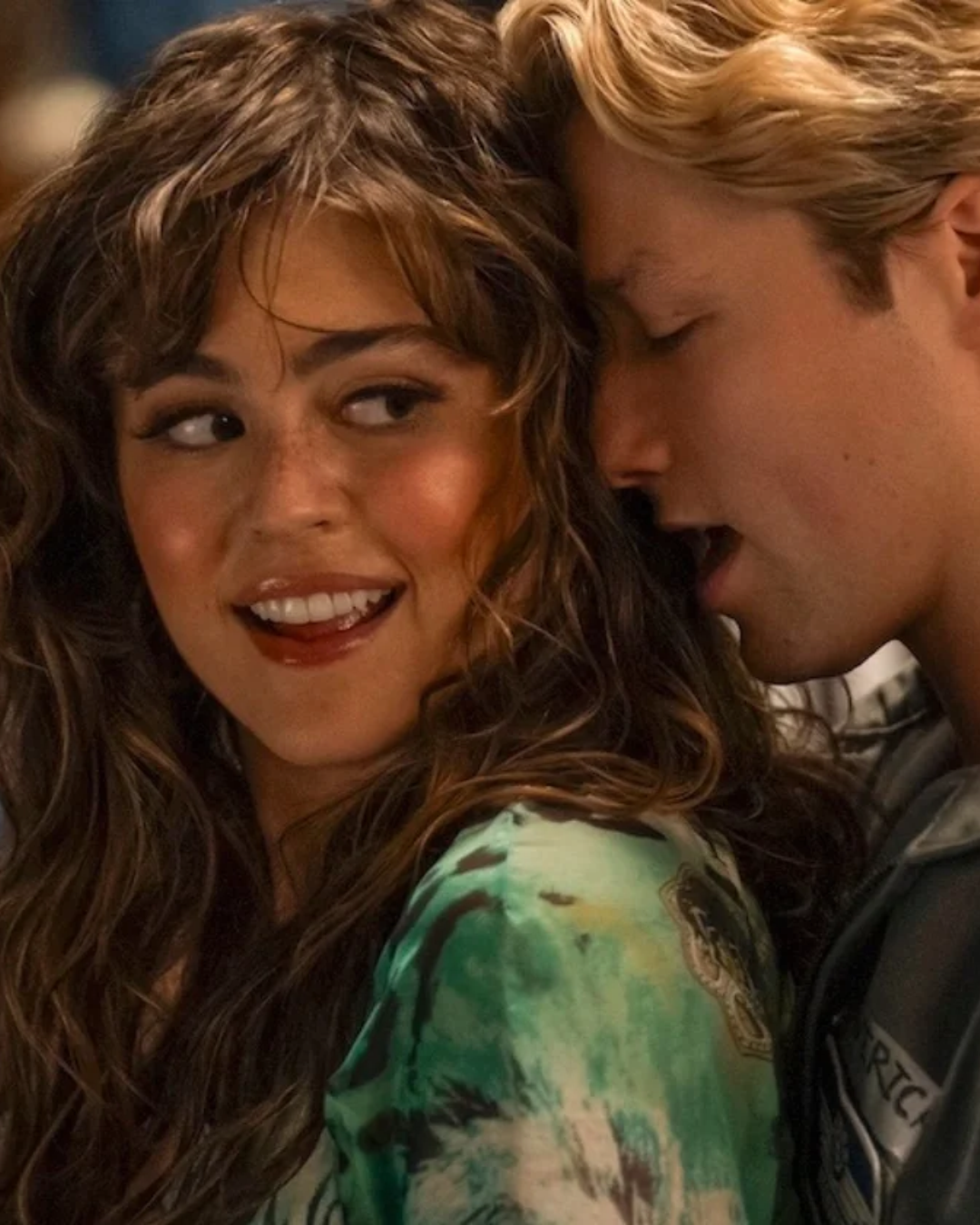
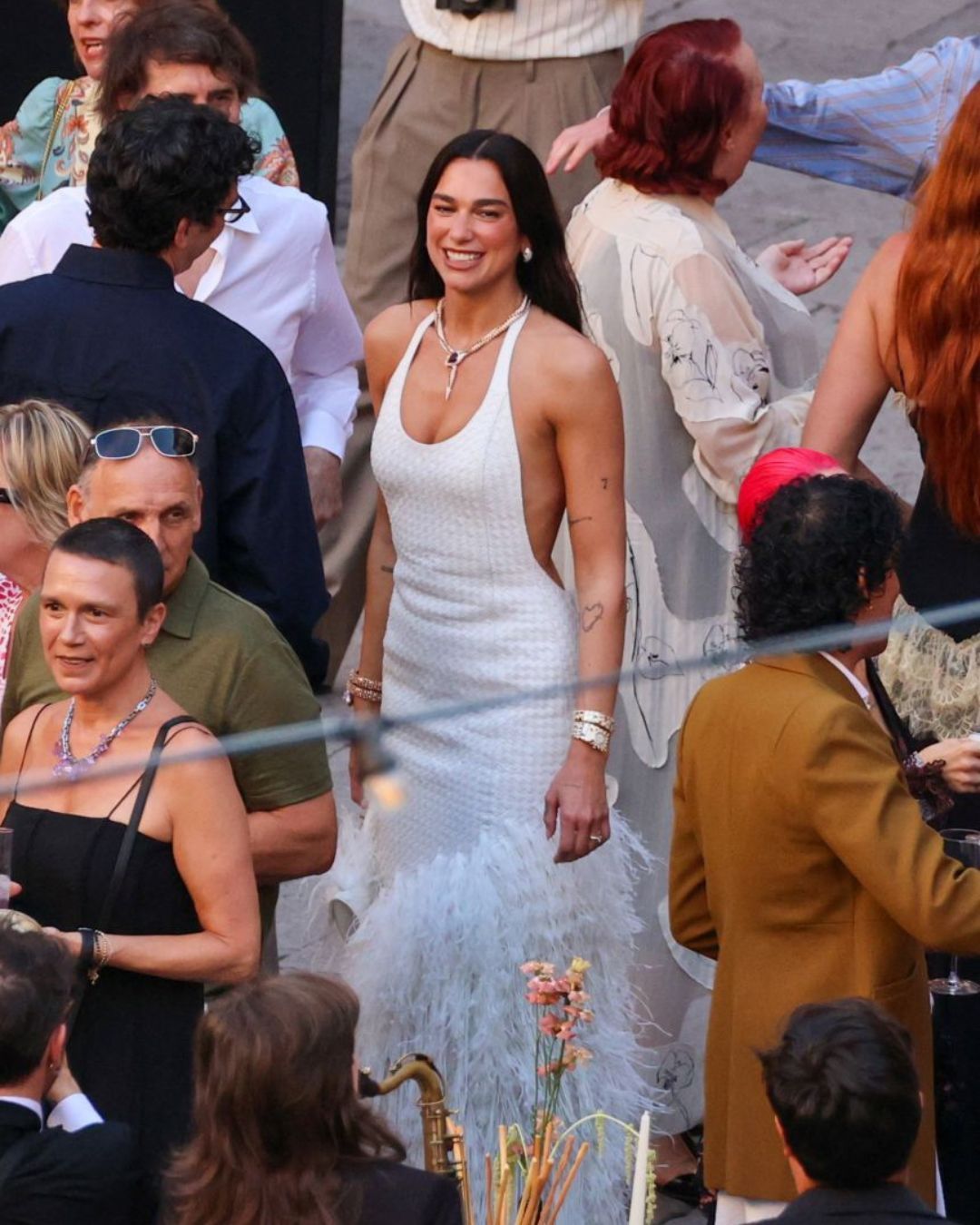
The weddings of the rich and famous have become a symbol of overtourism Yes, we are talking (also) about Dua Lipa and Callum Turner
The protests against the wedding of Dua Lipa and Callum Turner in Palermo did not emerge out of nowhere. They come at a time when many European tourist destinations are experiencing growing tensions between residents and the hospitality industry. In recent years, cities such as Barcelona, Venice, Lisbon and several locations across the Balearic Islands have seen demonstrations against overtourism. At the heart of these protests are not just the visitors themselves, but the perception that entire territories are being progressively adapted to the needs of outsiders, often at the expense of the people who live there year-round. In this context, the wedding of a celebrity like Dua Lipa is no longer just a private celebration.
Overtourism and luxury weddings: when a city becomes an exclusive venue, the case of Dua Lipa and Callum Turner
Today, a question emerges: where is the line beyond which a city stops being a lived-in place and becomes a backdrop? Protests against major private events often stem from this very feeling. Squares, historic palaces, beaches and old town centers are perceived as shared public assets that, even temporarily, are taken away from the community in order to become stages for exclusive experiences.
The environmental impact of luxury weddings and exclusive wvents
A major international event often involves private flights, dedicated transfers, yachts, temporary infrastructures, complex catering operations and a logistical supply chain that spans multiple countries. Sustainability experts point out that the luxury events sector can generate very high levels of emissions compared to traditional events, especially when guests are flying in from all over the world. The issue is not about demonizing a single wedding. Rather, these events make visible a contradiction that is increasingly being debated: while ordinary citizens are asked to reduce consumption and emissions, elites are still able to maintain lifestyles with an extremely high environmental impact.
Tourism gentrification: what happens when a place changes for visitors
In the case of Dua Lipa, an entire square in Palermo was rented out, preventing local business owners and the people who normally pass through it from accessing the area. In similar situations, many cities report rising rents, the conversion of apartments into short-term accommodations and the gradual disappearance of services intended for residents. When a destination becomes highly desirable for tourists and affluent visitors, the risk is that the everyday lives of locals are pushed into the background. Celebrity weddings ultimately come to symbolize something that already exists year-round: the feeling that a place is increasingly designed for those who arrive and less and less for those who stay.
Why celebrity weddings are more controversial than ever
Ten or fifteen years ago, a dream wedding was often presented as an aspirational fantasy. Today, it is viewed through different lenses: the climate crisis, economic inequality, housing shortages and mass tourism. What has changed? The way many of us interpret luxury and privilege.
What to read next
The stars get married, we watch
From Taylor Swift to Me Contro Te, weddings are increasingly a content to observe, comment on and, perhaps, monetize