









































Five books to understand Gloria Steinem His thought, his context, his critical issues
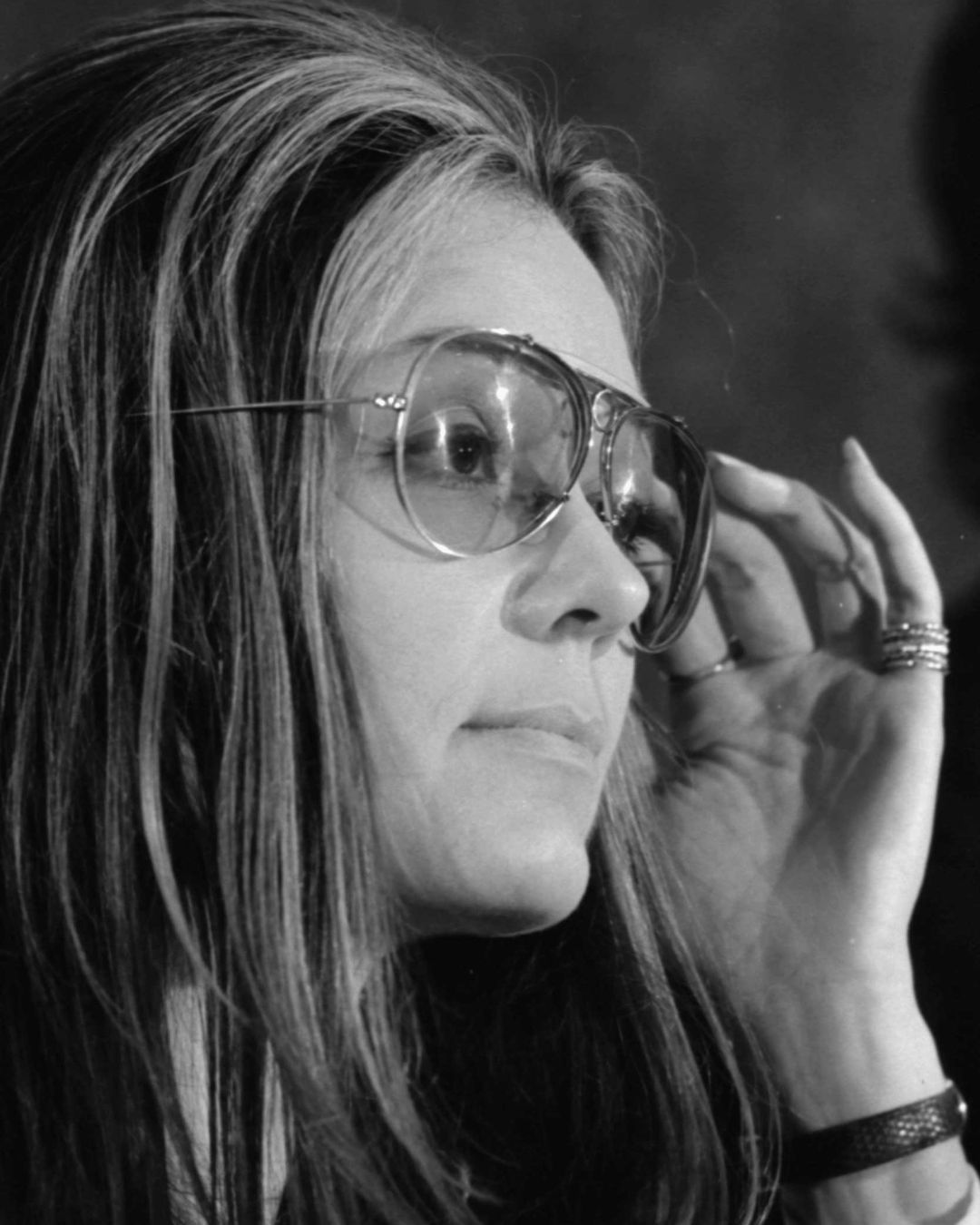
If you have heard of feminism, and if this feminism seems outdated, indeed modern and in step with the times, you probably owe it to the long wave of the work activity of Gloria Steinem, who just passed away at 92 years old in New York City. Steinem, who worked as a writer and editorial director, founded the Women's Action Alliance more than fifty years ago, an organization created to combat sexism. She began her career as a journalist in New York in the 70s and then founded the magazine Ms., one of the first publications to deal with women's issues that went beyond beauty and home care. Just in the 1970s, Steinem became one of the leading voices in the battle for women's reproductive rights.
The second feminist wave in a nutshell
Born in the 1960s in the United States, the second feminist wave updates and enriches the first wave, focused on suffrage and legal obstacles to gender equality. Its pillars are: reproductive rights, with the accessibility of contraceptives and free abortion, economic and labor equality, the fight against gender violence and the very strong idea that “the personal is political”, and that therefore even women's private and domestic spheres, family dynamics and sexuality are shaped by power relationships. Among the representatives of the movement, besides Steinem, also Betty Friedan, Bella Abzug, Shirley Chisholm.
Books to read to understand Gloria Steinem
Gloria Steinem - My Life on the Road (2015)
The autobiographical compass. It is the ideal book to enter his world: a memoir on the road that tells how Steinem's activism was born first of all by listening to people around the United States.
Gloria Steinem - Outrageous Acts and Everyday Rebellions (1983)
The pop collection par excellence, with the Italian title Outrageous Acts and Rebellions Everyday e. It contains his most famous essays and articles, including the iconic report I Was a Playboy Bunny (where he undercover infiltrated the Playboy Club in New York) and brilliant reflections on small and large daily discriminations.
Helena Janeczek - The Girl with the Leica (2017)
A narrative bridge on photography and emancipation. Winner of the Strega Prize, this novel talks about Gerda Taro, but it is essential for understanding the cultural and visual context of an era in which women began to take public space through work and testimony, themes also central to Steinem's reflection.
Nona Willis Aronowitz - Bad Sex: How Did It Get So Complicated? (2022)
Written by the daughter of the famous Second Wave feminist Ellen Willis, it is a cheeky and contemporary essay that addresses pleasure, consent and relationships today, starting from the questions left open by Gloria Steinem's generation.
Audre Lorde - Sister Outsider (1984)
The necessary counterweight. If Steinem was the most famous face of pop and mainstream feminism, reading Audre Lorde's essays allows us to understand the critiques, intersections and nuances of race and class that enriched and tested the feminist movement led by Steinem in the 70s and 80s.
What to read next

We asked a neuroscientist if there are differences between male and female brains
Interview with Raffaella Rumiati on the eve of her speech at the Pianeta Terra Festival

Felicia Kingsley: “Being an author isn’t glamorous for me”
The best-selling author talks to us about her creative process, her relationship with her readers, and the lessons she wishes she had learned sooner