

















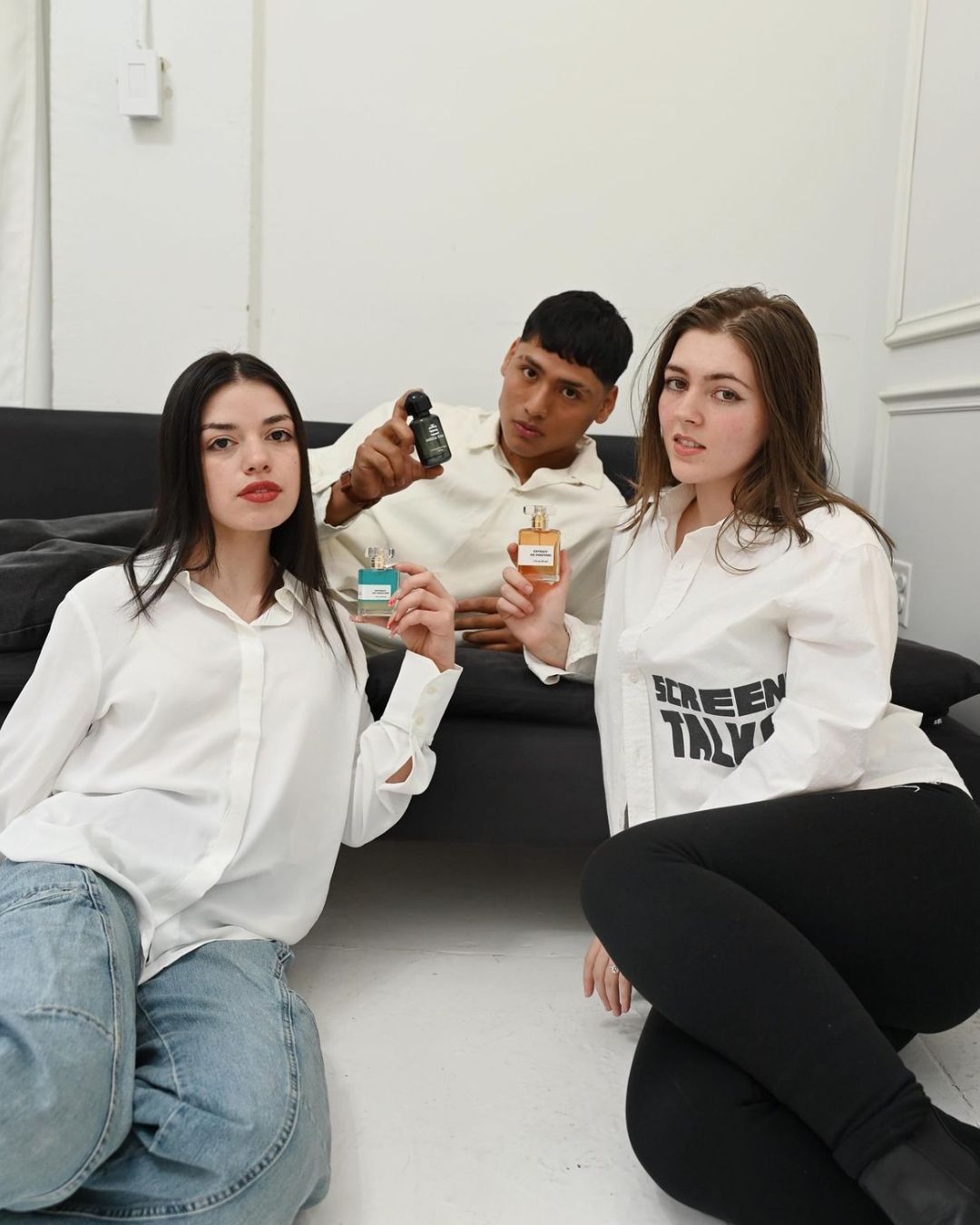
Smellmaxxing: how did Gen Z become so obsessed with fragrance? How social media has transformed perfume into a status symbol
Until a few years ago, especially among younger people, perfume was one of those purchases you made almost out of habit. A Christmas gift, a cheap bottle picked up at the local perfumery for a special occasion. The notes were simple and predictable. Today, though, you only need to spend a few minutes on TikTok to come across teenagers discussing fragrances with a level of expertise that, until recently, belonged almost exclusively to niche perfume enthusiasts. This phenomenon has a name: smellmaxxing.
Smellmaxxing: why has Gen Z become so obsessed with fragrance?
Smellmaxxing: what exactly is it?
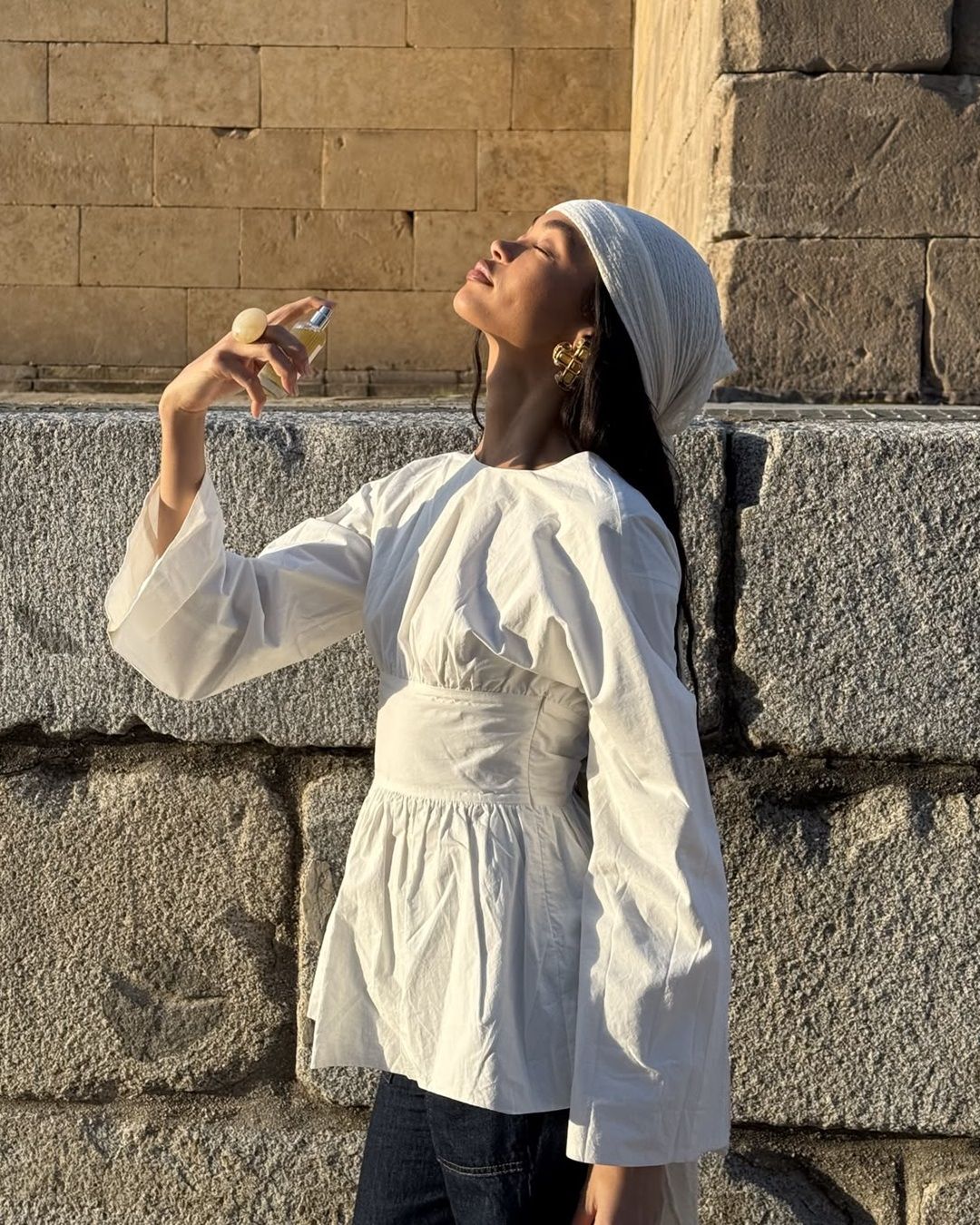
The term combines smell with the suffix -maxxing, which in internet slang means taking something to the highest possible level. Basically, it's the same concept as looksmaxxing, but applied to fragrance. So we've gone from a quick spritz of something bought at the drugstore—or, let's be honest, just spraying on some cheap body spray, to fourteen-year-olds casually talking about fragrance pyramids, sillage, layering, and base notes. Not only that: they choose perfumes based on their mood, know exactly where to spray them to maximize performance, and have entire routines designed to make fragrances last longer and perform better on the skin.
How did we go from deodorant to Xerjoff?
Like every modern phenomenon worth talking about, this one started on TikTok. More specifically, within PerfumeTok: that corner of the internet where fragrance has become content in its own right through reviews, tutorials, rankings, and unboxings of perfumes worth hundreds of dollars. It's an ecosystem with its own rules, references, and language, accessible to anyone with a screen and a little curiosity. And at some point something obvious happens: you get influenced. Perfume stops being a simple matter of "I like it" or "I don't like it" and becomes something you need to know how to read. A real skill. You have to understand notes, distinguish fragrance families, or know which scents are most likely to get compliments. Creators have built entire communities around this phenomenon, producing content that people follow almost as if it were financial advice. As a result, a $250 fragrance has gone from being a connoisseur's purchase to becoming the latest must-have for people who aren't even old enough to drive.
Why perfume, though?
The most interesting question remains another one: why perfume? Out of everything that could become a collective obsession, why did this generation choose something you can't even see? Probably because that's exactly the point. At a time when images are everywhere, fragrance is one of the few languages that completely escapes the screen. You can't photograph it or upload it to a Story or TikTok. People watching the content can only hear it described and imagine it. It can only be experienced in person, and in an era where almost everything happens through a screen, that alone makes it feel rare. Yet perfume, in the end, seems to have followed the same trajectory as every other online passion. What starts as a personal taste shared among a small community of enthusiasts risks turning into a performance, a shopping list, or a constant search for the next bottle to add to the collection. The idea of building your own olfactory identity often gives way to increasingly crowded shelves and fragrances that go viral within days. And, as happens with everything that becomes a trend, uniqueness ends up being pursued through the same recommendations, the same creators, and the same algorithms. So, in trying to stand out from everyone else, we once again end up looking a little more alike.