










Tim Curry, Frank-N-Furter and Rocky Horror's queer freedom A legacy that goes beyond life and death
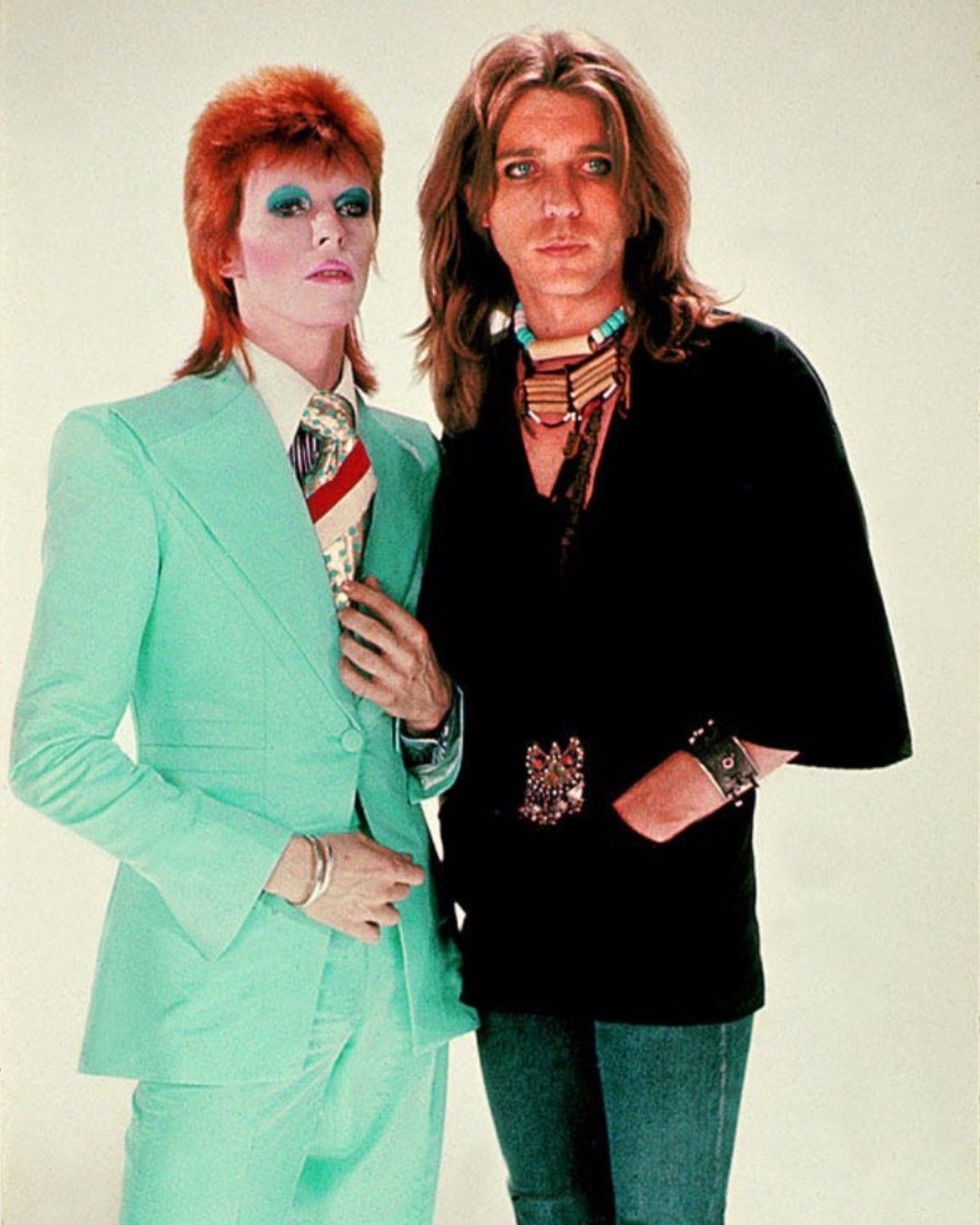
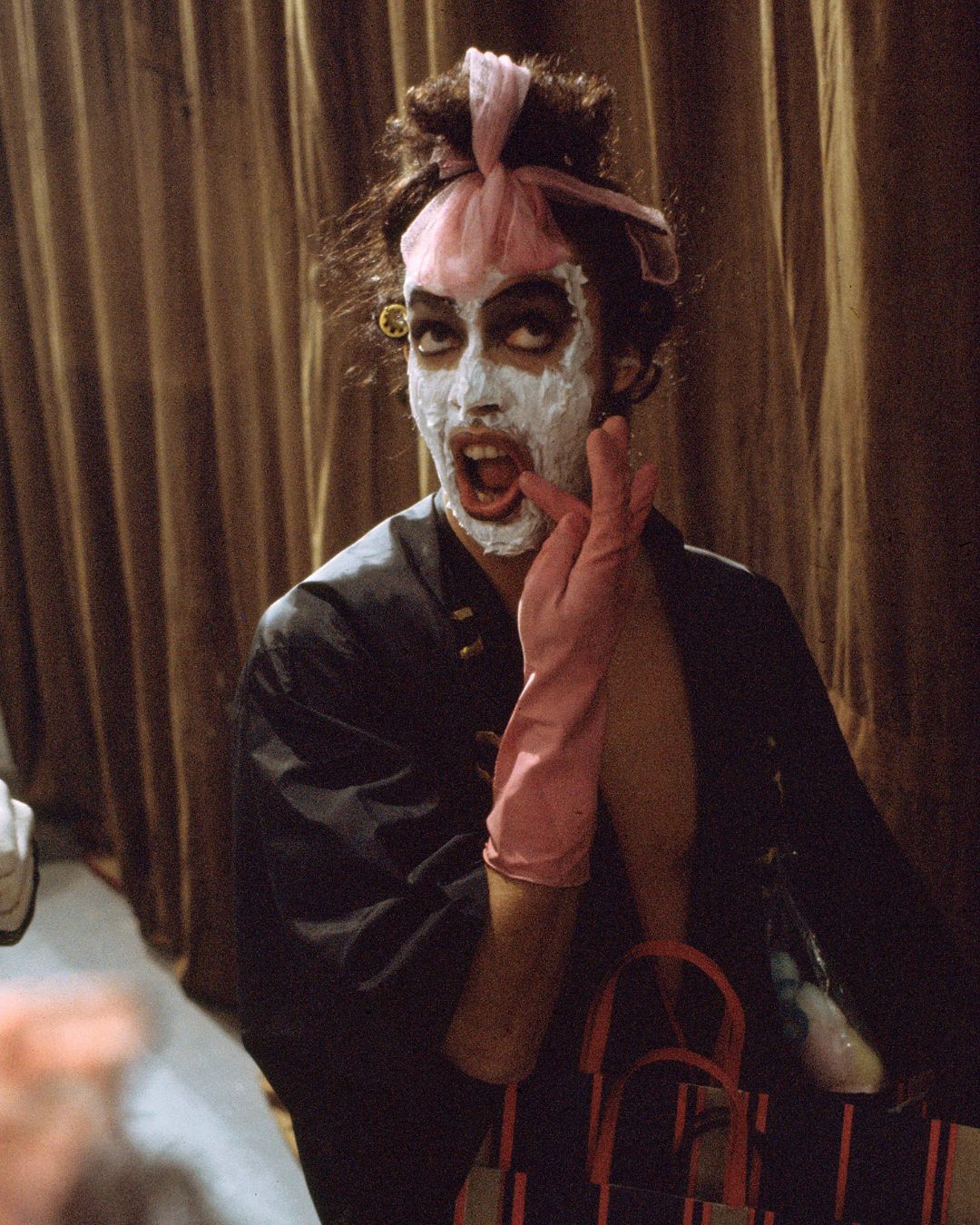
For generations of queer people, Dr. Frank-N-Furter played by Tim Curry on The Rocky Horror Picture Show was a possibility. The possibility of not having to ask for permission, of being considered eccentric without creating any kind of problem, desirous and full of freedom. Tim Curry died on August 25, 2026, at the age of 80. But for many people, his face will remain inextricably linked to those sheathed legs, the corset, the makeup, the boots and that voice that in 1975 brought one of the most scandalously queer characters to appear in mainstream cinema to the big screen.
Frank-N-Furter before Frank-N-Furter, Tim Curry and the Queer Community
Curry had already played Frank-N-Furter in 1973, in the first theatrical version of The Rocky Horror Show, at the Royal Court Theatre in London. Two years later he would reprise his role in the film directed by Jim Sharman. The character was born from the pen of Richard O'Brien, but it was also Curry's stage presence that permanently transformed him into the icon we know. Frank-N-Furter could have simply been an 'eccentric' horror comedy scientist. Instead, it became a glam, sexual creature, and completely impervious to convention. He wasn't interested in being reassuring, nor was he interested in picking a single box.
When does gender stop being a cage
Frank-N-Furter crosses the genre with a naturalness that, in 1975, was still profoundly destabilizing. She wears a corset, fishnet stockings and heels without the film feeling the need to justify it. There is no psychological explanation, Frank simply exists. The film came at a time when seeing characters on the big screen who openly broke gender and sexuality norms was far from common. Curry's performance, on the other hand, offered an image of desire and self-determination that didn't ask to be normalized.
The Rocky Horror Picture Show, the movie that didn't want to sit still at the cinema
The story of Rocky Horror is even more interesting because the film was initially a flop. Upon release, it did not win over the public and was greeted coldly. His second life began in 1976, with the midnight screenings at the Waverly Theater in New York. People arrived dressed as the characters, screamed answers at the screen, sang, danced and, progressively, began to stage the film in front of the film itself. Shadow casts were born, groups of performers who played the scenes while the film was being screened. Rocky Horror thus became a collective experience.
@gaytimes Tim Curry has sadly passed away at the age of 80. Today, we're remembering his iconic portrayal of Dr. Frank-N-Furter in queer cult classic The Rocky Horror Picture Show, starring alongside Susan Sarandon and Barry Bostwick. The film became the longest-running theatrical release in cinema history, having played continuously since its premiere in 1975. The Emmy Award winning actor was also known for his roles in Annie, Home Alone 2 and It. Our thoughts are with Tim Curry's loved ones at this difficult time #timcurry #rockyhorror #rip #popculture #cinema original sound - GAY TIMES
“Don't dream it. Be it.”
There's a quote from Rocky Horror that perhaps sums up this legacy better than any other: “Don't dream it. Be it.” Don't dream about it. Be. It is not surprising that Curry himself, speaking of the character shortly before his death, recognized precisely this aspect of his durability, of his entry into the collective imagination. In an interview with CBS Sunday Morning, he said that Frank-N-Furter had given many teenagers “permission to be different” and to be happy to have had that power.