



















Sunburn and fake tan lines are the latest make-up obsession at TikTok Do we really want to romanticize sun damage, even if only in a fictitious way?
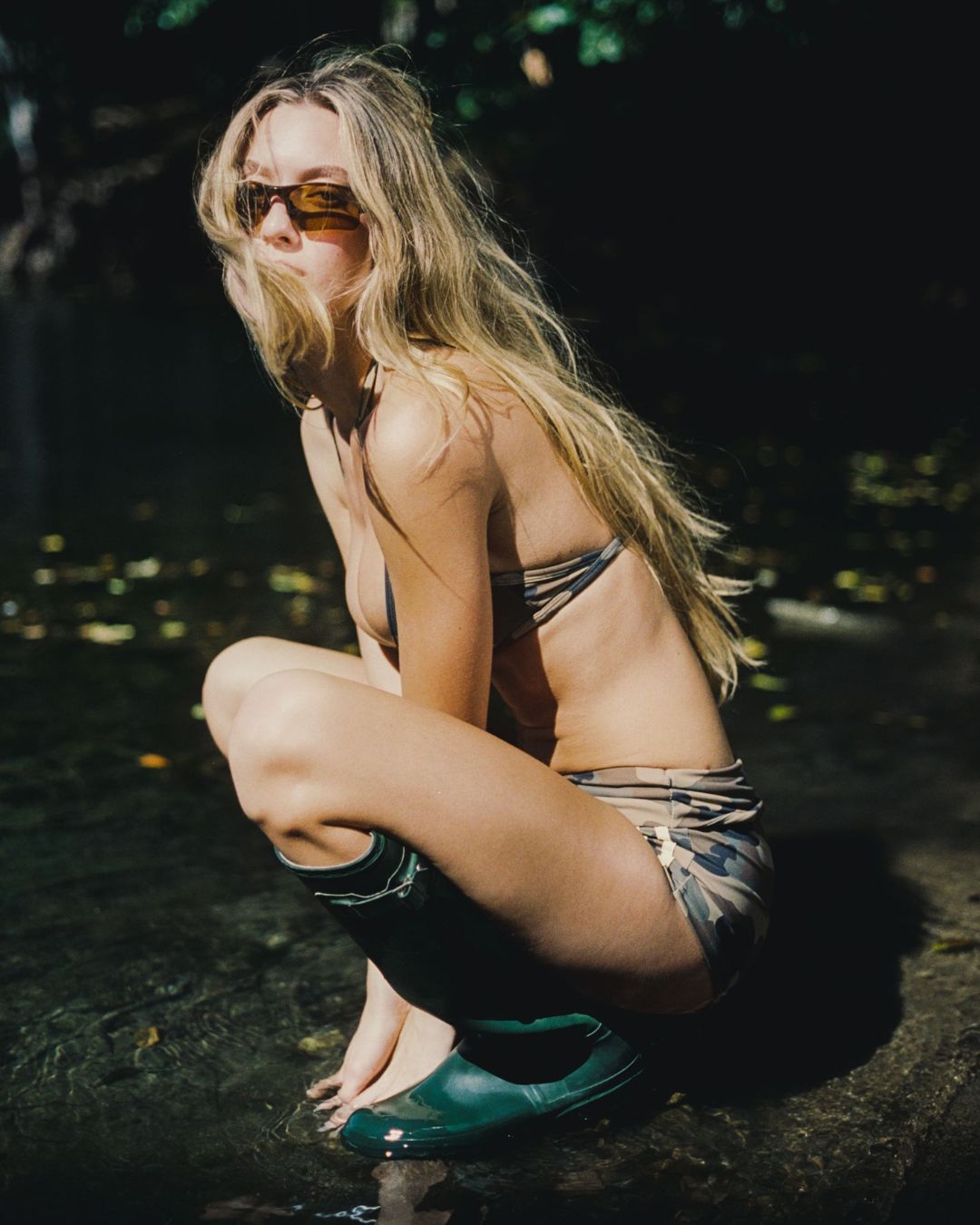
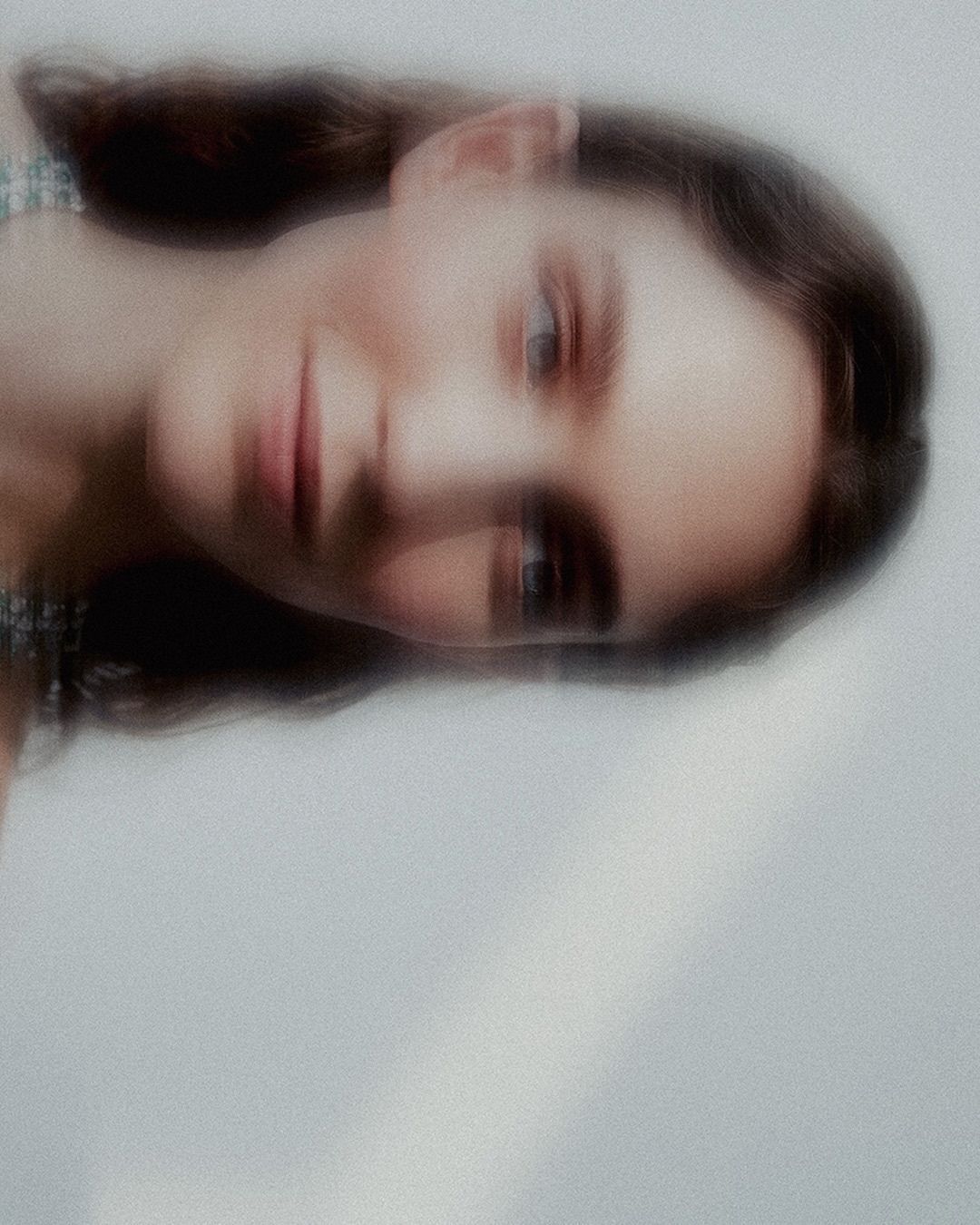
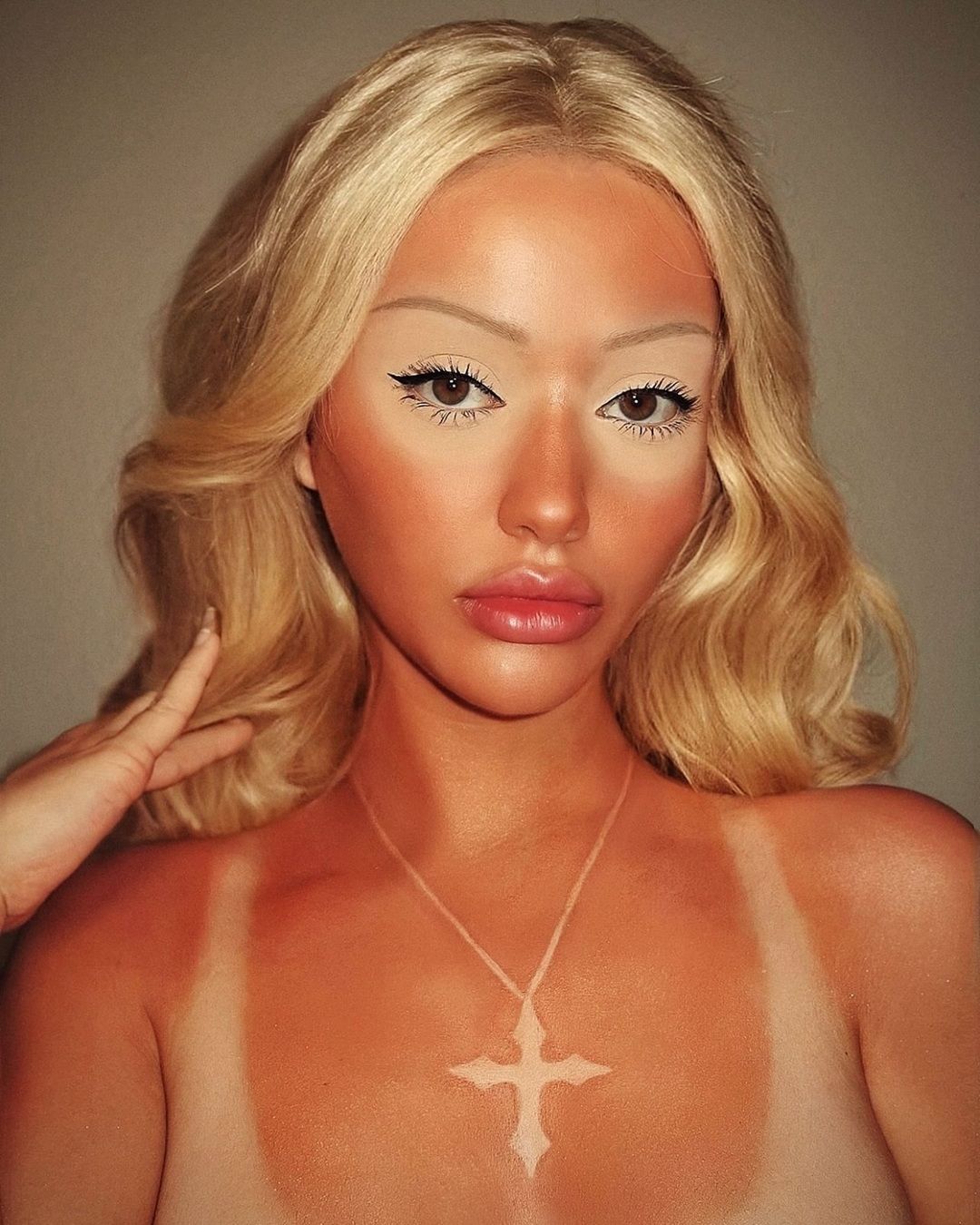
Tan lines are back. And no, not the ones you get by accident after falling asleep on the beach in a T-shirt. Today, they’re desired, sought after, and replicated. No longer a “flaw” to be hidden under a dusting of bronzer, but a conscious, declared aesthetic, one that speaks of lived-in bodies, full summers, vacations stolen from routine. We see them everywhere: on TikToks with millions of views, in GRWMs on Instagram, in ad campaigns by brands that have figured out how to turn even a skin contrast into a style statement. No, it’s not a joke. The Summer 2025 trend is to wear make-up that makes you look sunburnt, complete with bikini lines, sunglasses marks, or Y2K chokers outlined on your skin with the nostalgic precision of a summer memory stenciled in. It’s a hyper-realistic aesthetic that mimics the perfect sunburn, without a single UV ray. At first glance, it’s just an ironic tribute to the aesthetic chaos of the 2000s. A gesture that seems harmless, playful. And maybe it is. Or maybe not. Because beneath the shocking blush and Malibu-toned bronzer lies something deeper: an epidermal aesthetic that hits cultural nerves far more sensitive than just bronzer.
The return of (fake) sunburns
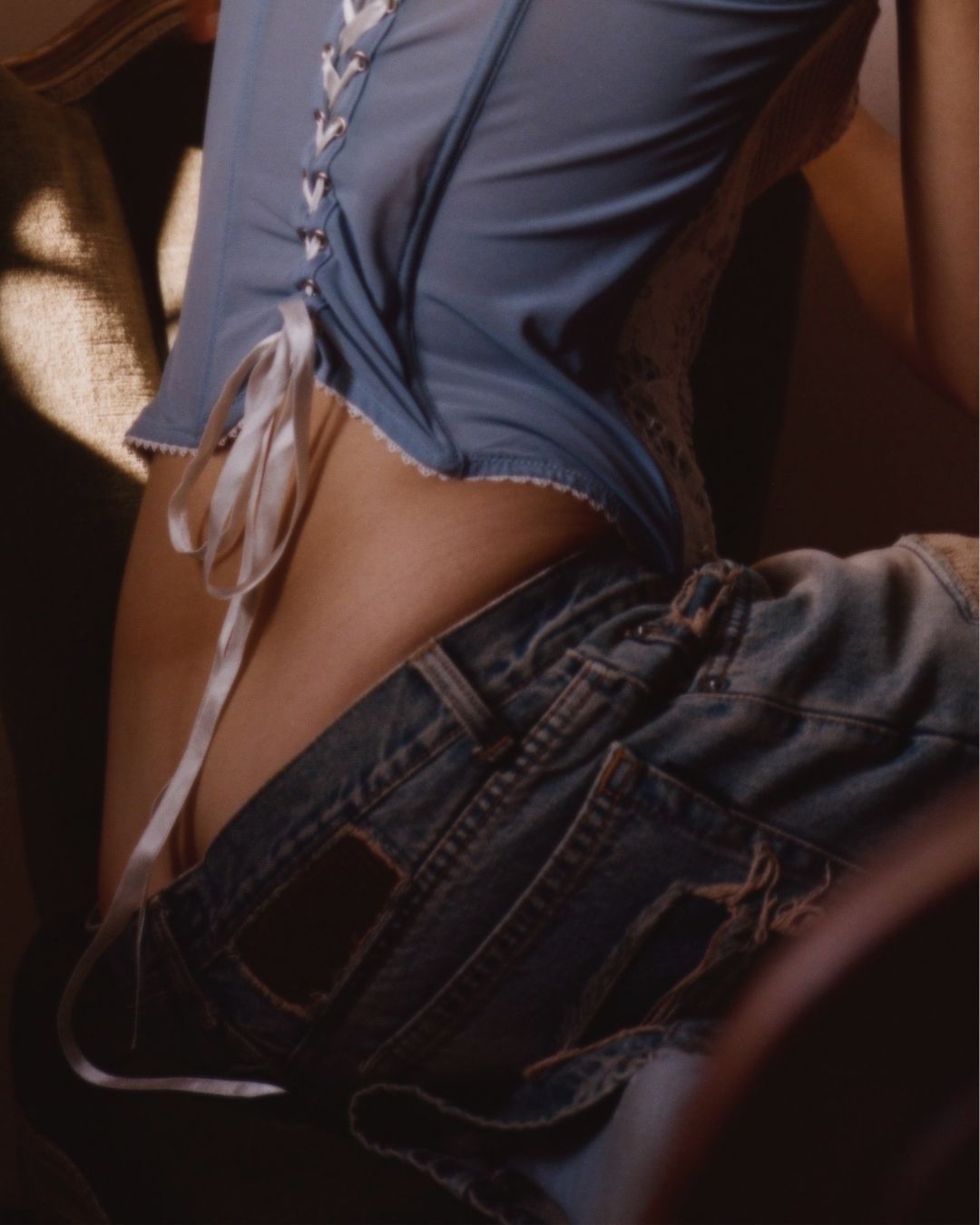
This trend didn’t fall from the sky, nor did it explode overnight. The first viral video dates back to 2023, when makeup artist Isabel Rose shared a look with “burnt” bikini and sunglass outlines drawn using pale concealer and blazing blush. The result? A visually irresistible sunburnt skin effect. From there, the aesthetic took off: it landed on runways (see Di Petsa SS25), made its way into editorials, with Sabrina Carpenter and Addison Rae as the unintentional muses of sunburn chic. Even Fenty Beauty flirted with this aesthetic in one of its campaigns, wrapping it in inclusivity and gloss. The technique is simple: you draw the sharp bikini line with tape or the contrast between highlighter and bronzer, add a touch of blush where the sun would naturally hit (cheekbones, nose, décolleté), and blend. The result? A completely fake post-beach effect, and apparently, it’s wildly desirable.
The make-up is real, the damage (maybe) isn’t
Let’s get one thing straight: no one’s actually getting burned. The ruby cheeks, strap marks, and flushed décolleté are all optical illusions, crafted with skillful use of crimson blush and bronzer with a Malibu glow. No scorched skin, no end-of-day aloe vera. And really, fake tan lines are just an offshoot of sunkissed make-up. But while skin stays safe, the question lingers like an SPF 0 cloud: what about the imagery? In an era where skincare is sacred and sunscreen a daily ritual (even on cloudy days), there’s something unsettling about romanticizing sunburn, even in cosplay form. It’s as if skin trauma has been reincarnated into viral aesthetic, a nostalgia for burning that willfully ignores everything we’ve learned about UVA rays, melanomas, and premature aging. All wrapped in an aesthetic that screams 2003 holiday and controlled rebellion. A look that pretends to break the rules, just enough to rack up likes and validation. It’s the sunny version of “I woke up like this”. Constructed, filtered, simulated.A sunburn chic that doesn’t scorch, but seduces. And yet, the message gets through: getting burned is beautiful. Even if it’s fake. Even if you whisper it.
From make-up to obsession: the cult of the sun 2.0
It’s not just sunkissed looks or fake tan lines. More and more creators, digital high priests of tanning, are turning TikTok into a shrine for sun worship. Take London Kolkana, for example: influencer, UV oracle, and guru of “smart tanning.” In her videos, handed down like summer gospels, she advises ditching the towel (“too basic”) for a lounger to get better sun exposure, recommends a $40 tanning oil, followed by a spritz (almost ironically) of SPF 15, and suggests sunbathing from noon to 1:30, right when UV index is at its peak. A move that would make any dermatologist shudder, and not in a good way. Welcome to the surreal revival of tan culture, Gen Z edition: a disturbing throwback to the ‘70s, when people sunbathed with mirrors and rubbed their bodies with olive oil (yep, as if they were grilling sea bass) to roast faster, back when the ozone layer was intact and “melanoma” sounded like the name of a cocktail. To make things worse, there are now apps like Rayz or Sunglow, built for those who want to micromanage their daily UV dose. They tell you when to go out, how long to stay, and which way to face to maximize your tan. All under a toxic narrative: tanned skin is sexy, sunburn is scary, but only the really red kind. Everything else is just glow. Too bad that even a tan is, in fact, damage: darkened skin is injured skin, even if you don’t feel it burn. Feeds are full of reels of bronzed legs with sandal marks, voiceovers saying “It’s not a tan, it’s a summer personality,” and a subtext that’s getting clearer: the sun is still a status symbol. Only now, you don’t pay with free time, you pay with your health. And a whole lot of misinformation.
Tan lines: aesthetic or ideology?
Let’s take a step back and look at history. What seem like simple lines on skin actually tell complex stories of class, access, and privilege. As writer Maïssa Rouissi notes, tanned skin is never neutral, it’s an embodied narrative. In the 1920s, Coco Chanel returned from a Riviera holiday with a slight tan that caused a sensation, forever changing the definition of beauty. From that moment on, tan lines became a symbol of someone wealthy enough to afford leisure time in the sun, no longer a sign of agricultural labor, but an elite badge. In the 1960s and ’70s, tanning took on new meanings: freedom, sexuality, eroticism, rebellion. The nearly naked body became a symbol of emancipation, and tan lines the visible proof. Just look at Slim Aarons’ photos, models lounging poolside in crochet bikinis, tan lines proudly on display. In the 1980s, with the rise of beach culture, tan lines became radical.
People tried new methods to achieve the deepest bronze, spending hours baking in the sun covered in baby oil, or even Coca-Cola. In the 1990s, thanks to increased awareness of UV risks, sunscreen gained popularity. By the 2000s, skin had to be even-toned and golden (often with help from self-tanners), and tan lines became imperfections to hide, proof of “bad” tanning. Or, in Y2K style, they evolved into sexy accessories. Remember those Playboy bunny stickers used in tanning beds, left on purpose to flaunt a flirty tan mark?
Glow, not burns: between toxic nostalgia and conscious blush
Gen Z is the most SPF-aware generation ever. They post reels about mole self-exams and how to spot melanoma symptoms, and just as casually, videos showing how to get the perfect sunburnt glam effect with make-up. A generation that knows the risks, but aestheticizes them. That knows the sun can kill, and turns it into a filter. A full-on TikTok paradox. Fake tan lines, like fake freckles, are narrative tools that turn skin into a canvas, a visual diary expressing emotions and aesthetics without paying the biological price. The problem isn’t the make-up. It’s the stories we tell ourselves while we apply it. Because behind that crimson blush and pale concealer bikini lines lies a memory filled with contradictions, like the return of glamorized illness, the toxic echo of heroin chic, the fetishization of fragility dressed up as fashion. As if burns are beautiful, only when they don’t really burn. Meanwhile, off-screen, obsession with real tanning is rising, even at the cost of health. And apps like Rayz tell you the perfect hour to “roast just right.” It’s the cult of the sun 2.0. But the truth is: sunburns are never glamorous. They hurt, can cause rashes, blisters, premature wrinkles, and in the worst cases, increase the risk of skin cancer. And if the damage is done? No panic, but yes to care: aloe vera, panthenol, shea butter, and, most importantly, immediate sun avoidance. Skin doesn’t forget, even if Instagram does. So yes, play with the sunkissed look, draw the tan lines, follow tutorials by those who know what they’re doing. But do it consciously. Because skin isn’t a seasonal trend. And no aesthetic, no matter how beautiful, nostalgic, or viral, is worth a trip to the dermatologist.