




































I Want Your Sex: Is Gen Z Really Afraid of Sex? Between Purity Culture, performance anxiety and Gregg Araki's new film
Sex sells is the cultural mantra of the last hundred years. Sex sells a promise of desire and satisfaction. It sells cars, perfumes, magazines, music, movies. He sold the idea of freedom, built careers, shocked the public and transformed bodies and desires into the most powerful marketing tools. From Calvin Klein commercials to Madonna video clips, from Basic Instinct to magazine covers; for a century we have become accustomed to the idea that sex brings attention and, consequently, gain. As early as the 1920s, in advertisements for the automotive industry, naked or half-naked female bodies were drawn that held up the promoted products.
The decline in sexual activity and the fear of desire in Gen Z
A few years ago, however, a crossroads seem to have opened up and the hypersexualization of bodies travels in parallel with a dusting and a renewed interest in Puritanism. While sex continues to be omnipresent, in fact, Gen Z seems to detach itself more and more from it. And it's not just a guess or a feeling. In the United States, several studies have recorded a decrease in sexual activity among young adults compared to the past. A generation that grew up with accessible pornography, dating apps and an amount of language about sexuality never had before seems, at the same time, to be more afraid of real sex.
@rottentomatoes Watch the official trailer for #IWantYourSex (89%). Starring Olivia Wilde, Cooper Hoffman, Charli xcx, Mason Gooding, Chase Sui Wonders, and Daveed Diggs. #movie #movietok #trailer #film original sound - Rotten Tomatoes
I Want Your Sex: Gregg Araki's cinematic provocation
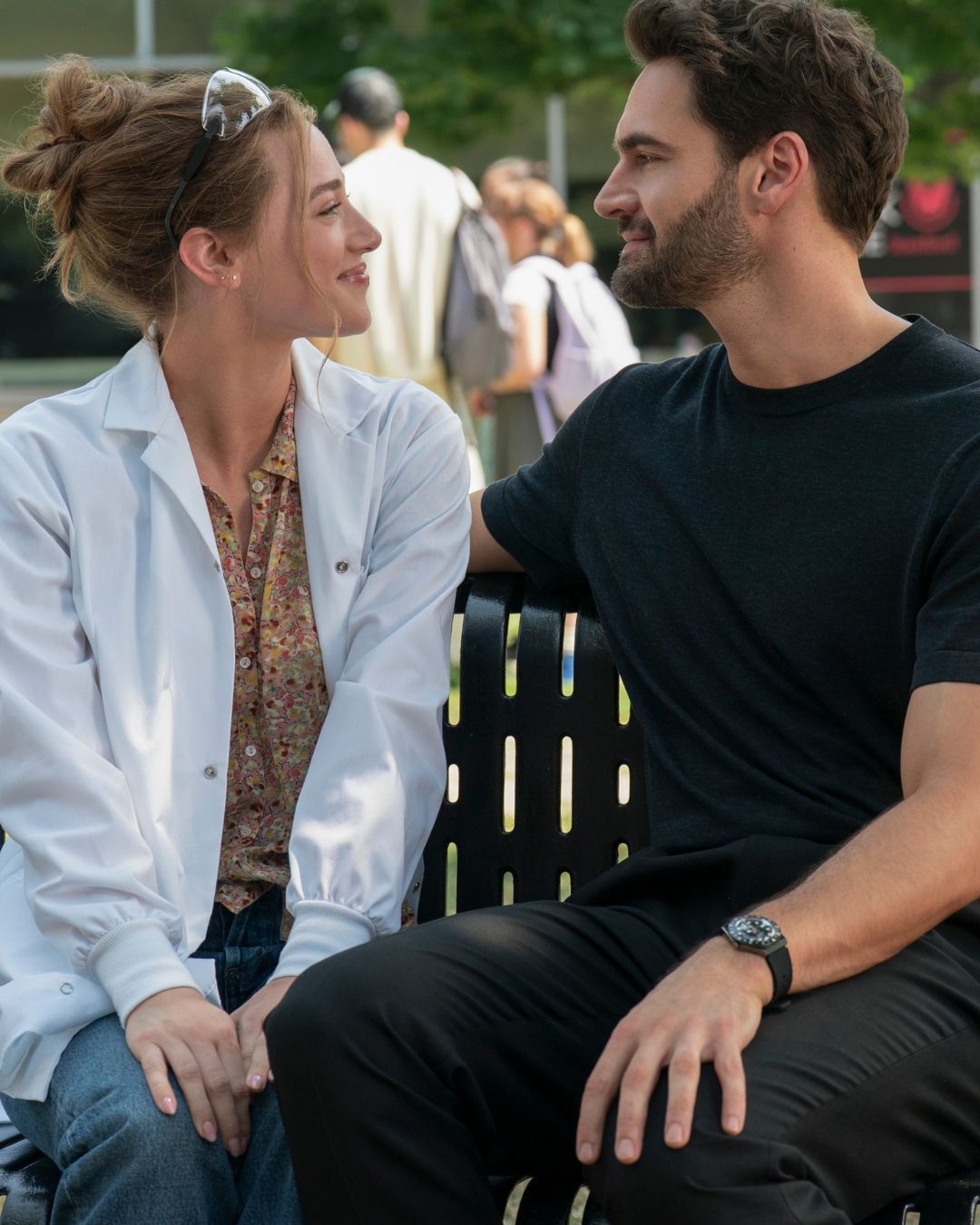
It is within this contradiction that I Want Your Sex, Gregg Araki's new erotic thriller with Olivia Wilde, Charli XCX and Johnny Knoxville, presented at the Sundance Film Festival last January and out now in US cinemas. The title alone reveals the provocative nature of the film. Araki, who has always made sexuality and transgression one of the focal points of his cinema, said that he was struck precisely by the caution of the new generation towards sex. But why are we so afraid of our desire? Where did the mechanism break?
Privacy, precariousness and hyper-analysis
According to research published in the Journal of Marriage and Family, an increasing share of young people between 18 and 29 years old do not have sexual relationships or partners. Some studies have linked the phenomenon to a decrease in romantic relationships, economic insecurity and changes in social habits. Surely, being forced to live longer at home with your parents because you cannot afford your own home does not help to create privacy and stimulate desire. All of this doesn't mean that an entire generation has become asexual, nor does it mean that having less sex is necessarily a problem in and of itself. But all this tells of a change that goes beyond the body, physicality and romantic relationships.
@viceau Why are Gen Z having less seggs? We have answers. #australia #seggs #education #themoreyouknow #todayilearned #eggplant #peach #relationship #celibacy original sound - VICE Australia
Gen Z and sex, an ambiguous relationship
Gen Z is probably the most prepared generation ever to talk about consent, boundaries, and sexual health. We have learned the importance of communication and limitations, to recognize power dynamics, to pay attention to trauma. But when every experience is subject to meticulous control, even desire risks becoming something to do according to a precise and careful pattern. In this way, purity culture is culturally inserted in a more subtle way.
Between Purity Culture and social performance, how the Internet has altered intimacy
For previous generations, sex was dirty, dangerous, or morally wrong; the best attitude to take was abstinence. Generation Z does not prohibit sex but subjects it to an endless list of conditions. It must be consensual, healthy, safe, liberating, respectful, properly communicated. We should not be ashamed of our bodies, but we must be careful not to transform sexuality into a form of validation. We may want to be attractive, but we don't have to seek approval. You need to know your desires, but you also need to know how to question them. Respect our limits but get out of the comfort zone.
@www.sita.org obviously not “against” the movement but i haven’t seen anyone talk about how its impacted our generations approach to sexuality. #fyp #discourse 212 vanished - Ken
In addition, at the cost of sounding like the aunt who asks you to explain the memes to her, the internet and social media have completely altered the concepts of relationship, physicality and intimacy. Sexuality has taken an empty, abstract form, to be consumed privately. We publish thirst traps, read smuts (very explicit romantic novels) online, follow onlyfanser and flaunt debauchery but then, in real life, we don't interact with each other. And as with other social aspects, this incessant communication and the performance society in which we live, leads us to feel controlled and at risk of judgment and derision. The contradiction, then, also permeates how we communicate desire and body. On social media you can do sex education and talk about orgasms, but some words, for example, cannot be spoken. We have internalized so much the idea of having to protect ourselves, tell and understand that even sex can become something else to be performed correctly. This is why I Want Your Sex almost seems like an alien product (as in Mysterious Skin, by the same director). Araki has no interest in making the desire educational or reassuring. The film talks about it but it also tells about power, fantasies, manipulation and ambiguity. And above all, it seems to remind us of something that we have almost forgotten, namely that in desire there is no objectivity.