


The comeback of citamin C Brightens, protects and evens out: the benefits of vitamin C after summer
Vitamin C has always been part of many people’s skincare routines, but it has never really felt like a constant. Over the past few years, it has continually been overshadowed by a new active ingredient: first retinol, then peptides, exosomes and everything else that seemed destined to become the next big ingredient. Now, though, vitamin C seems to be back. Or rather, it is getting its revenge.
The Vitamin C Comeback
The benefits
There are so many benefits to vitamin C that we probably forget about them from time to time. Vitamin C is an antioxidant that helps protect the skin from oxidative stress, which can also be caused by factors such as UV rays and pollution. It is also important for the production of collagen, and helps keep the skin firmer and, above all, more radiant. In skincare, it is one of the first ingredients people turn to when they want to brighten the complexion, even out the skin tone and reduce the appearance of dark spots, which often become more noticeable after summer. Could this be the reason why there seems to be a boom in new vitamin C products?
Why it is essential to use it in autumn
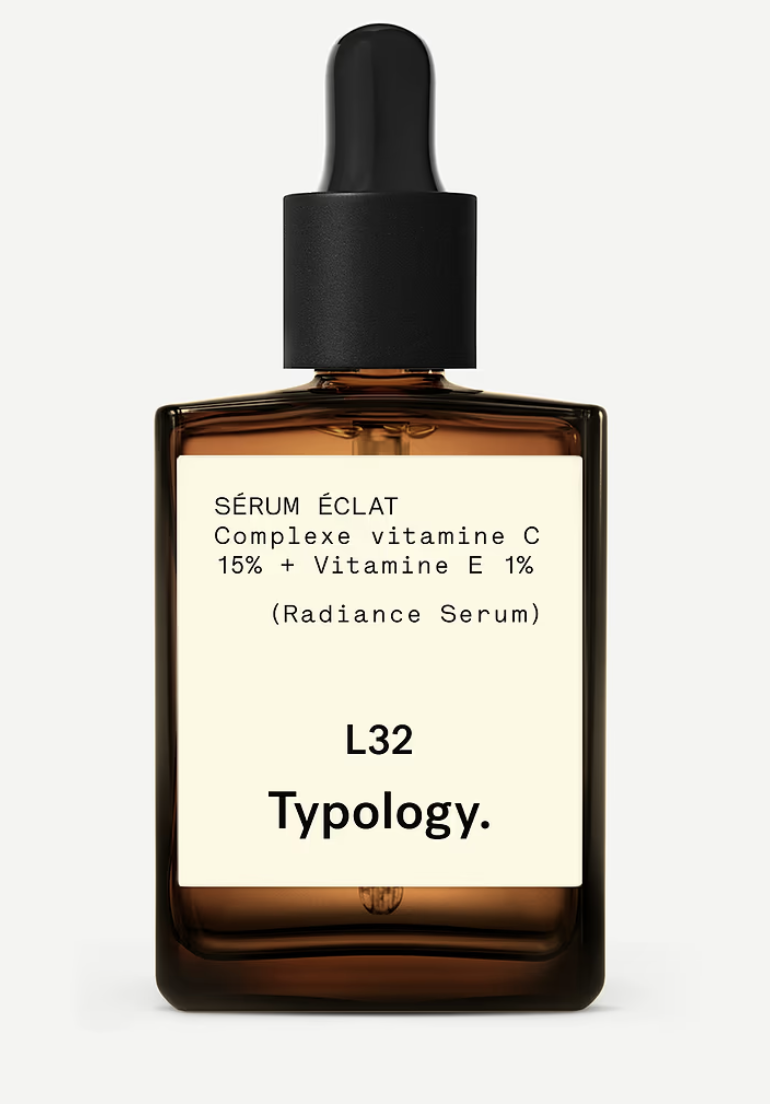
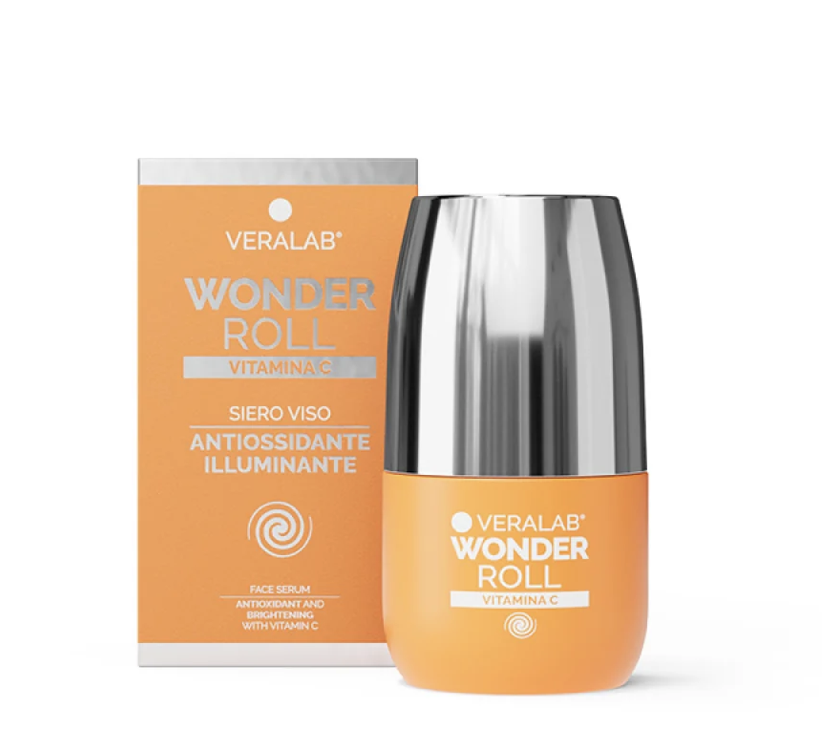
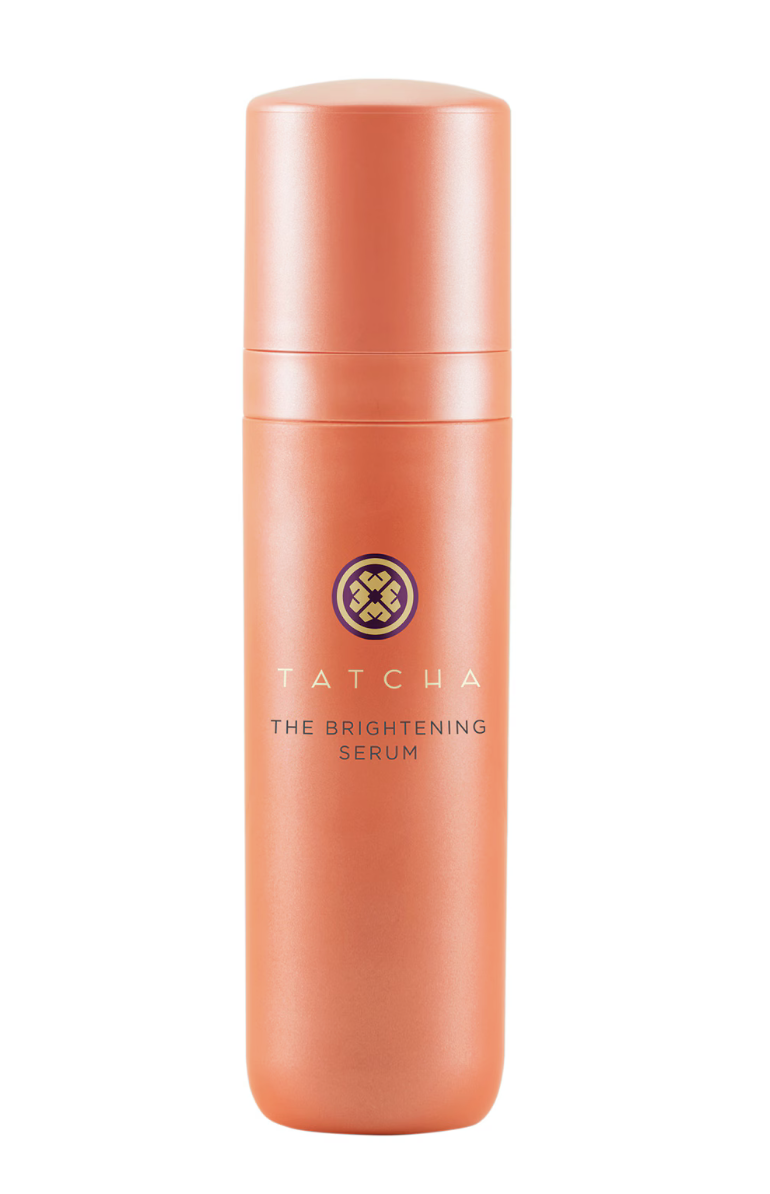
After summer, vitamin C is pretty much essential. After weeks, or rather months, of sun exposure and perhaps being a little inconsistent with SPF, the skin can look duller and dark spots more noticeable. This is exactly when it can make sense to bring a vitamin C product back into your skincare routine. Not that it cannot be used all year round — quite the opposite, it would be better to do so. Simply put, the change of season is a good time to bring it back or introduce it into your routine, especially if after summer we feel the need to work on radiance and uneven pigmentation.
How to incorporate it into your skincare routine
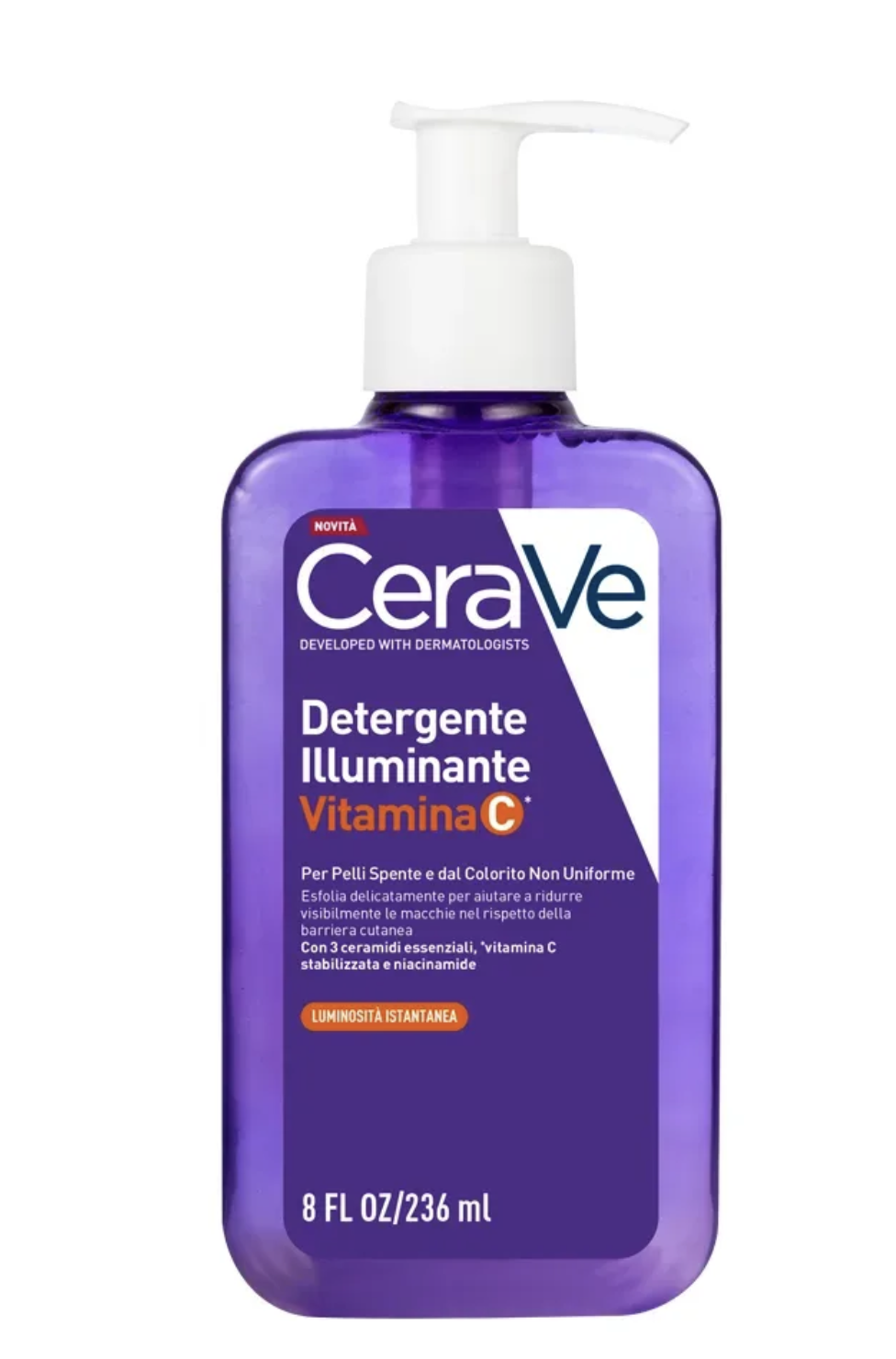
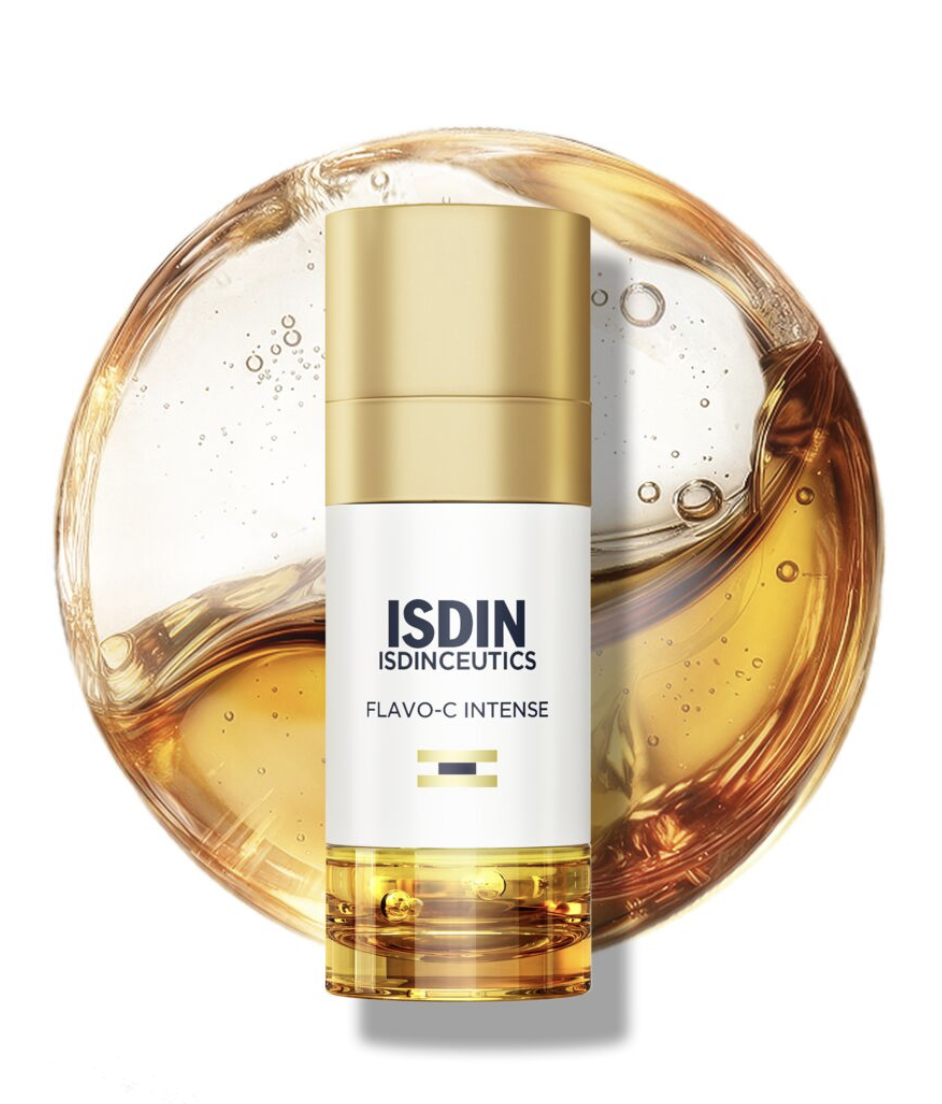
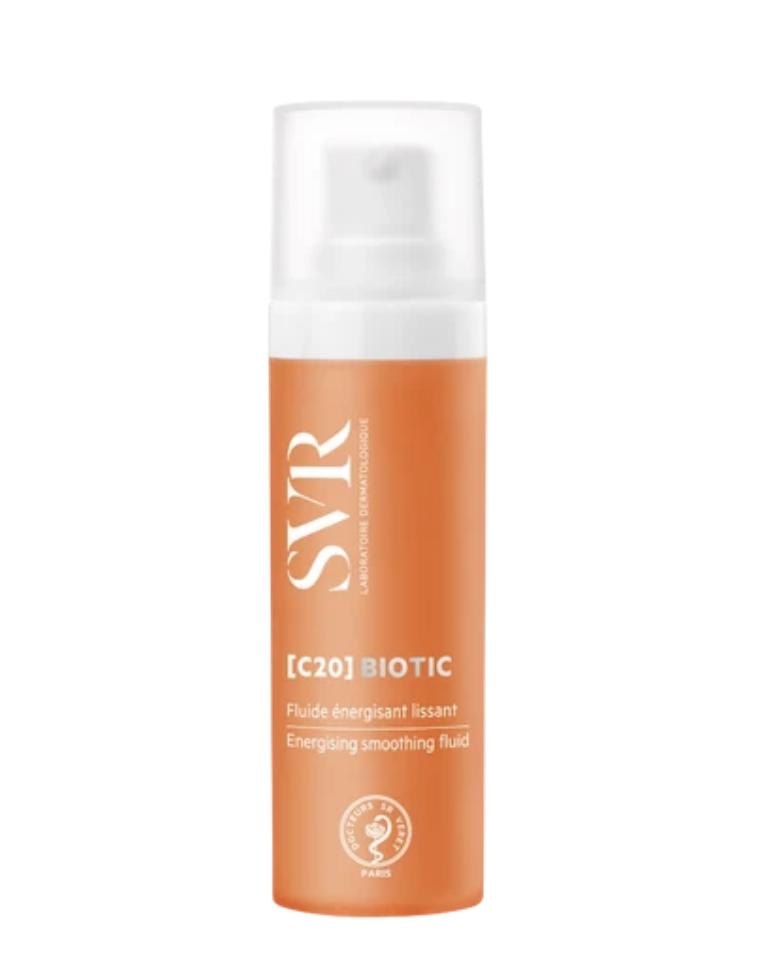
Vitamin C is fairly easy to incorporate into your routine and works well with several other ingredients. Niacinamide, hyaluronic acid and vitamin E can be used together without any particular issues, even in the morning. With stronger actives, however, it is better not to overdo it: if you are using pure vitamin C in serum form, combining it at the same time with retinol, AHA or BHA can increase the risk of irritation, especially on sensitive skin. This does not mean you have to eliminate them from your skincare routine: simply use vitamin C in the morning and leave retinoids and acids for the evening, or, even better, alternate them on different days. And above all, use it together with sun protection; in the morning, SPF and vitamin C are a combination that makes perfect sense.