
















































Why today's TV series only portray dysfunctional families From Modern Family to The Bear
"Family sucks but it’s still important," says one of the protagonists of the American dramedy Transparent. It’s a line, however, that fits perfectly with most of the families portrayed in contemporary TV series and modern films. After decades of watching examples of the perfect nuclear family, we’ve started to see a different representation emerge. Glossy, but more truthful. The families in today’s TV shows are bound by secrets and unresolved conflicts. The only inheritance they pass down is generational trauma. And yet, affection is never denied. Love is there. In fact, it is often the inability to manage conflicting emotions that drives characters toward wrong decisions.
Why dysfunctional families dominate contemporary TV series
By the late 1990s we realized that what we were seeing on television no longer represented us. It’s hard to empathize with the idealized Italian “Mulino Bianco” family when your parents are divorced, your grandfather is on his third marriage, your brother no longer speaks to you, and an aunt has been disowned. It was clear that a renovation of the TV family image was needed. We had some glimpses of inconsistency with Friends and How I Met Your Mother: divorces, gay couples, surrogate mothers... but they were still exceptions.
How Modern Family changed the representation of family on TV
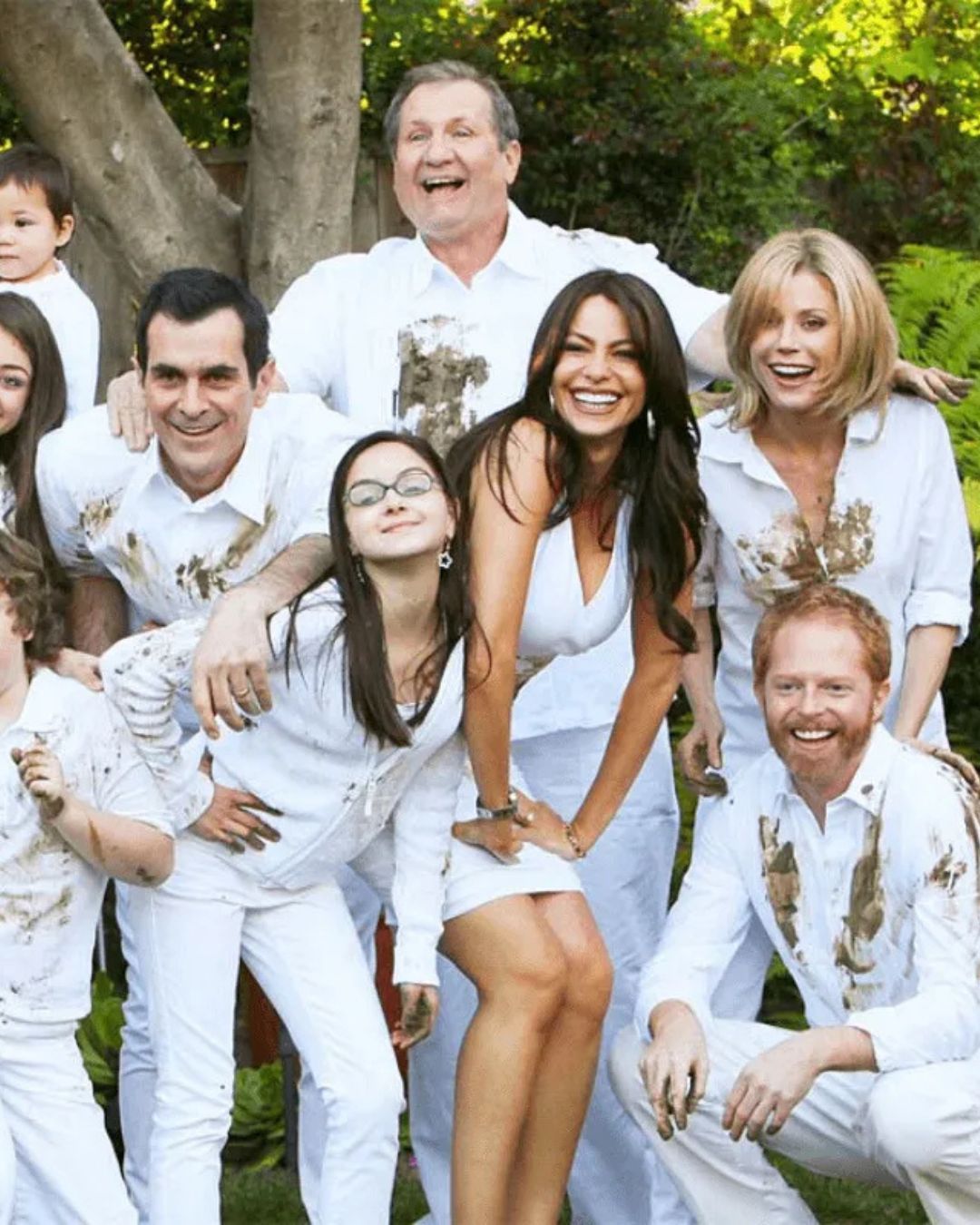
The first real mainstream shift was Modern Family. The sitcom itself was born from the desire to portray contemporary family life. There is the gay couple adopting a child from another country. There is the divorced couple - she Latin American, he older - navigating their age gap. There is the single mother and the woman who doesn’t want children. Even the heterosexual couple with three kids has complex dynamics often hidden in earlier TV series.
Modern Family is funny, yet it doesn’t deny the dysfunctionality of the Pritchett family bonds. The characters struggle to communicate, hide their desires out of fear of judgment, lie, and are co-dependent and immature. And yet, we cannot ignore the deep love that connects them. Episodes end with reconciliation, and the themes of forgiveness and goodwill are clear. The show works because it introduces conflict without denying the validity of family bonds. It reminds us that loving someone also means accepting and understanding their flaws, and that in a family there are no winners or losers—everyone works together. It may sound simple, yet it was the first popular series to make this vision concrete.
The Bear and the portrayal of family trauma between pain and redemption
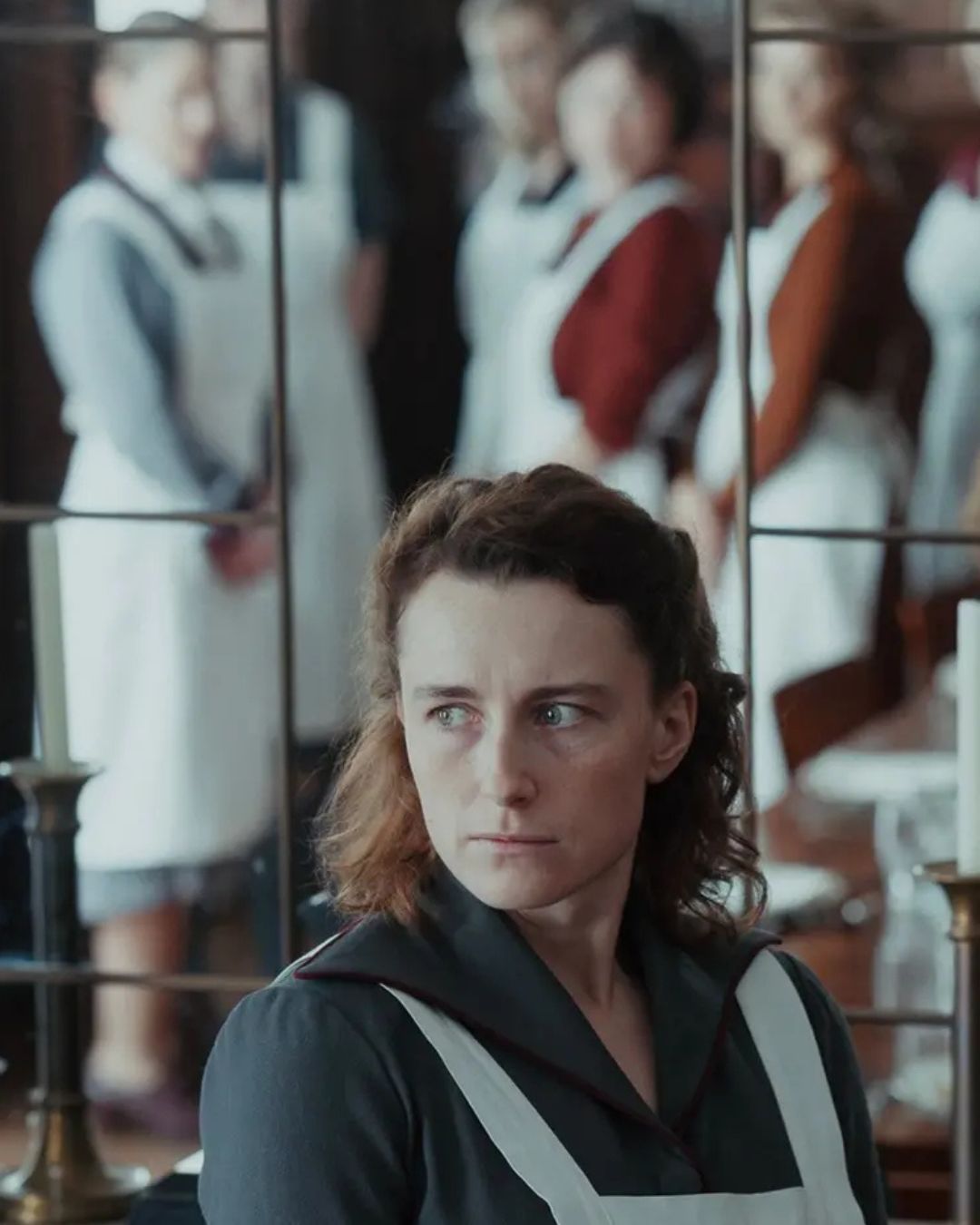
If Modern Family explores family imbalance through comedy, The Bear captures it in all its heaviness. The Berzatto family is not funny: they are broken. Mental illness, addiction, repressed anger... it’s all there. Family dynamics are haunted by trauma. The protagonists are adrift, alienated. Their emotional fragility stems from the family around them, which even worsens their struggles and pushes them further into collective collapse. And yet, to quote De André, “out of manure, flowers are born.” It is precisely shared breakdowns and hardships that lead the Berzattos toward emancipation, care, and healing. By forgiving themselves, they forgive their relatives. By learning self-love, they learn to love others. Pain is not only the other side of love, it is almost its starting point. A reminder that the only way to overcome problems is to face them.
Big Mistakes brings a new imperfect family to Netflix
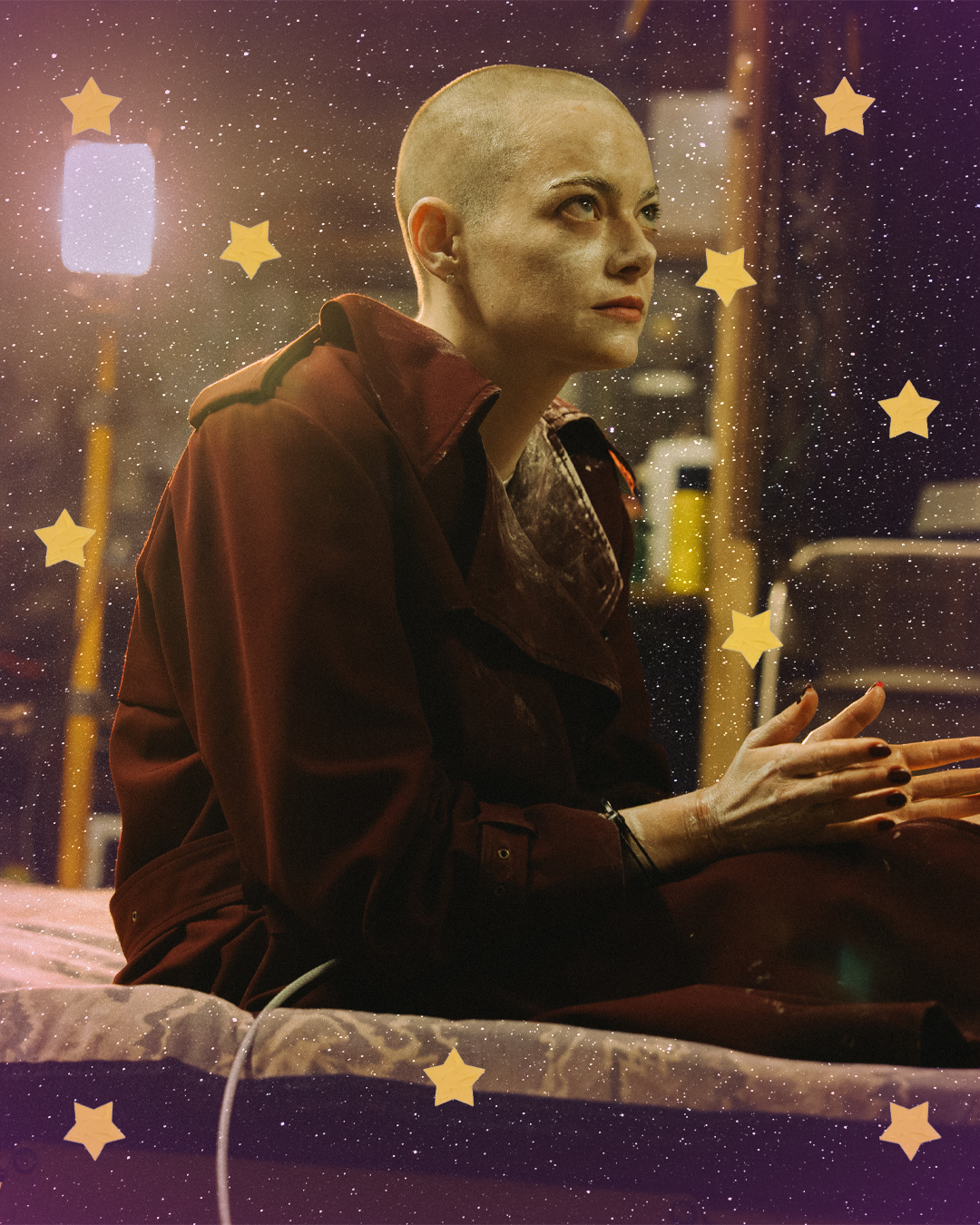
And now, Big Mistakes merges both universes: the tender comedy of Modern Family and the suffocating drama of The Bear. In the new Netflix series, there is a single divorced mother with three adult children. One is trapped in an unhappy marriage, one is a former troubled teen turned chaotic adult, and the youngest is a deeply religious pastor who is openly gay. All the characters are co-dependent, insecure, afraid of the future, and weighed down by others’ judgment. And here too, however predictable it may sound, unity is strength. Literally, since some family members get involved in criminal dealings, and the only way out is to resolve conflicts and stand together.
Why we see ourselves in imperfect families on TV today
Family dysfunction has become something of a recurring motif in contemporary cinema and television. However, I don’t think it is a tired theme born of creative stagnation. The new openness toward psychotherapy, mental health, and emotional intelligence has brought to the surface all the dust hidden under the rug by previous generations. And if there is one thing Millennials and Gen Z love, it is talking about their problems, dissecting them, and finding shared patterns. Over time, we have grown and matured, and adolescent resentment has given way to a more adult form of compassion. That is why we keep watching families that hurt and disappoint each other. Unlike past sitcoms, they don’t promise that everything will be fine or that a happy family is a problem-free one. Contemporary series suggest the opposite: a family is a family precisely because its problems are not enough to destroy it.
