

















Phoebe Bridgers wants phone-free concerts. But is it really possible in 2026? A question that touches on live music, digital culture, spoilers, and audience engagement in 2026
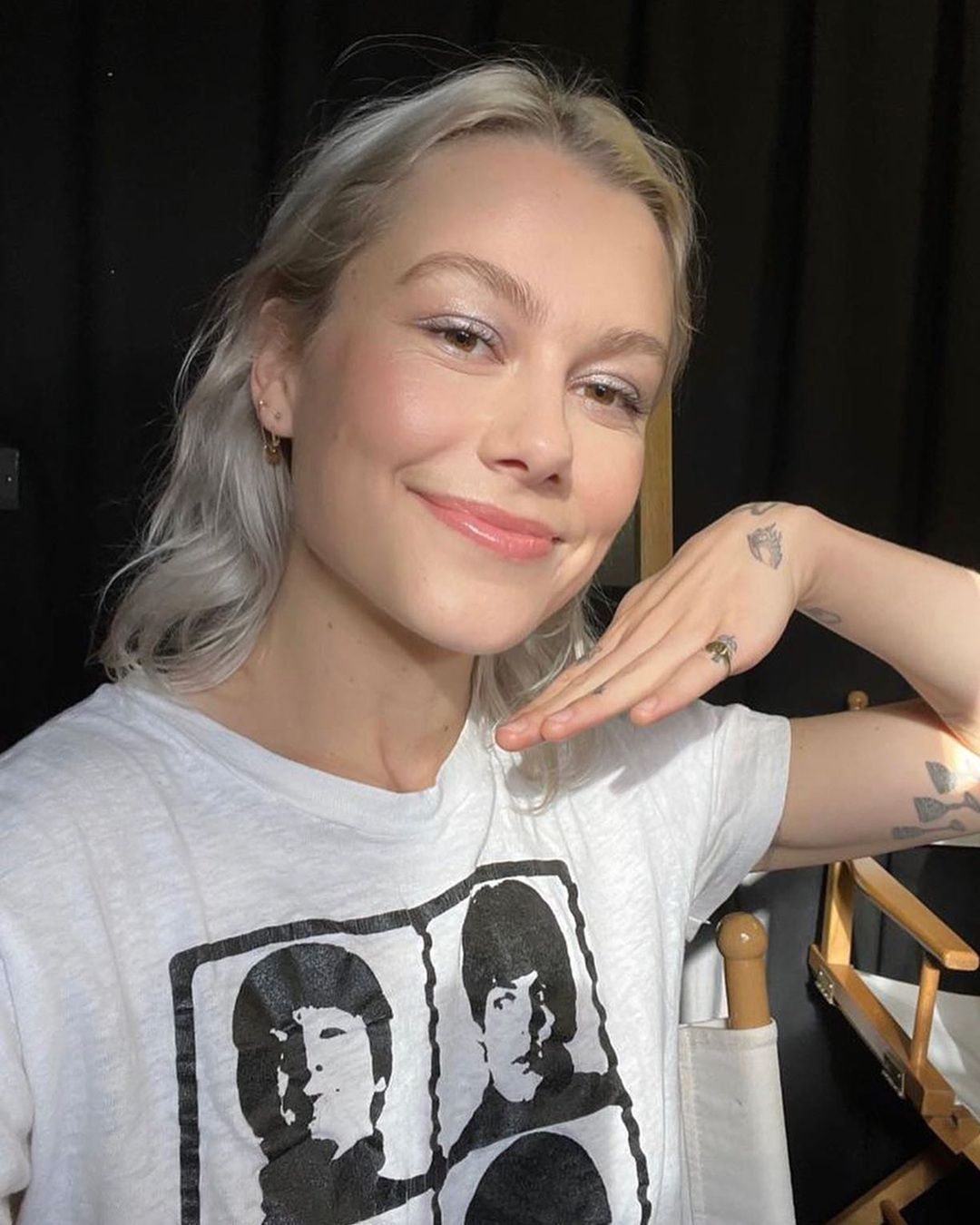
When Phoebe Bridgers announced her new Lost Tour, the news that generated the most discussion wasn't the setlist, nor her return to the stage after years away from the spotlight. It was something else entirely: every show on the tour will be phone-free. Smartphones will be sealed in special pouches upon entry and can only be retrieved after the performance ends. The decision follows a series of surprise shows held across the United States in recent weeks, culminating in a performance at Madison Square Garden, where not only phones and smartwatches were prohibited, but even paper and pens were banned. During the evening, Bridgers also debuted several unreleased songs and explicitly asked attendees not to share lyrics or recordings online. The question, however, goes beyond music: what does it mean today to ask thousands of people to give up their phones for two hours?
The return of presence: Phoebe Bridgers and the phone free concerts
The most immediate motivation is the one many artists have cited in recent years: reclaiming the audience's attention. Modern live concerts have become a paradox. We are physically present, yet often experience the event through a screen. Entire songs are recorded rather than lived. Artists look out at crowds illuminated by thousands of displays instead of faces. In this sense, Bridgers' decision aligns with a trend already embraced by artists such as Bob Dylan and Harry Styles. The goal is to create a space where the experience exists only in the moment it happens. It's an almost radical idea in an era where documentation often seems more important than the experience itself.
It's also about the spoiler problem
Reducing the discussion solely to "being present" would be naive. Bridgers is launching a new artistic era and has introduced several unreleased songs during her surprise performances. The recording ban also served a very practical purpose: preventing new material from immediately appearing on TikTok, YouTube, and Instagram. In 2026, a song can go viral before it is even officially released. Thirty seconds of poorly recorded footage from a fan can generate thousands of videos, lyric analyses, and online speculation. With a phone-free concert, the artist retains narrative control, deciding when and how audiences discover new music.
Exclusivity is part of the appeal
There's another factor at play, perhaps the most interesting one: exclusivity. If nobody can film the performance, what happens inside the venue gains value precisely because it is inaccessible to those who weren't there. For years, the internet promised universal access. Any event could be watched from anywhere just minutes after it happened. Today, paradoxically, exclusivity has returned as a form of cultural luxury. Knowing that thousands of people heard eight new songs without any videos appearing online creates curiosity, conversation, and even a certain mythology around the event. Wired noted that the absence of recordings transformed fans into a kind of investigator community, piecing together clues and details from the performances.
Does it actually work?
From a technical perspective, systems such as Yondr pouches make recording extremely difficult. In that sense, the model works. From a cultural perspective, however, the outcome is more ambiguous. Many fans appreciate the opportunity to enjoy a live music experience without distractions. Others view recording as a legitimate way to preserve memories or share the experience with people who cannot attend. Furthermore, for a generation raised on social media, filming isn't necessarily an interruption of the experience, it is part of the experience itself. For this reason, the debate isn't really about phones. It's about two competing ways of understanding culture: as something to be lived in the present moment, or as something to be archived, shared, and transformed into content. Perhaps Phoebe Bridgers' request is not a declaration of war against smartphones, but rather an attempt to restore scarcity within an ecosystem built on digital abundance. In a world where everything is photographed, recorded, published, and commented on in real time, the phone-free concert becomes a surprisingly countercultural experience.
What to read next
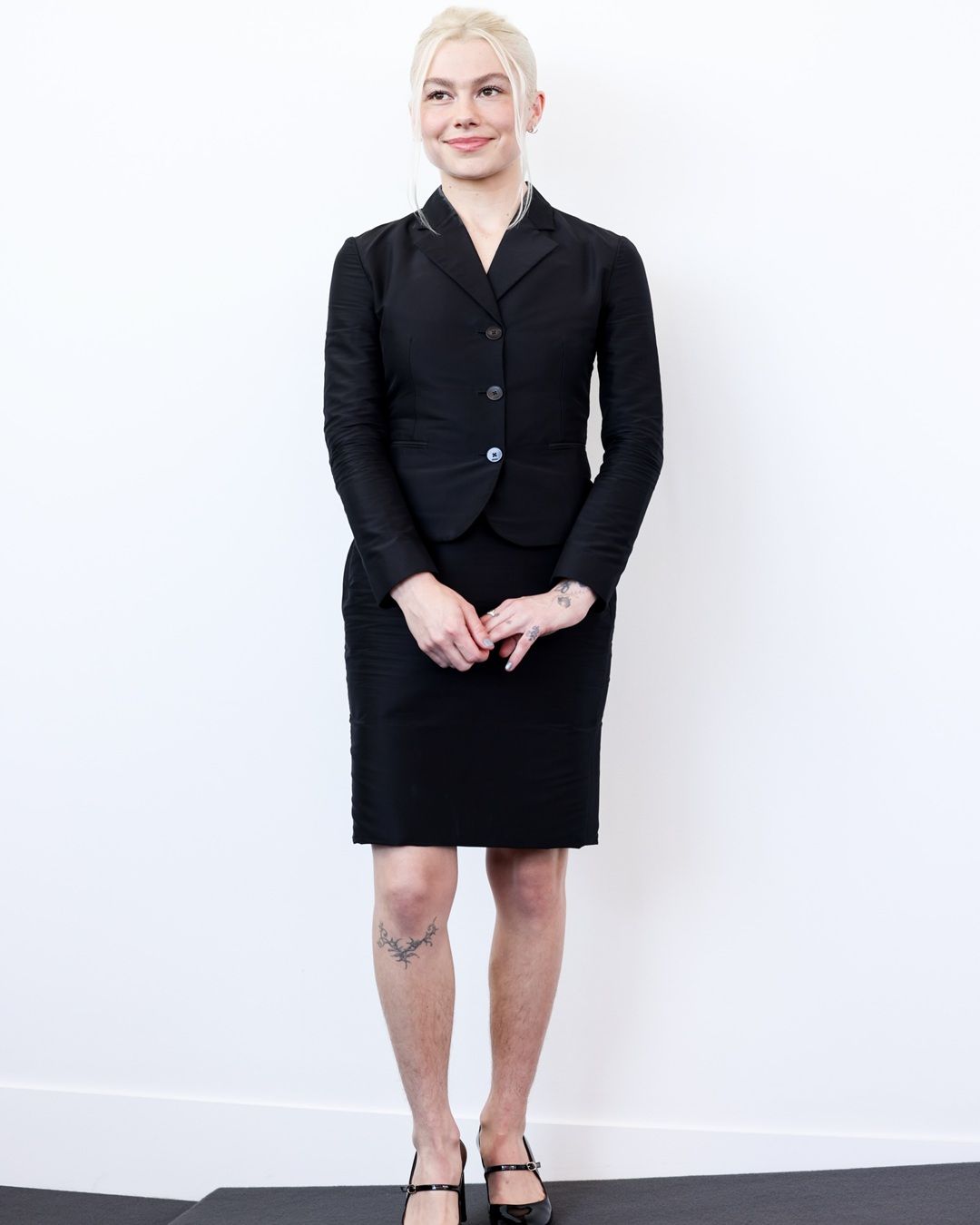
Women have hair on their legs. So what?
At the Venice Film Festival, Phoebe Bridgers showed off the most normal thing in the world: hairy legs
Raye is the protagonist of Zalando's most ambitious cultural project ever
It's called Access All Areas (AAA) and it will take place on April 25 in Berlin