










































How to protect your lips from the sun For a summer-proof lip combo
While we’ve finally learned how to protect our skin from the sun, the same can’t be said for our lips. Exposed daily to UV rays, wind, salt water, and temperature changes, they are among the first areas to become dehydrated and lose elasticity, affecting not only comfort but also the performance of any lip combo. And yet, they’re often the most overlooked part of an SPF skincare routine. Protecting them isn’t just a beauty concern, it’s an essential act of self-care: a simple but fundamental habit for achieving healthy, soft, and smooth-looking lips.
Lip sunscreens: which one should you choose?
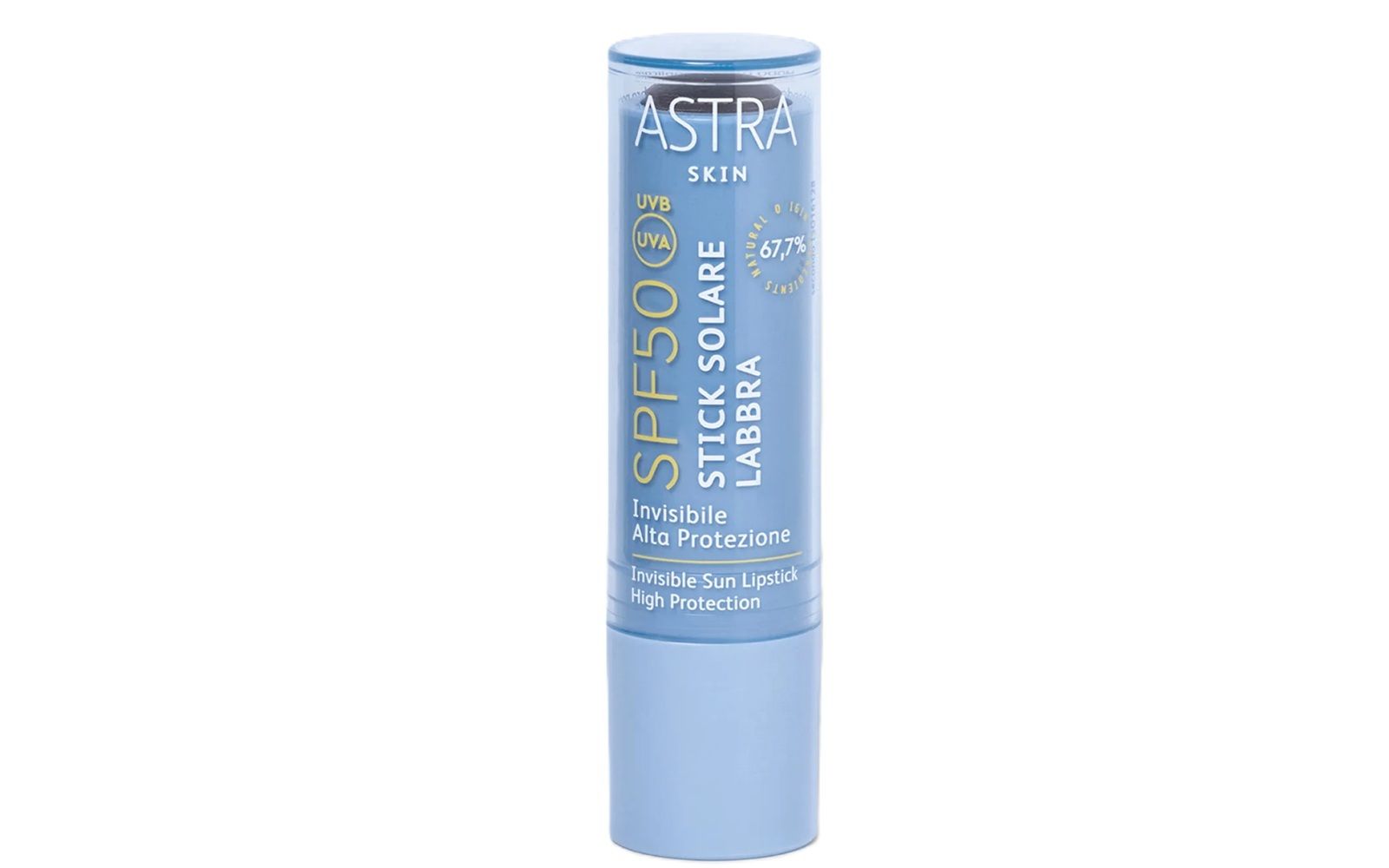
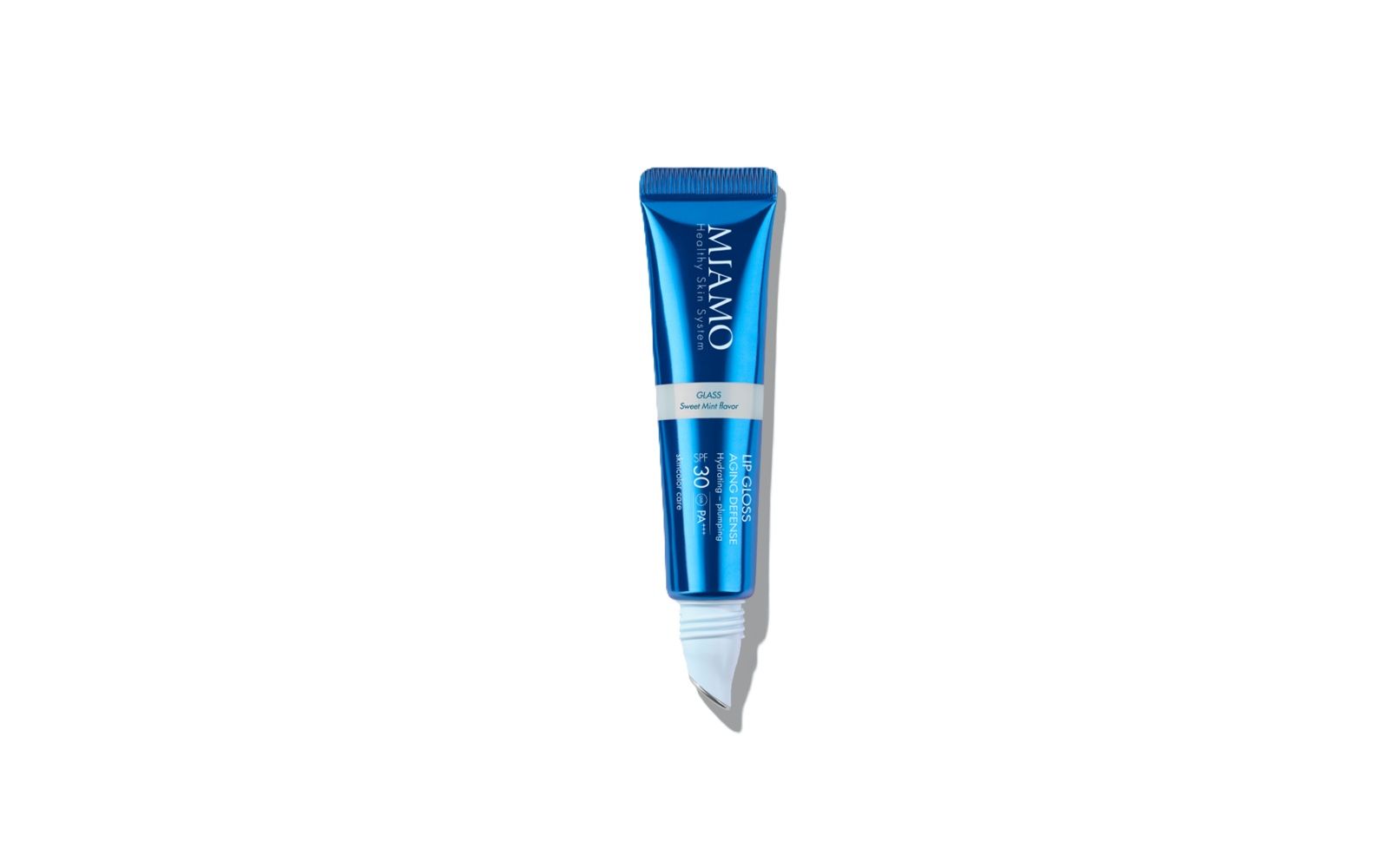
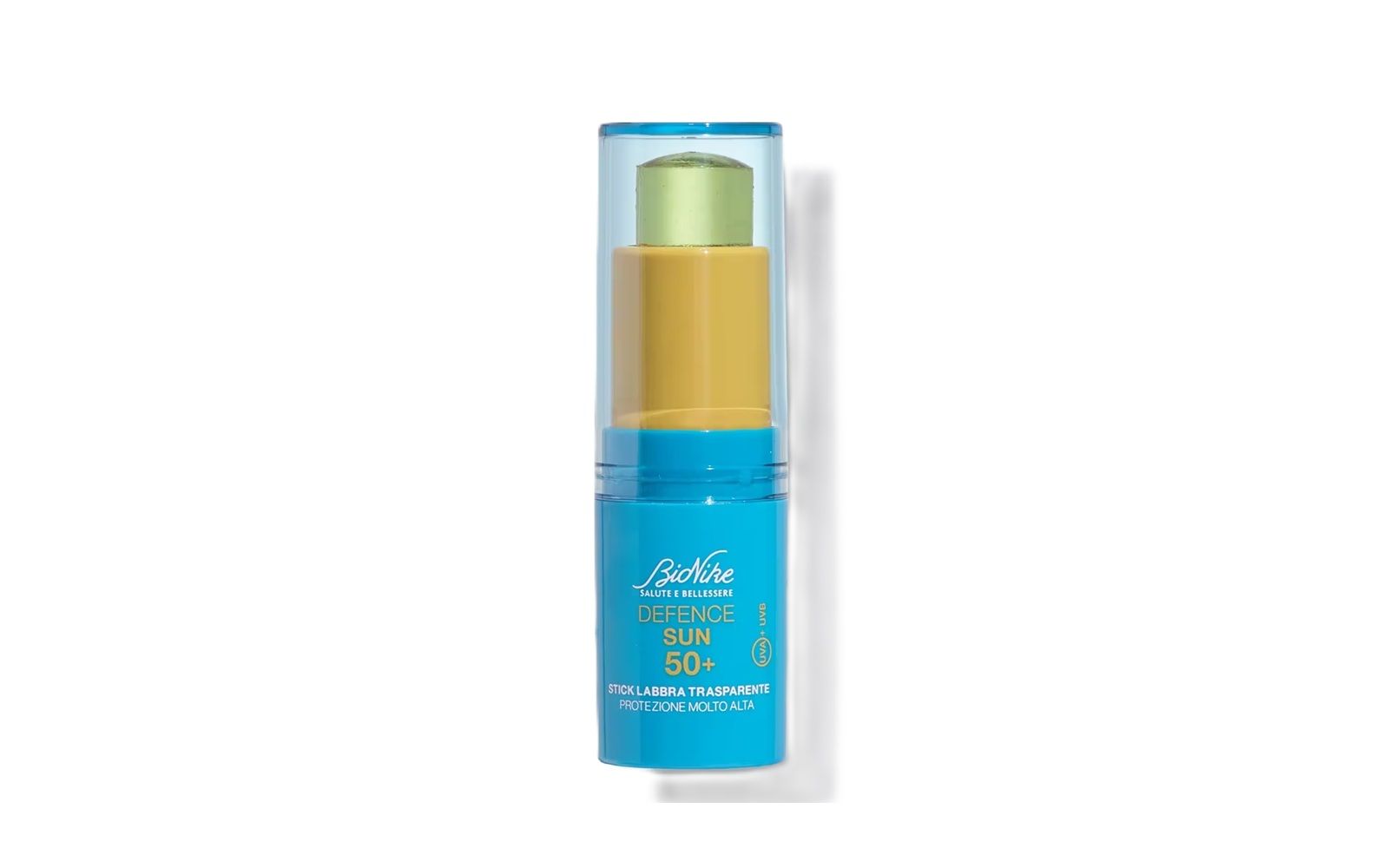
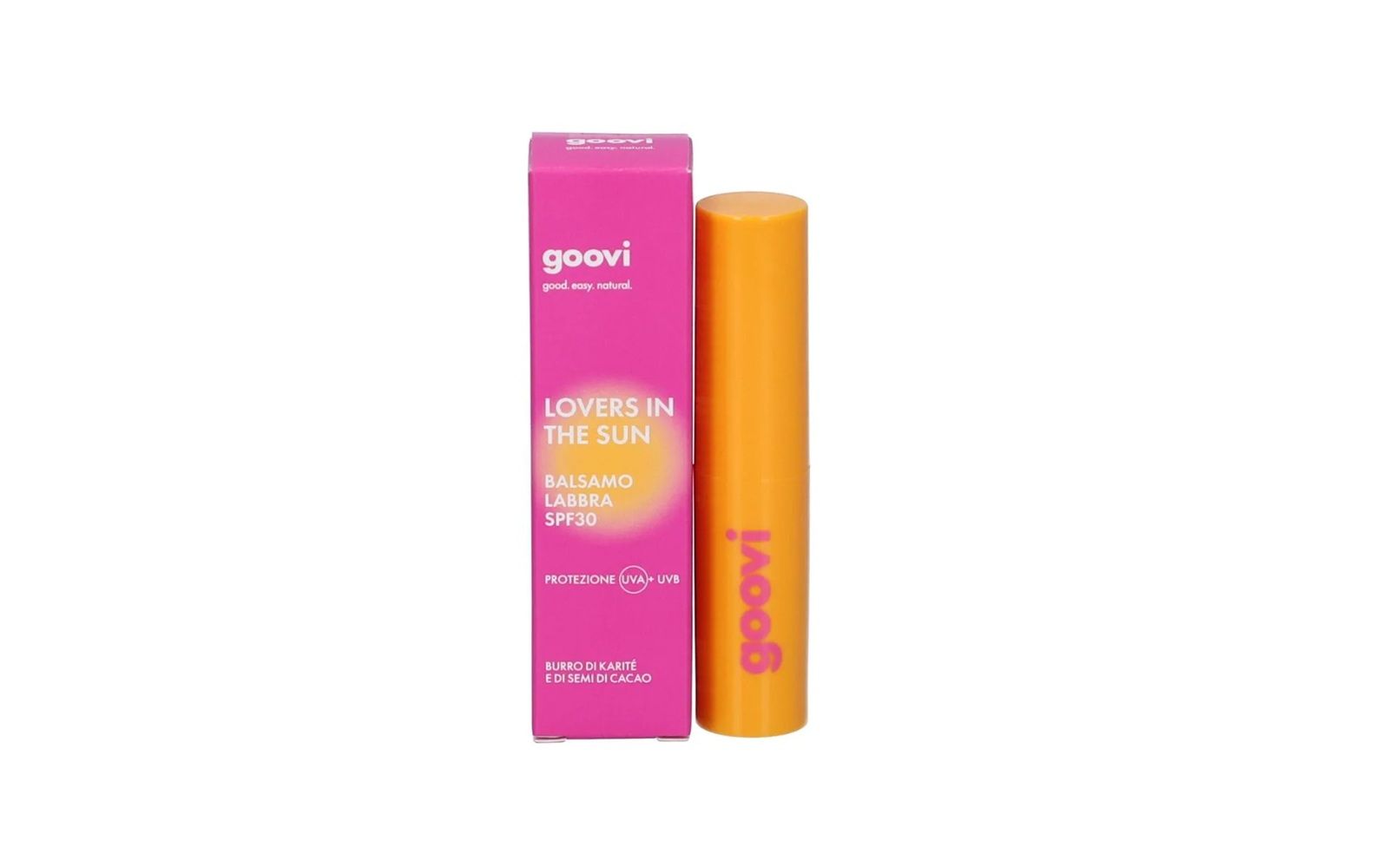
Just like facial sunscreen, lip SPF should be considered an essential step in any beauty routine. Before reaching for lip liners and glosses, the perfect lip combo should start with a generous layer of protection to prevent dryness, cracking, and poor wear from the products applied afterward. The good news? Today’s formulas are more versatile than ever. There are invisible SPF sticks, ideal for anyone looking for a neutral base that won’t alter colors or textures: worn under lip liners and lipsticks, they help avoid the dreaded “cakey” effect while providing instant comfort. SPF glosses, meanwhile, combine protection with a shiny finish, making them almost indistinguishable from traditional lip glosses. Available in both clear and tinted versions, they’re the perfect 2-in-1 solution for anyone prone to forgetting a step. Finally, SPF lip balms remain the most practical everyday option: applied just like a traditional lip balm, they provide continuous hydration and a natural finish, working perfectly both on their own and as a base before makeup.
Understanding the SPF factor
When it comes to SPF for the lips, the most important feature to consider is the sun protection factor. It’s not just a detail to skim over on the label, it’s the key to making the right choice. Just like on the face, UVB rays are responsible for sunburn and dryness, while UVA rays accelerate aging and the loss of elasticity. That’s why the ideal choice is always a broad-spectrum formula, capable of protecting against both. In the city, an SPF 15–30 may be sufficient, especially if reapplied throughout the day, but for prolonged direct sun exposure, at the beach or in the mountains, for example, it’s best to opt for SPF 30 or 50. The most important factor, however, isn’t just the number: it’s consistency. A high SPF applied once won’t be as effective as a medium SPF that’s reapplied regularly. This is even more true for the lips, an area where products tend to wear off quickly due to eating, drinking, and countless small daily habits.
What to read next

Vanilla fragrances are here to stay
Despite everything, they are still the number one choice among female consumers

Practical guide to smelling like autumn
All the fragrances to mark to feel inside a bakery in November