







Ombretto is back, baby The (unrequested) story of how eye makeup survived the clean girl trend, TikTok, and collective boredom
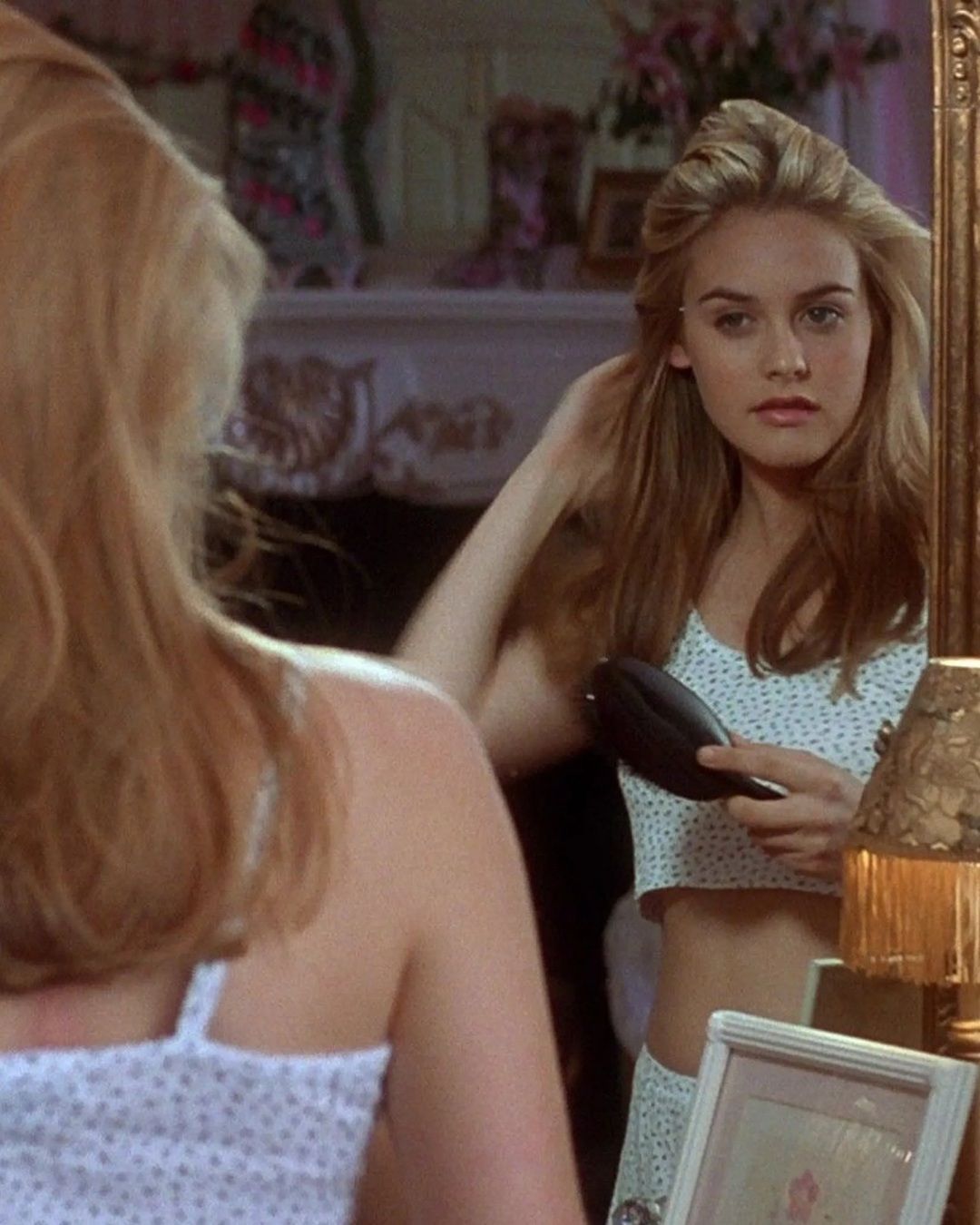
Just a few years ago, eyeshadow was treated like an awkward relative at family dinners: better ignored. It had been declared out of fashion, outdated, Millennial stuff. Worse, old lady stuff. In an era dominated by the clean girl aesthetic, bare lids, and glowy skin, eye makeup seemed excessive, almost suspicious. Too much pigment, too much intention, too much time spent in front of the mirror. And so eyeshadow was shown the door, along with the side part and skinny jeans. We waved goodbye dismissively, convinced we wouldn’t miss it. Spoiler: we missed it a lot.
When eyeshadow became an aesthetic crime
Looking back now, the process was almost cruel. There was a time when a single swipe of color on the lid was enough to make you look hopelessly out of date. The gigantic palettes of past years had done irreparable damage. Too many launches, too many promises, too many shades never used. Eye makeup had turned into an athletic performance rather than a pleasure. Fifty tones, twelve brushes, twenty minutes to leave the house with the feeling you’d messed something up anyway. Generation Z, raised on rapid tutorials and “five-minute makeup,” and with a very low tolerance for anything that requires unrewarded effort, said enough. Better a bare lid, maybe just a swipe of mascara, and go. And so eyeshadow became a kind of inside joke, the symbol of a beauty ideal perceived as old, exhausting, unnecessarily elaborate. An aesthetic to avoid, ideally, to mock.
Clean girl: minimal, yes, but with a gun pointed at you
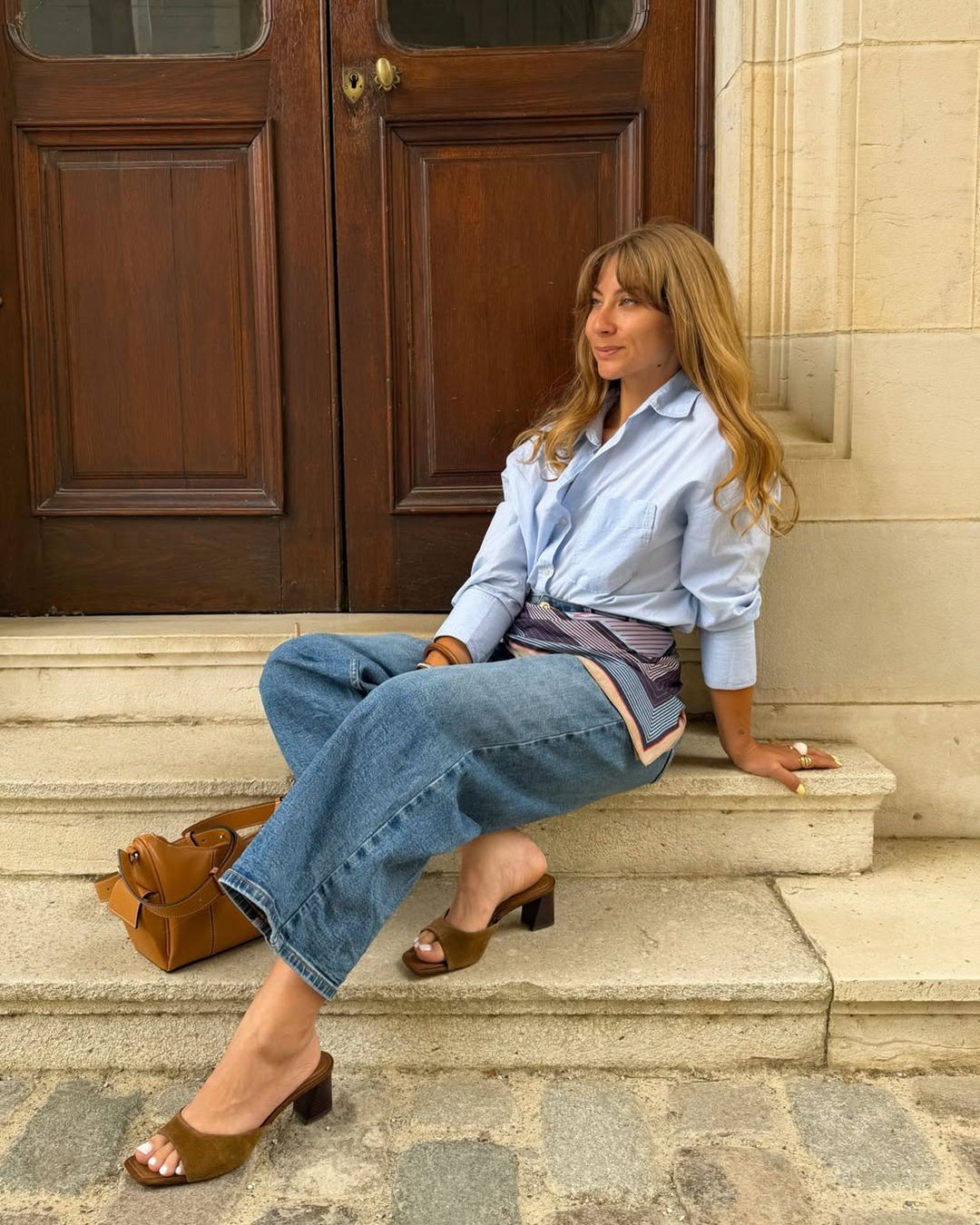
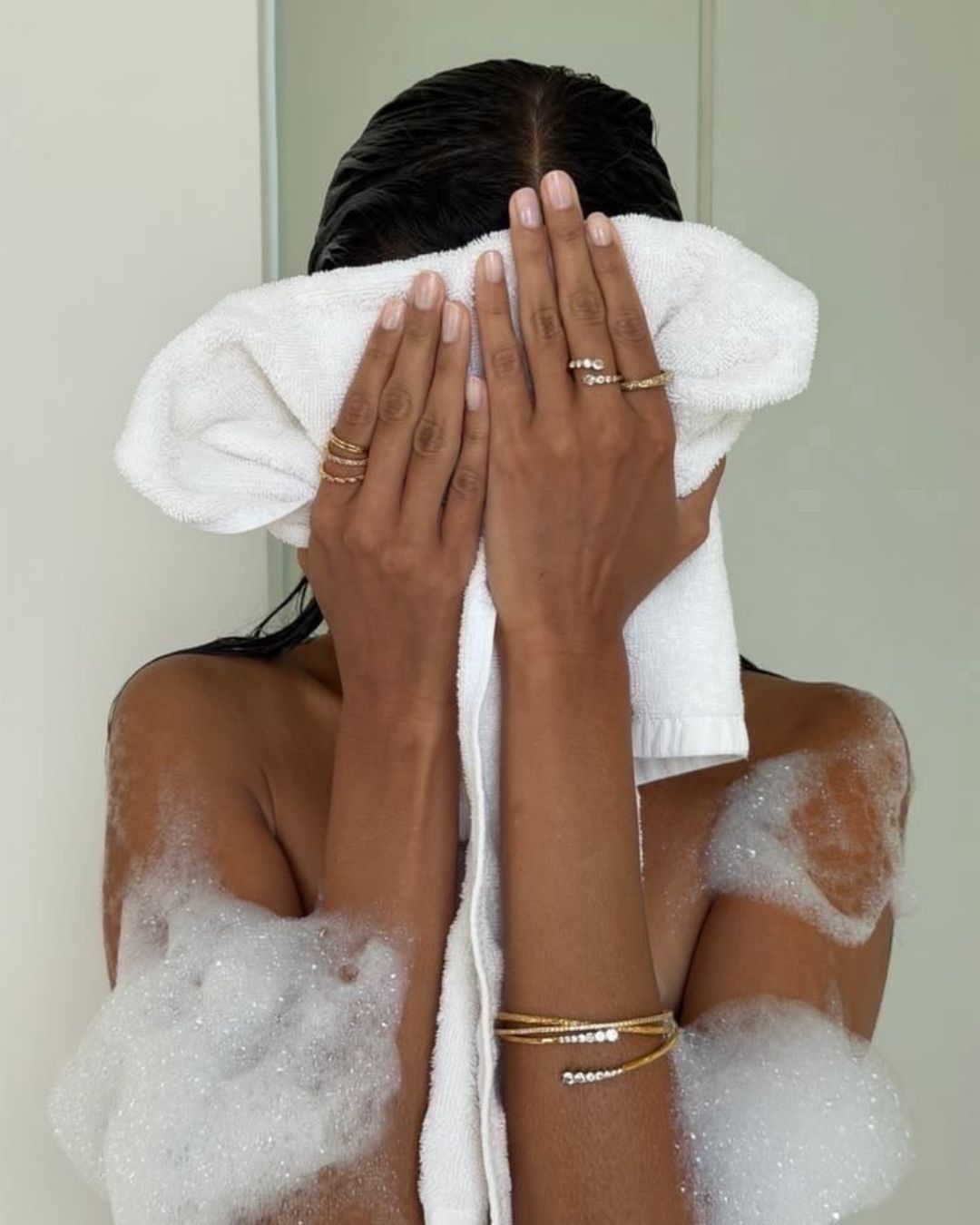
The clean girl aesthetic presented itself as a promise of freedom, but in reality it functioned more like a condo rulebook. Everything had to look simple, fresh, natural, even when it was clearly constructed. Skin had to glow but not sparkle, brows had to be perfect but invisible, lips glossy but never colored. In this rigid, smiling framework, eye makeup had no place. Eyeshadow was seen as an unauthorized act of rebellion. Too much color, too much presence, too much character. Lids became neutral surfaces, almost disciplined, as if color were a temptation to be kept in check. Too bad that aesthetic self-control, over time, is deadly boring.
The moment we said: okay, enough
The return of eyeshadow wasn’t sudden, it was inevitable. It began when every face started to look like the same face. When lips and cheeks turned into an endless loop of glosses, oils, and blushes, chasing each other in an infinite race to be juicier, glossier, more “my lips but better.” At that point the eyes, ignored for too long, did what neglected parts do: they started screaming. Eye makeup came back as a response to monotony. Because eyeshadow, unlike many other products, doesn’t promise to improve you. It promises to change you. To tell an attitude, create a character. And in an era obsessed with optimization, changing is a radical act.
The new eyeshadow: less circus, more brains
Relax. We’re not going back to the era of daily full glam. This isn’t a replay of the past. It’s not 2016 cut-crease nostalgia or a revival of XXL palettes bought in a moment of hype. The new eyeshadow is smarter, more aware, more targeted. Formulas have changed, more high-performing, easier to use, more versatile. Sticks, cream shadows, hybrid textures that apply with fingers and last for hours speak a new language, designed for those who want impactful eye makeup without enrolling in an accelerated blending course. It’s expressiveness without burnout, color without guilt. And so Generation Z changed its mind. Or rather, it simply decided it had to work by its own rules. No two-hour smokey eyes, no compulsive layering. One well-placed matte color, a thoughtfully chosen metallic texture, an accent that looks spontaneous but never really is. Eye makeup becomes a quick yet intentional gesture, capable of giving character without weighing things down. It’s an aesthetic that rejects excess for excess’s sake, but embraces personal expression with a new visual maturity.
Runways and pop culture: the gaze takes center stage again
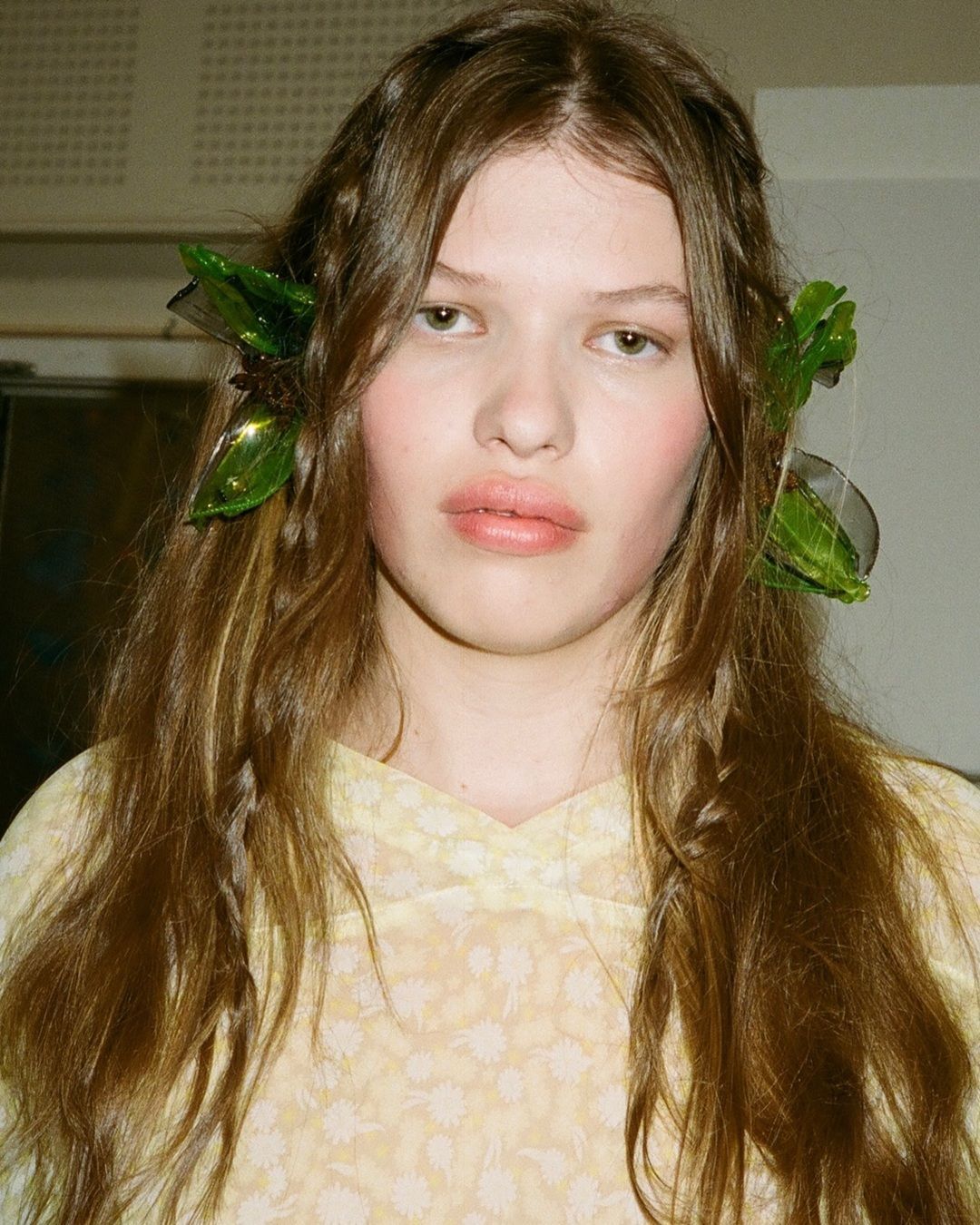
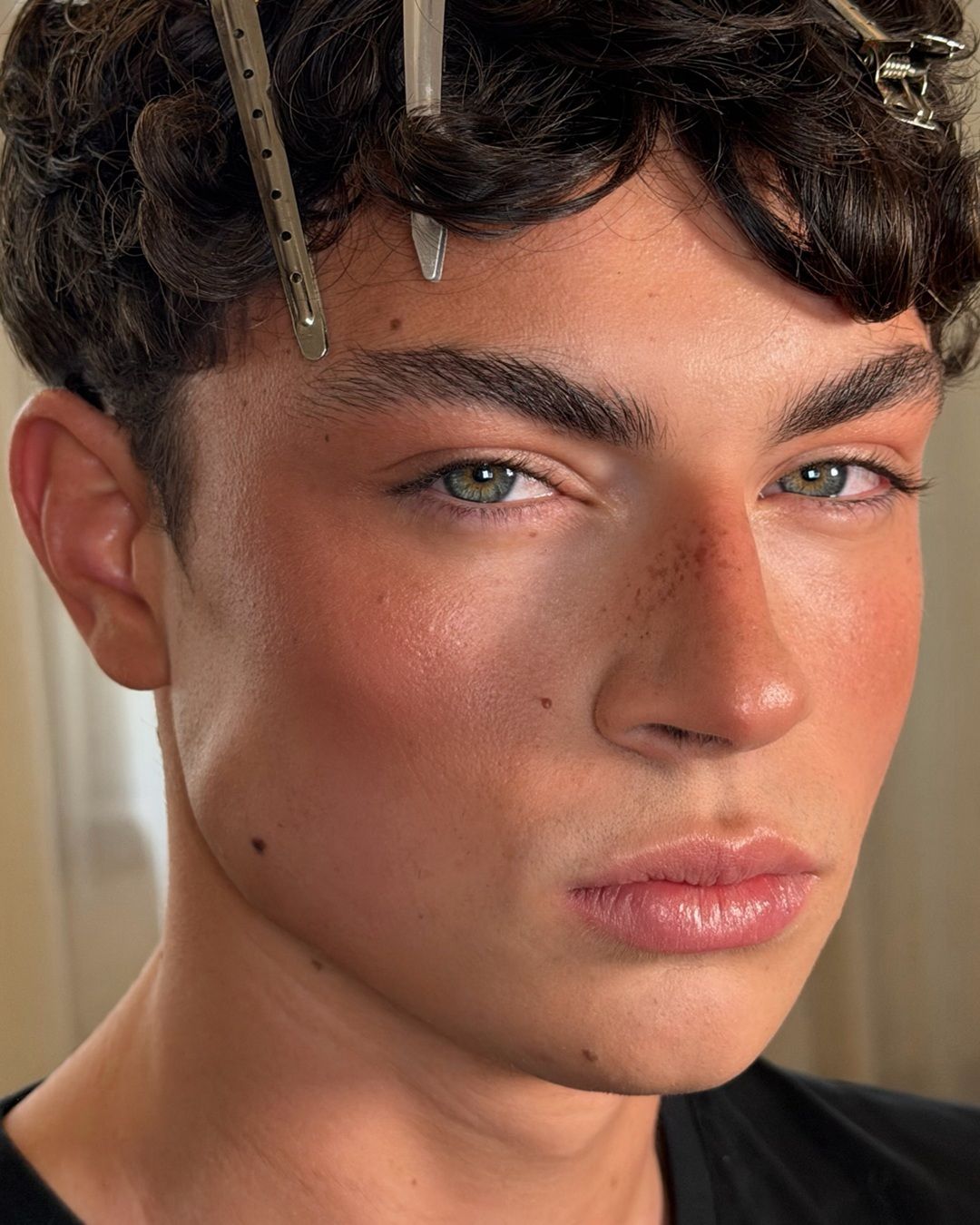
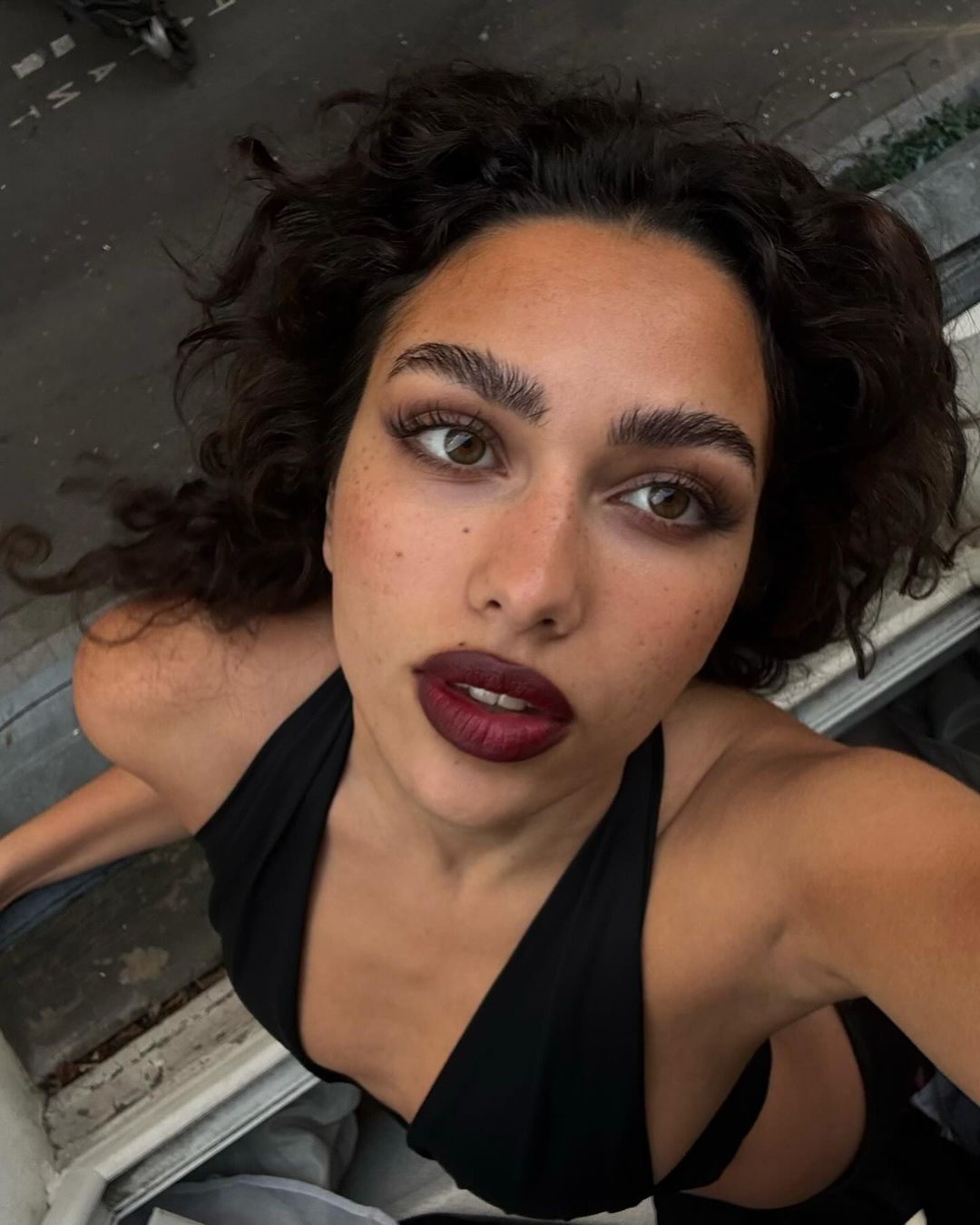
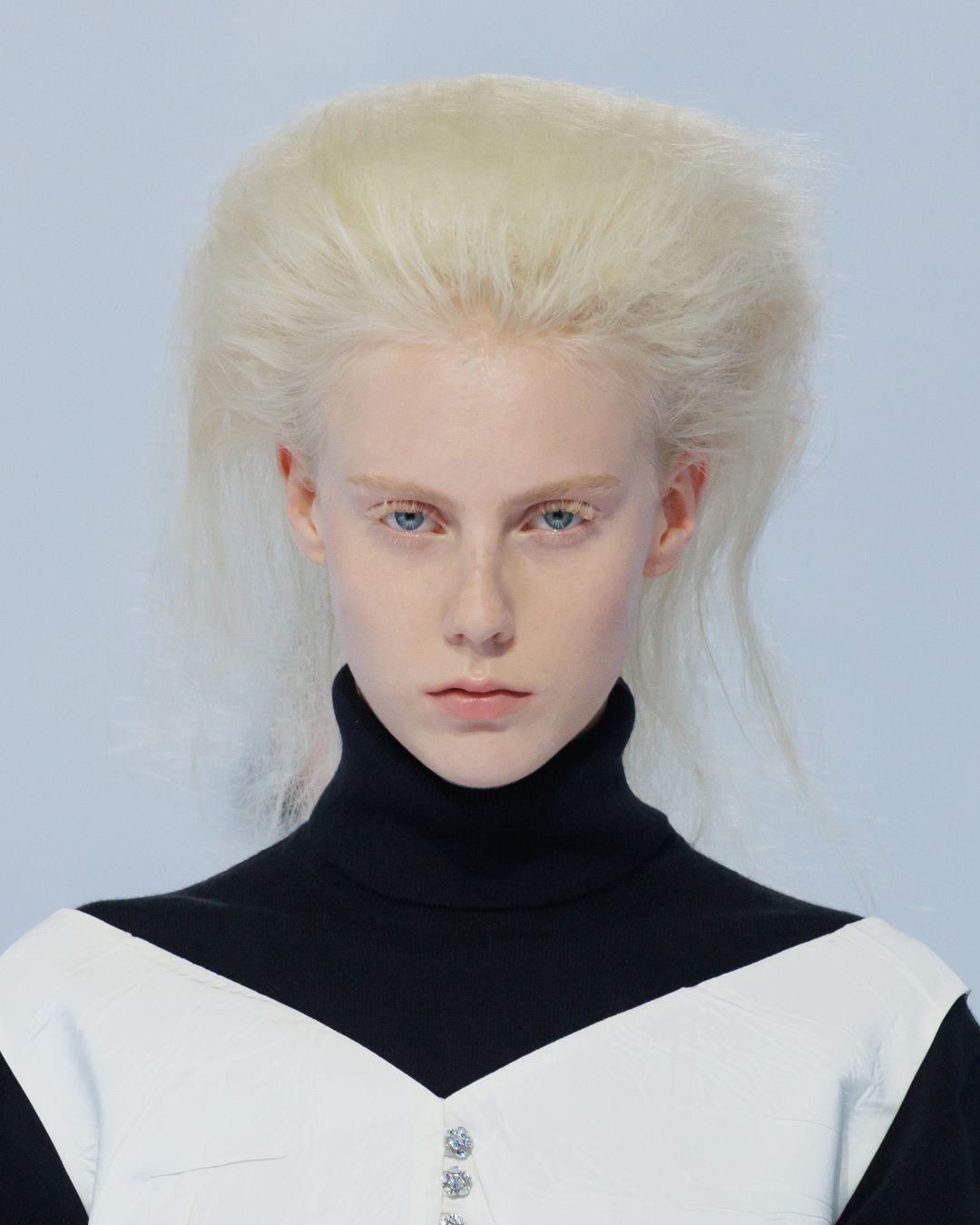
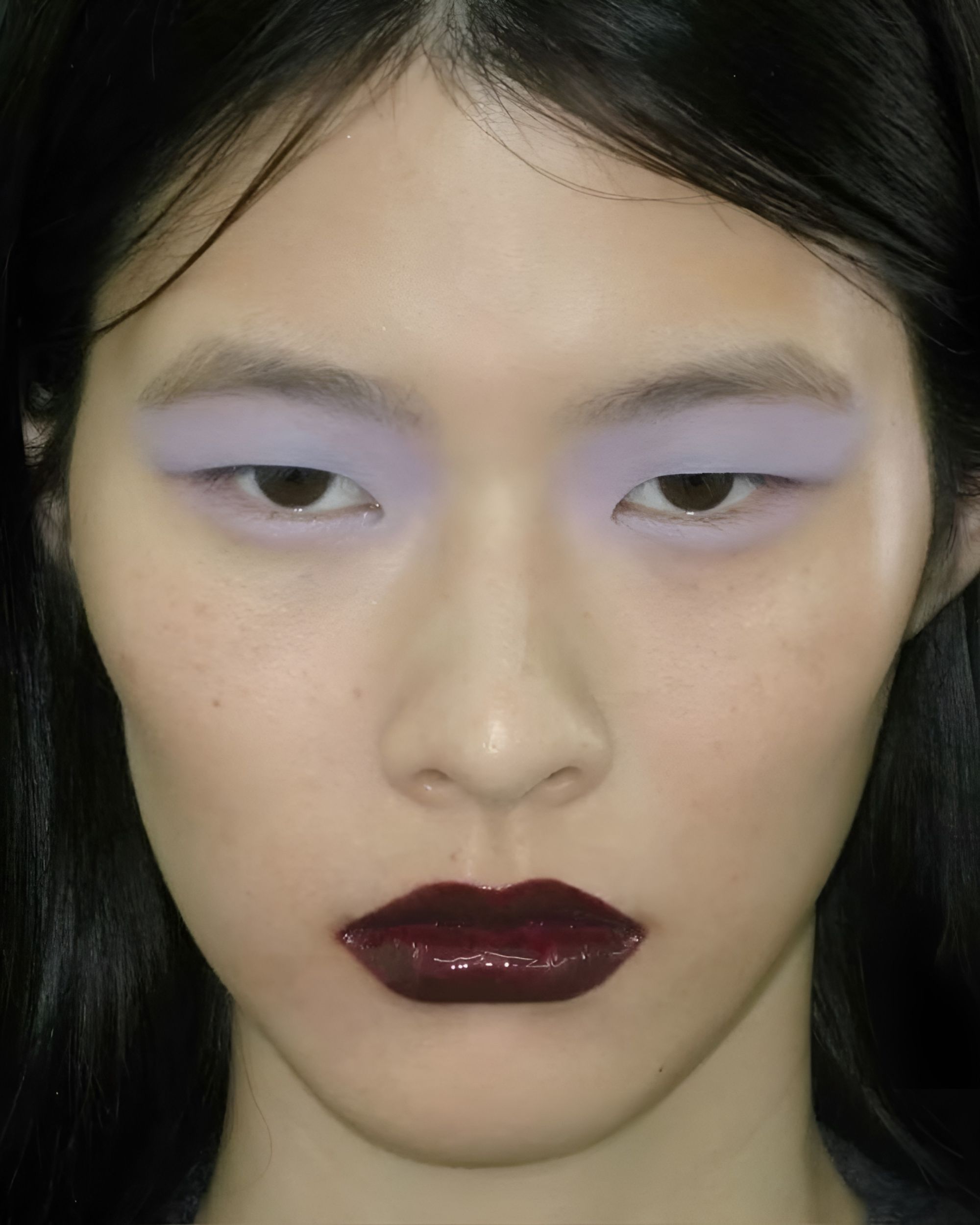
On the runways, the message is unmistakable: the eye is back at the center of the beauty narrative. Matte shadows taken up to the brow bone, metallic lids, cool smoky eyes, and bold graphic lines coexist with clean, almost transparent complexions. Just look at Isamaya Ffrench’s work for Collina Strada SS26, Pat McGrath’s for Anna Sui SS26, Andrew Dahling’s for Luar, or Patrick Glatthaar’s for Blumarine. It’s a studied balance, where eye makeup becomes the absolute focus while the rest of the face steps back. In pop culture too, from it-girls to performers, the gaze turns into an aesthetic manifesto. It’s not decoration; it’s a statement. Have you seen the beauty looks created by Sophia Sinot for Zara Larsson?
Blue, green, white, and metallics: the colors that weren’t supposed to come back (and yet here we are)
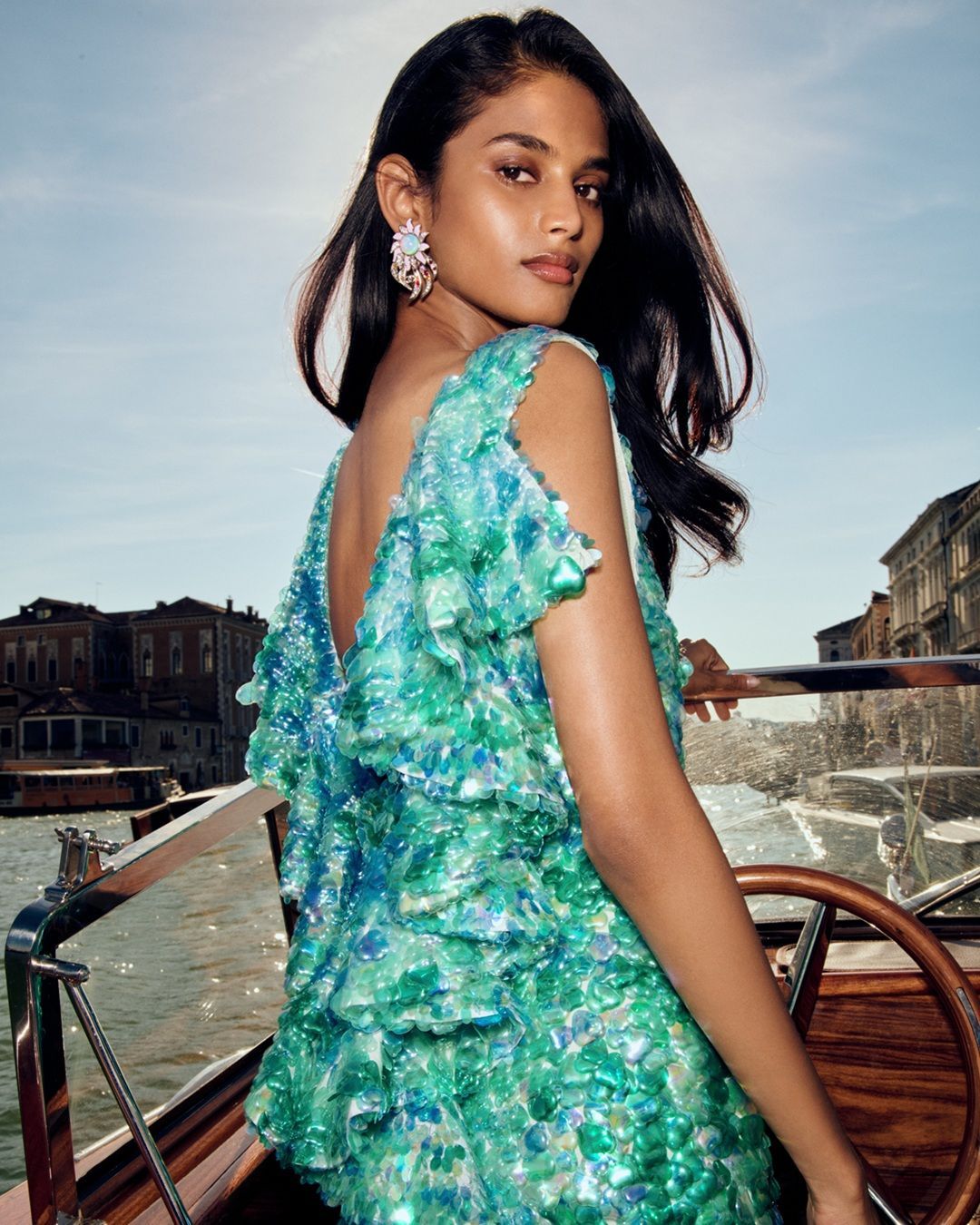
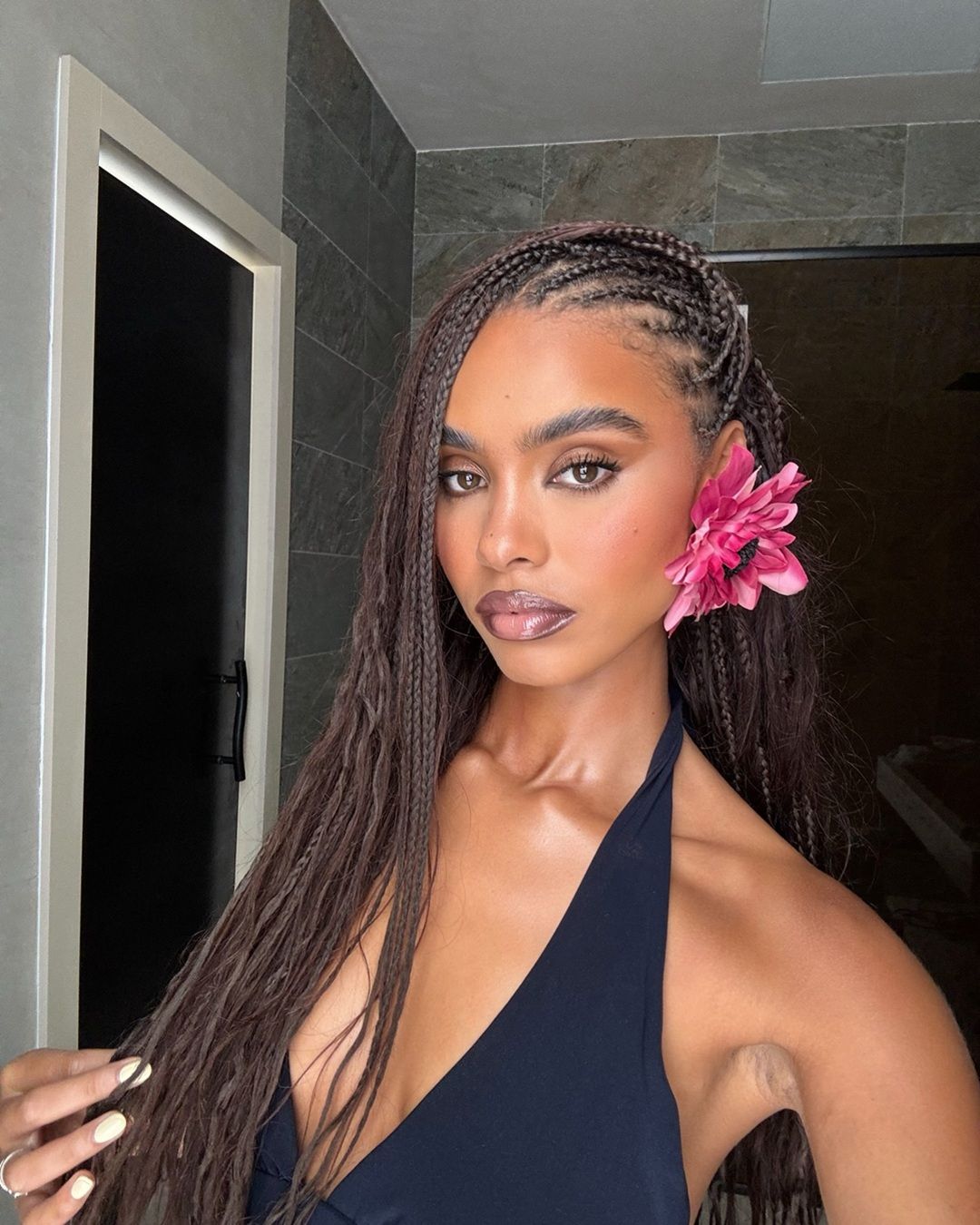
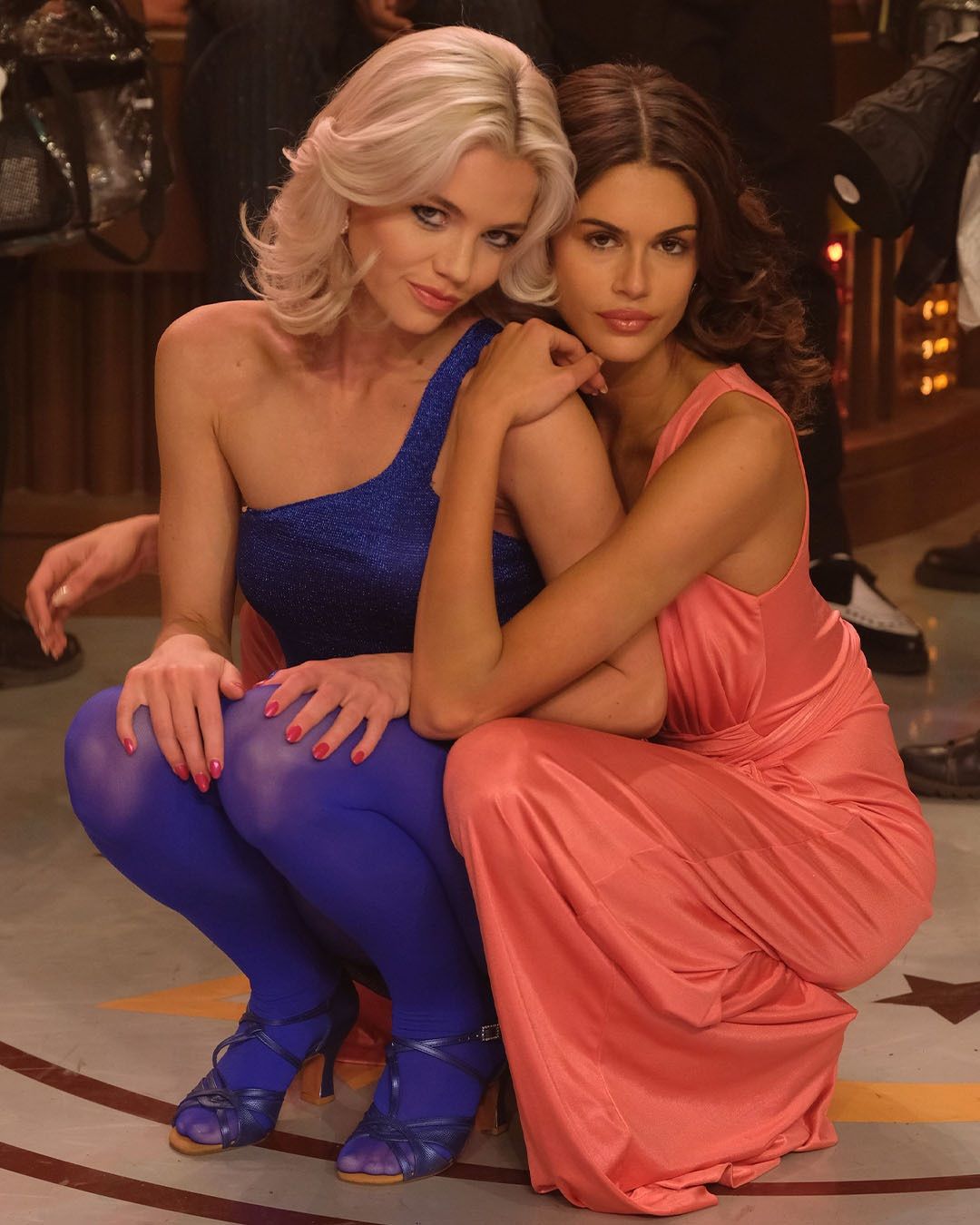
If there’s one thing the return of eyeshadow is teaching us, it’s that the colors once deemed “impossible” are exactly the ones that work best. After years of reassuring nudes and shades that asked for permission, eye makeup is speaking in full color again. Blue, which has dominated the collective imagination across cinema, pop culture, and Y2K revivals, confirms itself as a modern classic that paves the way for new chromatic obsessions. Among these, green advances confidently, free of old insecurities. For years relegated to the bottom of palettes, associated with vaguely retro memories and beauty looks that smelled of yellowed photographs, green eyeshadow is coming back through the front door. Vintage enough, futuristic just right, loaded with symbolism tied to regeneration, growth, and transition, it’s the color of those who’ve moved past punitive minimalism and want something more layered. Not by chance, on runways most attuned to contemporary visual language, green appears everywhere, rendered in deep, rounded, almost mystical versions, often softened with browns and neutrals to make it feel lived-in, dynamic, and surprisingly refined. Alongside it, in a very 2026 play of contrasts, white is also returning. Not the shy white used as a strategic inner-corner highlight, but white fully aware of its own history. A color rooted in stage makeup, theater, drag, and also in 1960s mod makeup, where it served to enlarge the eyes, make them almost alien, overtly graphic. And then there are metallic tones: gold, silver, steel, liquid, reflective finishes that turn the lid into an active surface. Metallics no longer exist simply to “shine” in the literal sense, but to give structure, depth, and character. In the new eye makeup, they work as accents, as precise gestures, as conscious aesthetic choices. They’re the meeting point between the desire for impact and the need for control. Blue, green, white, and metallics tell the same story: eyeshadow no longer wants to blend in. It wants to exist, be noticed, take up space. And above all, it wants to stop asking if it’s okay.
Welcome back, eyeshadow. We missed you
In the end, the return of eyeshadow isn’t breaking news. It’s more of a collective realization. It’s not that eye makeup has suddenly come back into fashion, it’s that we’ve stopped pretending we can do without it. After years spent chasing the illusion of silent, natural, almost invisible beauty, we remembered that makeup also, and above all, exists to say something. Even when it’s not entirely clear what. Eyeshadow today doesn’t ask for rules, endless tutorials, or social approval. It’s freer, faster, smarter. It can be a minimal gesture or a theatrical act, a veil of color or a visual declaration. It doesn’t promise to improve the skin, optimize the face, or pretend to be skincare. It’s color, intention, presence. And that’s exactly what makes it desirable again. Maybe in a year everything will change. Maybe we’ll go back to wanting bare lids and ultra-clean faces. But for now, eyeshadow is here, relaxed, aware, finally comfortable in its own skin. Not to please everyone, but to please the person wearing it. And in a beauty landscape that for too long has asked us to be sober and perfect, that’s a bigger revolution than it seems.