

Archival make-up has become our favorite aesthetic anxiolytic Nostalgia is the real trend of 2025, even in beauty and make-up
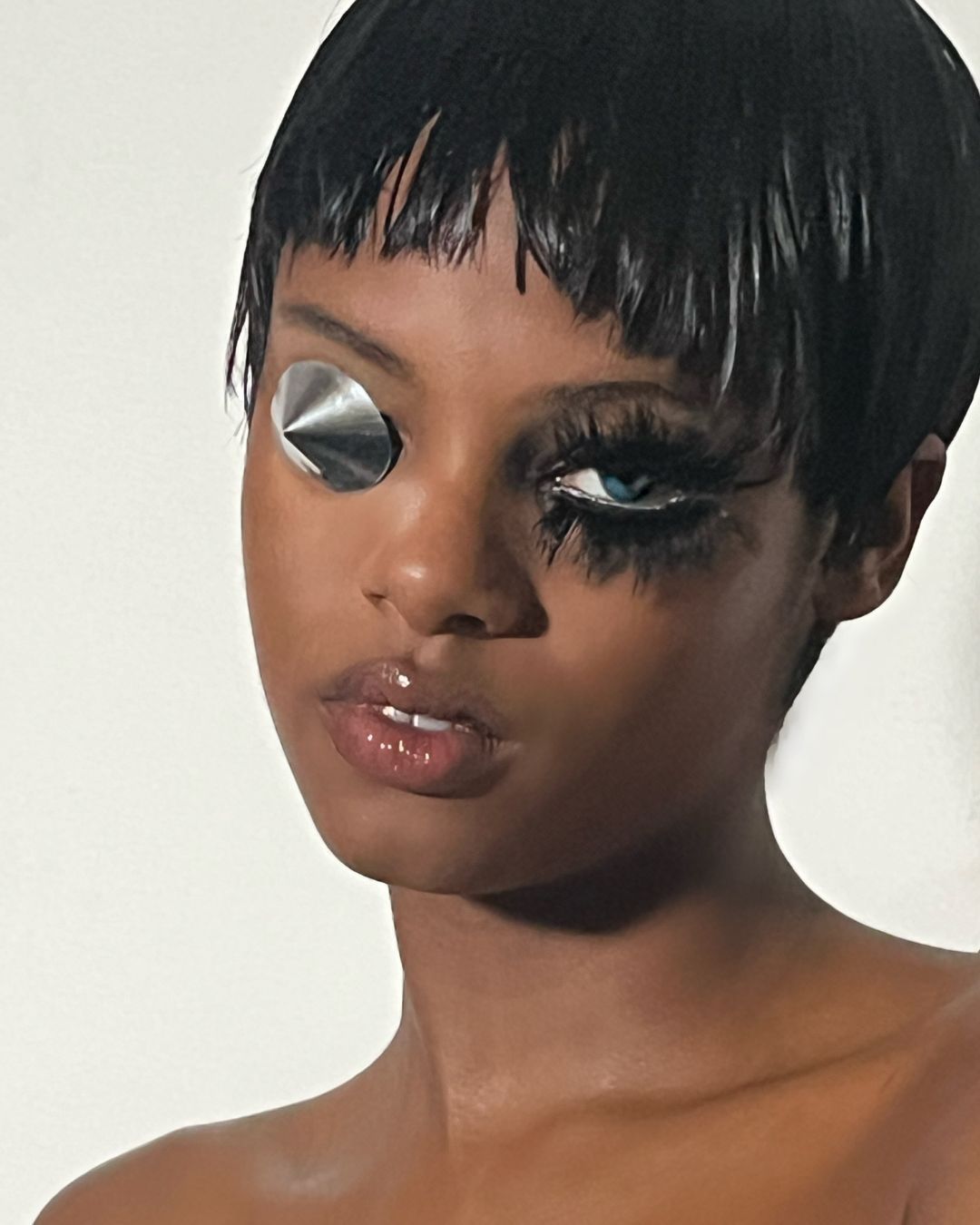
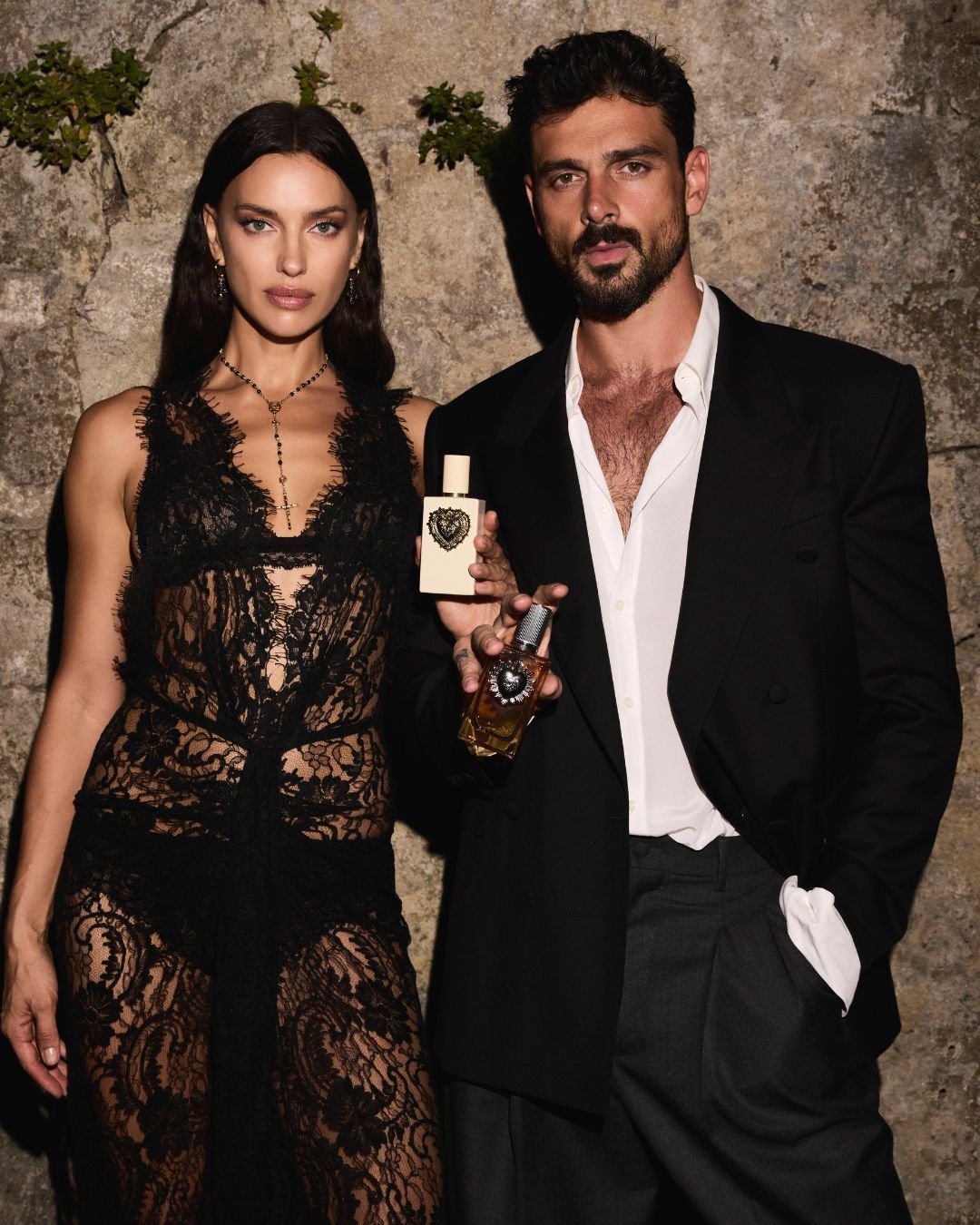
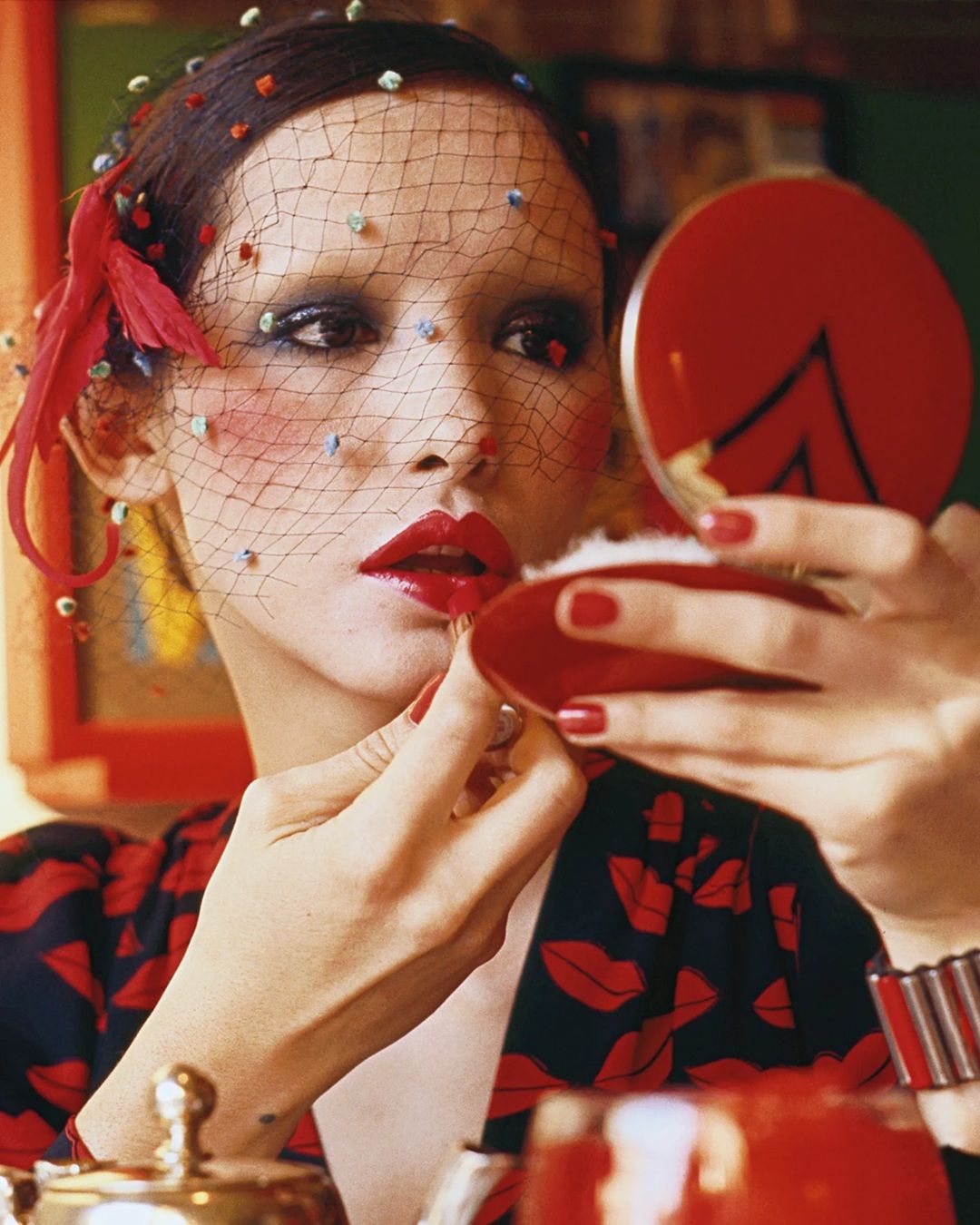
There’s something almost therapeutic about digging out an old lipstick. It doesn’t matter if it’s dry, expired, or hopelessly discontinued. It’s like smelling a piece of your own youth. And there’s something poetically tragic (and, at the same time, irresistibly glamorous) about watching vintage make-up become the latest object of desire on TikTok. Our feeds are filling up with vintage lipsticks, iconic palettes, and retro fragrances, showing us a piece of who we were, or who we wish we had been, sealed inside an ’80s beige tube. It’s a collective emotional phenomenon. We’re no longer buying a mascara, but a memory packaged in brushed aluminum; not a foundation, but the promise of feeling again like it’s 1950, when putting on make-up meant getting ready to go out, not to film a tutorial. In an overstimulated era, archival make-up has become a kind of aesthetic anxiolytic, a soft, vanilla-scented escape back to a time that felt simpler, more authentic, more ours. Because in 2025, beauty nostalgia is the true global trend, the only one able to cut across fashion, film, music, and even beauty itself. The industry knows it well. MAC Cosmetics knows it, having just relaunched its MAC Nudes collection, resurrecting cult classics like Fleshpot, Folio, Stone, and a new Cool Spice lip pencil, closer to the mythical ’90s Spice than the current version on the market. It’s an archival comeback that feels like a high school reunion: the same energy, but with a cleaner formula and a less toxic packaging (at least chemically).
I love you, but you’re expired: nostalgia in beauty and make-up
Beauty nostalgia is exploding now because we live in an era where everything changes too fast and identity is an endless refresh. Recovering old beauty products is our way of slowing down, calming the anxiety of the new by hiding in the only emotionally stable place we know: the past. It’s no surprise, then, that a 2021 study revealed that one in four people continues to use expired products. And not out of carelessness, but out of affection. TikToker Emma Abrahamson proved it when she went viral celebrating the “ten-year anniversary” of her Urban Decay Naked Palette. Yes, the one discontinued in 2018, and yes, the one many of us still have in a drawer next to a fossilized mascara and a sticky high school gloss. In the comments, someone wrote: “You can pry my 2012 Naked Palette from my cold dead hands.” Another: “Mine must be at least 11 years old! They grow up so fast.” Internet humor, sure, but also a collective confession: we’re sentimentally attached to products we no longer need but that remind us of who we were. We cling to cosmetics like fragments of memory. The scent of a MAC lipstick or the shine of a ’90s Lancôme bottle can provide more emotional security than an entire Korean skincare routine.
@emma.abrahamson bye I know it has to be expired & guess what I don’t care. hot girls still have their naked palette. #nakedpalette #urbandecay #makeup original sound - Ascnd
The return of cool-toned nudes (and the mourning of the lost mauve)
The revival of archival make-up has sparked a real treasure hunt among fans of cool tones, pushing brands like MAC, NARS, Lancôme, and Make Up For Ever to comb through their archives to bring back lost textures and shades. Too bad the more the industry tries to replicate the iconic tones of the past, the further it seems to drift from them. Even with spectrophotometers and innovative techniques, no one can truly capture that exact mauve brown your cousin wore in 1998 that you loved so much. And why is everything more orange now? Makeup artist Erin Parsons, beauty historian and revival champion, explains that ingredients change, regulations change (and yes, using some of those old pigments today would land us “straight in jail,” as Nicola Formichetti, MAC’s global creative director, joked). Many vintage pigments, like carmine or talc, can no longer be used, and more modern, safer, vegan formulas inevitably alter the color payoff. The result? It’s practically impossible today to recreate the original shades. But maybe that impossibility is exactly what makes them so desirable. What we’re really chasing isn’t a specific brown, it’s the feeling it gave us the first time we felt “grown-up,” or “cool,” or simply different. As Alexis Androulakis, former product developer and one half of The Lipstick Lesbians, told Dazed Digital: “People get emotionally attached to a product way more than they viscerally remember the colour itself. They remember the way the product made them feel. They remember the way they felt when they looked at themselves wearing that product. They want to achieve that feeling. I think people think they want it. But they want to remember that moment in time.”
The archaeology of beauty
On TikTok, videos under the #vintagemakeup hashtag rack up millions of views. Between Dior bottles, 1940s Revlon lipsticks, and Avon powder compacts shaped like armchairs, the algorithm serves us a glamorous, filtered version of the past. Make-up artist Lisa Eldridge has turned her collection, ranging from lipsticks once owned by Audrey Hepburn to Chinese powder compacts from 1000 AD, into a visual masterclass on the history of beauty. Meanwhile, creators like Mako Bayramyan (VuloxVanity) and Olivia White (LivvyLoveASMR) turn vintage bottles into sensory cult objects, tapping their nails on the glass in an almost hypnotic ritual. The appeal of the beauty archive, which fuses history, aesthetics, and pop culture in one stroke, is obvious. And yet, not everything vintage is better. Many vintage products can’t be reproduced for safety reasons, and others simply weren’t that good.
The (impossible) art of recreating the past
Idealizing the past is a low-cost hobby, but not always harmless. The truth is that many of the vintage beauty products we remember fondly wouldn’t pass a modern safety test. We like to imagine the ’50s as the golden age of glamour, but forget that face creams contained radium, powders contained talc, and lipsticks contained crushed beetles. Today we live in an era of consumer awareness, where clean beauty, sustainability, and cruelty-free formulas are no longer niche but standard. And that’s progress, even if we sometimes miss the sensuality of vintage packaging in metal and velvet. We’re lucky to be able to indulge in nostalgia and imagine our grandmothers doing their make-up in front of brass mirrors without risking a rash. Maybe the real lesson is accepting that beauty nostalgia isn’t a return, but a bridge. A way to reconnect with who we were and who we hope to become between one lipstick and the next reformulation.
The déjà-vu industry
The problem is that beauty nostalgia sells. And as long as it does, brands will keep ransacking their archives in search of the next iconic comeback. From the Cool Spice Lip Pencil to Lancôme’s Juicy Tubes, every revival promises to hand us back a fragment of pre-digital happiness. But how long can it last? Nostalgia fatigue is already lurking, and the side effect of this endless revival is an industry staring only into its rearview mirror. Maybe it’s time to treat the history of beauty as an open archive: something to reinterpret and update. Because knowing where we come from is beautiful. Being trapped there, less so. The passion for archival make-up should teach us to love the past, but also to let it go. To do our makeup like the people we are today, not just the people we used to be. It should leave us room to change. So yes, we can keep worshipping our 2012 Naked Palette, but sooner or later we’ll have to accept that the archive is a wonderful place to visit, not somewhere to move into.