

How do I say I'm single? No one knows how to express their romantic availability anymore
There is one question that has haunted humanity almost as much as “who viewed my story without liking it?” Not how to find love. Not how to win over a crush. Not even how to get a date. That comes later. First, there’s a preliminary step no one teaches us: making it clear that we’re available, communicating that yes, if someone happens to be interested, the seat next to us is free. And ideally, doing it without seeming desperate. The problem is that we live in a culture that treats desire as something to hide and even having a boyfriend as a source of embarrassment. Being too explicit is cringe. Being too vague is pointless. We have to occupy that impossibly thin strip of territory between the emotional golden retriever and the marble monolith. So we find ourselves hoping for the chance encounters that populate romantic comedies and collective fantasies: at the pub, at the supermarket, in front of the sparkling water aisle, maybe even at the recycling center on a Sunday afternoon. Meanwhile, our brains produce industrial quantities of anxiety.
When relationship status and flirting had a shared language
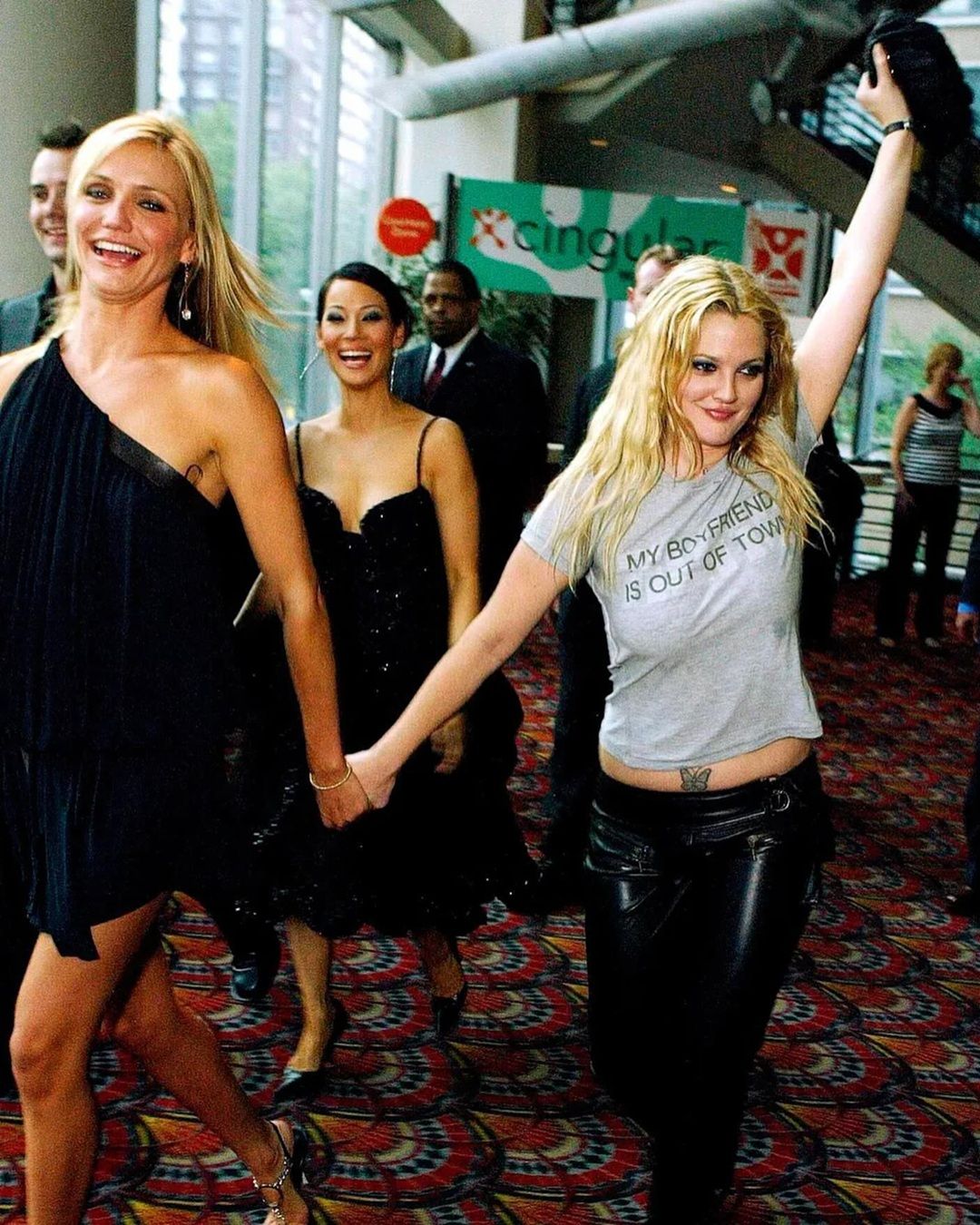
Things used to be different, and surprisingly simple. Not as easy as reading someone’s Facebook relationship status in 2011, of course, but intuitive enough. Past societies had developed entire systems of courtship signals, complete with visual markers of relationship status that communicated to the world who was available, who was committed, and who occupied that limbo we would now call a situationship. Loose hair could indicate an unmarried woman, while elaborate hairstyles, veils, brooches, and jewelry told a romantic story before anyone even opened their mouth. There were genuine visual markers of marital status, a kind of analog Instagram bio that worked without requiring updates. Women in the Regency era flirted through coded fans, while Victorians transformed flowers, photographs, and scented letters into sophisticated tools of seduction. Even a simple walk could become a social ritual in which clothing communicated intentions, desires, and availability. In the 1920s, a knee-length skirt and bold lipstick were enough to signal a certain openness to the world of dating. In the 1950s, people wore their partner’s jacket. In the 2000s came slogan T-shirts, it-girls, and Britney Spears with her iconic “Dump Him” T-shirt. Then the internet arrived. Facebook gave us the triumph of the official relationship status. Instagram and dating apps brought back the chaos. Today, we are forced to interpret someone’s following list as if we were romantic archaeologists. We analyze likes, views, and comments with the same attention once reserved for love letters. The truth is that we have lost the instruction manual.
@joulihariri I didn’t know how else to announce this…
original sound - Jouli Hariri
The modern anxiety of being available without looking desperate
The contemporary romantic paradox is that everyone wants to be noticed, but nobody wants to seem too interested. So what do we do? We could simply write “I’ve been single for three years, six months, and one week” across our foreheads. We could do what Julia Roberts did in Notting Hill and declare that we’re just a girl standing in front of a boy. Or a boy standing in front of another boy. Or however our hearts choose to define it. But we fear being too much. We fear looking ridiculous. Being open makes us vulnerable. And so we move through that uncomfortable gray area between too much and too little. We don’t want to declare our relationship status thirty seconds after meeting an attractive stranger at a gas station, but we also don’t want our crush to mentally file us under “probably taken.” That’s why we continue communicating through micro-signals. A subtle smile. Open body language. Eye contact that doesn’t immediately dart away. Science suggests these signals genuinely work. Studies on body language and flirting show that slightly tilting the head, lowering the chin, smiling, and maintaining eye contact are among the most easily recognized signs of romantic interest. In other words, after centuries of technological evolution, we have returned exactly to where we started: looking each other in the eyes.
@sharoncancio HOW TO LET YOUR CRUSH KNOW YOU'RE INTERESTED follow for more videos like this, tea and unfiltered chats #relationships #girlproblems #crush original sound - Just Sharon
Rewriting the meaning of being single
Perhaps the problem isn’t only how to say we’re single, but the meaning we continue to attach to the word itself. “Single,” “alone,” “spinster”, these terms often sound more like terminal diagnoses than simple descriptions. As if being single were a failure, a problem to solve, rather than one of the many possible ways to live a life. There is even a name for the pathological fear of remaining unmarried or alone: anuptaphobia. And yet pop culture has given us figures who transformed relationship status into something complex, entertaining, and even desirable. Starting with Carrie Bradshaw, the unofficial patron saint of single women in the 21st century, who built six seasons and a newspaper column around it. Then Emma Watson arrived and decided to disrupt the system by introducing the concept of being self-partnered. Not alone. Not waiting. Not incomplete. In a relationship with oneself. Because the real problem is that we continue to describe singlehood using the language of failure. Perhaps if we changed our perspective, we wouldn’t be afraid to say that we are single and open to connection, whether it lasts a lifetime or only the span of a heartbeat.
@joelmonteleone Why am I so out of breath?! lol. #dating #single #datingcoach #datingtips #datingadvice original sound - Joel Monteleone, Dating Coach
We want more romance
Perhaps we should reclaim something from past eras. Not their social rigidity, certainly, but their ability to turn flirting and dating into a creative game. Victorians exchanged carefully staged photographs. Letters were scented. Fans could become analog dating apps. There was theatricality, imagination, even a sense of spectacle. We, on the other hand, have Hinge, Tinder, Instagram, and an unsettling collective silence. We spend hours interpreting views, emojis, and response times. We wait for chance encounters on the subway, in the frozen food aisle, at the neighborhood café, or while walking the dog, hoping the universe will do the hard work for us. We want to feel chosen. We want to feel noticed. We want to feel desired. We want someone to look at us across a crowded room and understand something about us without needing a link in bio. But too often, we don’t know how to make that happen. Somewhere along the way, we lost the ability to show interest without feeling ashamed of it. Communicating that we are single shouldn’t mean posting passive-aggressive TikToks or turning Instagram Stories into a romantic status bulletin. It should be something more elegant. More subtle. More fun. After all, love has changed enormously over the past two hundred years. But one thing remains exactly the same: we are all still searching for a way to say “I’m here” without actually having to say.