





































Menstrual health desks: where the body takes center stage Listening to the cycle to change the system, Eva's Red report on the Milanese experience
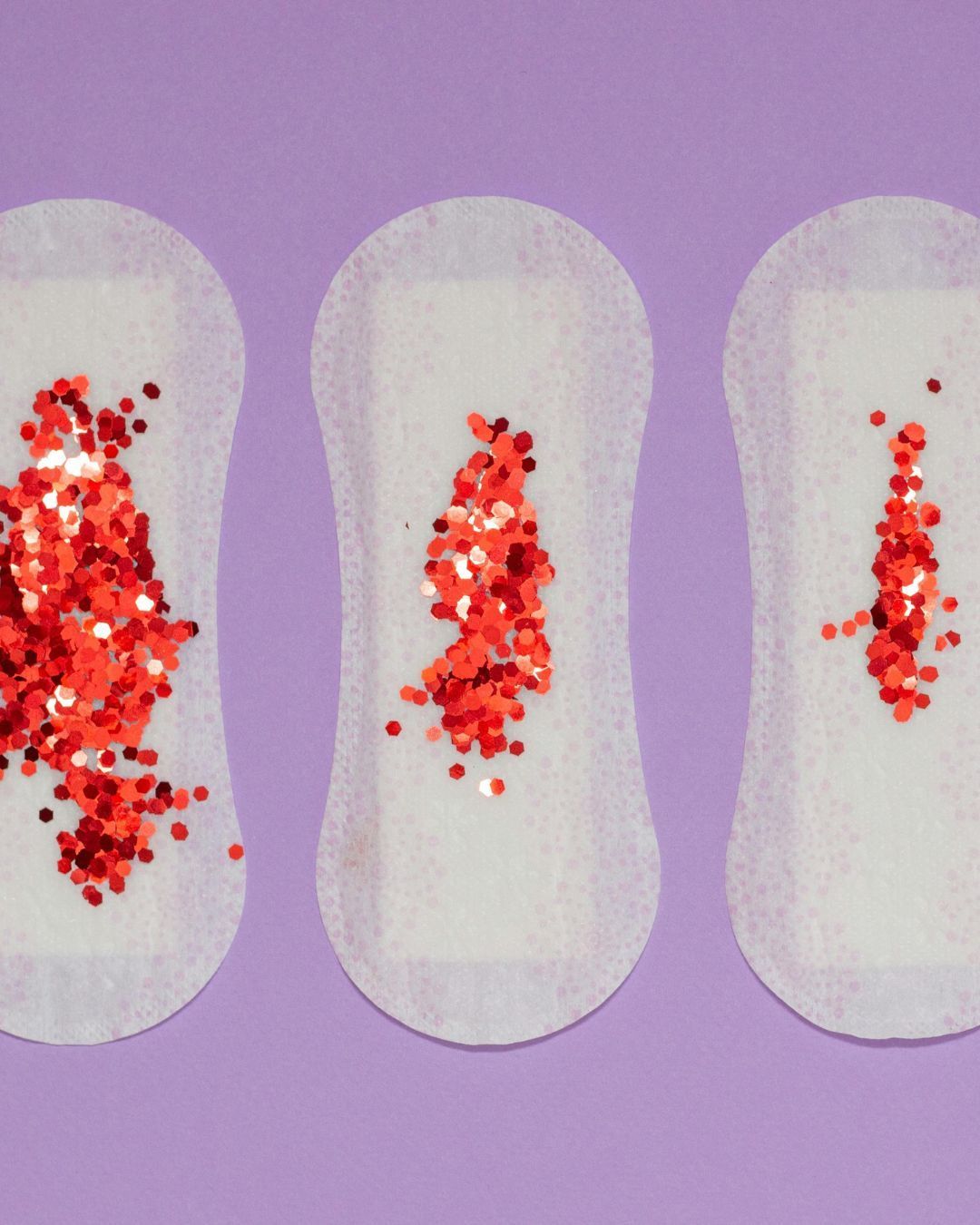
Talking about menstrual health has never been simple. In Italy, even today, the menstrual cycle is surrounded by taboos and stigma, which often make it difficult to access reliable information and dedicated services. According to Hennegan et al. (2021), menstrual health is based on two main pillars: access to information and access to health services, within a broader context of sexual and reproductive health. Unfortunately, in our country, some critical issues are still present: besides the already mentioned taboos and stigma, there is also widespread bodily and menstrual illiteracy, a lack of accessible public services, and high costs for care. These gaps, one causing the other in a negative and damaging loop, create a systemic void that requires targeted interventions to ensure everyone has the opportunity to understand and manage their body.
Eva in Rosso's menstrual and cyclical health desks: a concrete and accessible service
To address this need, Eva in Rosso created menstrual and cyclical health desks, a free, weekly, informative and educational service open to all. The desks offer an informal space for listening and support, putting the person and their needs at the center. The professionals involved included menstrual educators, cycle-expert counselors, and midwives, with a bio-psycho-social approach, as holistic and comprehensive as possible.
Field research: January–July 2025
To better understand who accesses the desks and why, a research study was conducted on service users. During the first visit, the professionals collected data. Afterwards, beneficiaries had the opportunity to leave feedback online. The operators were interviewed, and some data were also collected from a focus group with the operators.
Who accesses the menstrual desks and why?
Among 55 first-time accesses recorded:
-
20% returned for additional consultations
-
Predominantly female
-
Age: 30% 30–39 years, 22% 18–29 years, 6% 40–49 years, 0–17 years (accompanied by their mothers)
-
Menstrual cycle: 81%, menopause or amenorrhea: 19%
-
61% have a menstrual disorder: dysmenorrhea, premenstrual disorder, polycystic ovary syndrome, endometriosis, vulvodynia, adenomyosis
The main reasons for accessing the Desk:
-
Information and support for peri-menopause and menopause (30%)
-
Understanding diagnosed menstrual disorders (28%)
-
Managing menstrual pain (17%)
What emerges from the stories
The operators observed enthusiasm and gratitude from the people accessing the Desk, especially in comparison with traditional gynecological visits: feelings of relief, recognition, and positive surprise.
Towards cultural and social change
Important reflections emerged from the research:
-
It is important to talk about gynecological violence
-
It is essential to change the approach to menstrual health and cyclicity
-
It is necessary to educate people to listen to, understand, and share their own bodies
-
Re-imagine health services
The feedback received confirms the importance of these spaces. One person wrote: "I believe what you are doing is very important. Today, having access to this kind of support is a luxury, and you make it possible for everyone. Thank you so much." Another added: "Thank you for being born, for meeting, and for putting together something that we all profoundly need, consciously or not, and we hope to encounter one day."
