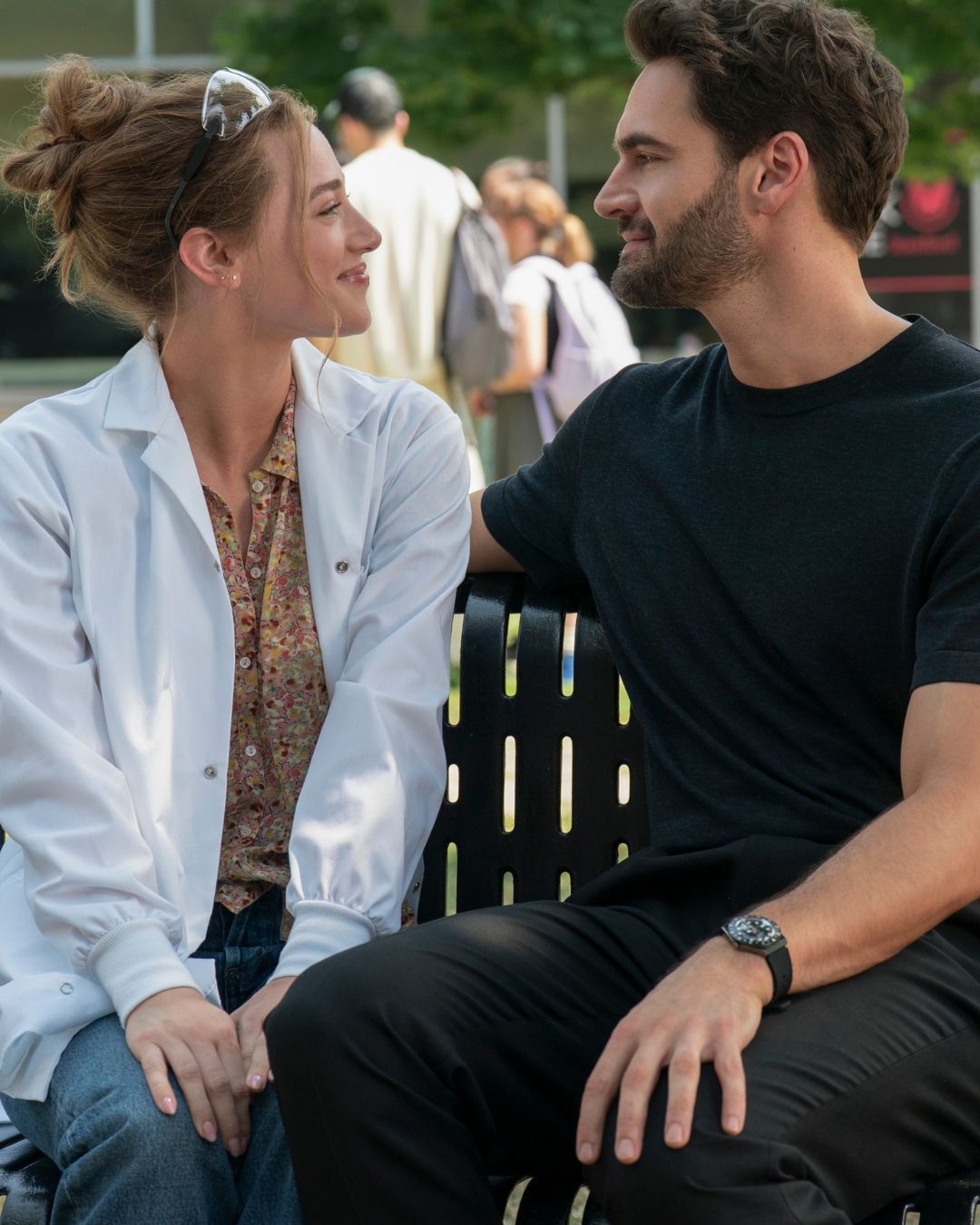

























Why do we like Christmas movies so much? Amidst nostalgia, dopamine, and predictable happy endings, Christmas movies are our collective comfort zone
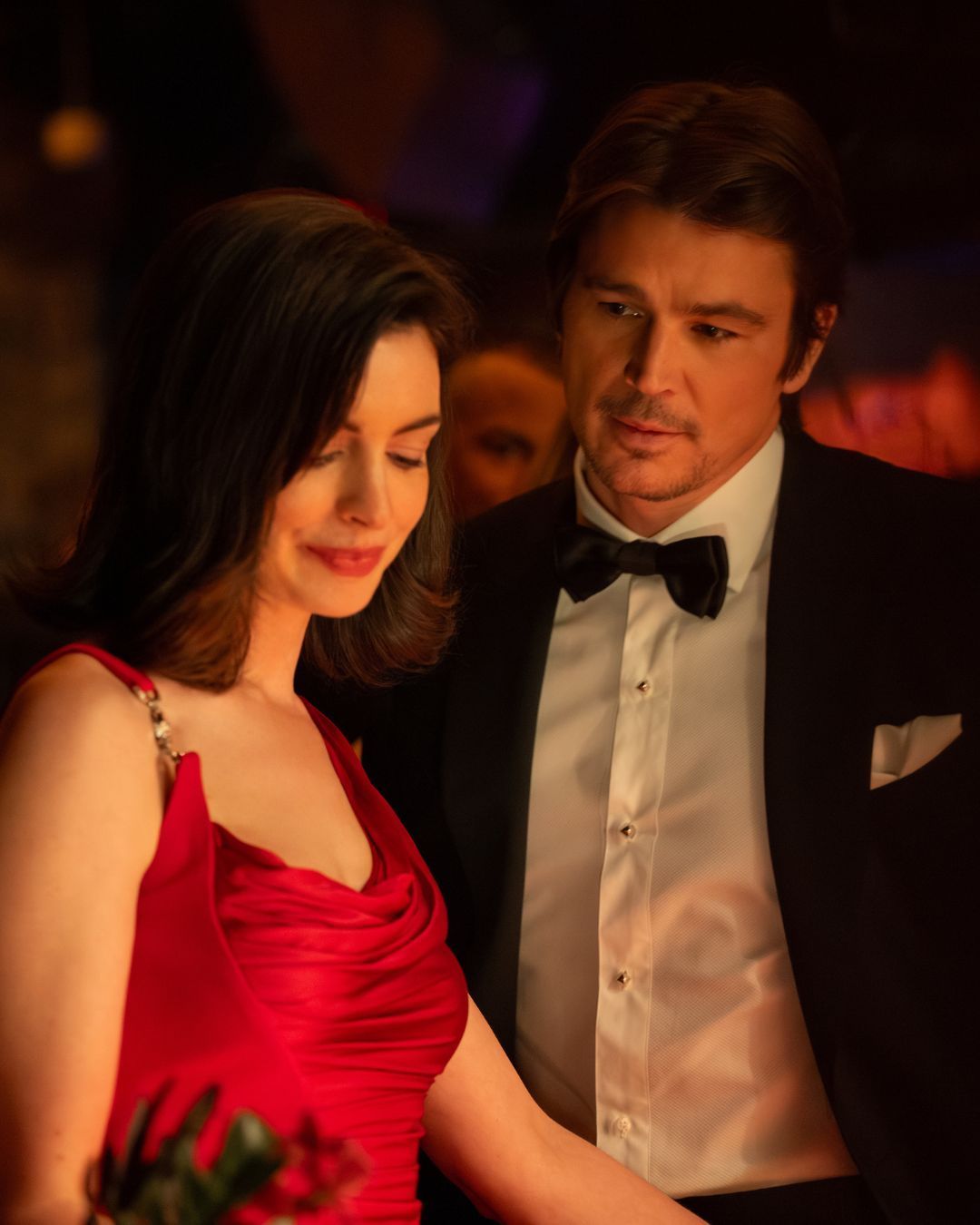
There’s a moment in the year when logic stops working. Or, as English poet Samuel Taylor Coleridge would say, a “willing suspension of disbelief” takes place. Starting in November, streaming platforms begin to feature titles with the word Christmas in every possible combination, the Hallmark production house churns out dozens of rom-coms set in snow-covered towns with perfectly predictable plots, and we can’t resist yet another rewatch of The Holiday. It’s all part of a well-worn ritual, but what makes us watch the same Christmas movies every year, the ones whose lines we know by heart or whose happy endings we can easily predict? Psychologists say the answer is more complex (and more interesting) than just “holiday spirit.”
Christmas movies and the nostalgia effect
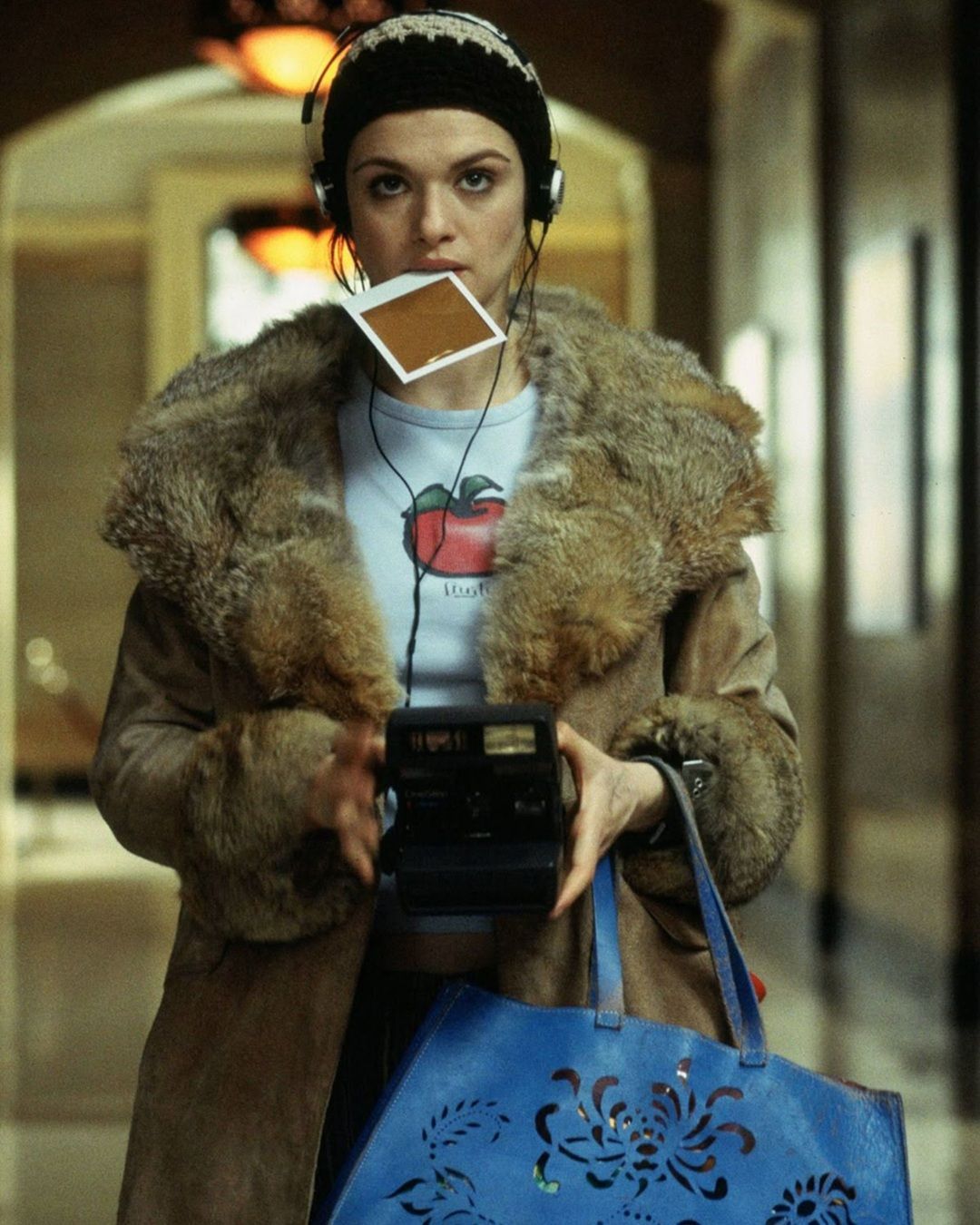
The first reason is nostalgia. Christmas movies are an emotional time capsule: they take us back to when Christmas felt truly magical, or at least how we like to remember it. Watching Jude Law as Mister Napkin, or the overworked city woman who returns to her small hometown to carry on a family tradition, reawakens in us a sense of familiarity and safety that’s hard to find elsewhere today. According to several studies, nostalgia acts as a form of emotional self-regulation: it comforts us, reconnects us to our roots, and makes us feel “at home,” even if that home is just a glowing screen.
The comfort of repetition
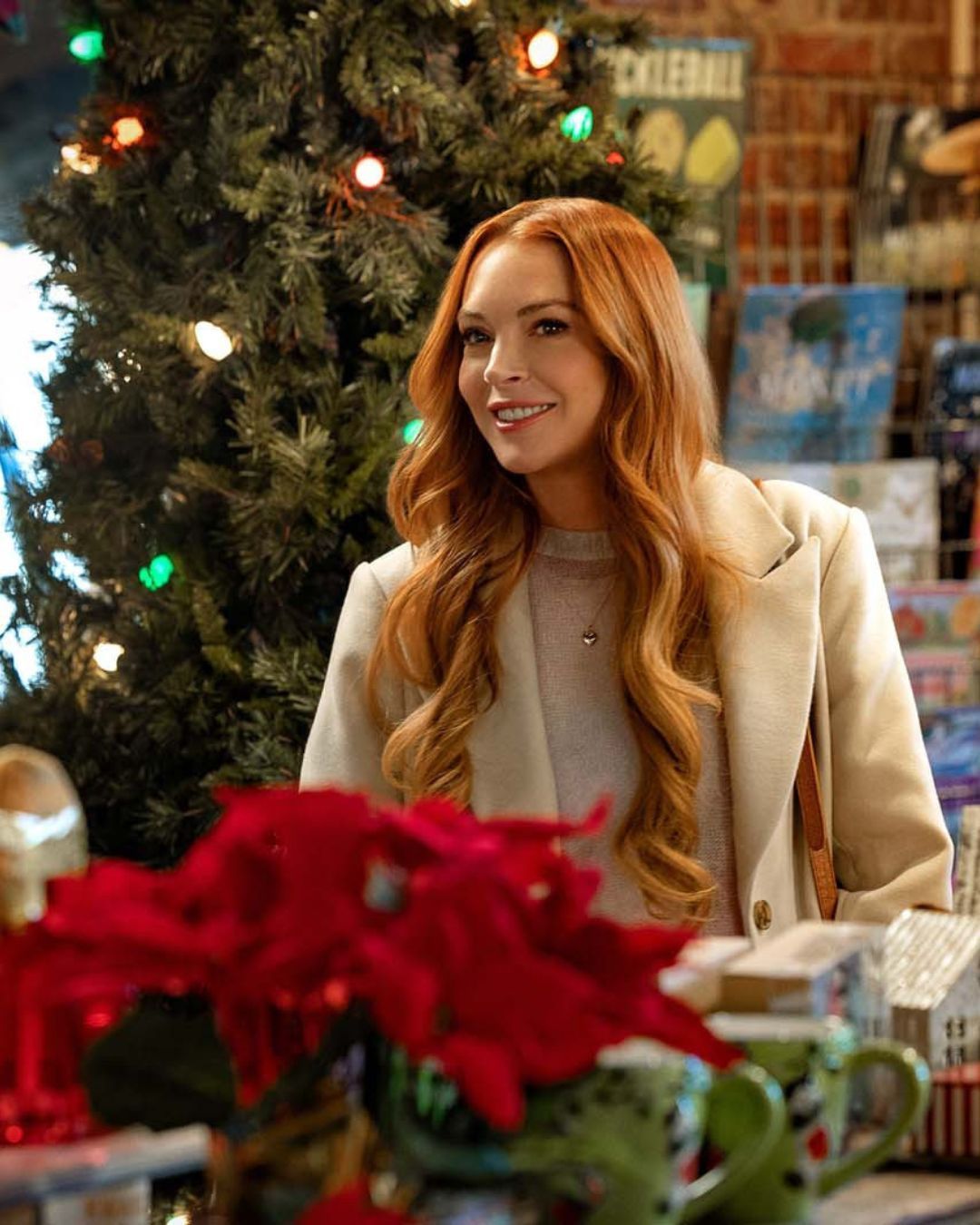
Then there’s the matter of comfort. In an unpredictable world, Christmas movies offer a soft refuge made of banality and clichés in the best possible sense. Even when they’re brand new, their plots can be guessed from the trailer: it doesn’t matter if the characters meet at a market, in a mountain hotel, or during a snowstorm, the outcome is always the same, and that reassures us. It’s the triumph of formula over real-life uncertainty. And while the great classics -like Love Actually, The Holiday - embody “authentic” nostalgia, today the streaming industry has pushed the formula to its limits. Every December, platforms churn out dozens of interchangeable movies with similar titles, from A Prince for Christmas to Falling for Christmas (the one with Lindsay Lohan, if you need a reminder). They’re cookie-cutter films, but that’s exactly what makes them irresistible like factory-made biscuits: perfectly shaped, devoid of surprises, impossible not to nibble.
The mere exposure effect: what it is
There’s also a ritualistic, almost anthropological aspect to our love (or obsession) with Christmas movies. Watching the same film every year - or its updated version - creates a sense of continuity. In psychology, it’s called the mere exposure effect: the more familiar something is, the more we like it. It’s the same reason we listen to the same songs or order the same dish at a restaurant. By watching these movies, we’re really bringing order to chaos: a small domestic ritual, a pocket of stability. And yes, science confirms they’re good for us: watching Christmas movies can reduce stress, boost dopamine, and improve mood. No wonder we crave them during the darkest months, when daylight, and energy, runs low.
@.sassyconfetti first week of @Hallmark Channel Christmas movie reviews are LIVE! don’t worry i will be catching up with more reviews #hallmarkchristmasmovies #hallmarkmovies #hallmarkies #christmasmovies original sound - sassy | chicago lifestyle
An increasingly inclusive space
And if Christmas movies all seem the same, the truth is that something has changed. Hallmark itself, the queen of interchangeable plots and snow-kissed endings (never anything more than that!), has recently shown a growing awareness of its diverse audience, including stories featuring LGBTQ+ and interracial couples. It’s a quiet revolution that turns the Christmas comfort zone into a space that’s finally more representative, while still holding on to its most comforting clichés.
@chynnarae_days I actually just discovered this movie right before I had kids and it’s so good !! Defintiely a must watch with kids but I enjoyed it as and adult too . Such a sweet message and really captures the magic of Christmas #christmas #christmasmovies #christmastime #movie #kidsmovies have yourself a marry little christmas - christmas<3
A collective act of hope
Ultimately, our obsession with Christmas movies says less about cinema and more about us, about our longing for simplicity, guaranteed happy endings, and the belief that - for at least two hours - the world can be a kinder place. Maybe it’s kitsch, maybe it’s naïve. But it’s also, paradoxically, a small collective act of hope. Because we’re not obsessed with Christmas movies themselves, but with what they represent: stability, warmth, and the possibility that, somewhere, everything falls back into place. And if believing that means yet another rewatch of The Holiday (or the third installment of The Princess Switch), that’s perfectly fine.