


























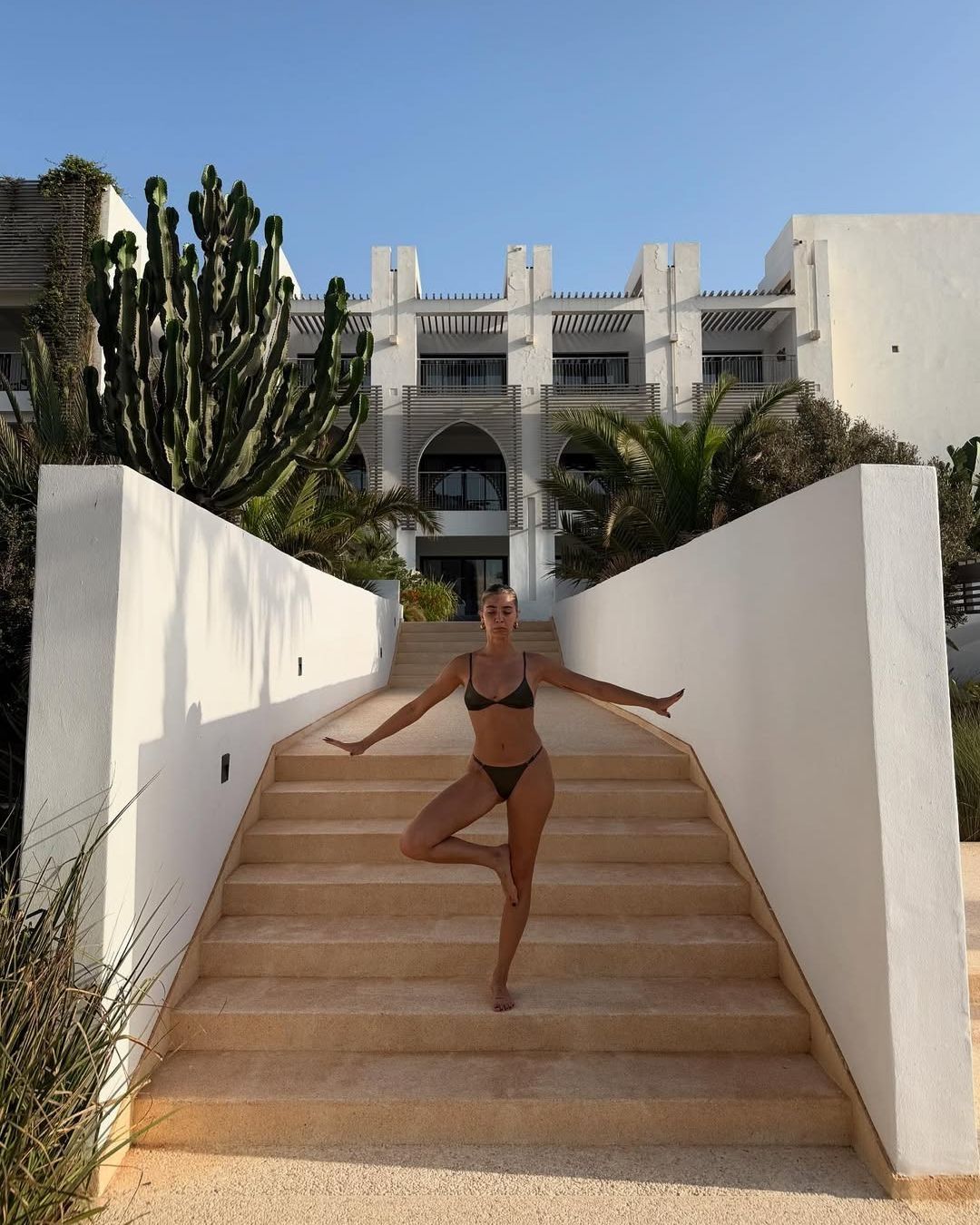
We need silence, and we are willing to sacrifice our holidays to obtain it What does the trend of silent retreats say about Gen Z's well-being?
We live hyper-connected lives, chasing life between FOMO (Fear of Missing Out) and performance anxiety. The result? We often end up overwhelmed by burnout. Compared to previous generations, Gen Z seems to suffer much more from spikes in stress, anxiety, and depression. While there’s no single reason behind this trend, the explosion of social media has certainly played a role. Constant comparison with others and smartphone addiction have turned doomscrolling (the compulsive act of scrolling through mostly negative or alarming news) into a daily habit. Then there’s the often abrupt entry into the job market, the pressure to figure out one’s place in the world, economic uncertainty, and the seemingly irreversible climate crisis.
Silent retreats on TikTok
In this almost apocalyptic (though not quite yet) landscape, it’s no surprise that silent retreats have gained more and more popularity. These are periods of varying length (three days, fifteen, or even longer) where a person withdraws to an isolated place where speaking is not allowed, to dedicate themselves, among other things, to meditation practices. It’s not a new phenomenon, nor likely an invention of this millennium, but like many things already happening in the world, it has found its narrative on TikTok, bringing it onto the radar of younger generations, often as an alternative to more traditional holidays.
How a silent retreat works
There’s no shortage of online testimonials from people who have tried this experience. Silent retreats exist in both Italian and more exotic versions, stretching as far as Nepal or Thailand. Often, they’re held in monasteries, convents, or generally in places associated with meditation, which is one of the key elements of the retreat. Days are typically quiet and repetitive, structured around simple meals (usually vegetarian), meditation exercises, and in some cases, small tasks performed alongside monks or nuns. Naturally, everything is shared with other retreat participants, but in complete silence. Smartphones are banned, and in stricter versions, so is any form of reading or writing. That’s the case with Vipassana, one of India’s most widespread and ancient meditation practices, one that the Buddha himself used for enlightenment, which aims to purify the mind. To avoid distractions, Vipassana retreats ask participants to wear modest clothing (not too short or revealing) and to avoid even eye contact or gestures with others. The goal is to return to oneself, find focus, and leave the experience with a clearer mind and a lightness that helps re-engage with the world.
Escaping burnout or social hangover
For many, these retreats prove to be effective. Stephanie Gavan, who attended a ten-day Vipassana retreat in England, wrote in Dazed: "I experienced a lightness I hadn’t felt in years, as though the resentment and mental clutter I had been carrying were finally swept away […] Now I fiercely protect my energy, consume more mindfully, and express much more patience toward others." The reasons for taking part in such an experience are varied: from the desire to disconnect from smartphones and social media (easier said than done on your own), to being overwhelmed by social fatigue (aka social hangover) caused by constant interaction with others, or simply needing to carve out some time for yourself in a rather drastic way, to escape work-related burnout or the stifling expectations of family. In an age where everyone has something to say, returning to silence feels almost utopian. And yet, that might just be the key. Or so TikTok says.
What to read next
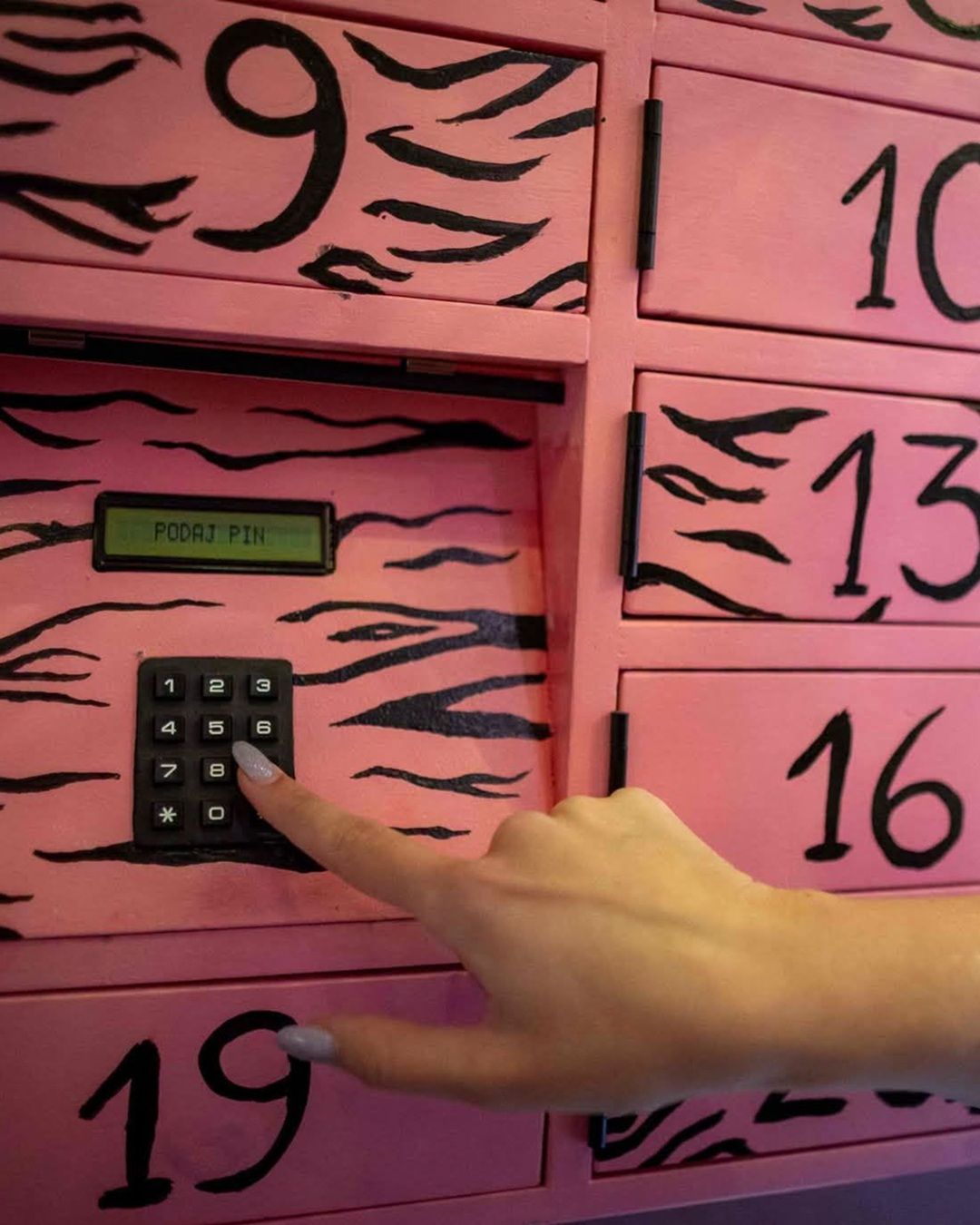
Warsaw launches the world’s first abortion pill dispenser
A pink locker to circumvent Poland’s abortion restrictions and make medications for voluntary termination of pregnancy more accessible

“The magic of Jane Austen is that her stories feel fresh and timeless”
Daisy Edgar-Jones, star of Sense and Sensibility, in cinemas from October 22