














































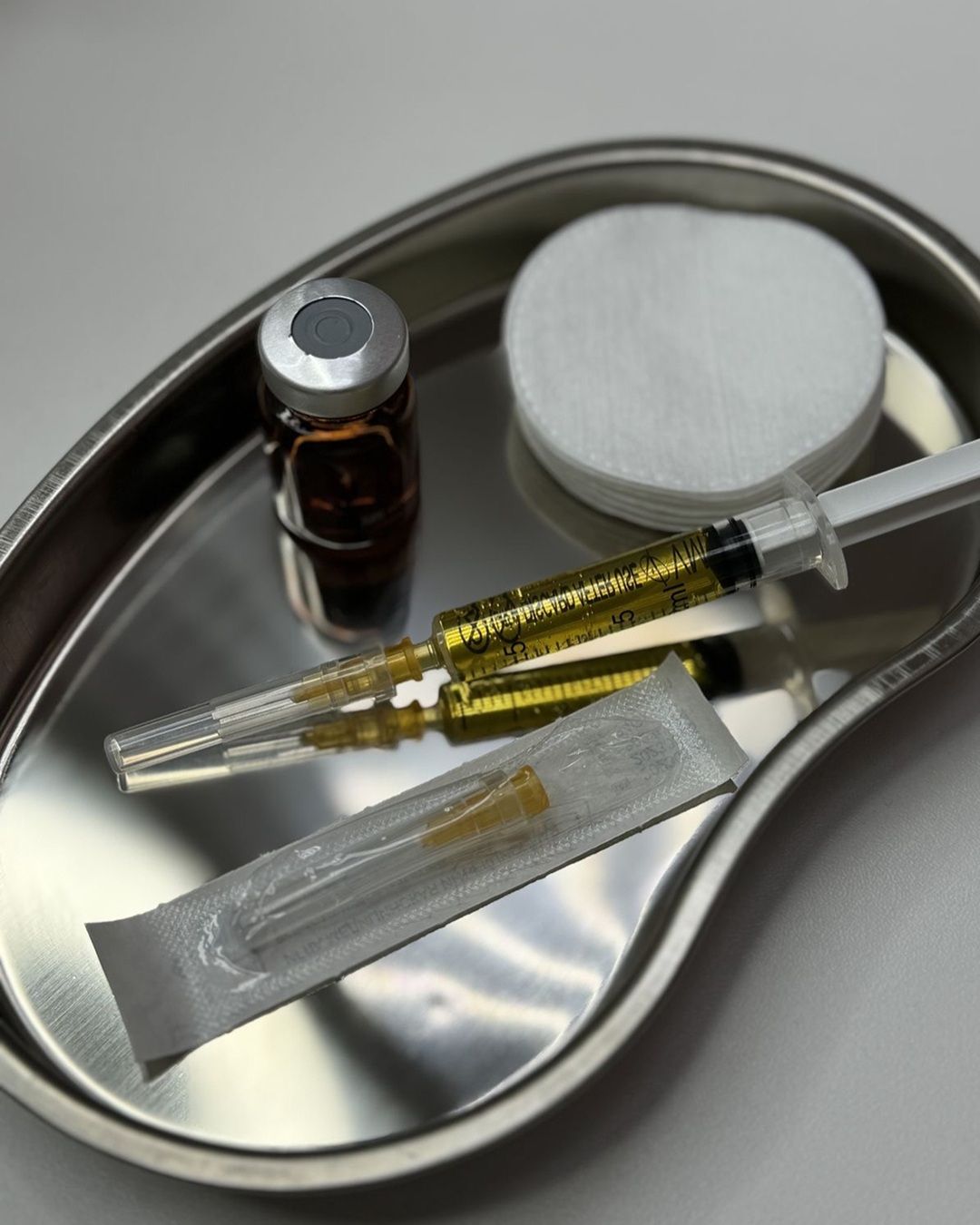
Does the future of sexual health have the smooth, Botox-enhanced face? When reproductive health clinics like Planned Parenthood have to sell cosmetic treatments just to stay afloat, the problem isn’t just financial
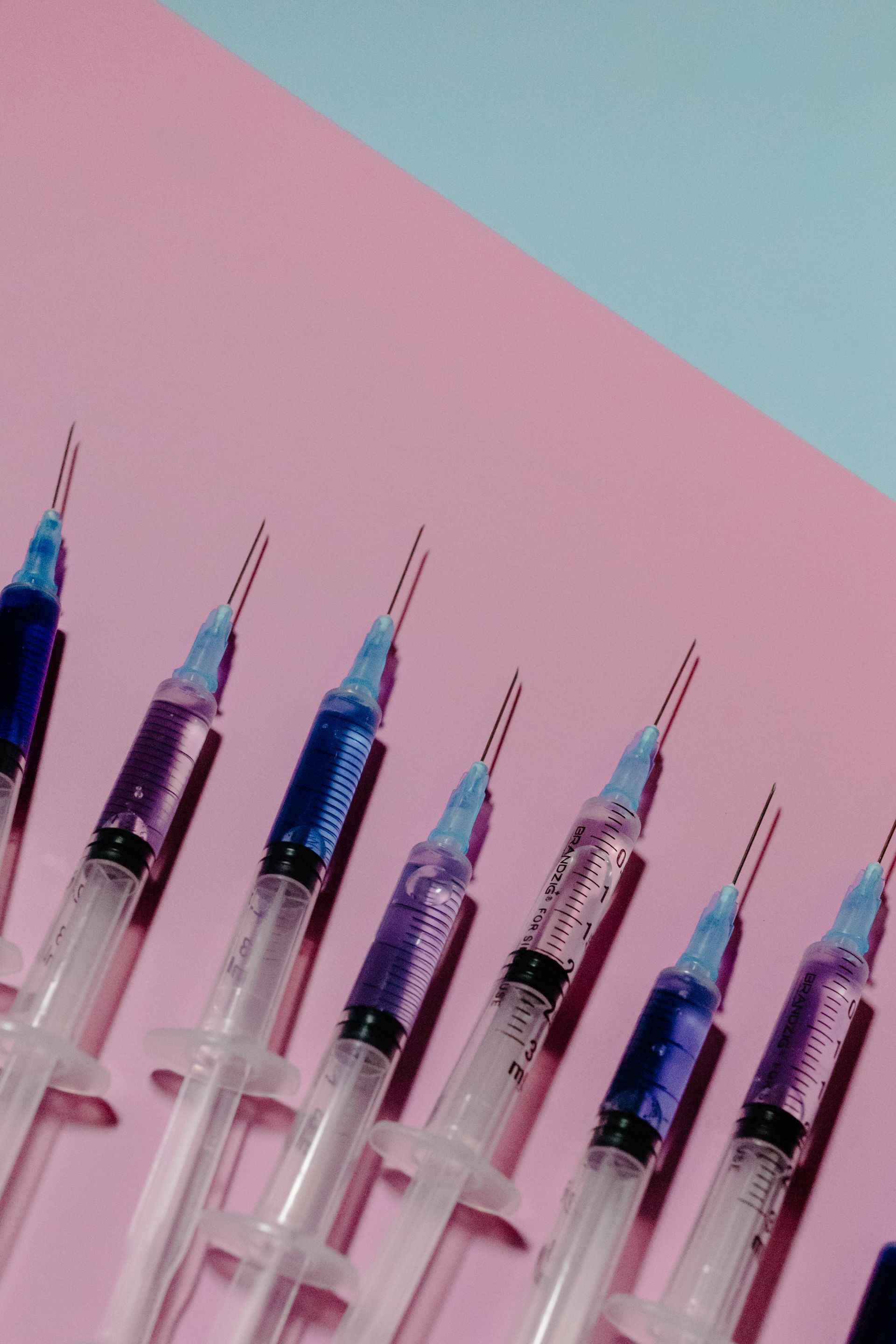
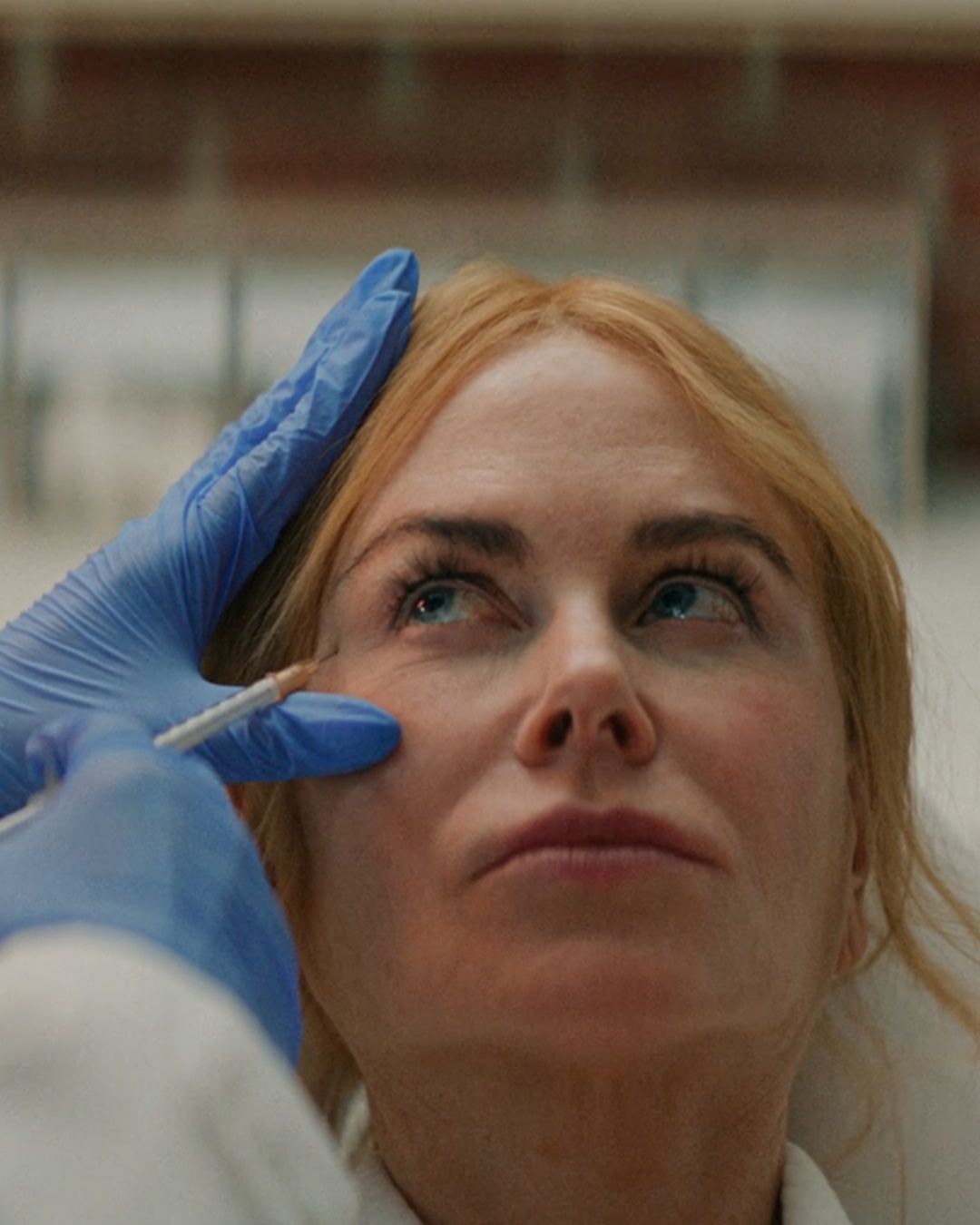
In the United States, some Planned Parenthood clinics have started offering Botox, and they may soon add dermal fillers and laser hair removal. This is not a sudden rebrand or another attempt to ride the boom of aesthetic medicine. Behind this shift is a budget hole of about $100 million caused by federal cuts introduced under the Trump administration, which in recent months have contributed to the closure of more than fifty Planned Parenthood clinics across the country. For a network that provides access to contraception, cancer screenings, STI testing, hormone therapy, and reproductive care, finding new revenue streams has become a matter of survival. So Planned Parenthood Mar Monte, the organization’s largest affiliate with thirty clinics across California and Nevada, has decided to enter one of the most profitable markets right now: beauty. Discounted Botox, IV hydration drips, telemedicine for perimenopause, and other services designed to generate cash that can be reinvested into traditional healthcare activities. In other words, sexual health is funding itself through the very industry that has become most skilled at monetizing the desire for self-improvement.
@sexedfiles Botox at planned parenthood? how do we feel about this? #plannedparenthood Shadow Glow - NathSoulz
When sexual wellness moves into the beauty aisle
If the idea of booking a Botox injection in the same place where you get tested for sexually transmitted infections sounds bizarre, it is probably because we have not fully noticed how porous the line between sexual wellness and the beauty industry has already become. Over the past decade, sex has been completely rewritten through the language of wellness. Vibrators moved from sex shops into concept stores. Lubricants started looking like skincare serums. Gummies that promise to improve vaginal scent or taste are packaged like beauty supplements. Sex toys are marketed as self-care tools rather than erotic accessories. At the same time, the sexual wellness economy has exploded into a multibillion-dollar market that includes vulva skincare, libido supplements, LED devices for so-called “vaginal rejuvenation,” tightening treatments, and even genital fillers. According to several estimates, the global sexual wellness market could surpass $68 billion by 2035. On one hand, this transformation has had positive effects. It has normalized conversations that for decades were confined to the realm of taboo. On the other hand, it has extended the same logic that governs the beauty industry to sexuality: if something can be improved, then it probably should be. The problem is that when every part of the body becomes an optimization project, every part of the body also risks becoming a new source of insecurity. It is no coincidence that, as sex educator Danielle Bezalel told Dazed, interest in procedures such as labiaplasty has increased over the past decade alongside growing anxiety about genital appearance.
@ellengendlermd Medspas and Planned Parenthood are not peanut butter and jelly. Just say no to this as a Hail Mary. #plannedparenthood #filler #botox #dermatologist #medspa original sound - Dr. Ellen Gendler
Who is really benefiting from this alliance?
Supporters of the initiative point out that Botox is not only an anti-aging treatment. It is also used for bruxism, chronic migraines, and in some gender-affirming care pathways. And if a clinic already has qualified medical staff, offering these services at lower prices than private cosmetic centers can represent a real form of accessibility and harm reduction. The central question, however, is not whether Planned Parenthood should offer Botox. The real question is why one of the most important organizations for reproductive health in the United States is being forced to look to the cosmetics industry for a survival strategy. This story says something larger than the financial struggles of a single organization. It says something about a system in which public funding for sexual health is steadily being reduced while the beauty industry continues to grow without interruption. The space abandoned by politics is being occupied by the market. And the market, as always, follows what generates profit. That is why the Planned Parenthood and Botox story is not really about Botox. It is about a historical moment in which monetizing aesthetic anxiety appears more sustainable than funding access to healthcare. It is about a culture that treats the right to sexual health as negotiable while the desire to look younger continues to generate enormous profits. It is a pragmatic solution, perhaps an inevitable one. But the fact that a clinic has to smooth wrinkles in order to continue providing contraception, cancer screenings, and reproductive care should provoke far more discussion than Botox itself.