




































Perfume psychology: how do the notes we prefer represent us? A wonderful mix of memories, chemistry and identity
Choosing a perfume can happen in a thousand different ways: instinctively, depending on your mood, your energy in the moment, or how you want to be perceived. But then there’s always that recurring question: does what I wear really represent me? Perfume is probably the most invisible (and most powerful) form of personal communication. You can’t see it, but it’s there. You can smell it and, sometimes, it speaks even louder than you do. And above all, it’s never just a matter of “I like it” or “I don’t like it”: behind every olfactory choice there’s a mix of memories, chemistry, and identity that makes everything much more complex and interesting.
Perfume psychology: how much do the notes we prefer really represent us?
What science says
There is no simple answer to “tell me what perfume you wear and I’ll tell you who you are.” Studies on fragrance psychology, such as the one published on PubMed in 2012, show that choosing a perfume depends not only on personal taste, but also on how a fragrance reacts with your body’s natural scent. The same perfume can smell completely different on different people, because it changes depending on the skin’s pH, temperature, and even lifestyle. This means we’re not just choosing a scent itself, but the way that scent develops and settles on us over time. That’s also why some fragrances we love on paper don’t actually work on our skin, and vice versa. So more than a purely aesthetic choice, perfume is the result of a very real and deep relationship between body and perception.
Why psychology still matters
That said, reducing everything to pure chemistry would be limiting. Smells have a direct impact on the brain, influencing mood, emotions, and behavior. Some notes can relax, others energize, while others evoke memories or bring back long-forgotten feelings. It’s no coincidence that many people choose a perfume also to feel a certain way: more confident, more sensual, more put-together. The point is not that perfume objectively defines who you are, but that it actively contributes to shaping how you feel, and therefore how you present yourself to others.
If you love powdery fragrances
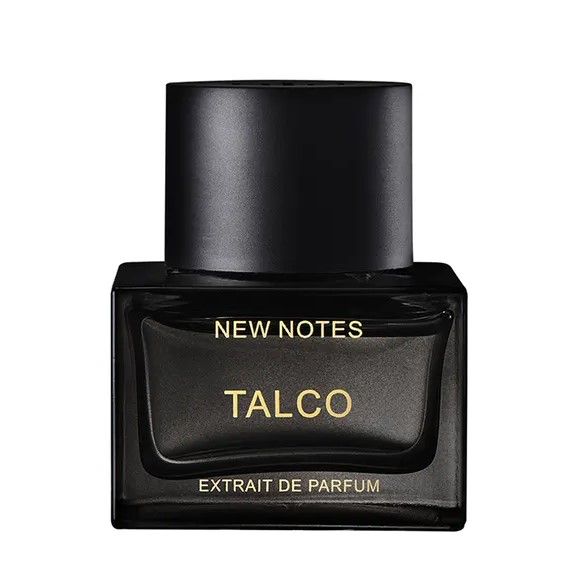
Powdery scents are comfort in its purest form. Soft and powdery, slightly vintage in vibe, they carry that clean-skin, sun-dried linen feeling. If you choose them, you’re probably seeking a sense of security. You’re not necessarily nostalgic, but you’re drawn to what feels reassuring and familiar, something that can lift your mood.
If you love fruity fragrances
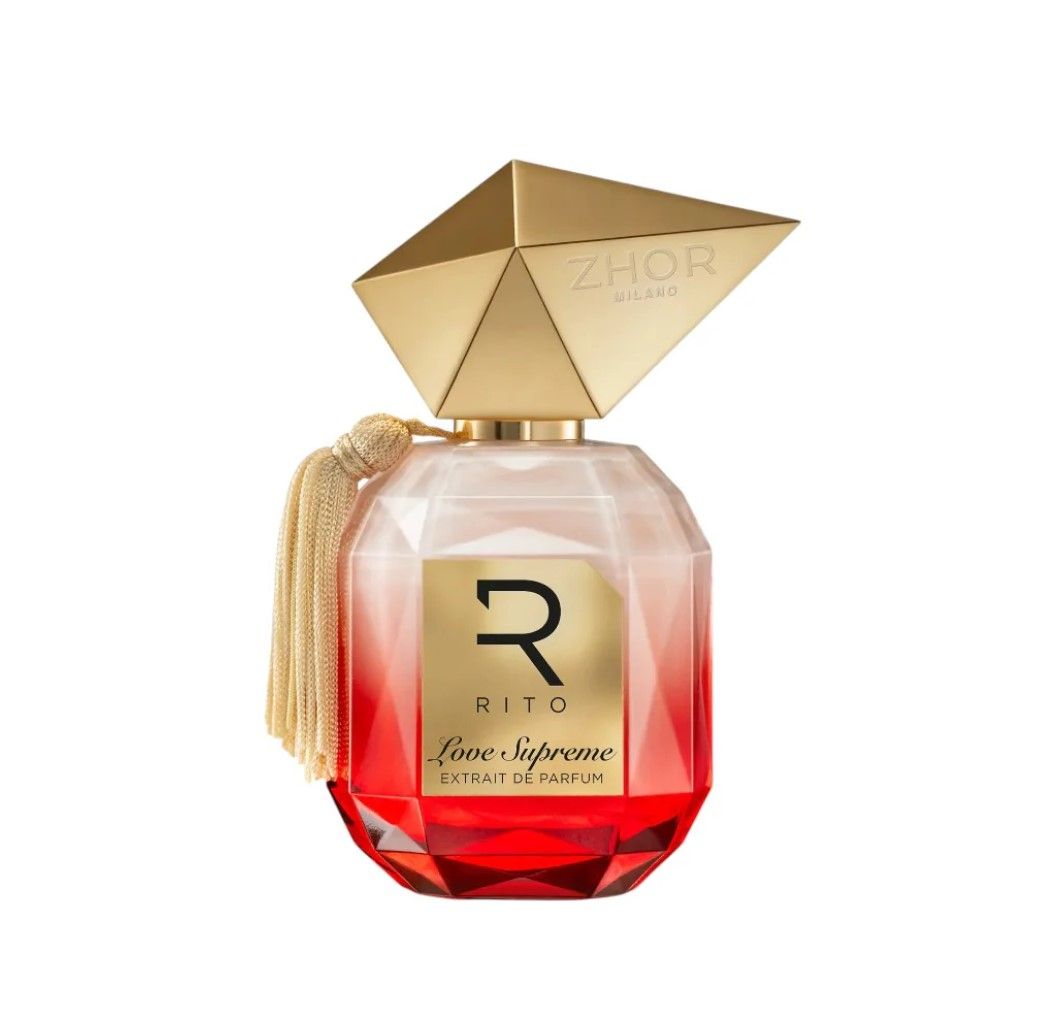
Those who love fruity fragrances tend to choose scents that are immediate, without too many developments or surprises. Behind this choice, there’s usually someone for whom being liked or not doesn’t change much: it’s not really a concern. There’s a genuine lightness and a certain confidence in not needing to appear sophisticated to be taken seriously.
If you love gourmand fragrances
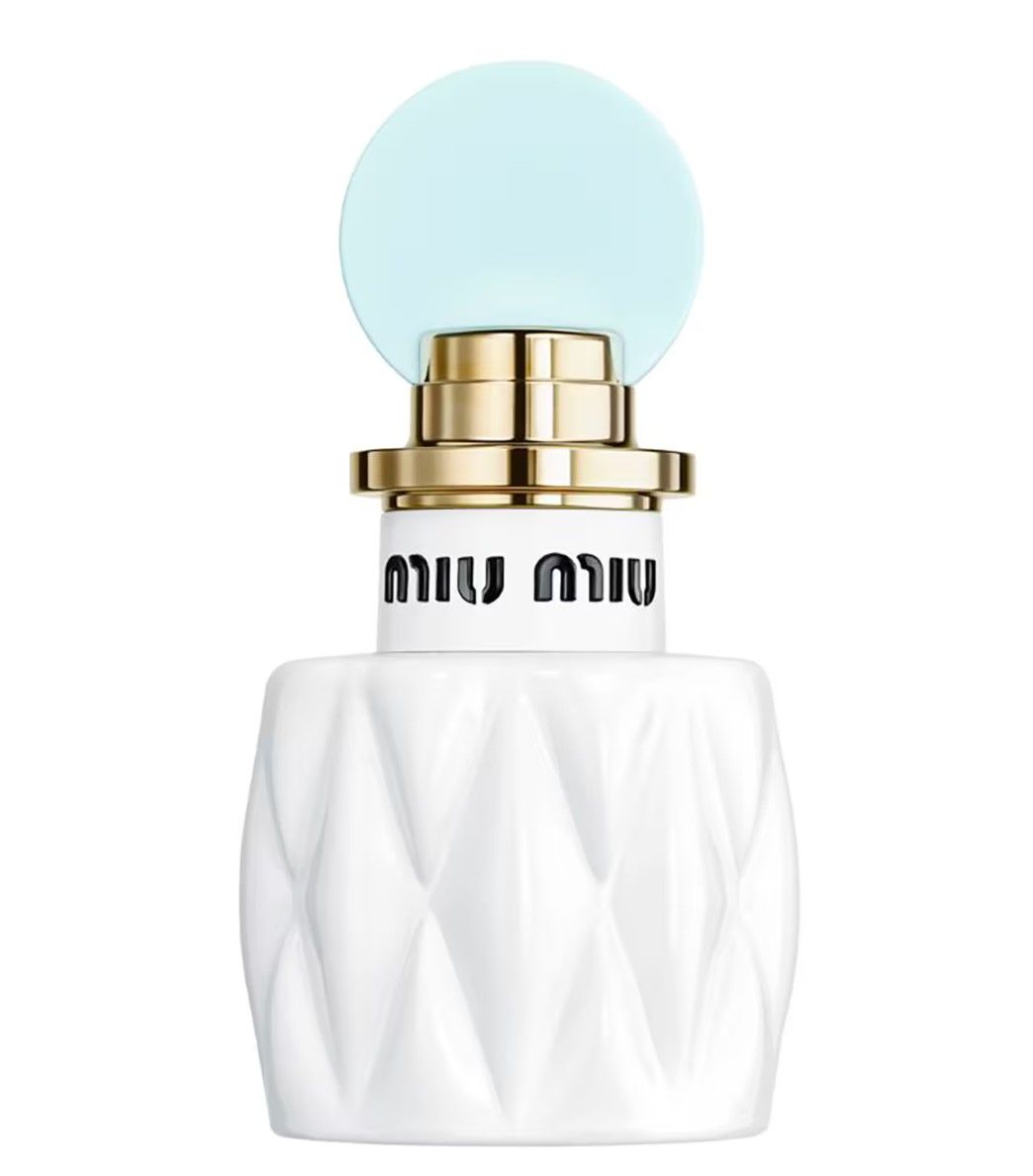
If sweet and gourmand fragrances are your comfort zone, you likely have a deeply emotional relationship with scent. You’re looking for warmth, presence, a sense of comfort.
If you love citrus fragrances
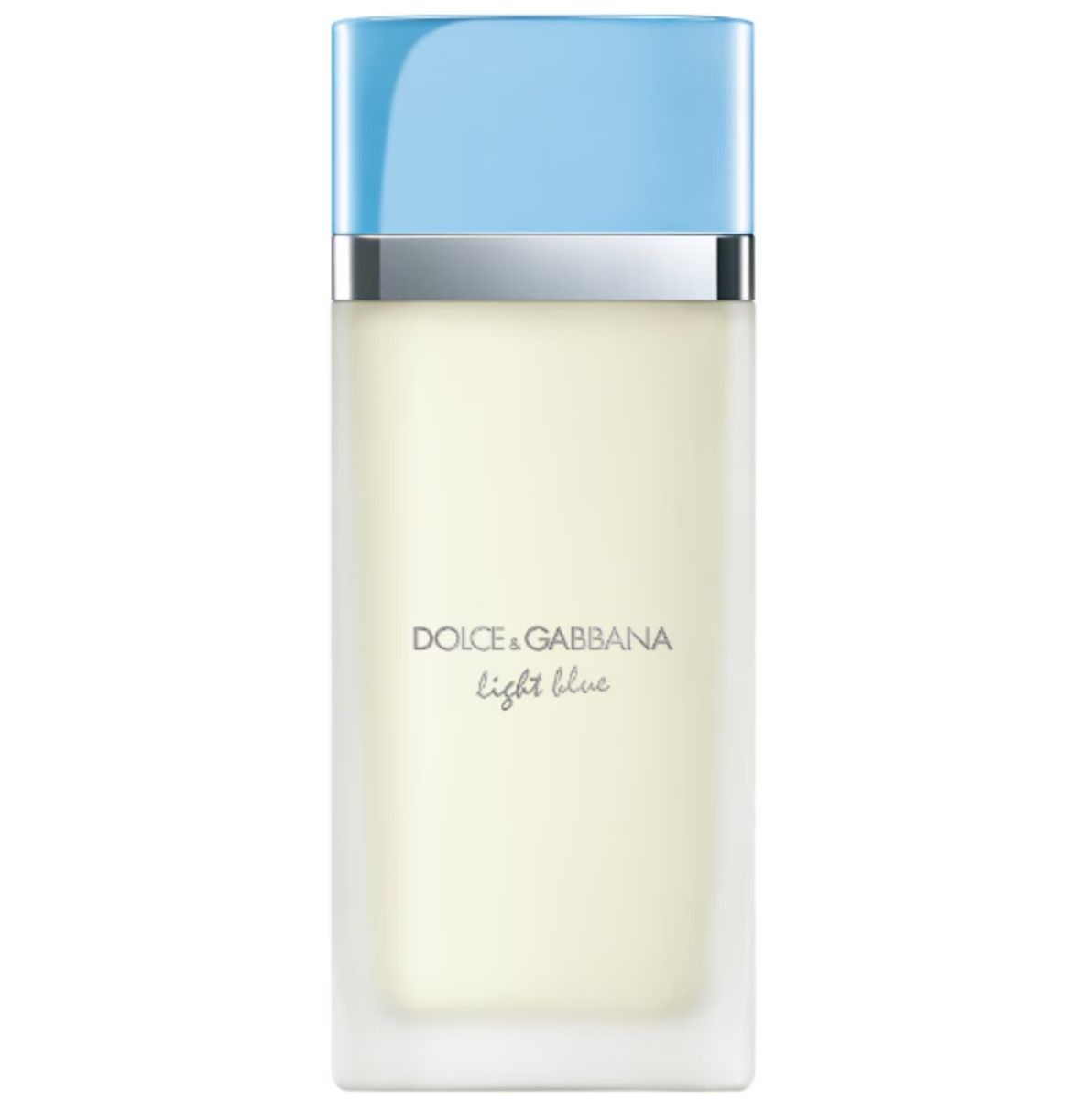
Citrus scents are fresh, clean, and immediate. A single spritz can wake up your mind in seconds, working better than coffee. They are low-impact fragrances, meaning very light, non-intrusive, and easy to wear. Those who choose them tend to prefer clarity, simplicity, and zero complications in life.
If you love green notes
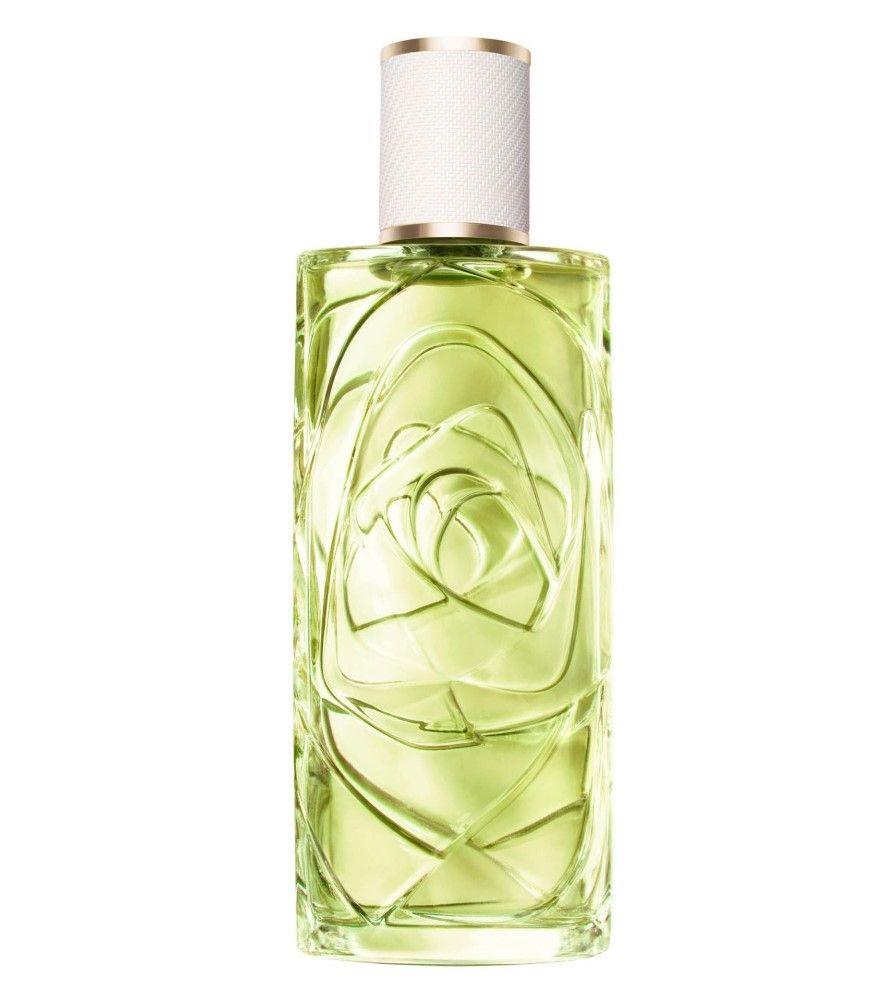
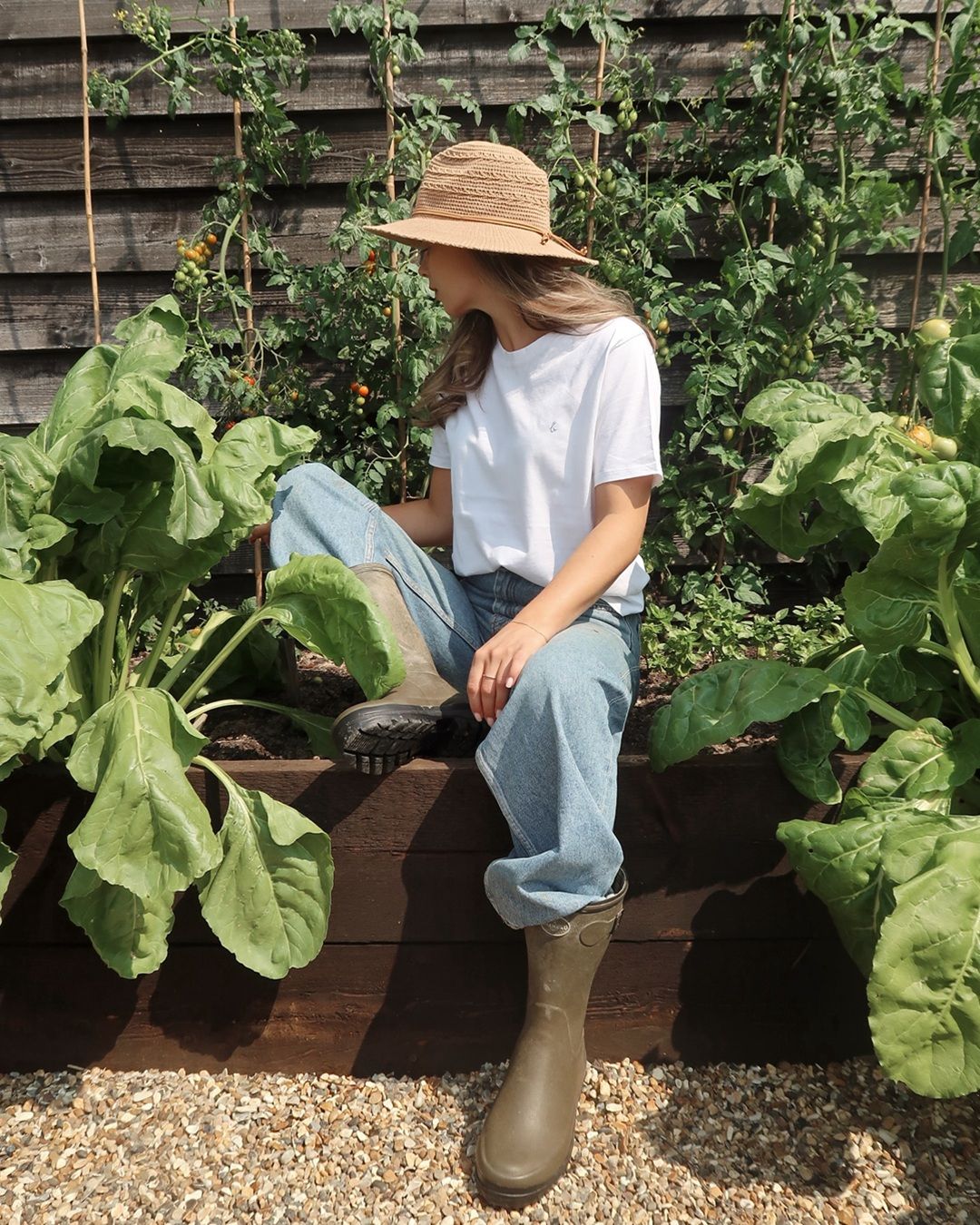
If you love green notes, like tea, there is often a strong connection to a sense of everyday life. Some studies show that green and vegetal notes are associated with familiar and domestic environments, as they recall comforting places like childhood homes. These are scents the brain reads as safe, because they are not aggressive and feel close to real-life experiences.
If you love floral fragrances
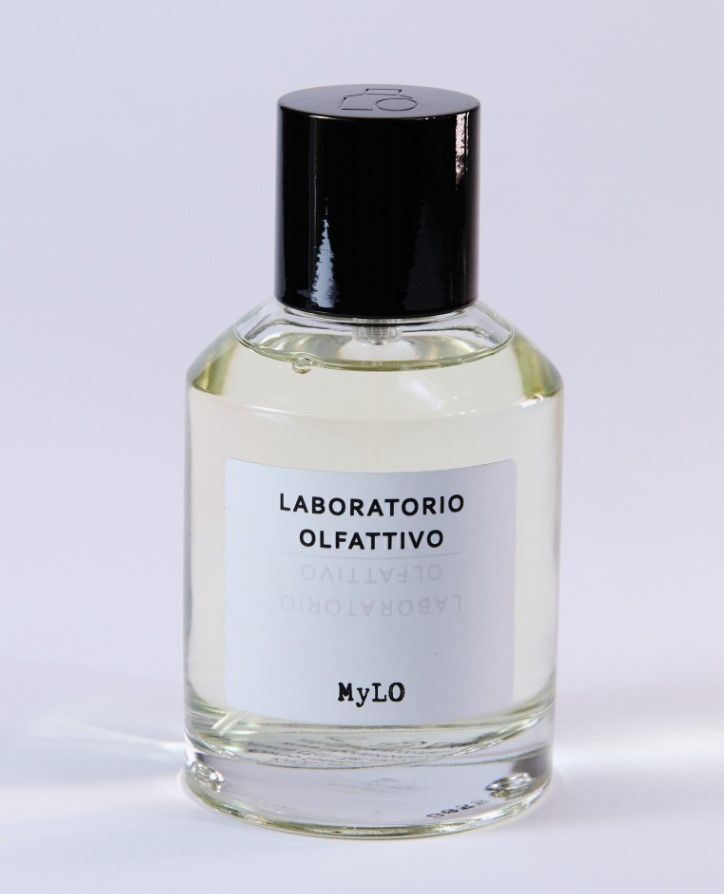
Floral fragrances are often associated with a broad idea of femininity: they can be worn by a young girl as well as a more mature woman. But it’s less about age and more about interpretation. Florals change a lot depending on who wears them and how they’re worn, and it’s precisely this ability to transform that makes them so versatile and loved.
If you love woody fragrances
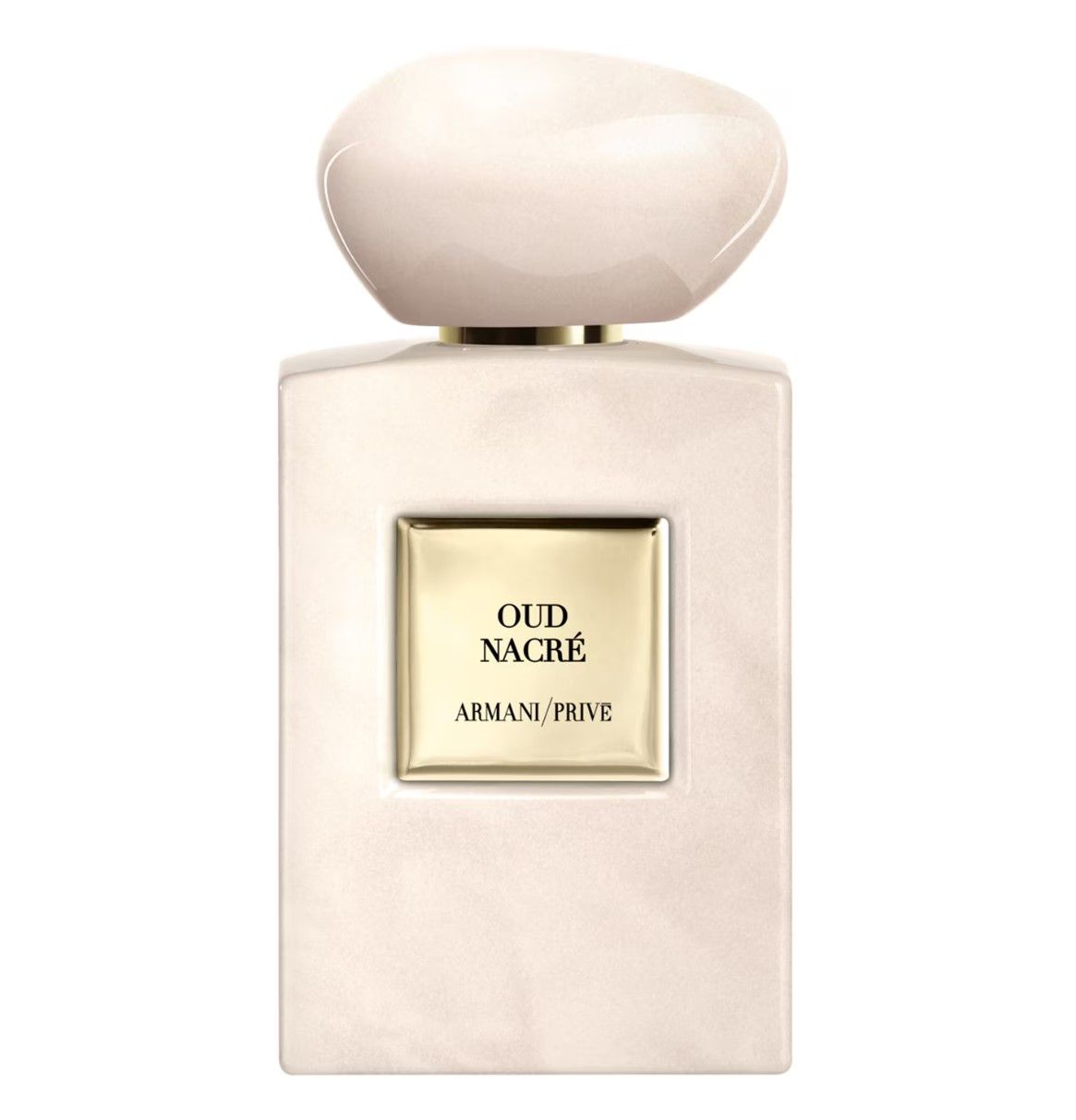
Fragrances with woody notes, such as cedar, sandalwood, and vetiver, are drier and more structured, and they also tend to last longer on the skin: they develop slowly and don’t fade quickly. Those who prefer them are often decisive people with a fairly clear idea of what they like, at least when it comes to fragrances.
What to read next

Raye is the protagonist of Zalando's most ambitious cultural project ever
It's called Access All Areas (AAA) and it will take place on April 25 in Berlin

Vanilla fragrances are here to stay
Despite everything, they are still the number one choice among female consumers