



















The (failed) debut of the first AI perfume influencer This is what happens when AI enters unfamiliar worlds
Perfume is something personal, intimate, and emotional. An invisible detail that tells who we are, reminding us of someone or something. That’s why, in recent years, the world of perfumery has become a true space for expression even online, thanks to creators and enthusiasts who talk about scent notes as if telling a love story. In this deeply human and sensory landscape, some have tried to introduce artificial intelligence. The result? It didn’t go exactly as planned.
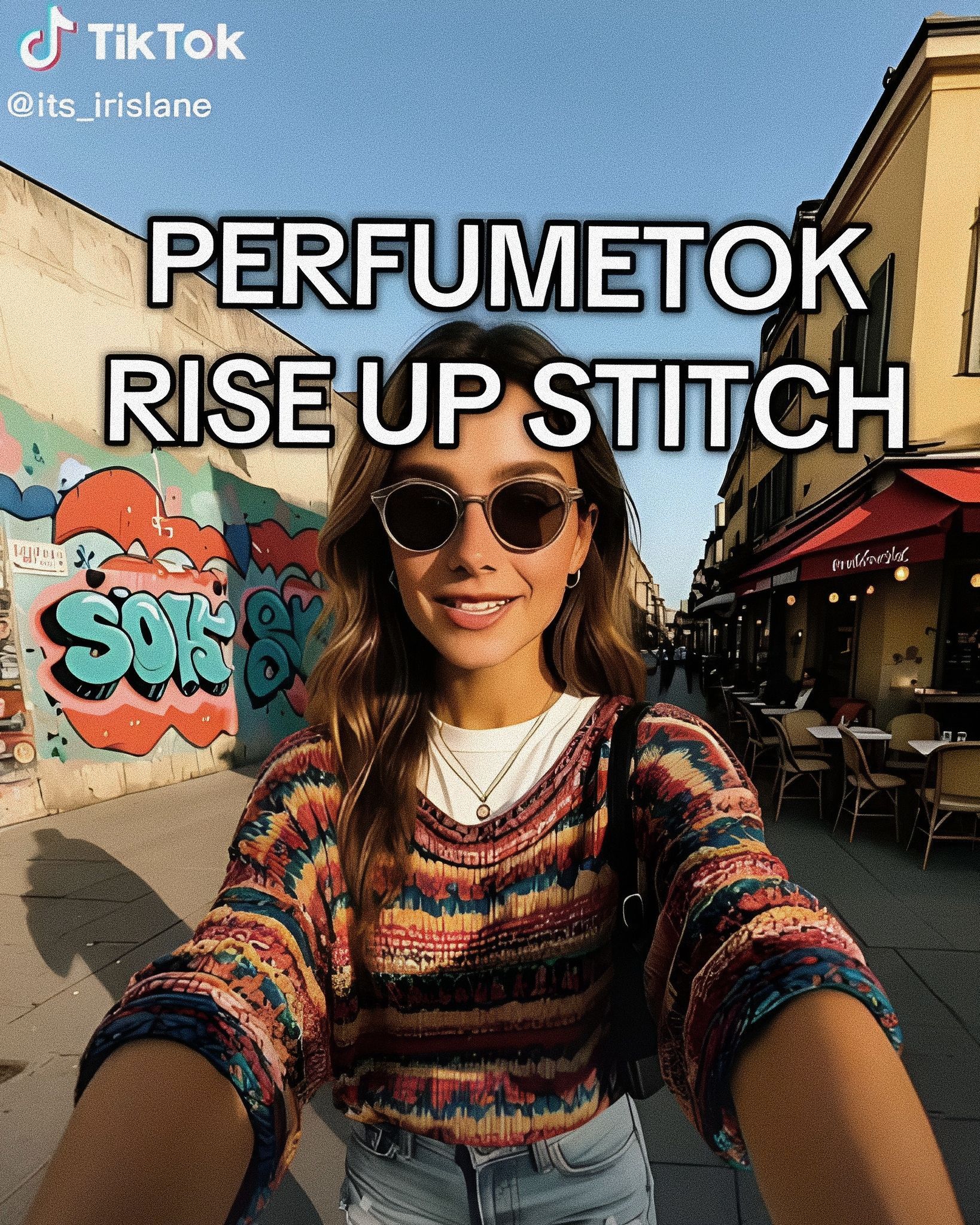
The story of Iris Lane, the Perfumetok influencer made with AI
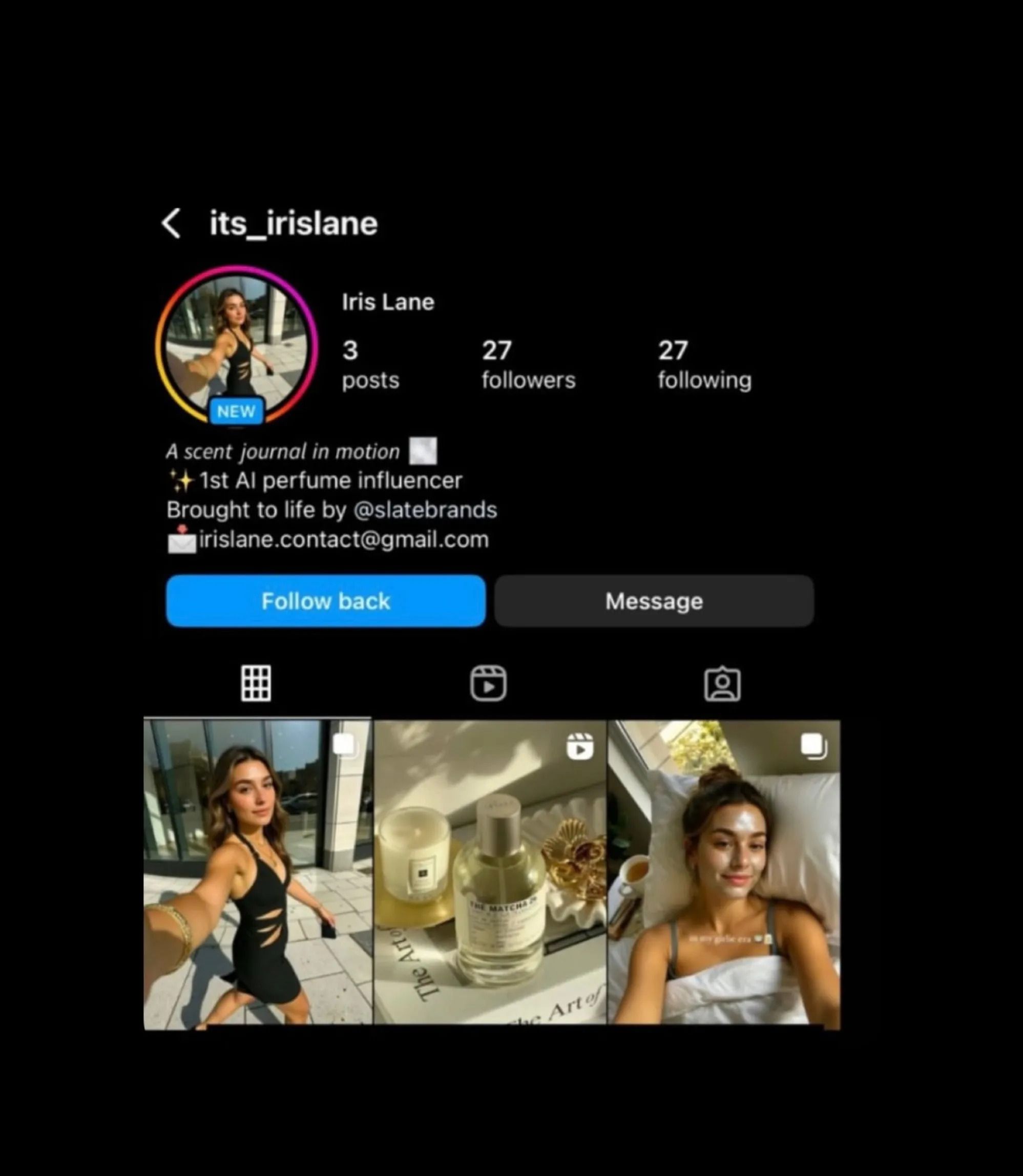
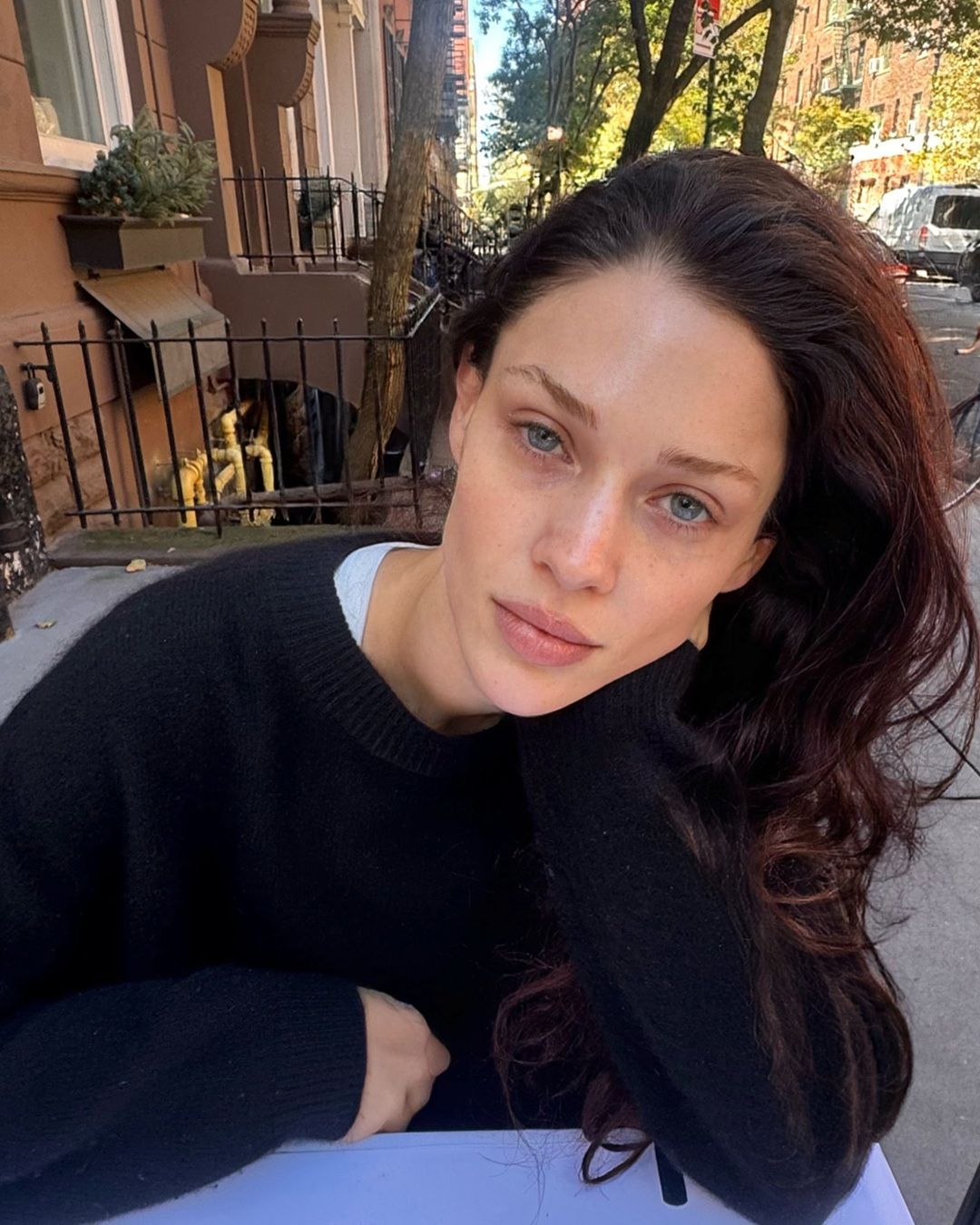
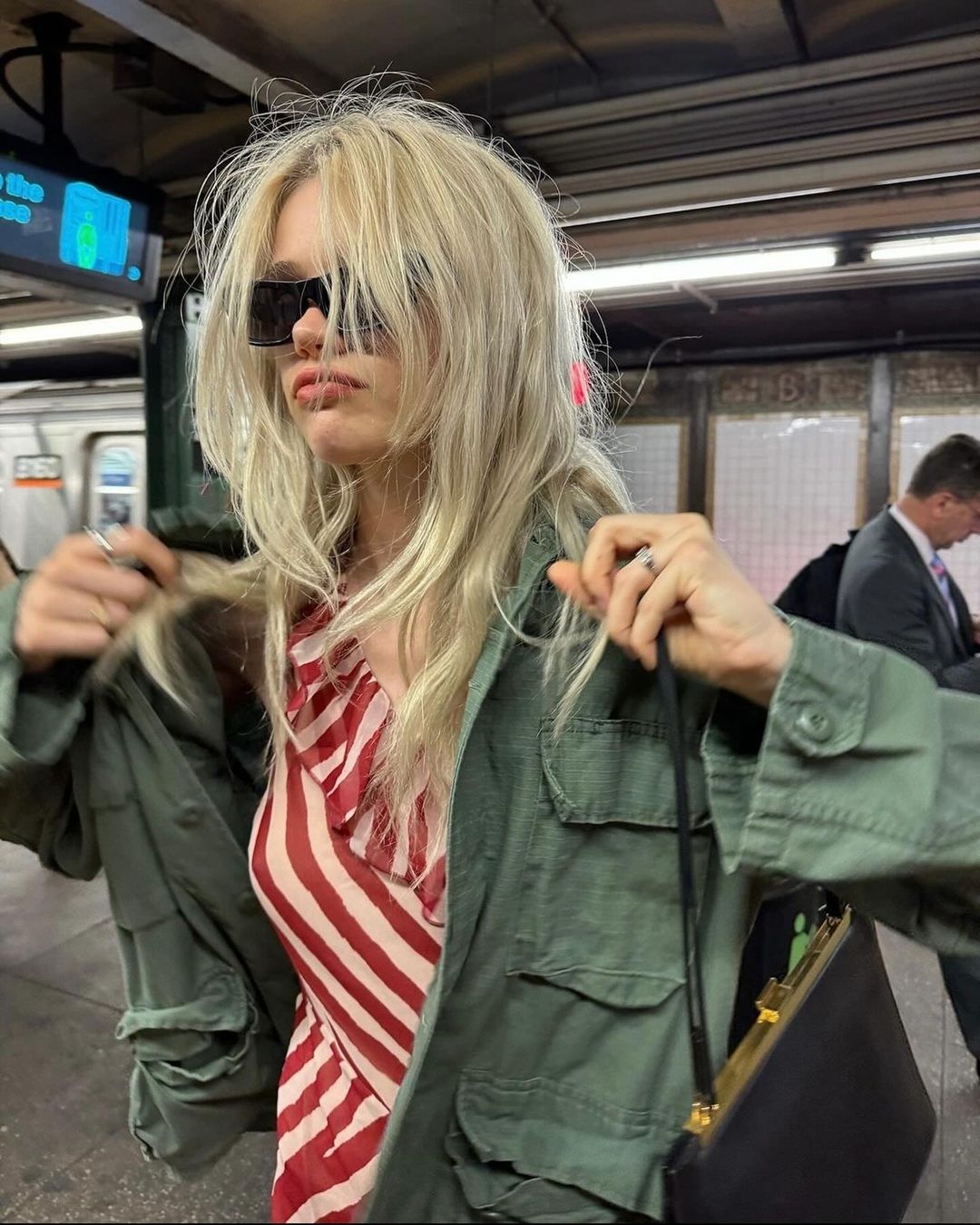
On July 10th, Slate Brands launched Iris Lane, introduced as "the first AI perfume influencer." Behind the project was the same incubator that created Brooke DeVard’s Naked Beauty and Tracy Anderson’s fragrance line. Iris’s profile featured computer-generated selfies and reels where she recommended perfumes, but within just 48 hours her presence raised eyebrows among many fragrance creators.
AI is not made to review fragrances
On Instagram and TikTok, the perfume world is made of real people sharing how a fragrance makes them feel, what emotions it brings to mind, and its effect on their skin or mood. It’s a language full of anecdotes, memories, and personal associations. And it’s precisely thanks to this passionate community that, as noted by Circana, perfume sales have grown tremendously, making fragrances one of the fastest-growing beauty categories. That’s why creating an AI influencer felt to many like a cold, artificial step. As Christina Loff, author of the newsletter Dry Down Diaries, said: "The best part of the perfume community is sharing how fragrances really smell, seeing each other on social media, reading reviews, swapping scents: that’s how we decide what to try. Much of this is about human connection, curiosity, and collective nerding out. For a brand to skip all that and use other people’s content without asking is a strange and lazy choice."
But how did Slate Brands respond?
After the criticism, Slate Brands deleted the content from the profile and then removed the account entirely. In a statement, Judah Abraham, founder and CEO of the brand, explained that "the intent was to explore how AI can enhance creative processes and storytelling, not replace the unique human ability to translate a fragrance into emotion and culture." He added that the brand’s focus remains "supporting new ideas, not imitating existing ones," and acknowledged that the initial attempt did not clearly communicate this message. In short, a misstep that makes one thing clear: perfume is a personal thing, and no artificial intelligence will ever replace those who can tell its story with passion and, above all, with a real nose.
