
























The British female pop gives us lessons in style The new icons of English pop look to the past and tell a new contemporary style
There is something surprisingly familiar about the new wave of British female pop. It’s not pure nostalgia, nor a simple revival: rather, it’s a return to a certain idea of performative femininity (in the most artistic sense of the term, far removed from the negative connotation it has recently taken on), built on talent, measured gestures, recognizable silhouettes, and an almost theatrical relationship with the audience. Songwriters Olivia Dean, Sienna Spiro and RAYE - though different in age, career stage and positioning - seem to share the same imaginative reference point: a kind of pop that looks to the 1950s and 1960s not as eras to imitate, but as languages to reinterpret. In the way they sing, dress and move on stage, echoes of classic soul, orchestral jazz, retro girlhood and understated glamour resurface. Cardigans, A-line dresses, micro bouffants, sharp eyeliner and an absolute focus on the voice: elements that feel rooted in another time, yet today return as tools of identity storytelling. In a music industry ruled by algorithms, these artists choose slowness, restraint and a less explicit, yet, arguably, more intense, sensuality.
Olivia Dean, the Woman We Need
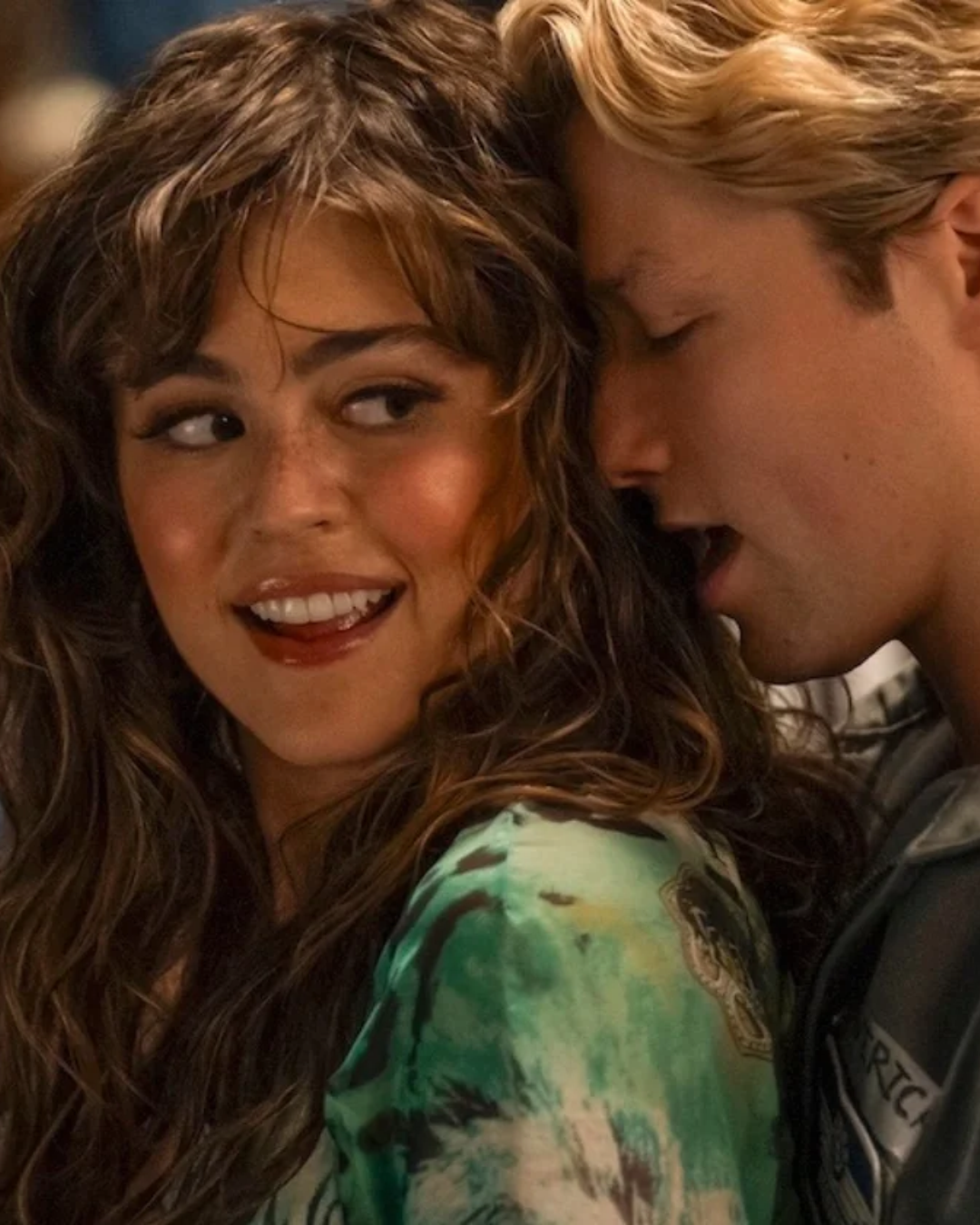
Olivia Dean, born in 1999 and climbing the charts with Man I Need, perhaps embodies the most intimate and natural expression of this return to the past. At a time when pop star styling is often hyper-conceptual or deliberately dissonant, Dean stands out for a coherence that is almost disarming: it’s rare today to see a performer dressed in such an intimately impeccable way. Intimate because Olivia Dean moves in her clothes with an ease that, together with her talent, represents her greatest strength. Nothing feels “designed to work,” yet everything works perfectly (for which credit is certainly due to her stylist, Simone Beyene). Musically, Dean draws from a soul and singer-songwriter tradition that prioritizes emotional clarity and the centrality of the voice, building - through equally convincing songwriting - an imaginary that recalls the great female interpreters of the twentieth century without ever slipping into literal quotation. Her vintage is not costume, but language: a new contemporary narrative in a pop landscape that often rewards excess.
Sienna Spiro, a generational short circuit
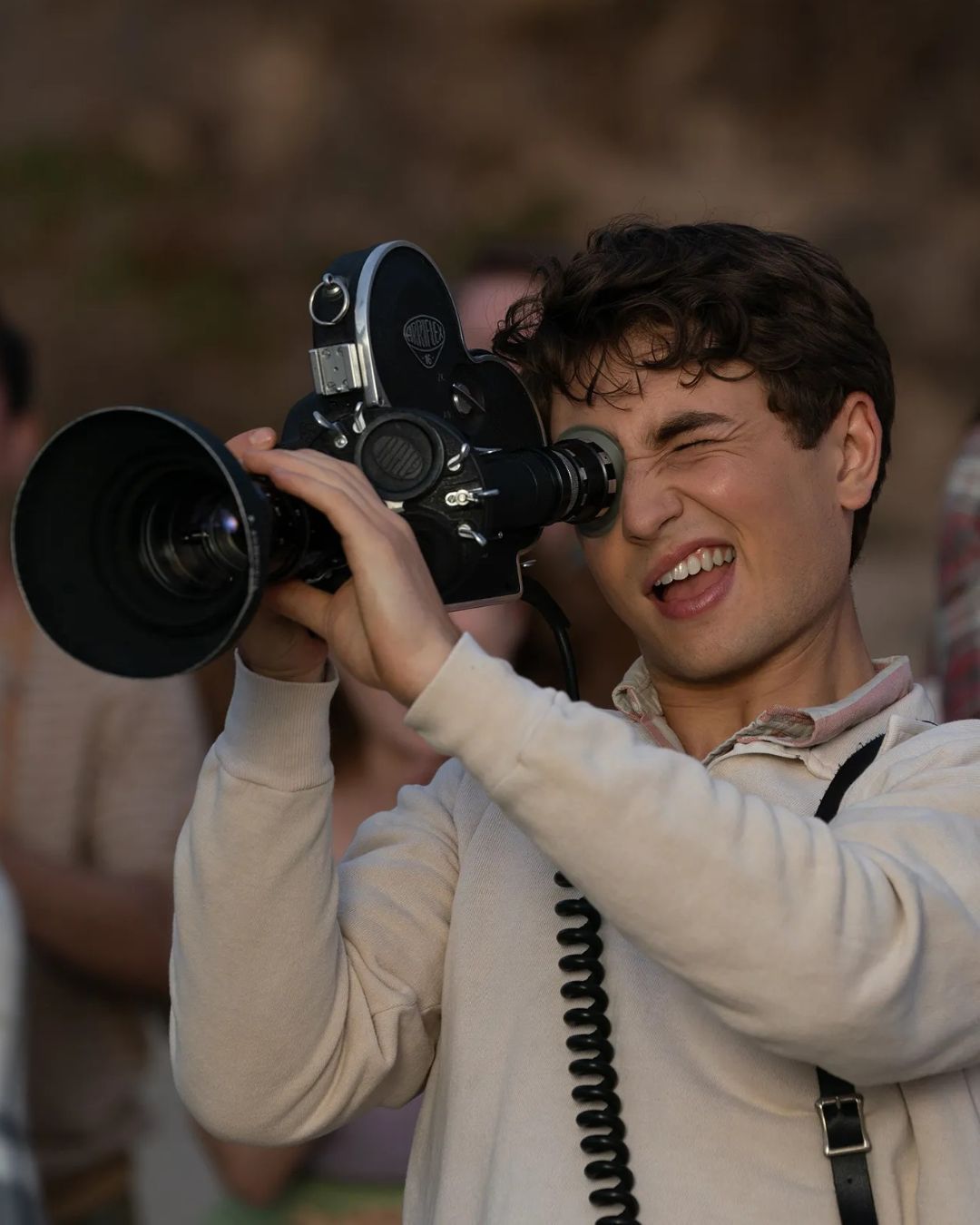
Sienna Spiro - the youngest of the three, born in 2005 and already boasting a viral hit like Die On This Hill - openly plays with the imagery of the past, but does so through a generational short circuit. Her recent Christmas campaign for Gap is a perfect example: here she performs The Climb by Miley Cyrus - arguably the ultimate millennial anthem - with a choral arrangement that feels nostalgic yet fresh and genuine. All of this is paired with a look, both fashion and makeup, that is unmistakably 1960s-inspired, perfectly aligned with her personal aesthetic. Spiro, who has made vintage aesthetics one of her defining traits, is a Gen Z artist who sings (beautifully!) as if she had lived through multiple eras, using TikTok not as a space of hyper-performance but as a stage for an almost jazz-club-like presence. The result is an image that feels timeless, and precisely because of that, incredibly contemporary.
Who is RAYE, the new queen of R&B
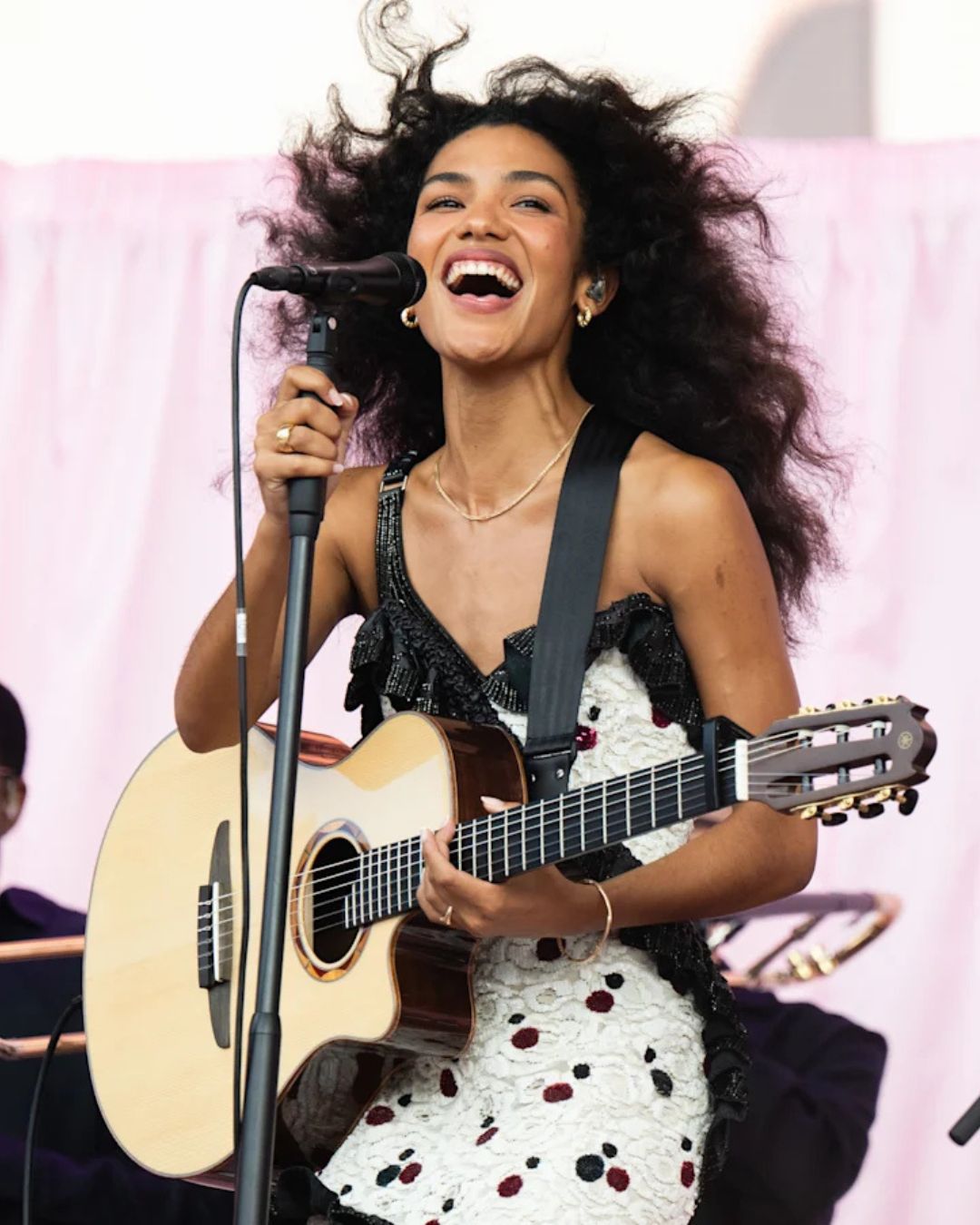
RAYE, finally, represents the most complex point of balance between past and present. Born in 1997, she began her career working as a songwriter for international superstars such as Beyoncé and Ellie Goulding. She only reached global success in 2022 with Escapism. As Rolling Stone wrote about her latest single Where Is My Husband! (clearly viral on TikTok), her sound is “a mix of the old, with explosive brass, and new R&B, featuring sharp phrasing and lively rhythms rooted in hip hop.” A definition that works just as well on a visual level. In her live performances and visual language, RAYE evokes the stage authority of great jazz and soul singers, but does so with a deeply contemporary awareness: her look channels vintage glamour without ever becoming mere quotation, while her writing remains raw, current and often brutal. An aesthetic that seems to belong to another era, paired with a sound that is anything but retro. The British singer-songwriter has built a layered, self-aware aesthetic: an adult, complex figure who uses the past as a tool of narrative power, not as a nostalgic refuge.
Brit female pop is exactly what we needed
What unites Olivia Dean, Sienna Spiro and RAYE, then, is not a simple fascination with the 1950s and 1960s, but the use of the past as a linguistic tool. In an increasingly fast and algorithm-driven music industry, these artists choose to slow down, make images legible, and restore centrality to the voice and to presence. The new British female pop looks backward not to hide in nostalgia, but to rediscover an emotional grammar capable of speaking to the present. And that’s precisely why British female pop is exactly what we needed.
What to read next

Warsaw launches the world’s first abortion pill dispenser
A pink locker to circumvent Poland’s abortion restrictions and make medications for voluntary termination of pregnancy more accessible

“The magic of Jane Austen is that her stories feel fresh and timeless”
Daisy Edgar-Jones, star of Sense and Sensibility, in cinemas from October 22