






















what if we stopped watching only cartoons? A balanced media diet could be a good idea to start 2026 with momentum and thinking ability
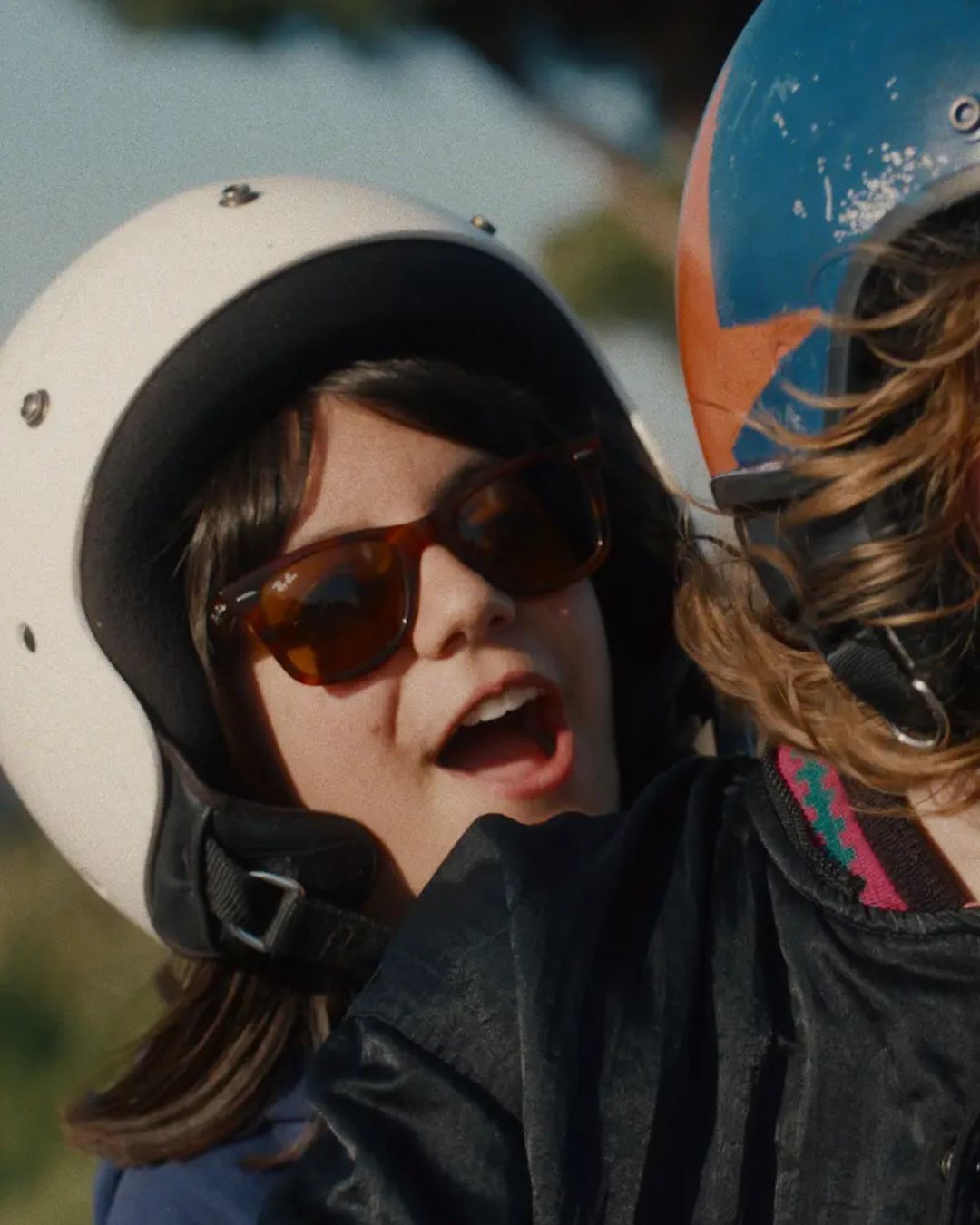
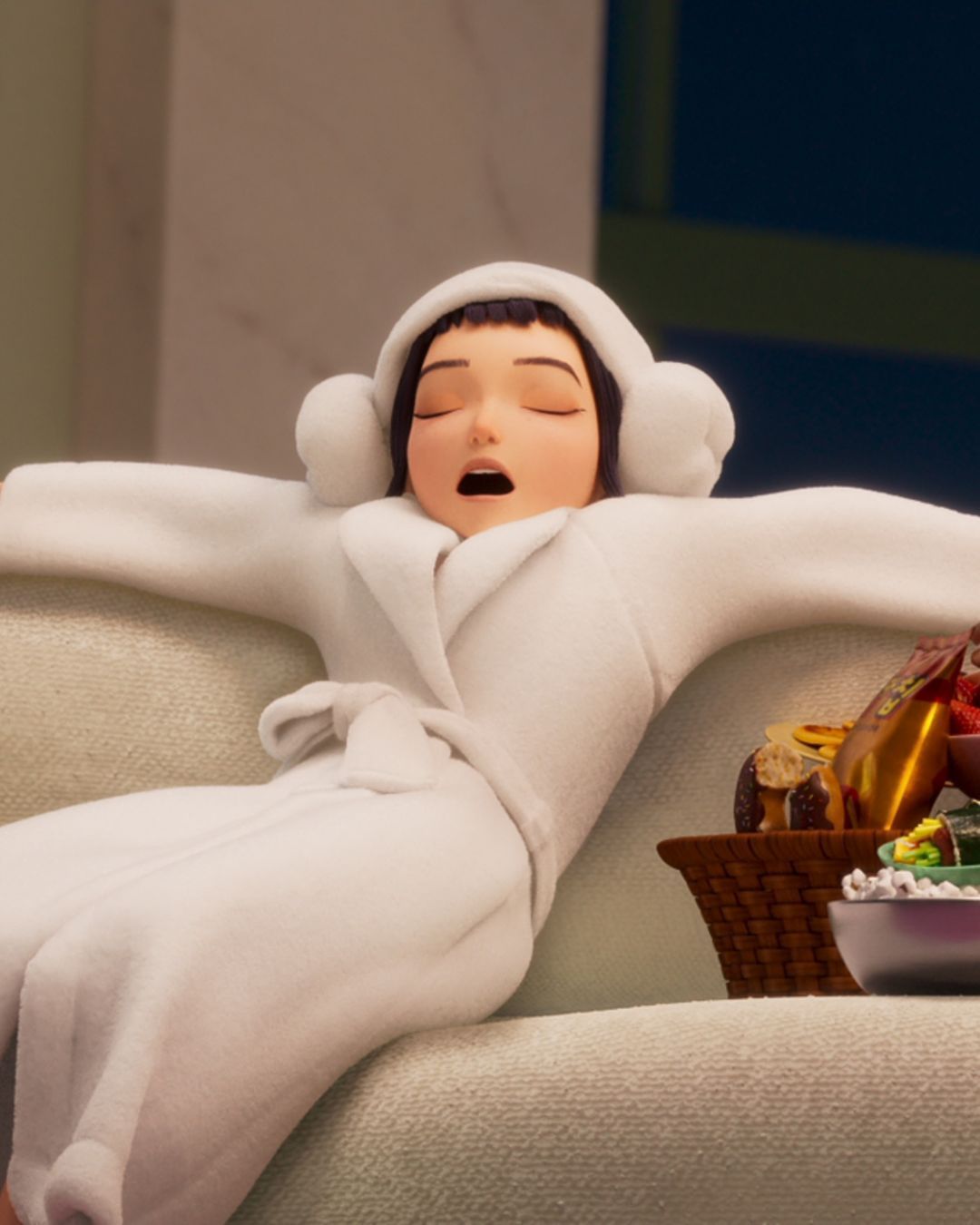
I kicked off my cinematic year by watching KPop Demon Hunters. It was the very slow evening of January 1st and, after hearing friends speak highly of it over our New Year’s Eve dinner, I decided to pull the trigger. Or rather, to hit play on Netflix. I came away with Soda Pop stuck in my head, but also with a deep sense of dissatisfaction that goes beyond the animated film itself (which was very enjoyable to watch) and expands into a broader attitude I’m seeing more and more often in social media bubbles where cinema and audiovisual products are discussed. Let’s call it the pre-adolescent-ification of film discourse. You know what I mean, right? That tendency to retreat into content designed for children or pre-teens even in adulthood, treating it either as Serious-Stuff-For-Our-Age or justifying it through a perfectly legitimate urge for escapism. Which, in practice, ends up squeezing out space for more adult forms of engagement. But let’s take it step by step.
KPop Demon Hunters, a very solid product (but for kids)
KPop Demon Hunters is a very solid product from several points of view, especially if you consider its intended audience: twelve-year-olds (or thereabouts). And that’s perfectly fine. Twelve-year-olds deserve content made specifically for them, well thought-out, well written, and well executed. In this case in particular, the animation is engaging, the songs are believable, the story is uplifting, and the cultural aspect is respected if not outright celebrated. What I can’t quite wrap my head around is how (and why) it became such a huge phenomenon among my peers - fully grown adults - who watched it over and over again and discussed it using the kind of language and tone better suited to a French arthouse film, or to the work of David Lynch. Let’s pause for a moment.
Father Mother Sister Brother, the complete opposite (and a slightly challenging experience)
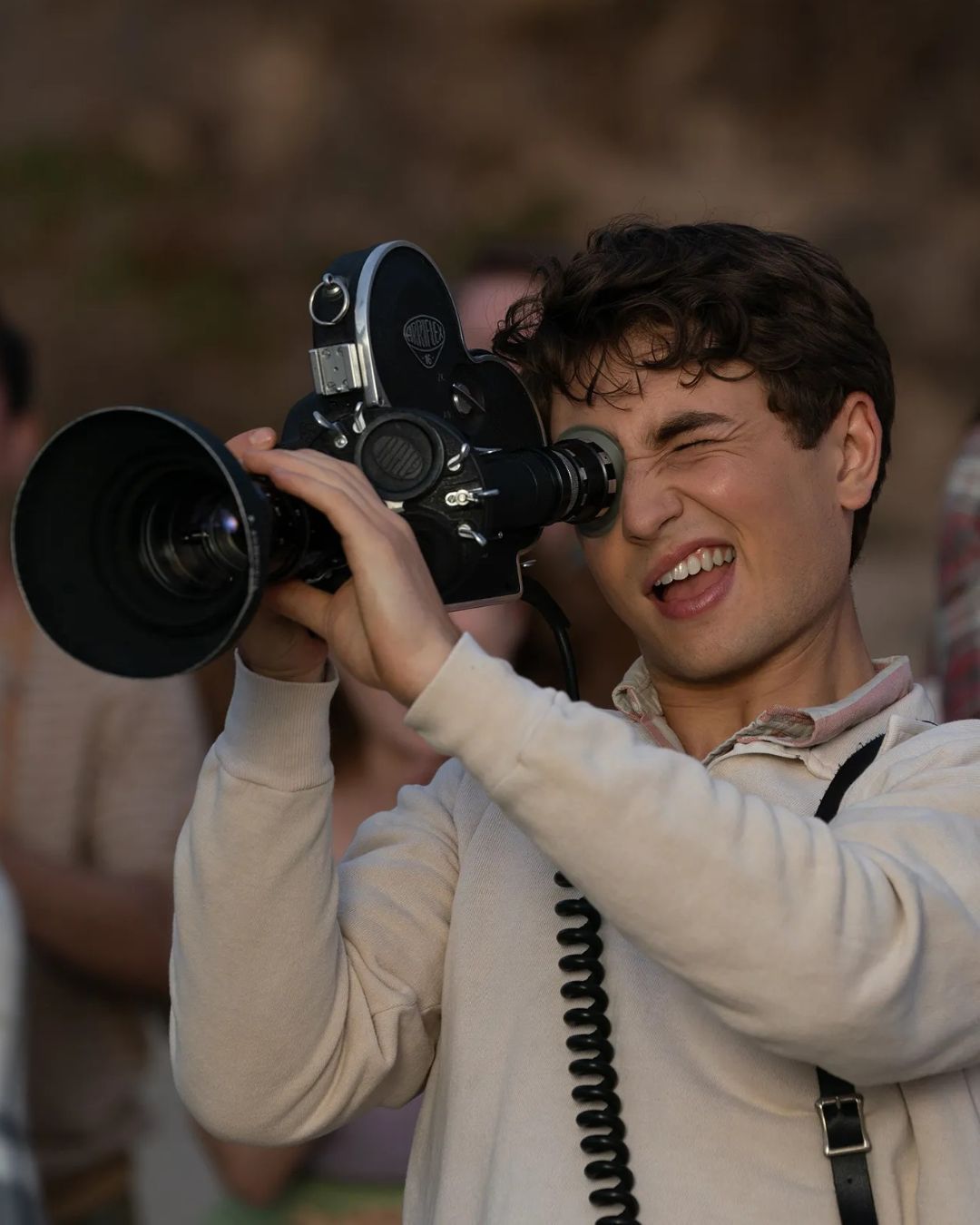
The following day (I was in the mood, okay?) I went to the cinema to watch, this time, Father Mother Sister Brother by Jim Jarmusch. An episodic, meditative, extremely slow film (forgive the refined technical jargon), one that some might even find boring. It was a fascinating cinematic experience, one that asked for patience, for letting go of almost every expectation of entertainment in order to enter a universe made of rarefied dialogue, silences, repetitions, details to be noticed, patterns to be identified. A challenge, especially considering that it’s a film about family dynamics, a topic that can feel particularly delicate for some people after the winter holidays, but the kind that really gets your brain moving.
Enough escapism, yes to intellectual challenge
What’s the connection? The point is that within the span of 24 hours I had two completely opposite viewing experiences. One easy, one demanding. And it made me wonder: why have we locked ourselves into the first and stopped opening up to the second? Why, by invoking the need to “switch off” - as if we weren’t already doing that 24/7, endlessly scrolling through nonsense - have we stopped engaging with audiovisual works that invite us to think, rather than simply to feel comfortable? What are we afraid of? Discovering that our brains have atrophied a little? That dealing with people (characters, really) who don’t think like us unsettles us so much that we reject the interaction altogether, even when it’s mediated by a screen, by the conventions of cinema, by the simple fact that this character does not actually exist? And here’s the crux of it: we’ve lost the habit of confrontation of any kind. With works of art, and with ourselves.
A varied media diet is the key to a more critical approach
In 2026, my hope - for myself and for all of us - is for a varied and balanced “media diet,” one that occasionally pushes us out of our comfort zone, forces us to ask questions, to think, even to get angry. Because it’s okay if we don’t understand a film, it’s okay if we get bored, it’s okay if we don’t like something. It’s okay to disagree with the protagonist, but it’s also okay to feel drawn to them and then ask ourselves why. To use cinema and television as tools for exploration, inward and outward. Like a stick that digs and pokes around. An impulse, a starting point, an exploration. Shall we try, together?
What to read next

How do you inhabit pleasure?
The cycle of meetings “Living Pleasure” is born, from Lina to Milan