
























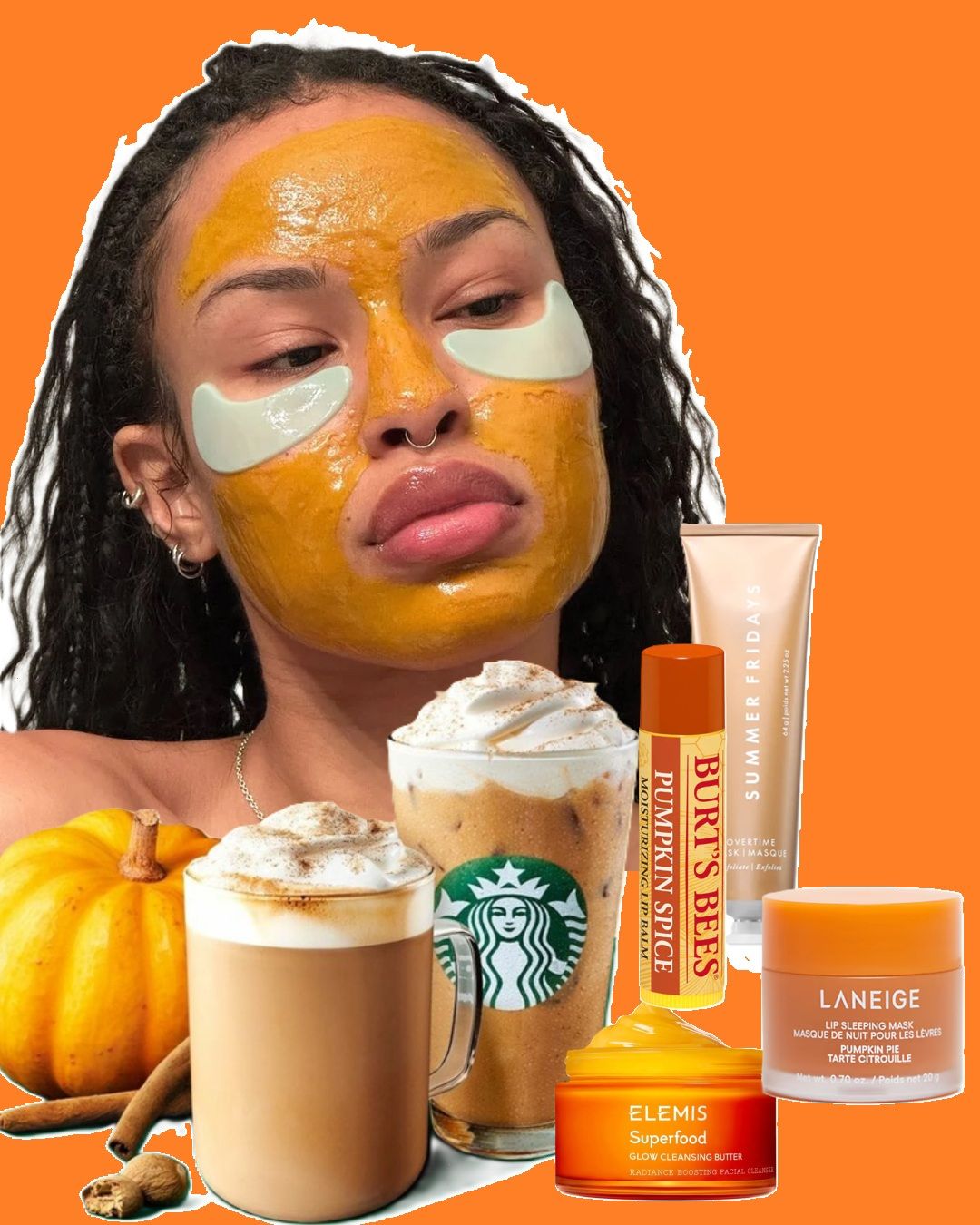
Should we give up our pumpkin spice? Between raw material shortages, beauty and food incursions, and FOMO
The doubt circulating in the air this autumn isn't about whether it's more embarrassing to have a boyfriend or to post about him, nor who the metropolitan muses are. The real question shaking consumers, bartenders, beauty editors, and nostalgia enthusiasts is much simpler, yet surprisingly dramatic: do we really have to say goodbye to pumpkin spice as we know it? It's not just a flavor but a ritual, an emotional symbol, a cultural object that has defined the entry of Western pop autumn for twenty years. Yet, behind its seemingly sweet lightness, the world of pumpkin spices is facing a deep crisis: crops hit by climate, tariffs on imported spices, competition among cosmetic giants, general price increases, and an audience increasingly enslaved to seasonal FOMO. This is a crisis that speaks of economy, climate, pop culture, and even collective psychology. Understanding what’s happening means reading, between the lines of the pumpkin, the spirit of our time.
Beauty and pumpkin spice: when pumpkins run low, creativity soars
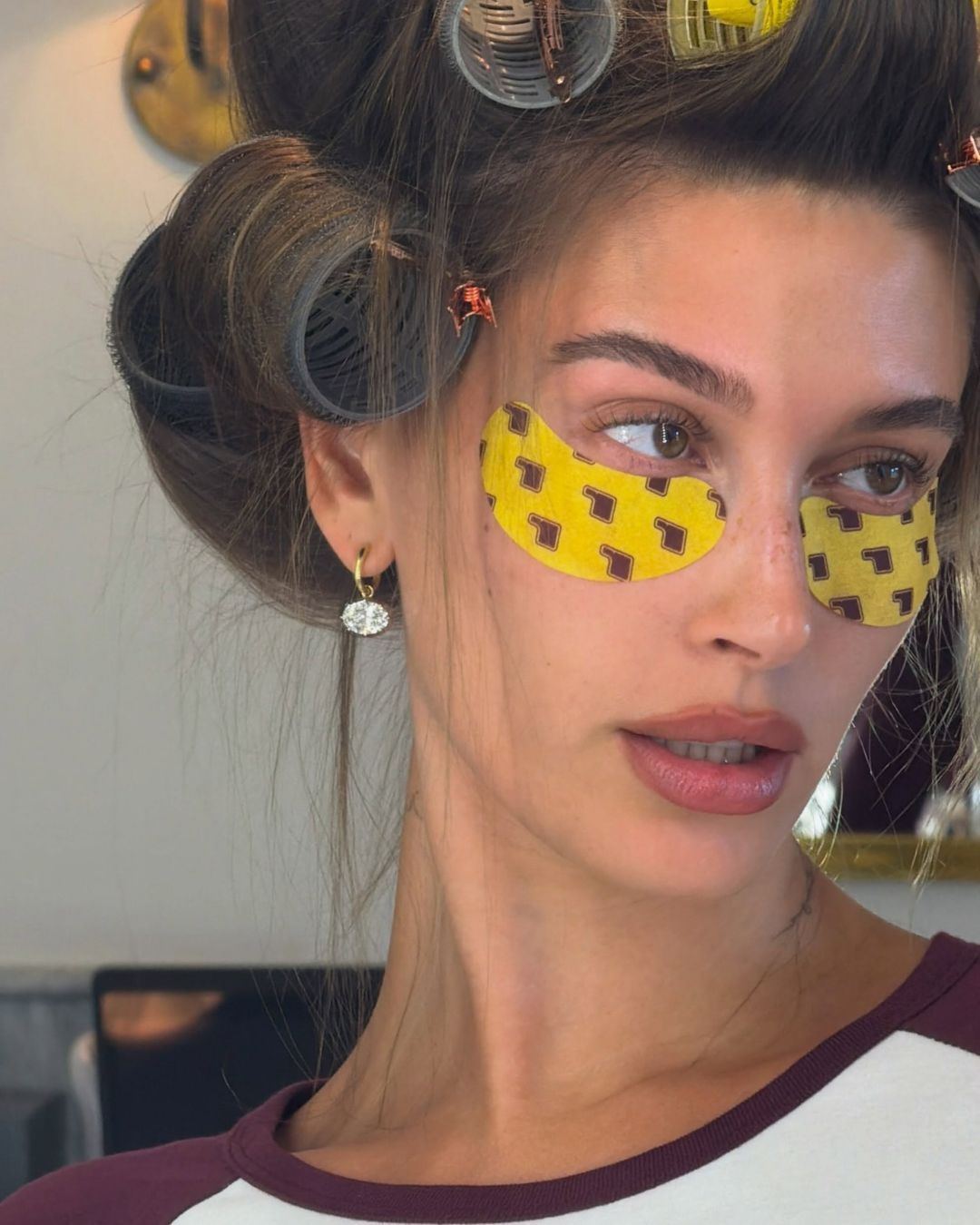
In the beauty world, pumpkin isn’t a passing trend but a tangible resource because pumpkin enzymes have exfoliating and regenerating properties that many synthetic ingredients can’t replicate. For years, brands like Irene Forte, Malin + Goetz, Naturopathica, Peter Thomas Roth, and Tonymoly relied on stable, sustainable supplies. Then 2025 arrived, bringing uncontrolled weather that devastated key production areas. In Ohio, the rains didn’t come; in Illinois, summer was too short; in the UK, heat disrupted planting schedules. Suddenly, the most autumnal product in the beauty universe became rare. Companies didn’t wait to be left with empty shelves. As BoF reports, Lush turned the crisis into an opportunity, choosing European pumpkins grown with regenerative techniques, rethinking its supply chain, and building a more resilient and narratively compelling model. Bliss expanded its sourcing network from North Carolina to regions in Italy and Taiwan, aiming not just for quantity but for consistent quality and farmers capable of managing water and nutrients in a chaotic climate. Meanwhile, luxury hotels like the Ritz Carlton in South Beach increasingly rely on fresh local products, while biotech labs are developing in vitro pumpkin enzymes, a breakthrough that could make the supply chain immune to climate whims. In short, beauty isn’t abandoning pumpkin, it’s reinventing it.
Spiced fragrances: the perfect illusion that needs no pumpkin
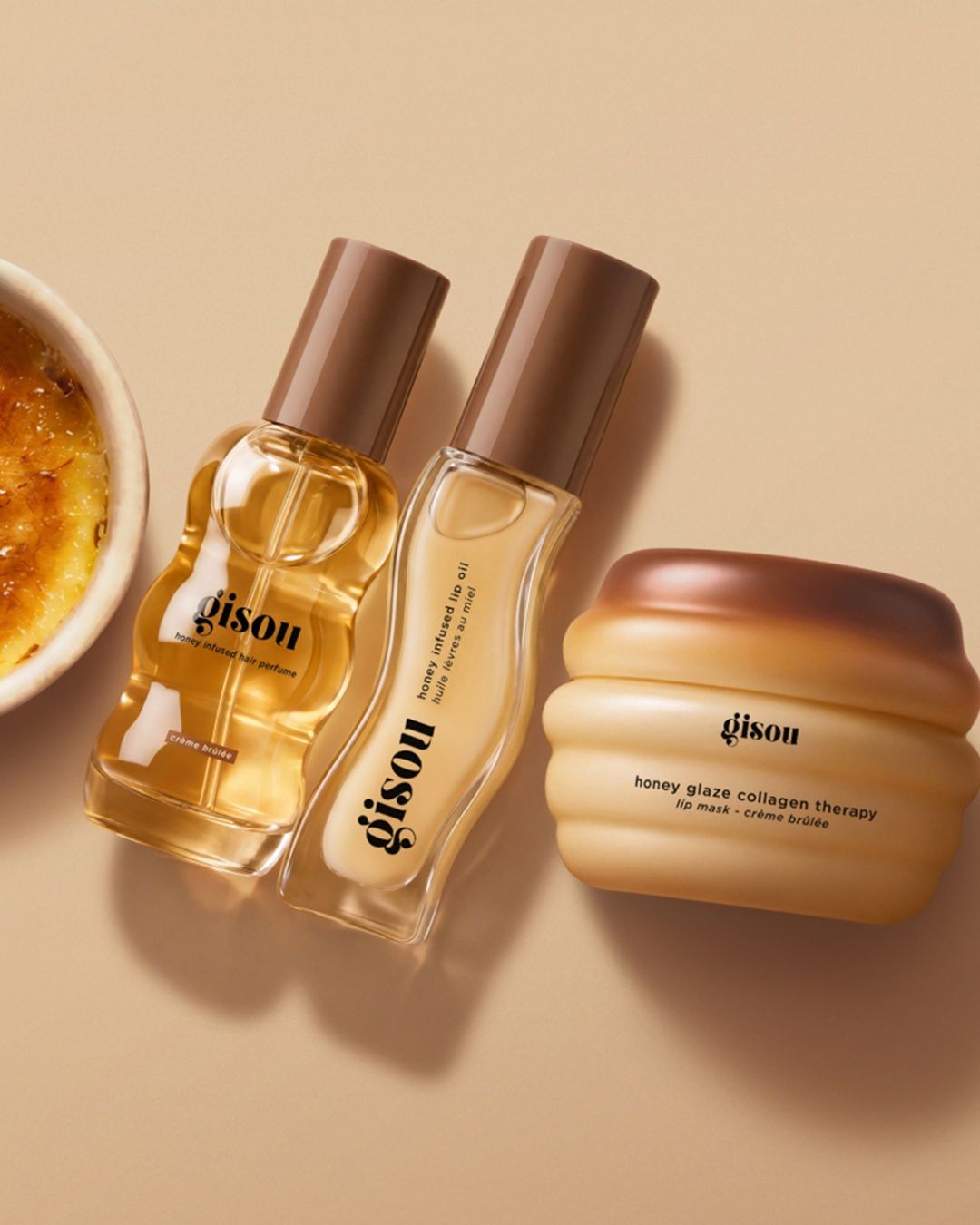
While pumpkin is a tangible ingredient in beauty, in the fragrance world the truth is more subtle and, ultimately, fascinating: pumpkin-scented perfumes rarely contain actual pumpkin. The notes we perceive as pumpkin spice come from an aromatic spell of cinnamon, nutmeg, cardamom, vanilla, and ginger. Kara Kowalski from Snif tells BoF that pumpkin is more of a sensation than a real presence. It’s not an ingredient; it’s an evoked memory. This means the perfume industry isn’t threatened by agricultural crises. Its formulas are already independent of pumpkin and closer to a cultural language than a culinary recipe. Lush, meanwhile, continues experimenting with gourmand notes reminiscent of freshly baked pumpkin pie, adding dramatic touches like biodegradable orange glitter. The result is a scent that survives real-world shocks because it never truly depended on field pumpkins. Instead, it thrives on our ability to associate scents with feelings of an ideal autumn running through movies, steaming mugs, and internet memes.
@vanilla_beauty_girl @LUSH @Lavish Care @Bath & Body Works #foryoupage #perte #profumaredidolce #profumaredivaniglia #profumaredibuono #profumaredicocco #vanillabeautygirl #autunno #sweetscent #lushcosmetics Bed Chem - Sabrina Carpenter
Food: the pumpkin spice empire is bigger than it seems
In the food sector, the situation is more complex. Pumpkin spice food isn’t a seasonal whim, it’s a commercial infrastructure. The flavor has become a language across supermarkets: from yogurts to cream cheeses, from bars to spiced figs and almonds, even spiced bacon and avocado oil. Creativity reaches near-absurd levels, but that’s exactly what consumers love. The charm of pumpkin spice comes from its ability to evoke a feeling of home warmth. It smells of oven-fired treats, late October parties, shorter days, and a slowed-down rhythm. It’s nostalgia concentrated in an aroma. And in a world where emotional security is rare, millions seek comfort in supermarket aisles. Despite tariffs, price hikes, and increasingly complex logistics, demand continues to rise, turning autumn into a choreography of orange packaging and imported spices.
@starbuckssouthnormanton Come make a pumpkin spice latte with me! #pumpkinseason #pumpkinspice #starbucks #pumpkinspiceseason Pumpkin Spice Latte: the drink that divides America and confuses Europe
The Pumpkin Spice Latte has become a statement of identity. For some, it’s the holy water of autumn; for others, a sugary abomination. In the United States, no café is without it once September rolls around. In Europe, it’s very different: cities like Brussels and Antwerp have embraced the PSL almost with American enthusiasm, while in countries like Italy or France, the debate remains fierce. Some see it as a usurpation of traditional coffee, others as a harmless seasonal game. The truth is curiosity is growing. More independent cafés are offering reimagined versions, sometimes with local spices, sometimes with natural sweeteners, and sometimes as a unique treat. Prices are rising, not just for aesthetics but due to tariffs on spices and processing costs, making the drink a small seasonal luxury. Perhaps that’s what makes it irresistible.
@lillyluann beste wirklich #foryoupagе #makeitviral #pumpkinspicelatte #starbucks original sound -
Pumpkin market: a $2.4 billion locomotive showing no signs of slowing
The world of pumpkin spice is no longer a seasonal phenomenon confined to a few orange shelves. It has become a full-fledged economic sector, an infrastructure extending from supermarkets to gourmet boutiques, independent cafés, and beauty conglomerates. Analysts estimate that by 2031, the global value of pumpkin spice could approach $2.4 billion, placing this aromatic blend among the most profitable food trends of the past decade. In the United States, the market is already a giant, with sales exceeding $800 million last year, showing steady growth despite inflation, tariffs on imported spices, and logistical difficulties affecting other food & beverage segments. For many companies, pumpkin spice season acts as a second peak season, arriving predictably between September and November, offsetting summer or winter dips. Few trends can boast this. Pumpkin spice enjoys almost ritualistic predictability, a sort of commercial new year that reignites consumption, promotions, advertising campaigns, and entire limited-edition product ecosystems. This is where its power lies. Where there’s a limited edition, anticipation is born; where there’s anticipation, FOMO develops; and where there’s FOMO, revenue accelerates. The aroma thus becomes a cultural content, an annual event creating perceived urgency and an economic flow that companies can plan with surgical precision. This cyclicality, combined with the emotional charm of autumnal nostalgia, makes pumpkin spice one of the rare certainties left in seasonal consumer industries. And everything suggests that, rather than slowing, the orange locomotive is gearing up for its next acceleration.
@itsjustpaky Giuro che ho avuto davvero una conversazione simile col cameriere #screamqueens #chaneloberlin #starbucks #pumpkinspicelatte #autumn #fyp original sound - Paky
Pop culture: pumpkin as a collective emotional state
The most surprising thing about pumpkin spice is its cultural evolution. From a trend linked to a specific audience (the basic girl with Uggs, scarf, and beige feed) it has become a shared emotional archive, a seasonal icon belonging to everyone. It no longer represents a stereotyped lifestyle but a shared sensation. It’s a sensory symphony mixing childhood memories, cult movies, Pinterest photos, and the deep need to slow down at least once a year. Nothing in this rise is random. Pumpkin spice is the child of the colonial history of spices, the evolution of medieval European cuisine, American comfort food culture, and modern wellness psychology. Every sip, scent, and pumpkin cream encapsulates centuries of habits and nostalgia. No climate crisis can easily break such a bond.
So, do we have to say goodbye?
The most honest answer is that we don’t have to give up pumpkin spice, but we must accept that it will change. The beauty sector is already adapting with biotech solutions and shorter regional supply chains. Fragrances, which don’t really depend on pumpkin, will continue undisturbed. Food, despite battling tariffs and logistics, won’t give up one of its most profitable seasonal assets. Cafés will continue offering PSL as if nothing could stop its myth. The most visible short-term change will be the price. The pumpkin tax is inevitable, making the experience slightly more expensive, but perhaps even more desired. And when something becomes more desired, FOMO multiplies. This is how rituals survive—not due to simplicity but their emotional value. The question is no longer whether pumpkin spice will stay with us. The right question is how it will continue to transform.
What to read next
