













I will tell you how I became Diari di Brodo Interview with the author of "Too Shy"
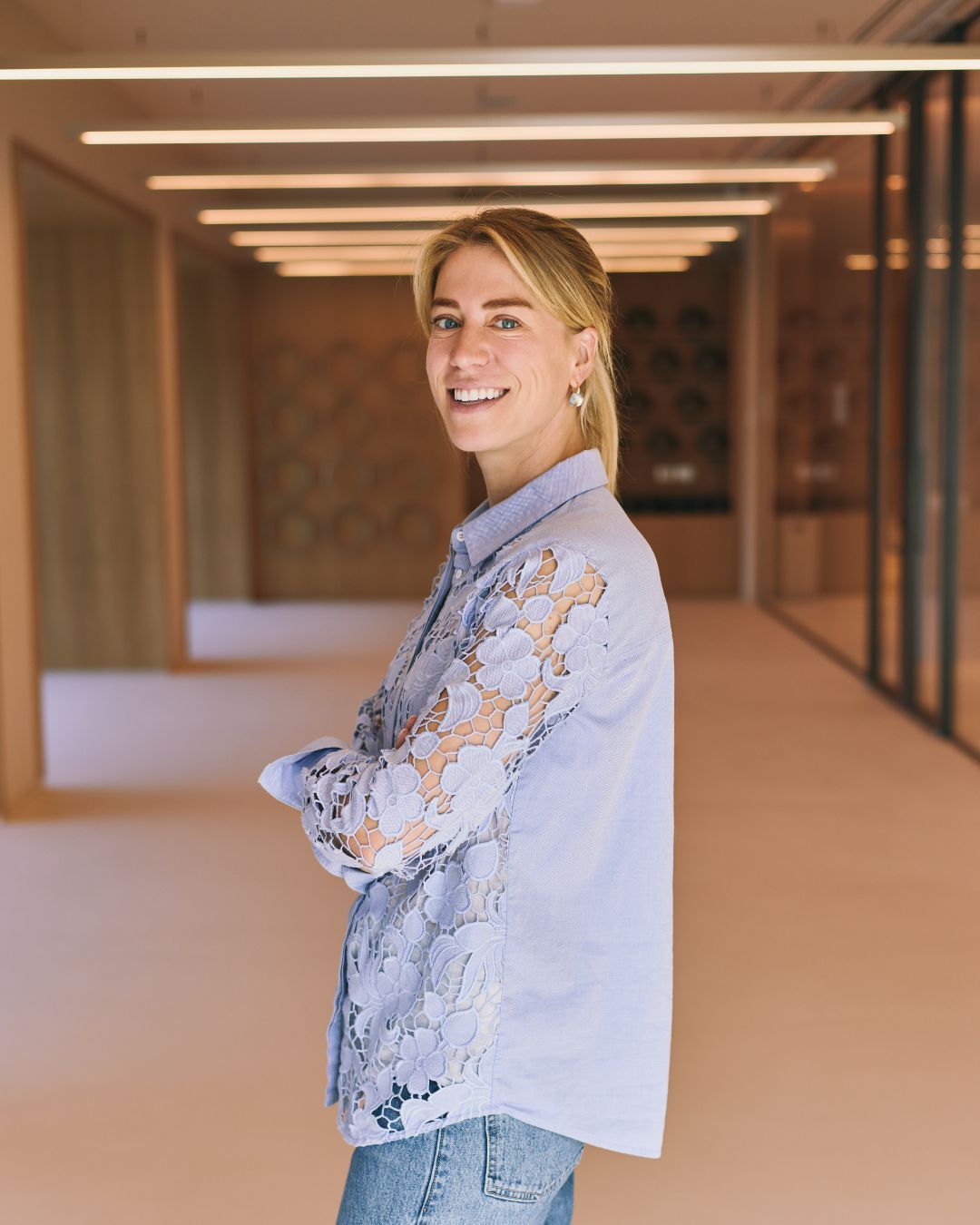
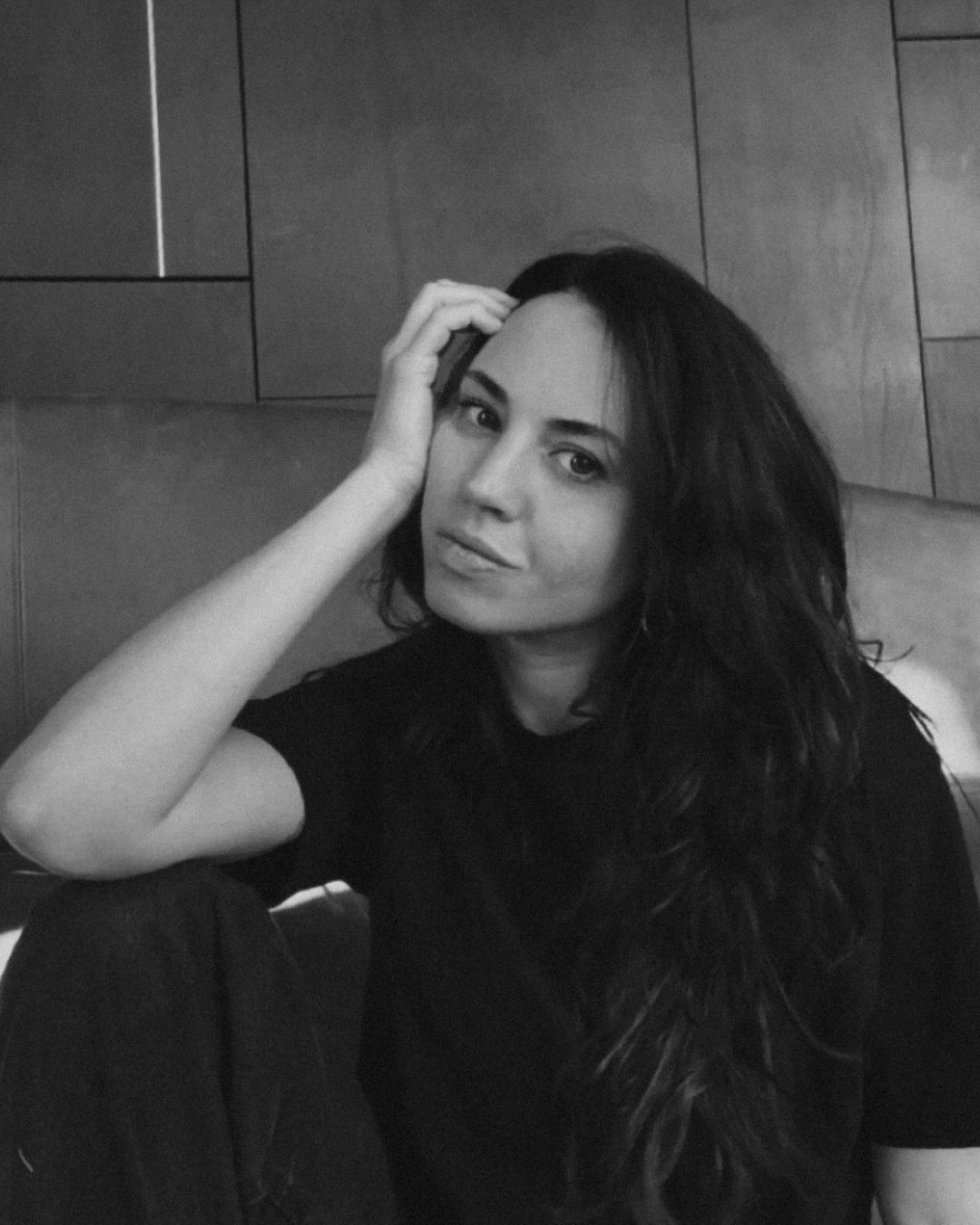
Troppo Timida, her latest book, impressed us so much that we decided to interview her. We’re talking about Martina Filippella, also known as Diari di Brodo, one of the most loved and followed comic artists on the Italian Instagram scene. Represented by Yoonik, the 1993-born author shared with us her artistic journey, between past and future. With publisher BeccoGiallo, she has already released "Era una bella giornata finché non è cominciata" and "Piumonia".
Interview with Martina Filippella, aka Diari di Brodo
When did you realize that comics and illustration would become your main form of expression?
As a child, I was always drawing; then, a few years later, I developed a passion for writing. I kept the two separate, but I always felt that something was missing. When I created the Instagram page "Diari di Brodo" with the desire to combine these two passions, I realized I should have done it much earlier: it finally felt like the missing piece clicked into place. It was 100% me.
Where does the name Diari di Brodo come from? What does “brodo” mean to you in this context?
As I mentioned, a few years ago I was looking for a project that could perfectly blend writing and illustration. I started keeping a personal journal, mixing words and drawings to reflect on life. I called it “Diario di Brodo” after playfully mispronouncing “bordo” (edge) - I’ve always loved word games - and then I gave it meaning. “Brodo,” or broth, is a dish that’s simple, comforting, and a little chaotic, just like my comic strips.
You’re very popular on social media. How do you balance your creative “public space” with your private life?
I like to share my creative life by talking about myself: what inspires me, what I do day to day, and so on. I think people who follow me appreciate seeing that there’s a person behind the drawings; it helps them relate more deeply and builds a stronger connection. But I’m a reserved person. I don’t share much about my private life or the people close to me. I don’t want to be the kind of content creator who documents every single detail of their daily routine.
How would you describe the link between vulnerability and creativity in your work in general, and in Troppo Timida in particular?
In a way, vulnerability is the core strength of Diari di Brodo. I tell stories about characters in the middle of existential crises, trying to make sense of life, often unsuccessfully. I always do it with irony, and that balance between the heaviness of certain topics and the need to laugh about them is what makes people relate to my work. In “Troppo Timida” I used the same approach. I chose to tell a personal story of discomfort (because shyness comes with a lot of it) in a humorous way, turning it into something lighter.
Is there a particular panel or passage in this book that moves you more than the others? Why?
I’d say the beginning, where I talk about my childhood and my first friends. When you’re a kid and realize you’re “different” for some reason, the first instinct is to think you’re completely alone. But with a little courage - and risk - you often find out that there are many others like you. The fact that I found mine, and that they’re still close to me today, always moves me deeply.
What does your daily creative process look like? Do you have rituals, habits, or “sacred” moments for your work?
My work routine isn’t anything special. Like many, I need coffee (a must) before I can start. Then I check my to-do list - usually chaotic - and get to work. I’m neither an early bird nor a night owl, but I work best in the late morning, between 10 and 1. It’s not an everyday habit, but I try to dedicate a moment each day to drawing freely in my sketchbook, without commissions or external expectations.
Have you ever received feedback or criticism that made you rethink your work? How do you react, both mentally and creatively?
Constructive criticism is essential for starting a creative journey; it helped shape the style I have today. When I first started, I didn’t take it very well, I was insecure. Even now, it’s not always easy, but I’ve built some resilience. I take in the feedback, select what resonates with me, and use it to fine-tune things. But I’m aware of who I am as an artist, so I keep moving forward without getting too discouraged. I know I can’t please everyone.
Which emotions (fear, joy, anger, uncertainty…) do you feel you explore most through your work?
Fear and uncertainty are the main themes in my work, especially in Diari di Brodo. The project was born partly to face them, or at least to learn how to live with them. I’m afraid of a lot of things, but talking about it and laughing it off helps me keep it from becoming too heavy. And when readers tell me they see themselves in what I write, it makes me feel understood.