



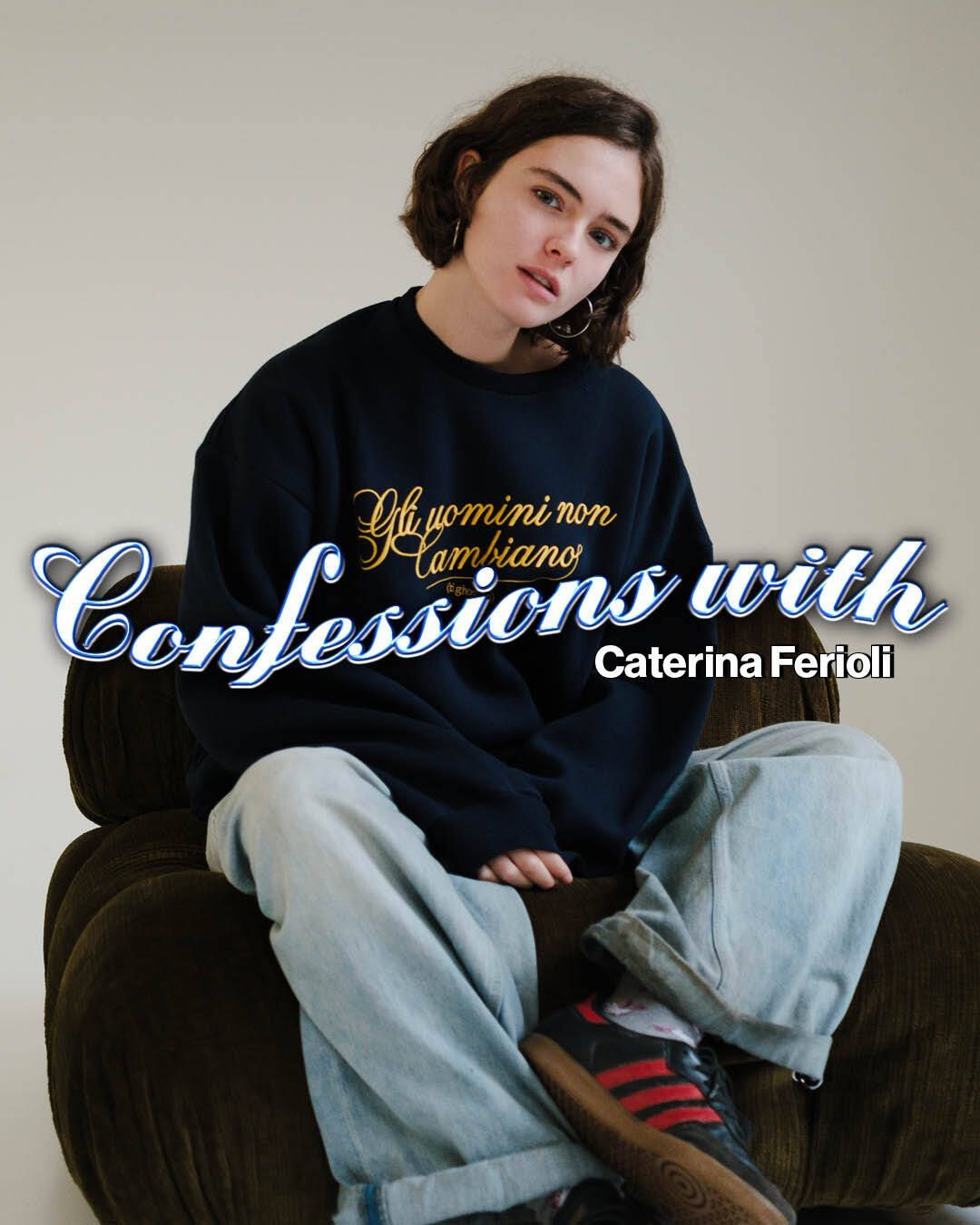
Caterina Ferioli: "Culture saves life" Interview with the actress from "Noi del Rione Sanità"
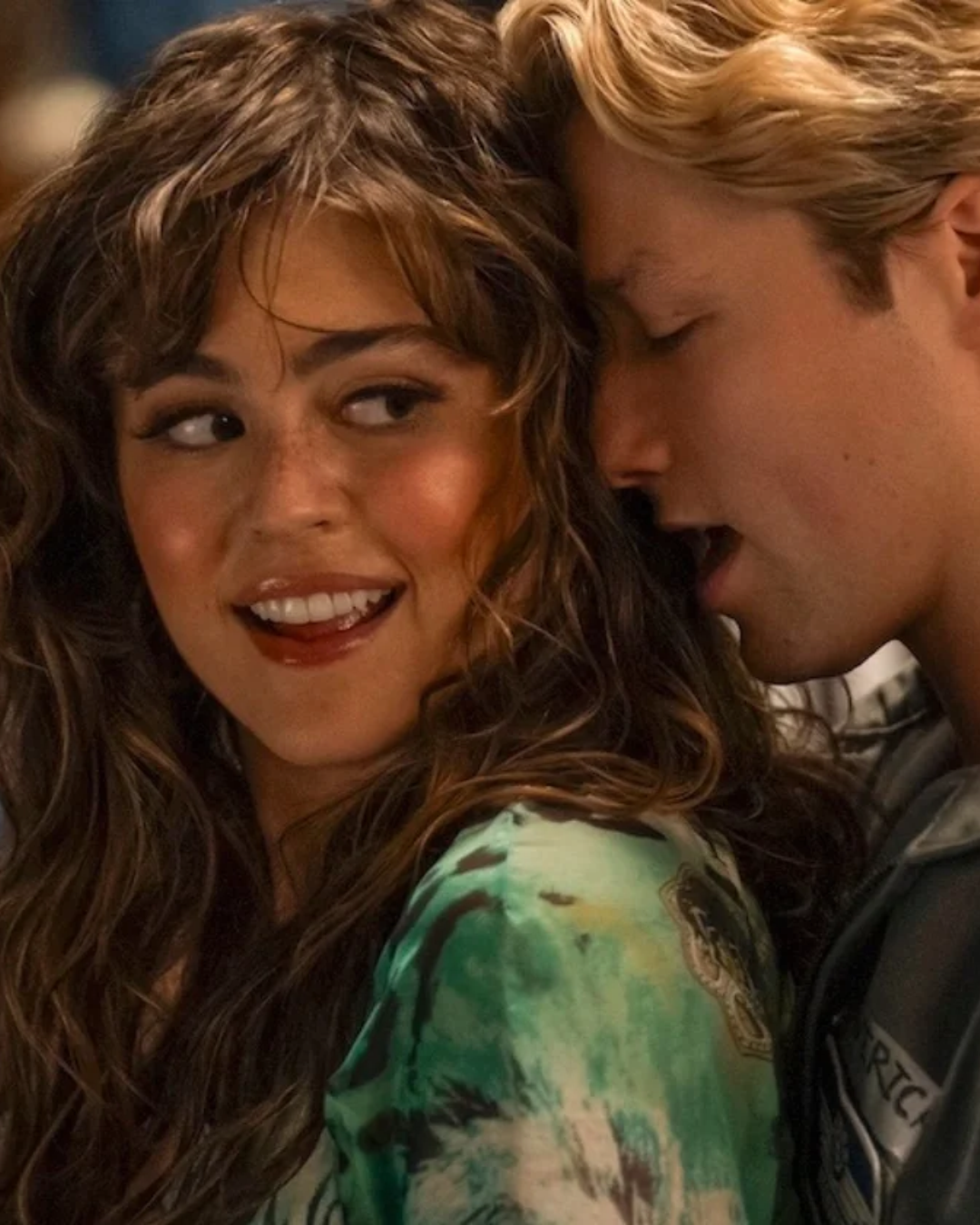
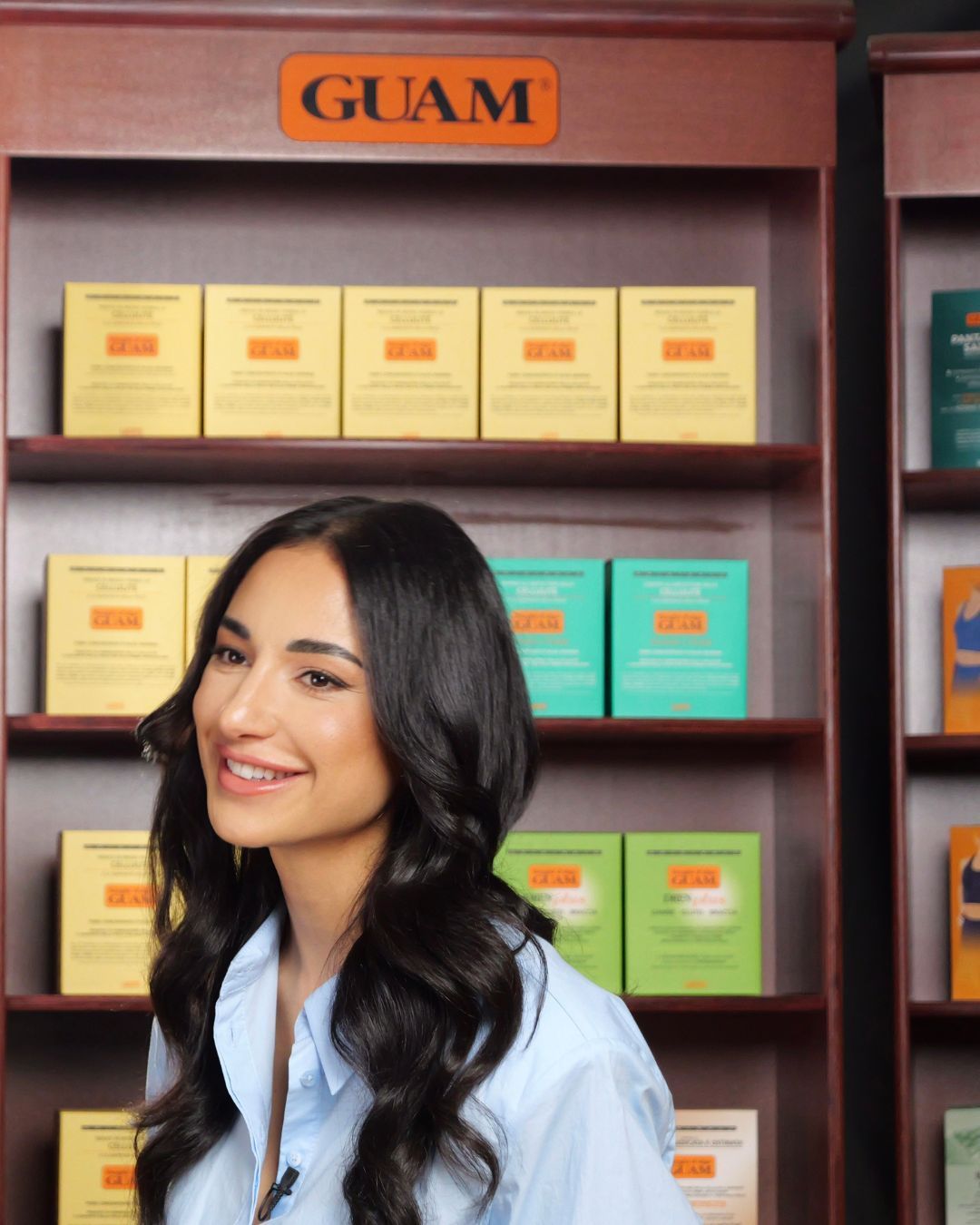
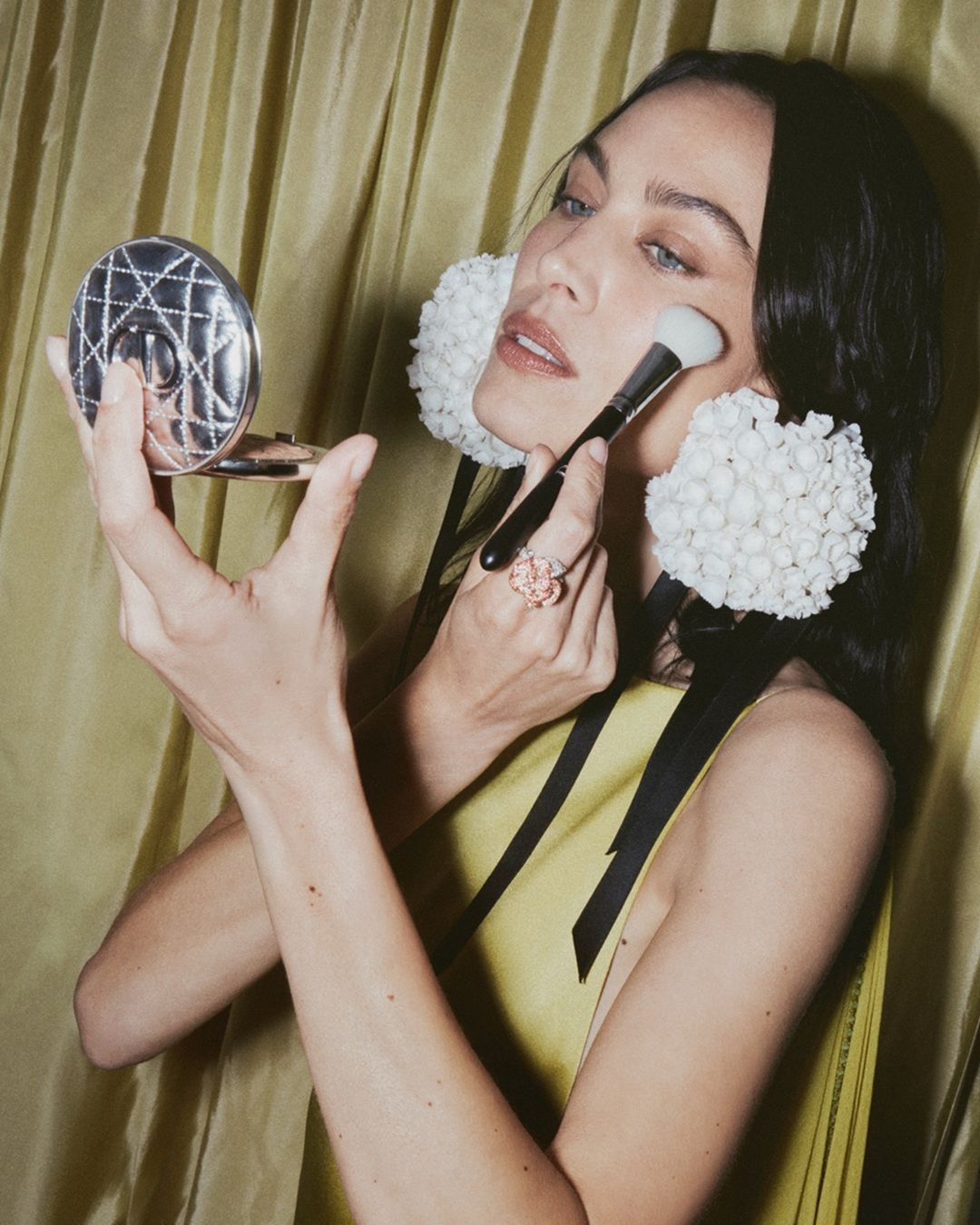
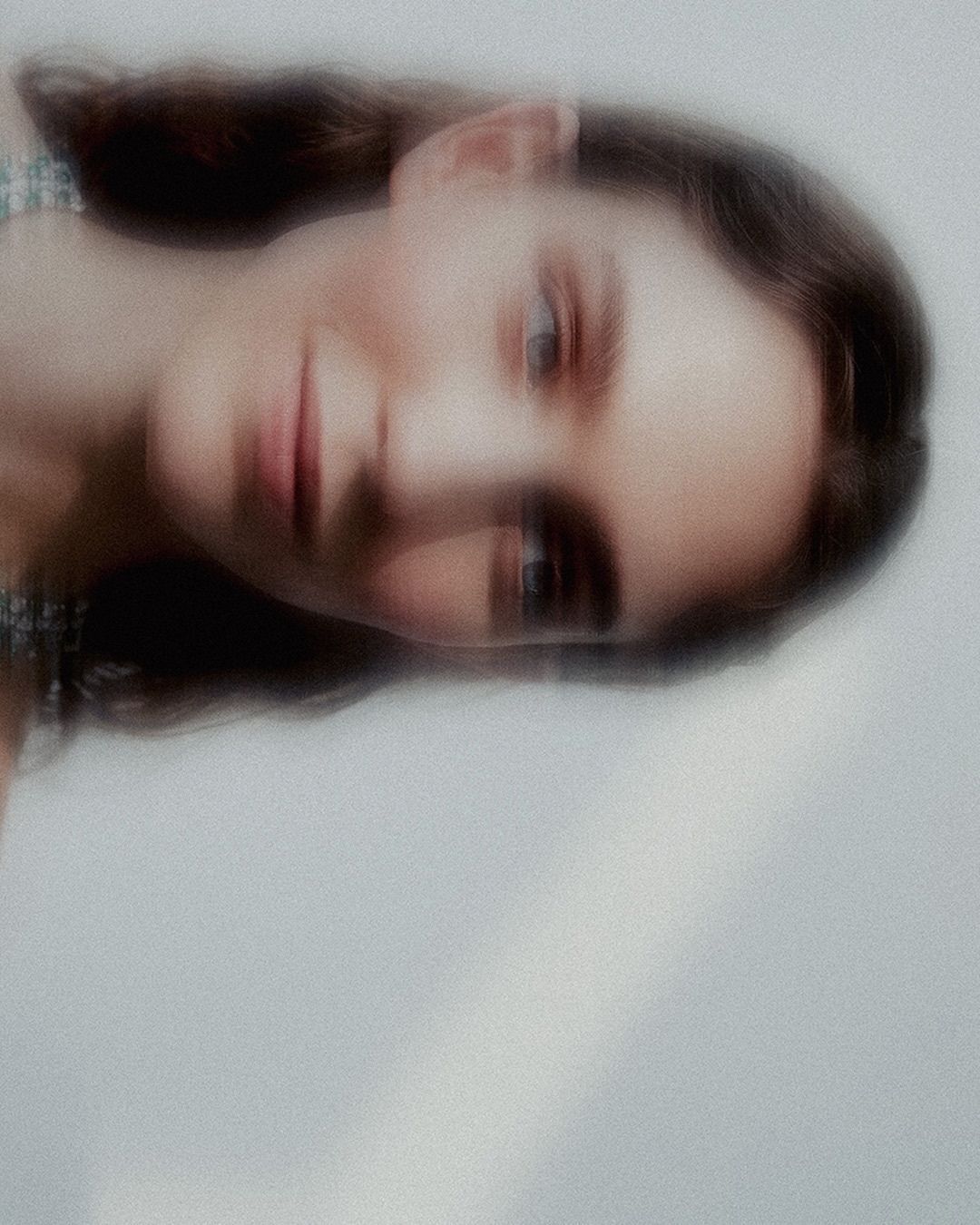
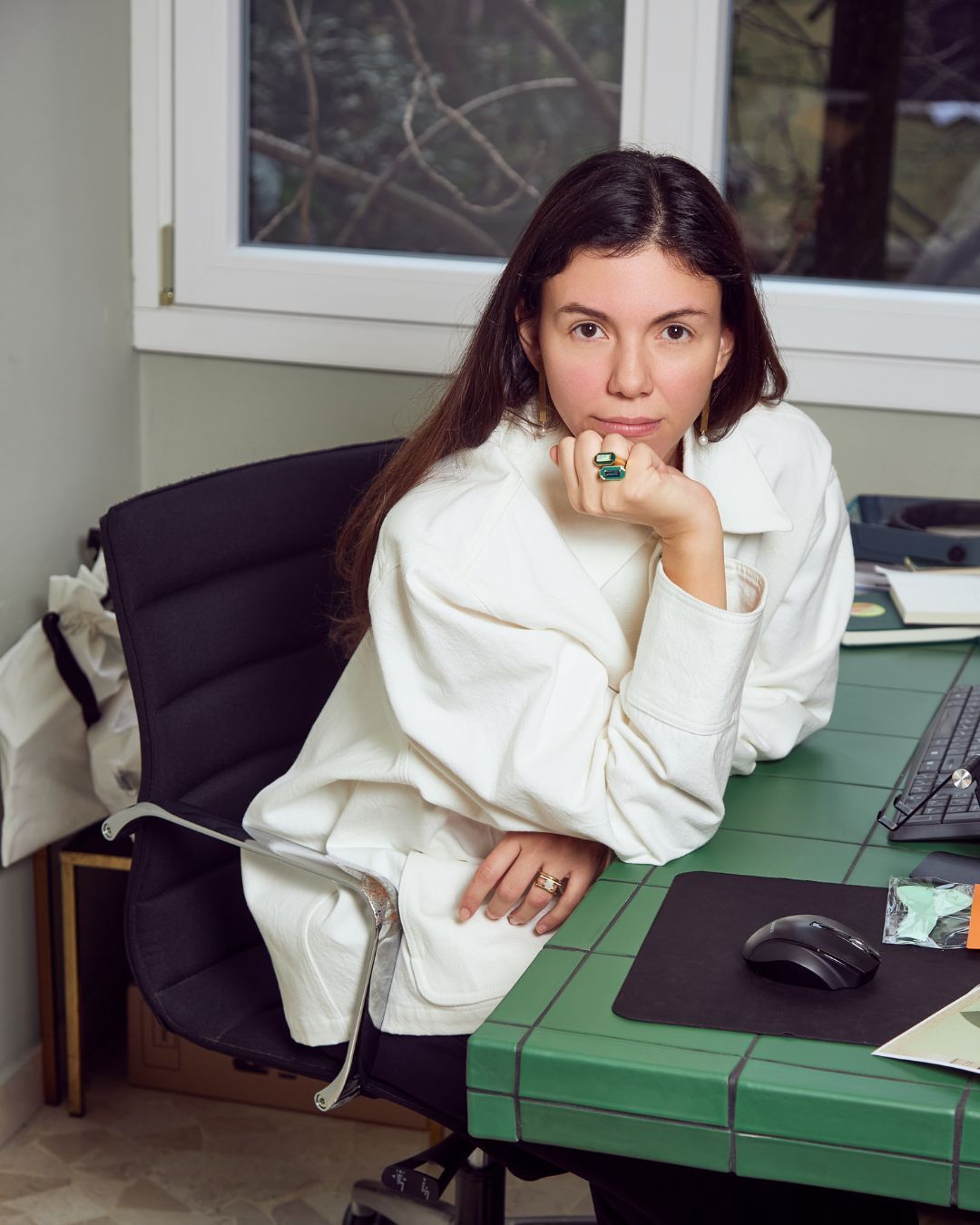
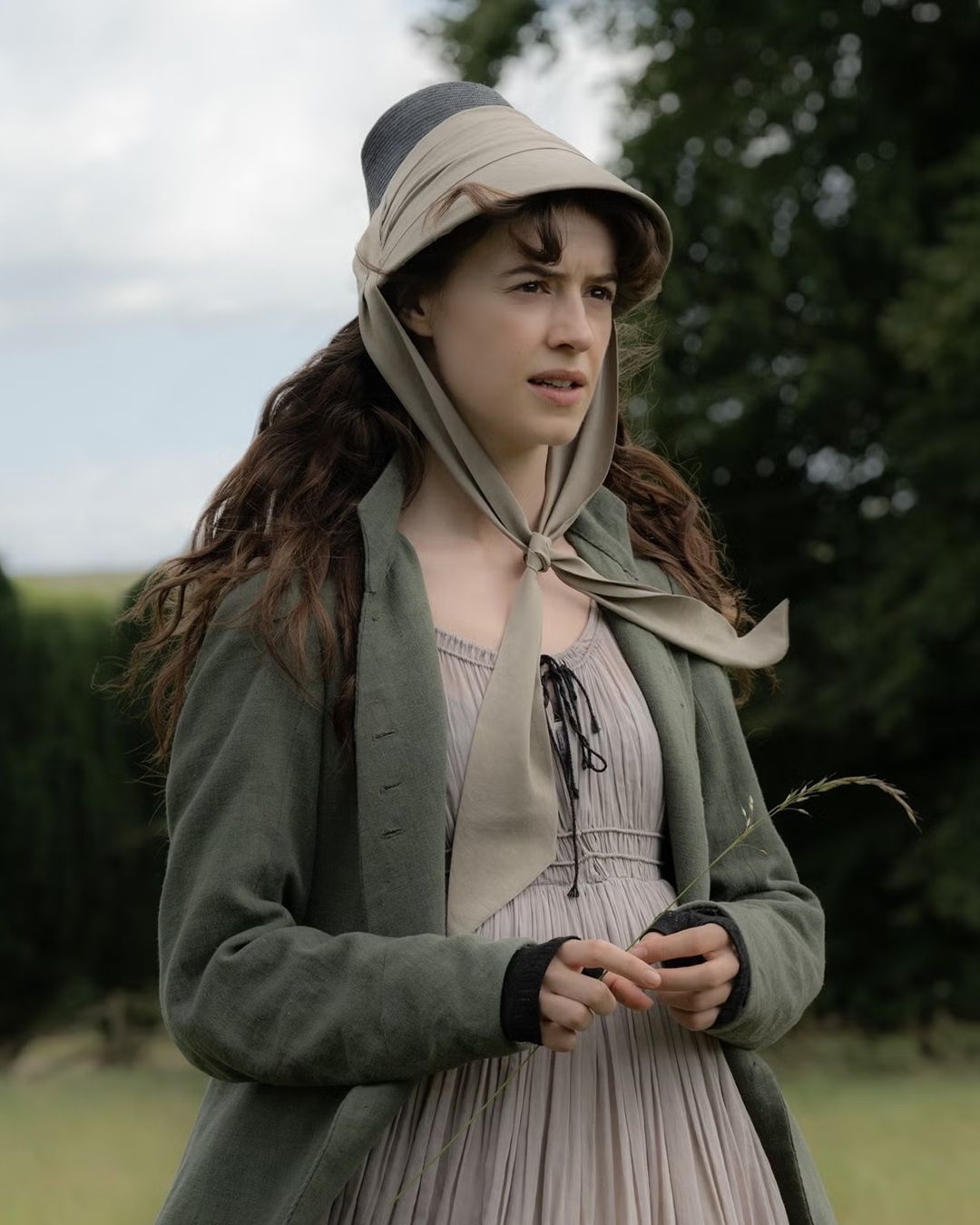
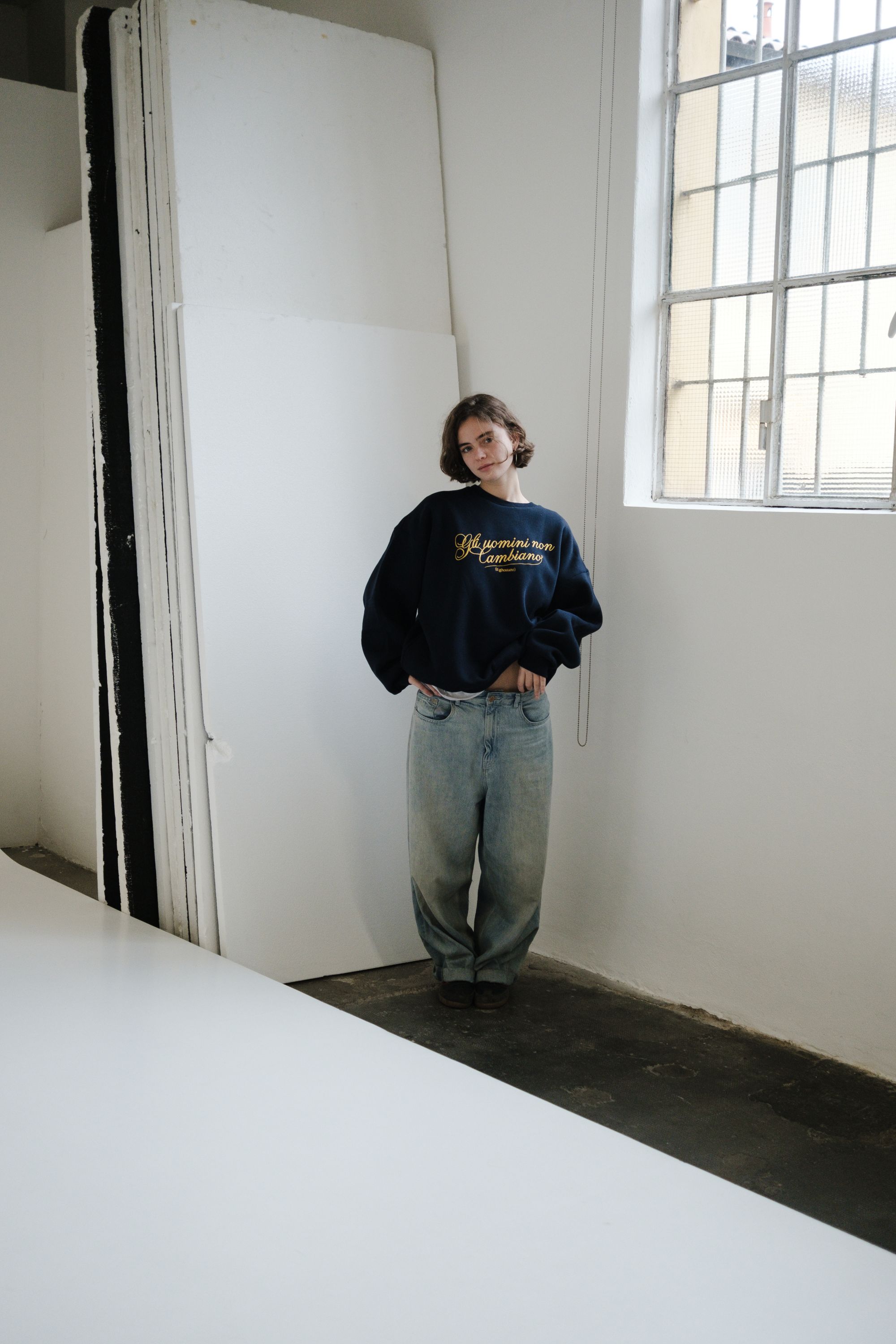
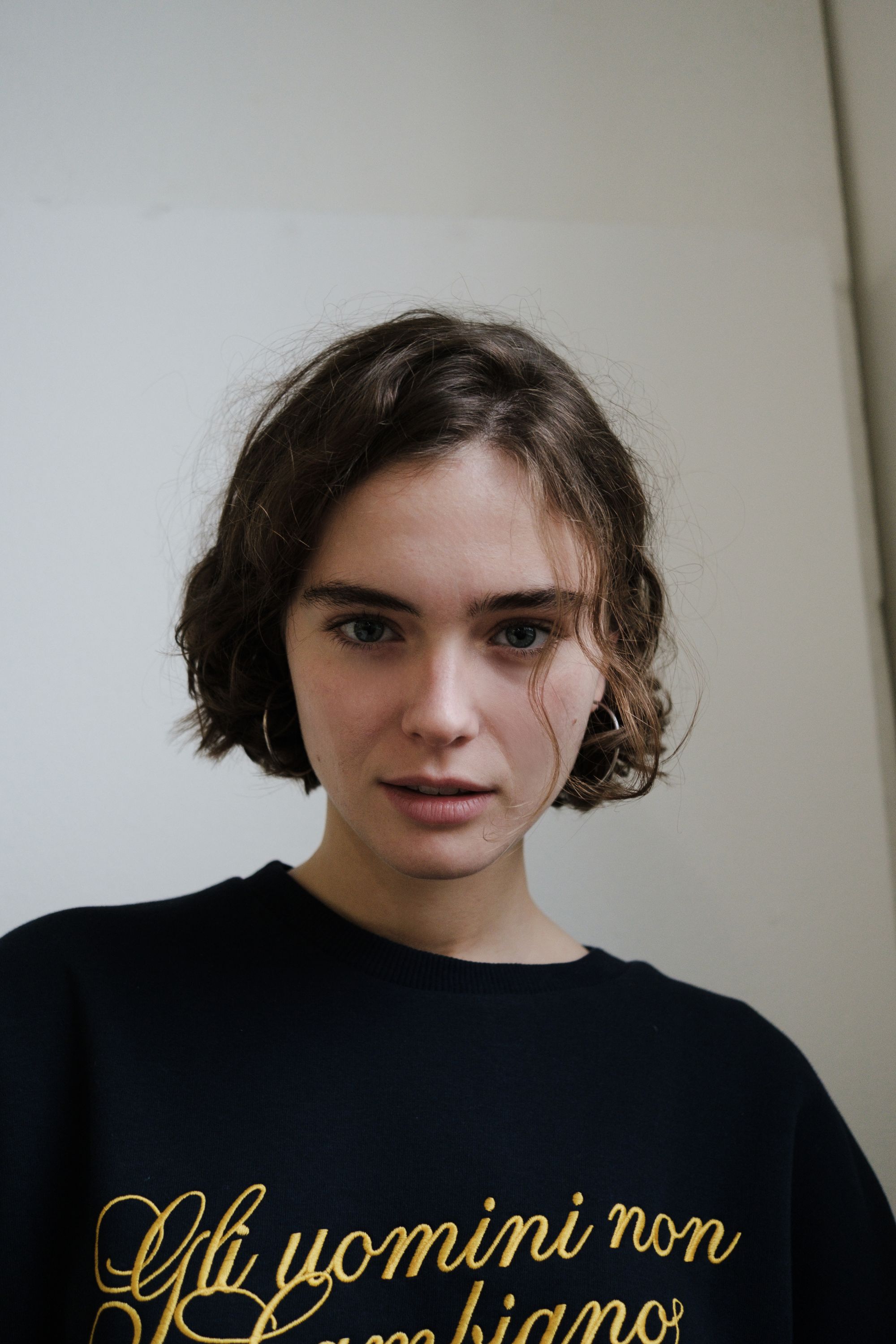
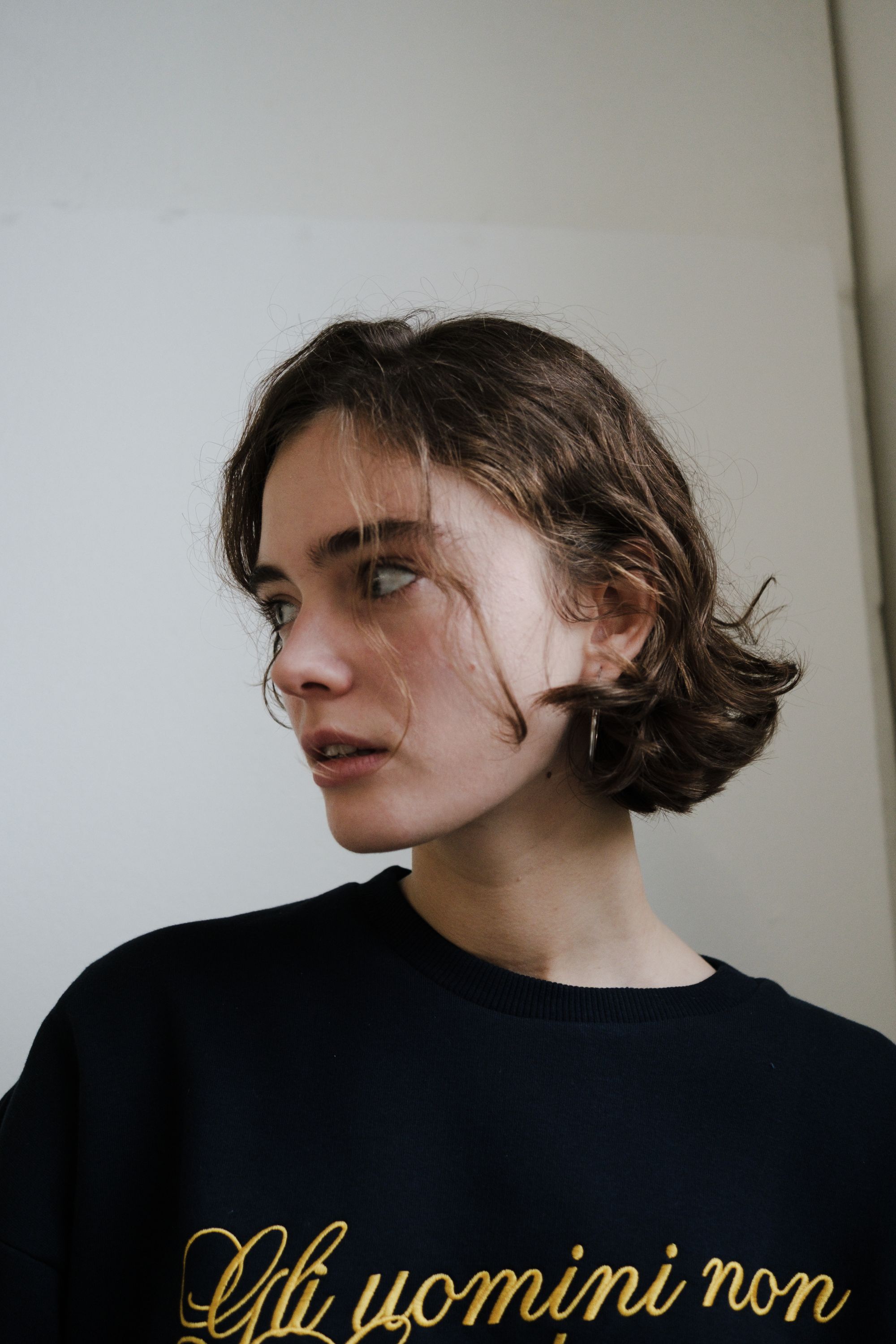
Caterina Ferioli arrives at our Milan offices on a gray day. After seeing her in the slightly ethereal atmosphere of Il Fabbricante di Lacrime, her fresh-faced, natural look is a breath of fresh air. Caterina is experiencing a very positive moment: a six-episode drama inspired by Don Antonio Loffredo has just premiered on Rai 1, titled "Noi del Rione Sanità," telling the story of the priest who revitalized a neighborhood in Naples. She plays Caterina, the daughter of a magistrate who reluctantly moves to the neighborhood.
Interview with Caterina Ferioli, from Il Fabbricante di Lacrime to Noi del Rione Sanità
Our interview begins with the story of "Noi del Rione Sanità." "It was an incredible experience, very different from anything I had done before. We shot the entire series in Naples. I had been to Naples only a few times, never worked there, and I got to know all the cast and crew. The series tells a beautiful story of resilience, of the rebirth of a neighborhood that was never one of Naples' prime areas," she tells us, adding: "With Don Antonio Loffredo’s help, they created this wonderful connection between the kids, the theater, and culture. It's the story of how culture can save lives."
A deeply human story, which naturally left a mark on everyone involved. "It was a set full of humanity. We had so much fun and bonded a lot. It's also the spirit of Naples, right? Sometimes, after finishing late on set, we would go eat pizza in amazing places in the Sanità neighborhood. On the last day, we had a party, and they lent me my character's clothes because I didn’t have anything suitable to go dancing." "Then I returned them," she adds, laughing.
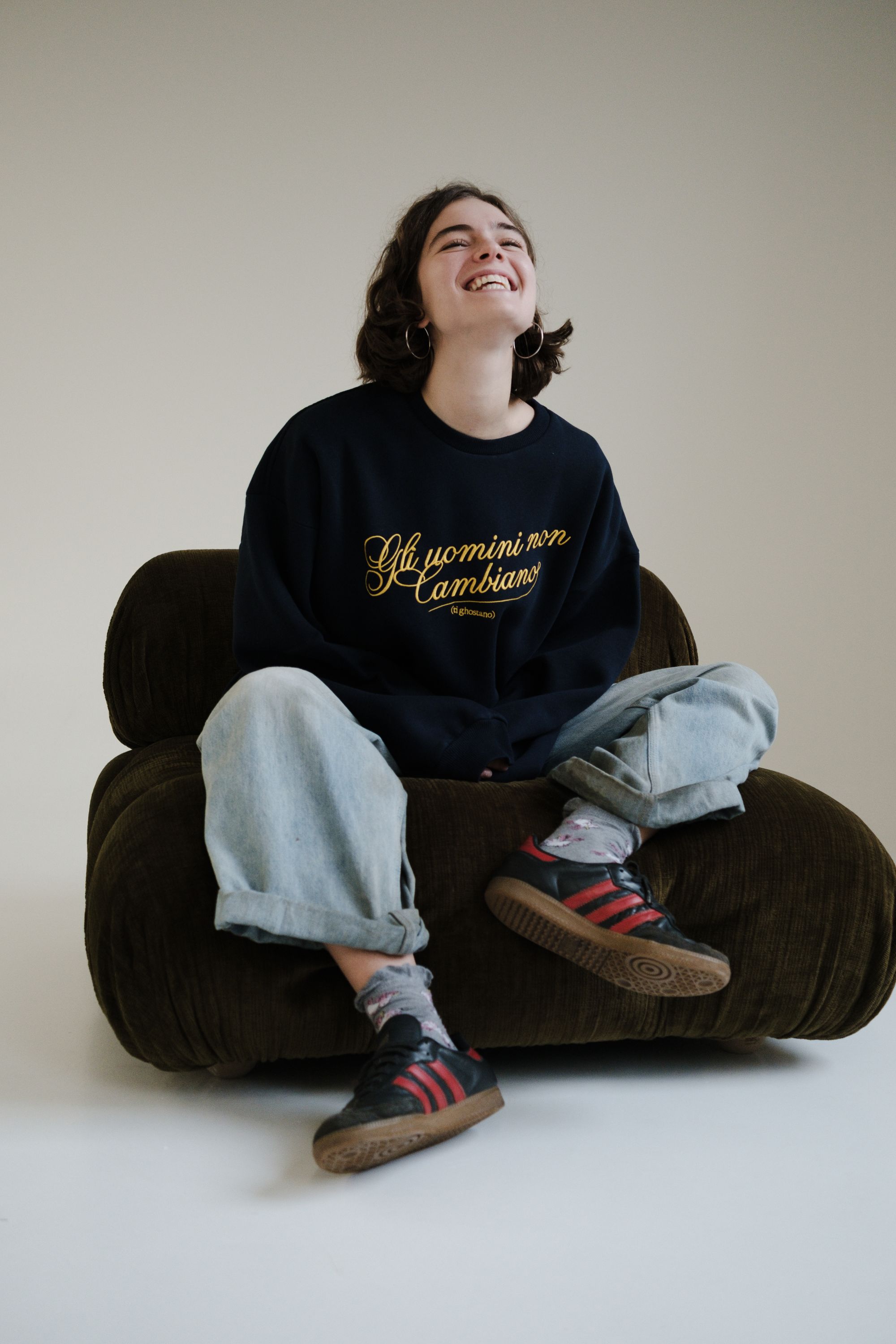
A significant change of perspective compared to her previous projects, although, according to Caterina Ferioli, the main difference lies in the timing. "When you move from cinema to a TV series, you have to prepare yourself psychologically to live in another place for six months. I underestimated that aspect. I once brought just a small suitcase for an entire production, thinking I’d be back on the weekend. It wasn’t like that," she admits, smiling. "The approach to the script, however, remains the same," she adds. "In a series, you have to pay attention to what happens a minute before and a minute after, so sometimes someone needs to remind you, but other than that it’s the same," she concludes, giving us an inside look at all the work hidden behind an audiovisual production.
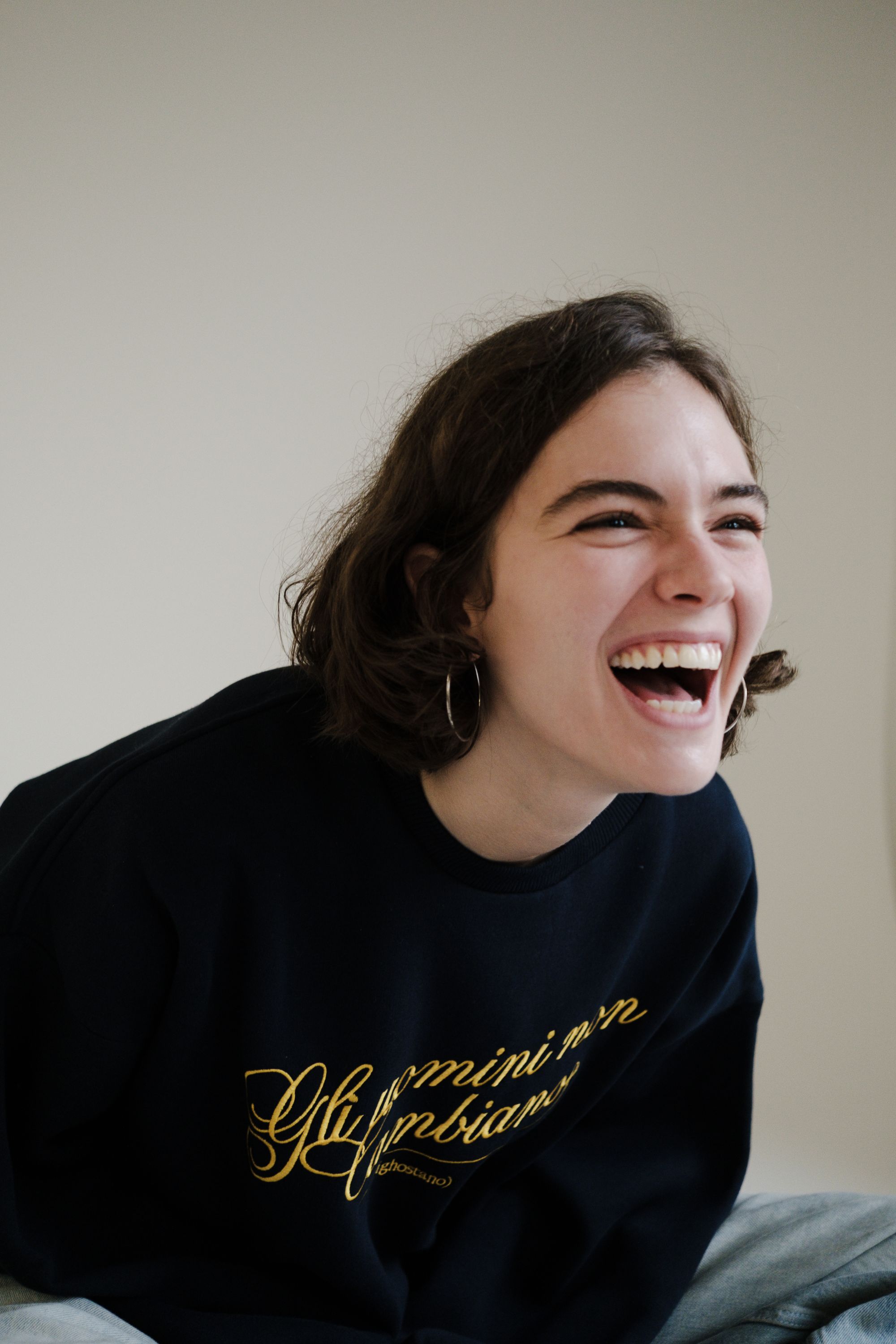
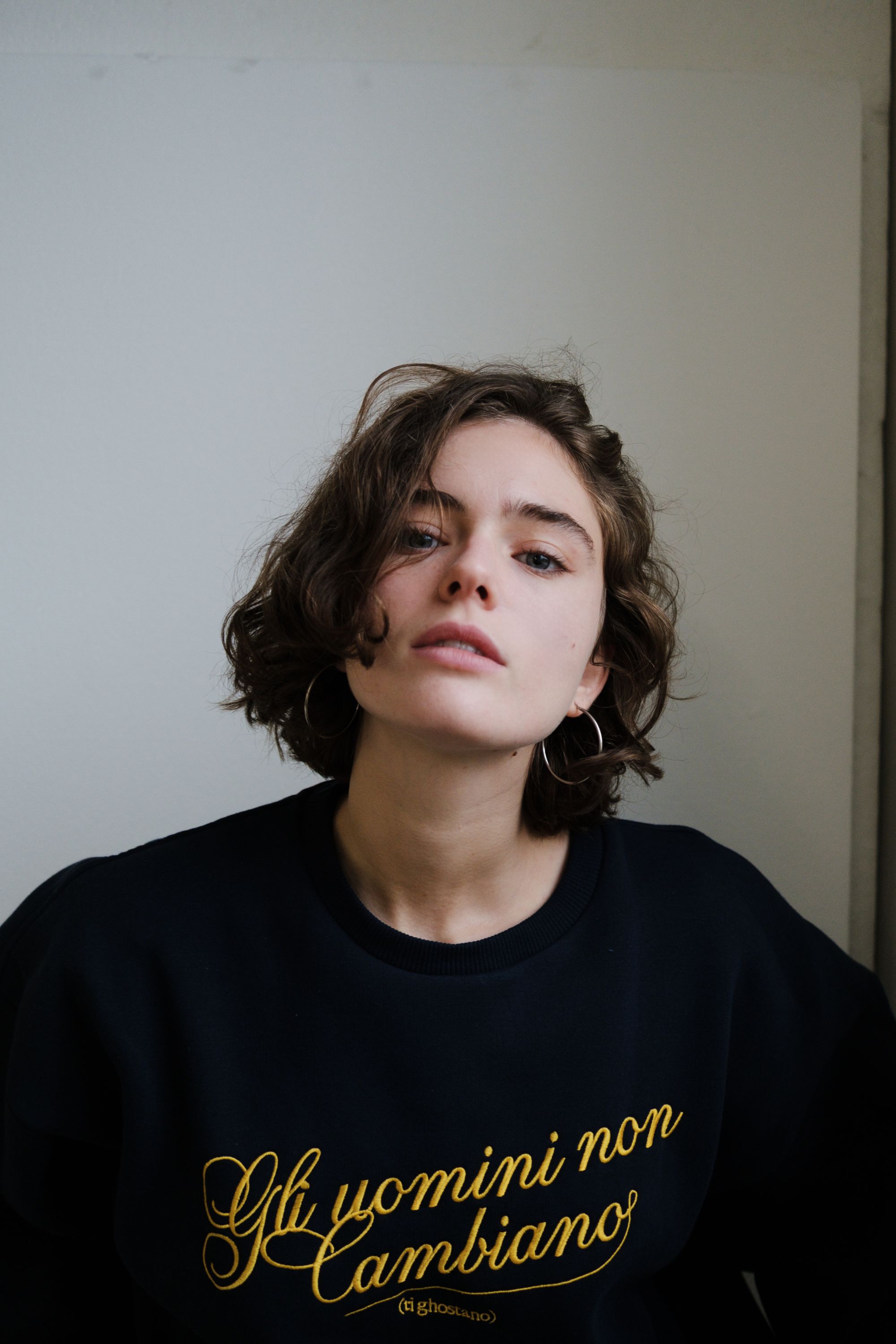
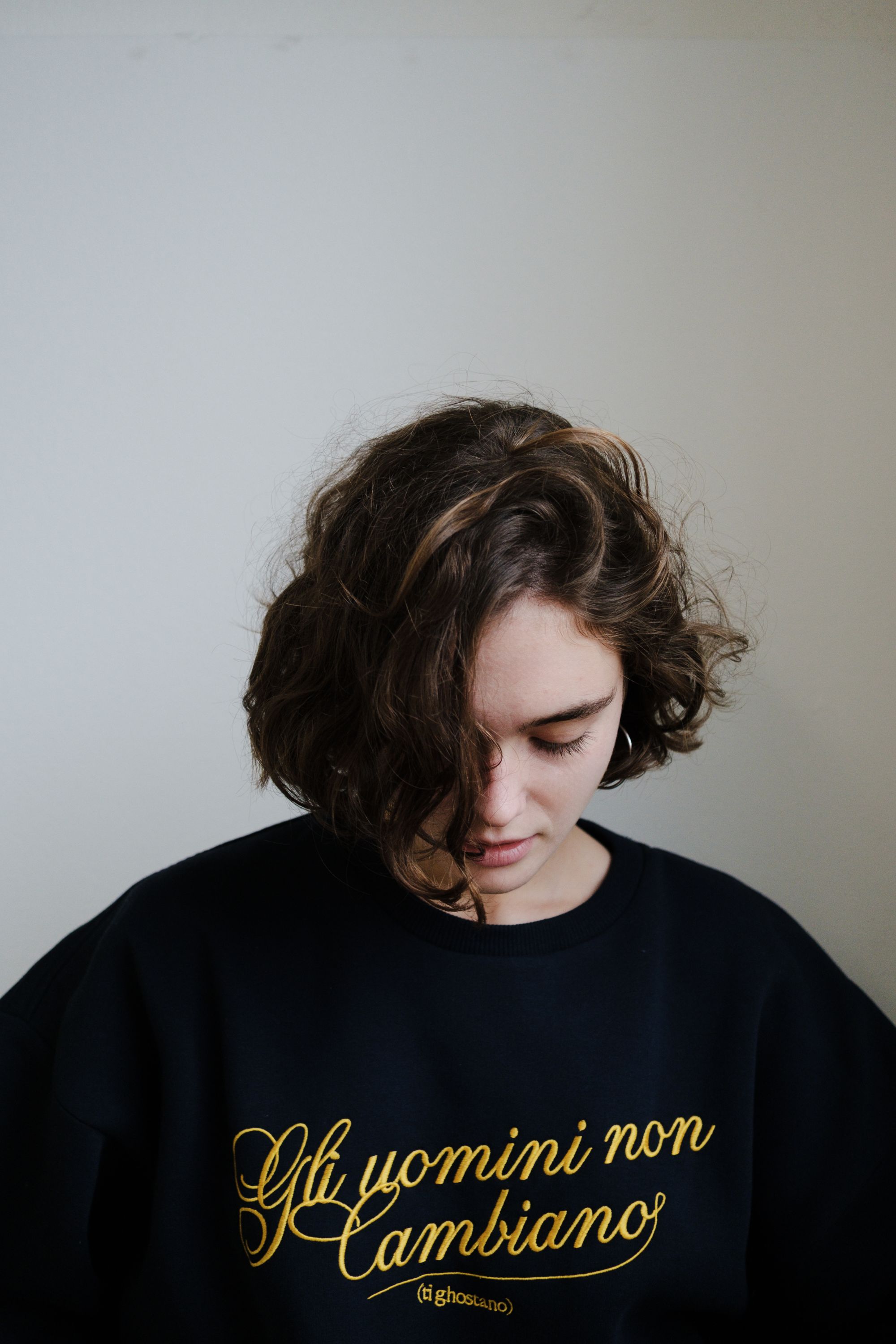
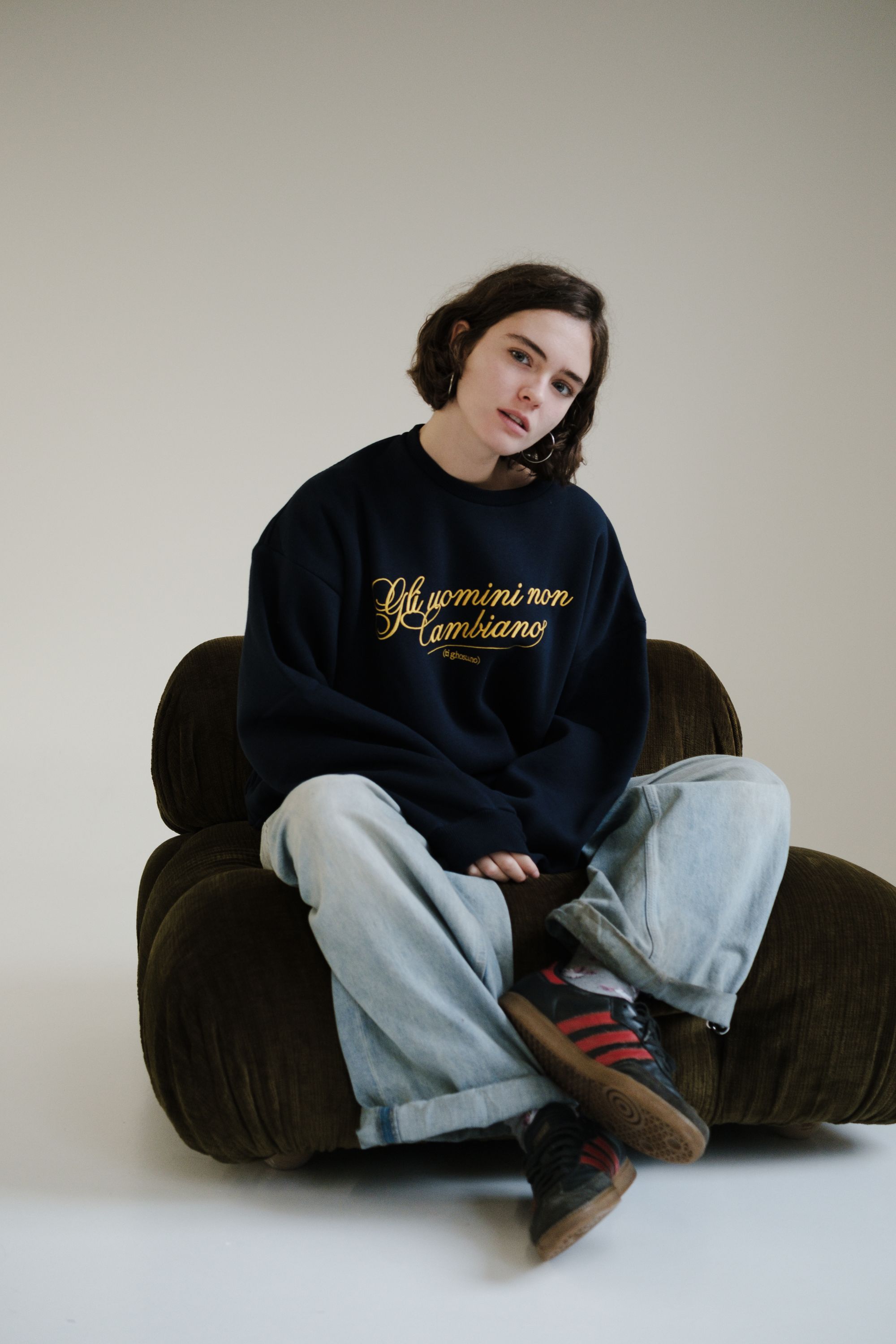
Throughout her career, she’s done many different things. Talking about how she chooses her projects, she speaks with great honesty: "You have to take what is good for both you and your path. You can’t say yes to everything, and you can’t say no to everything. Basically, as soon as I read something, I immediately know if I’d like to do it or not. I go very much by instinct, and of course, my agent helps me a lot."
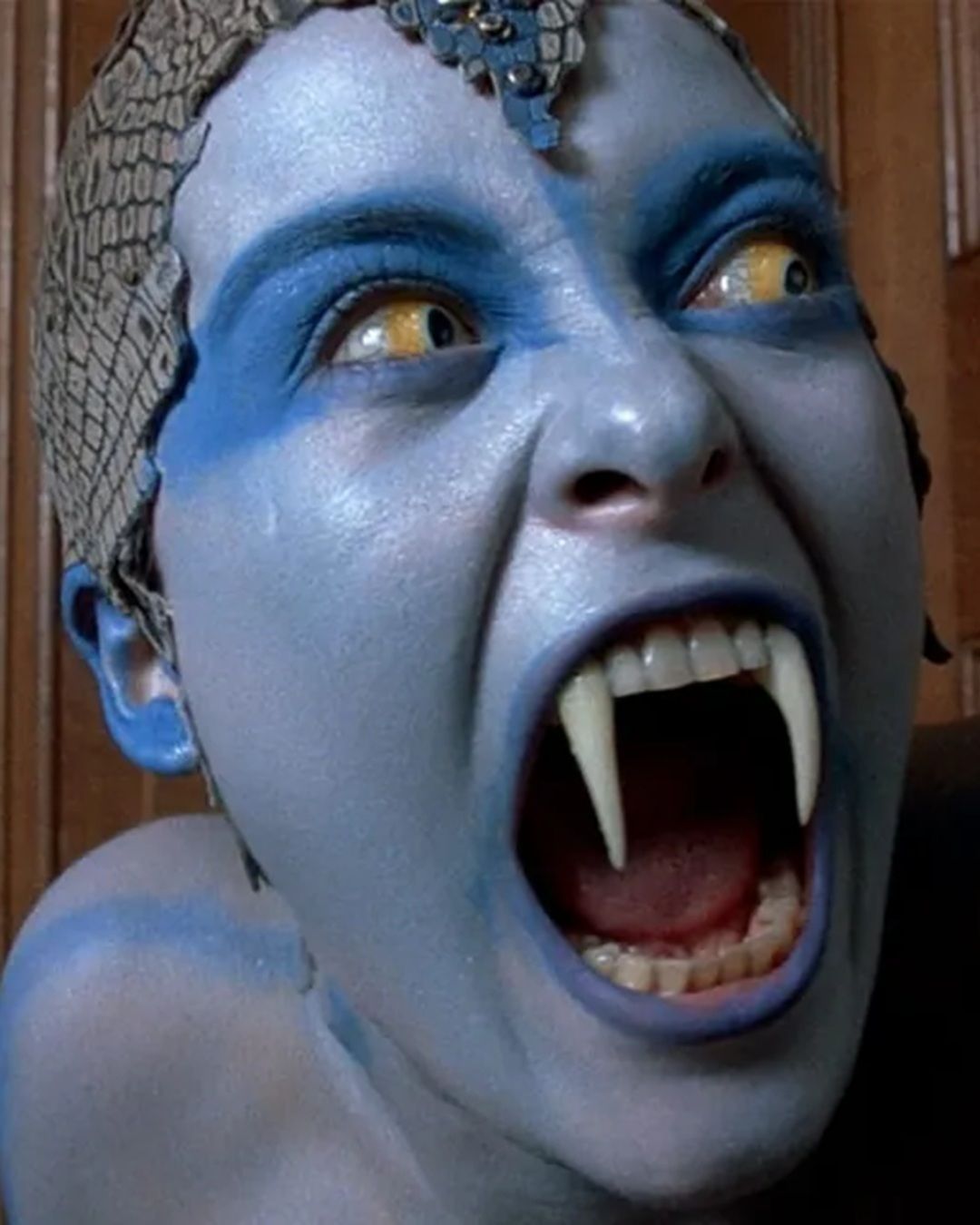
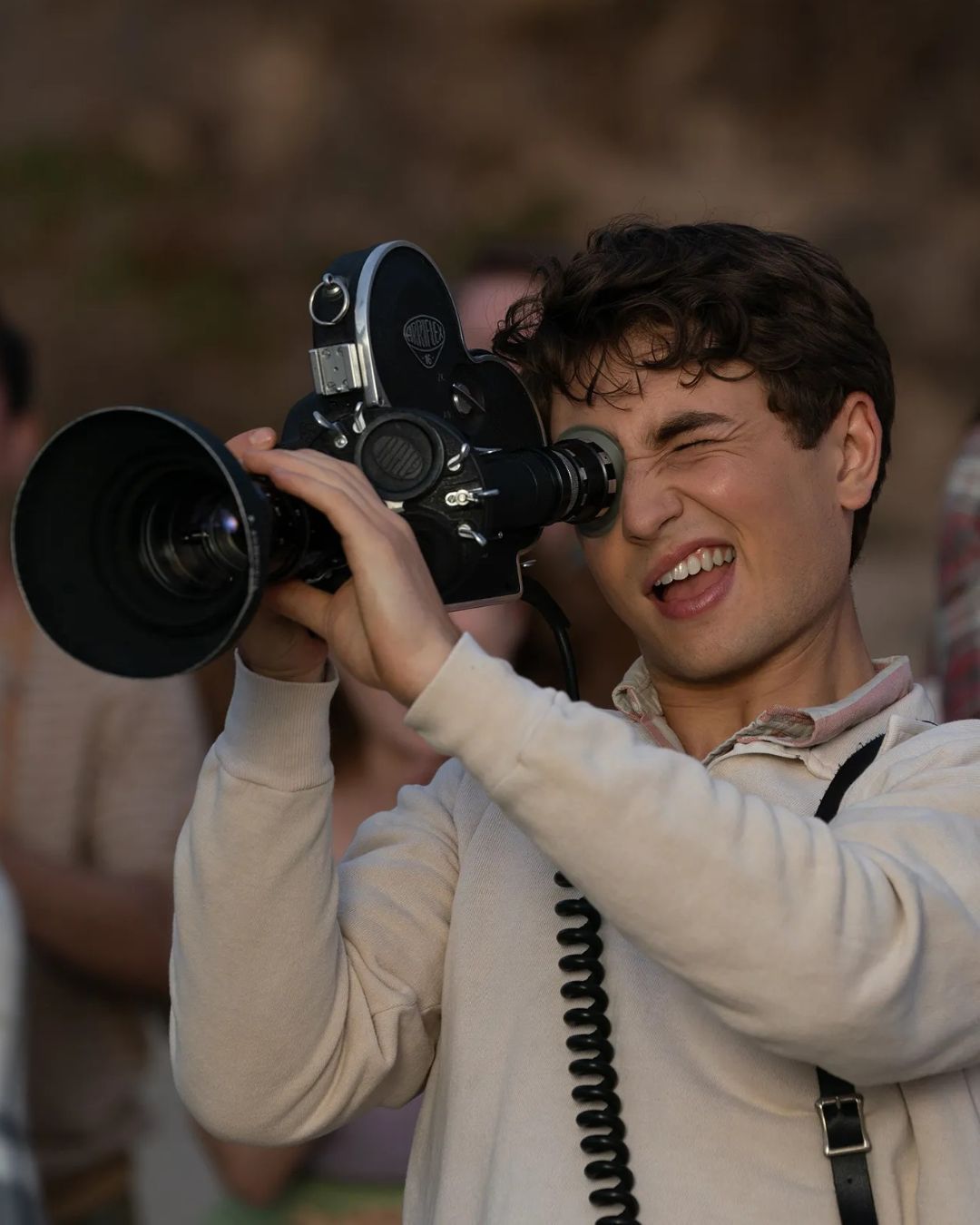
It’s inevitable that we move on to Il Fabbricante di Lacrime, a cultural phenomenon first as a book and later as a film, which gave her a strong, even international, boost. Maybe too strong? "Thanks to that project, I received a wave of amazing opportunities," she responds. "It was wonderful to see how big the world is, how many people wrote to me," but there’s a caveat: "I didn’t handle it well at first," she admits. "I had never acted before, never studied, I didn’t know what it meant to act in a film and the consequences of that kind of success. Even now, I still struggle sometimes, but we’ve gotten through it."
With success, her life has changed, but her approach to social media has not. "I’ve never been a heavy social media user, so I just continued doing my thing. If you look at my profile, what you see is me, from 2018 until now. Of course, there are new things too, when I work with a brand or promote upcoming projects. But usually, I post photos that make me laugh a lot and that’s it." A hidden side, in short, that doesn’t appear on screen, just like her vulnerability. "Sometimes, we’re subjected to unsolicited opinions because everyone thinks you’re untouchable, that everything is allowed because you’re on screen, and that you’re made of stone. But it should be clear that’s not the case." On the topic of vulnerability, we also ask her for a book or movie that has made her laugh or cry. Two titles: La Porta by Magda Szabò and Bird, a film from the Cannes Film Festival, written and directed by Andrea Arnold.
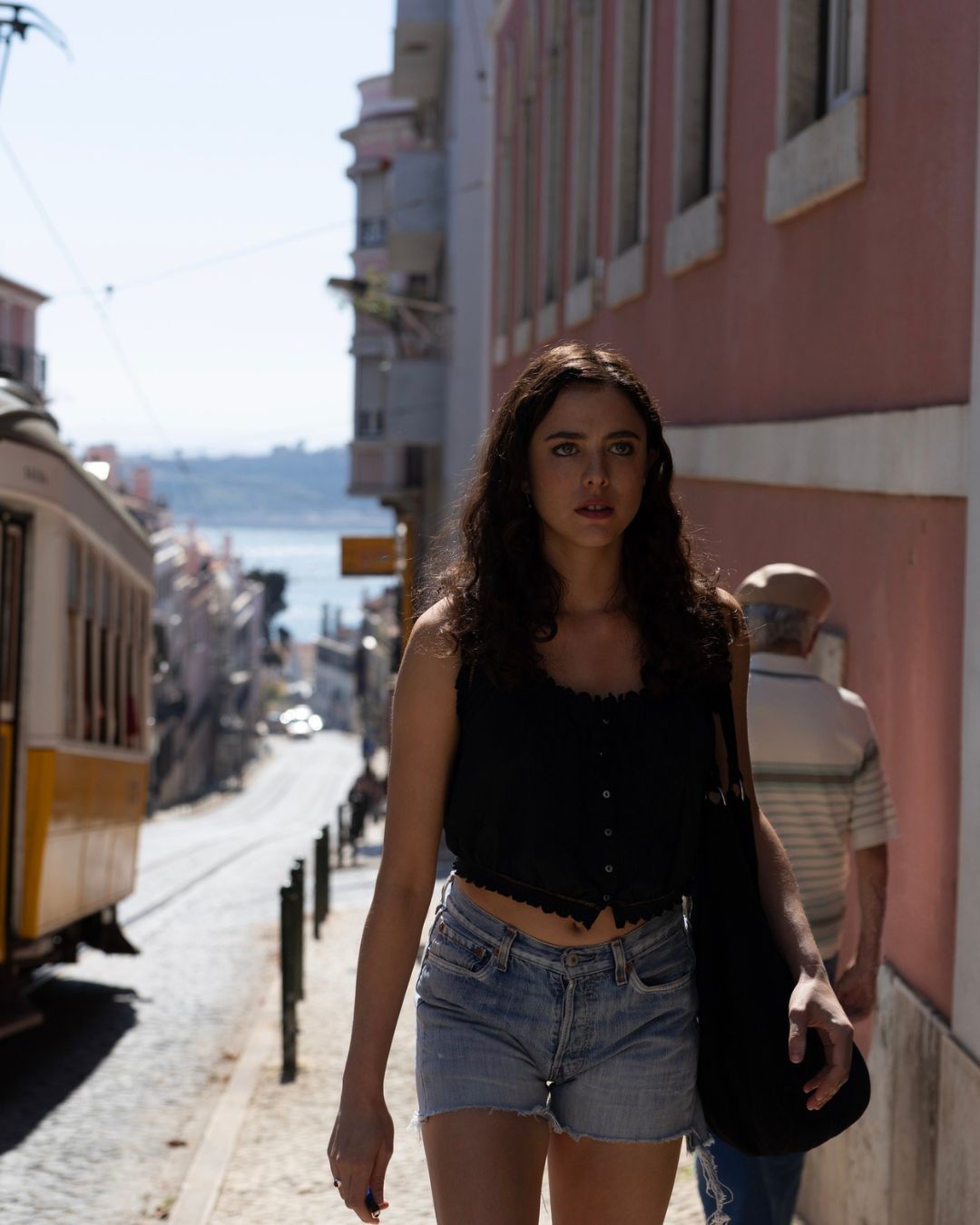
Looking ahead, she dreams of a pleasure trip to recharge. Yet her aspirations and dreams remain very much alive. "If anything were possible, I’d love to work with Valeria Golino and Valeria Bruni Tedeschi. I’ve always admired them, they’re my favorites. And why not, a film with Margaret Qualley," she concludes.
What to read next
Miu Miu's commercial boom is coming to a halt
The rest of the Prada Group, however, is holding up well
Liu Jo presents “The Gigi Hadid Edit”
The project that transforms selection into an identity gesture