















































The Pélicot case continues to be a talking point Shame must change side, but to which side exactly?
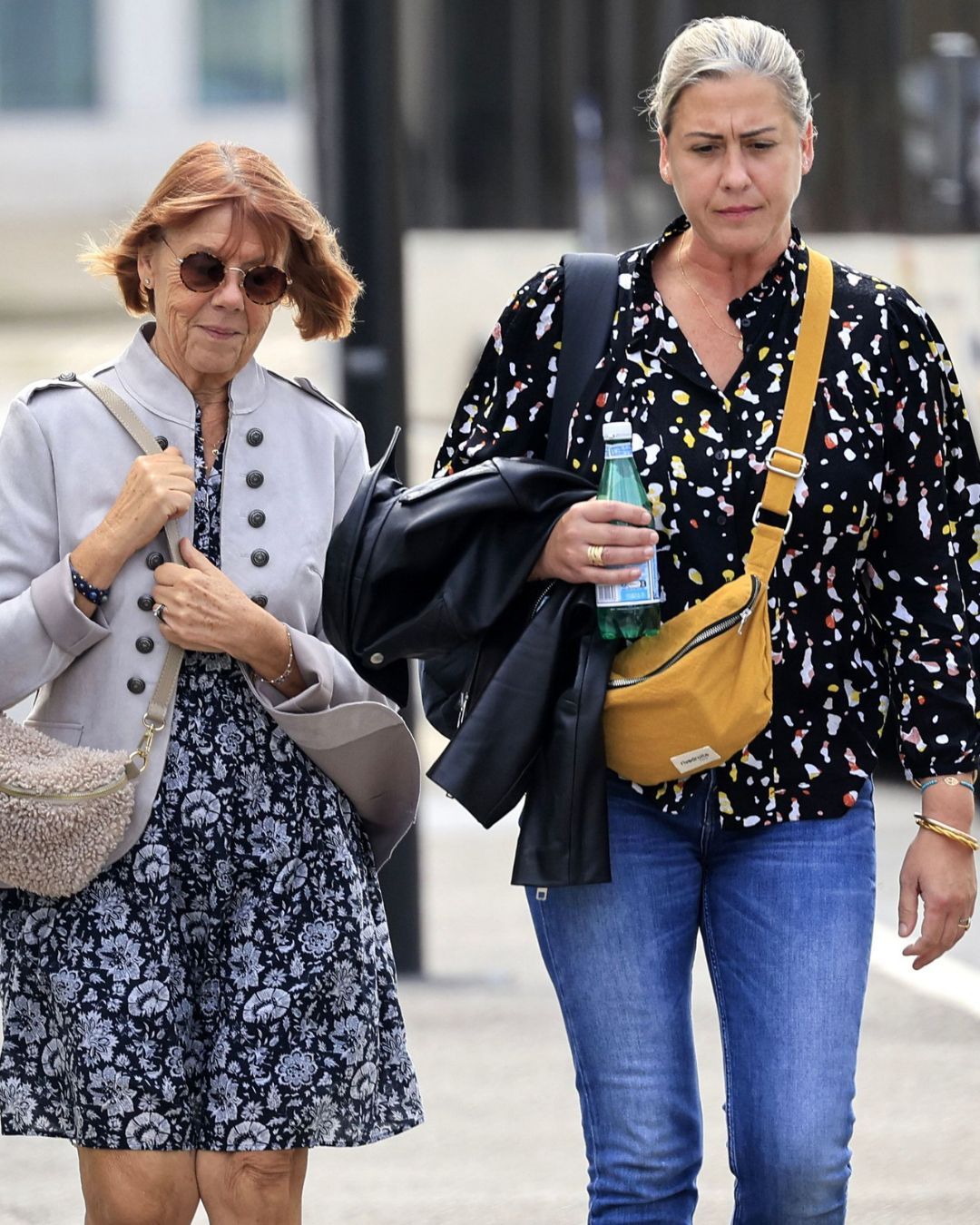
A few days ago, months after the end of the trial of the Mazan rape case, which sentenced Dominique Pélicot to 20 years in prison for having performed chemical submissions on his wife, Gisèle Pélicot, and invited about fifty strangers into their home to rape her for nearly a decade, a breach reopened. For although the case was closed last December, the damage to Gisèle Pélicot and her family will remain a gaping wound forever. This is what Caroline Darian, daughter of Gisèle and Dominique Pélicot, explained a few days ago in an interview with the British newspaper The Telegraph. Caroline is no longer called Pélicot. She no longer calls her father “dad,” as she explains in her book with the evocative title And I Stopped Calling You Dad. In fact, she no longer calls Gisèle “mom” either, she doesn’t call her at all anymore, since the two women have now cut ties. Caroline is now a Darian (a mix of her two brothers’ names, David and Florian). She blames Dominique, but also Gisèle, and that is something readers and internet users are not ready to hear.
After Dominique Pélicot was caught in 2020 filming under a woman’s skirt at the supermarket, the police found true horror movies on his phone and computer. In addition to discovering that Pélicot spent nearly ten years drugging his wife to bring strangers from the internet into their home to rape her and film it all, the police also found photos of Caroline, one of their three children, unconscious, in strange positions and wearing only a pair of panties that didn't belong to her. Throughout the trial Caroline stood by her mother, held her hand, testified. But when these photos and Skype chats suggesting they were sent to strangers were revealed in court, Gisèle struggled to believe it and did not give her the same kind of support. “Do you know what my mother told me several times in the courtyard outside during the trial? Stop putting on a show,” Caroline told the Telegraph journalist. “My mother let go of my hand in that courtroom. She abandoned me.” she continued.
Since the discovery of the facts and the beginning of the trial, Caroline has naturally established herself as the spokesperson of the case. She tours TV shows and speaks around her and on social media about her book. But instead of receiving the same support as her mother, she is accused of having the “main character syndrome”, even of exploiting her mother and her tragic fate for money. Her testimony for the British newspaper also sparked public outrage, with comments like “it was her mother who was assaulted, not her”, “cry cry my mom doesn’t want me to get all the attention”, or “there are other people who have suffered equally terrible and violent things in their lives and don’t make it a business”. But if hate must change sides, shouldn’t it be directed towards the criminal, the rapist, the guilty, rather than towards a forgotten victim?
La fille de Gisèle Pelicot me fait de la peine. Elle avait tte légitimité à occuper l’espace public avec sa parole. Mais elle a été réduite au silence par ce besoin collectif de construire une héroïne “pure”,sans de contradictions, qui incarnerait la cause féministe sans fissures
— Hashilé | Omoge (@sankurienne) August 26, 2025
The situation is delicate, even thorny. While one could blame Mrs. Pélicot for not giving her daughter the unwavering support she herself received throughout her trial, it is difficult to reproach a woman who lived a true nightmare, must strongly prefers denial, and will likely never recover in a single lifetime. On the other hand, it is also hard not to feel empathy for Caroline, who, much more than collateral damage, is also a victim not only of one of the worst sexual predators France has ever known, but also probably of incest, or at least of an unforgivable betrayal. Who is right, who is wrong? Between Gisèle and Caroline, neither is entirely right or entirely wrong. The wrong will forever be attributed to Dominique Pélicot and the fifty men who took part in this abomination. Even though for the public, it seems easier to condemn the victims, women, and their reactions to the unthinkable, rather than the men who made the unthinkable conceivable, feasible, and then realized.
