






















Reverse catfishing: the strategic allure of ugliness Authenticity or just another mask to be liked?
Okay. Stop for a moment. Pause that podcast about the true identity of Jack the Ripper and take a moment to think. What photo do you have on your Tinder, Bumble, Hinge, Grindr, or whatever other algorithmic playground of modern love you use? A meticulously curated selfie, with perfect lighting, a slightly raised chin, and flawless hair? Or did you play the irony card and wear a banana costume? Maybe it’s a blurry, dark, indecipherable shot where your shadow is barely visible? What if it’s… just your piglet in a tutu? Or worse, your vintage mug collection? Well, if you made this tough decision before the big pandemic boom and the BeReal era, you probably followed the unspoken rule of dating apps: look your best, seem interesting, attractive, brilliant. White smiles, photogenic vacation backgrounds, hobbies handpicked to appear cool, and carefully staged poses. The bio? A lethal combo of sarcasm, pop culture references, and three obsessively chosen emojis. It was all one big casting call, where the one who performed best won. Or at least, that’s how it seemed. Then something broke. The too-perfect images started looking all the same. Online dating turned into a string of clichés with too many special effects and not enough plot. And it’s precisely from that hyper-curated boredom that an opposite, almost punk trend was born: reverse catfishing.
What exactly is reverse catfishing?
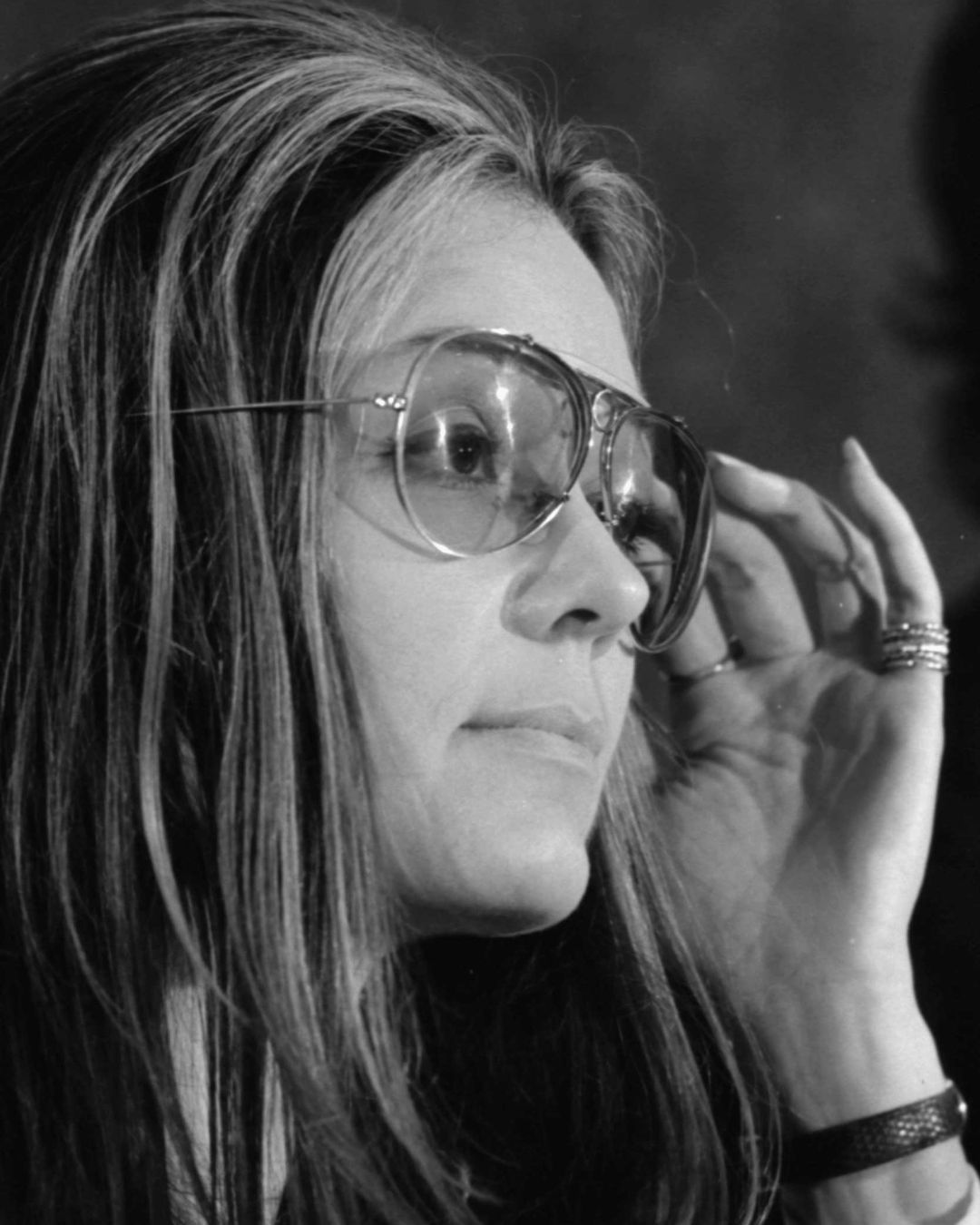
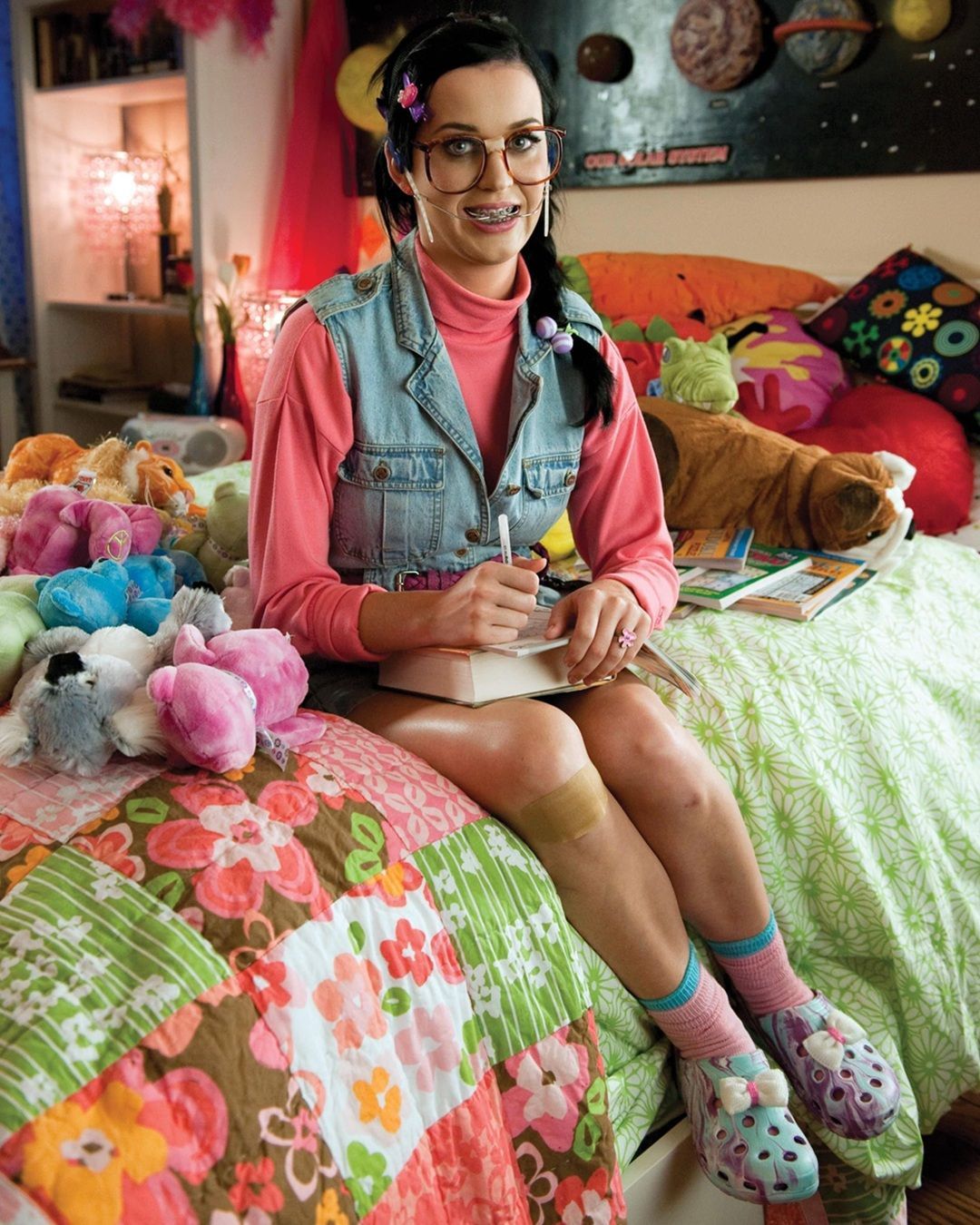
Unlike classic catfishing, where someone pretends to be more attractive, more charming, or even a completely different person, reverse catfishing is about deliberately presenting yourself as less attractive than you really are. Yes, exactly: the secret is to make yourself look worse. Carefully choose your worst photo, the one with your eyes closed, bad lighting, and a weird facial expression. Pair it with the most minimal, anonymous bio possible. Intentionally hide all the interesting details, from career achievements to your sculpted abs. Why do it? Maybe to filter out the filters. To see who chooses us despite everything. To step away from the circus of appearances. Or, perhaps, for the most human reason of all: because we need someone to really see us. For real. Even if we’re in pajamas. Even if the photo shows us with our eyes closed and acne patches on our face.
@hotlinefab Reverse Catfishing EXPLAINED! Yes it works, but you gotta be careful cuz it can backfire. Check out this video for how it works and whether you should try it or not. #greenscreen original sound - HOTLINEFAB
Authenticity or a new form of manipulation?
For many, reverse catfishing is based on the logic of low expectations = wow effect. Show your worst version, and when you meet in person, well-dressed, smelling great, and with make-up on... boom! Love at first sight. Your date is surprised and enchanted. But there's more. Gen Z sees this aesthetic rebellion as a way to create more authentic connections and filter out superficial expectations. Too bad that downplaying your online appeal isn’t really a gesture of radical honesty or a declaration of independence from appearance culture. Because on dating apps, we’re all products. Even when we try to appear "real," we’re still choosing how to sell ourselves. So, reverse catfishing, no matter how romantic it might sound, is still part of the game. It’s a strategy to stand out, just like glossy, shiny profiles once were. Only now, anti-marketing is the new marketing.
@juliawarter Lil backstory: we matched on Hinge and he was much more handsome than his photos. This is a first for me… am i the only one? #hinge #onlinedating #datingstorytime #datinglife #single #catfish original sound - Julia | Mindful Wellness + IBS
Is imperfection the new filter?
In a world where everyone wants to be real but no one wants to be boring, reverse catfishing fits perfectly into the overall performance anxiety. Even when we whisper that we want to seem interesting in our (fake) disinterest, what we’re really screaming is that no one wants to be invisible. And those who use dating apps know perfectly well: even in reverse catfishing, choosing "ugliness" is strategic. A clever way to say “I don’t care,” while in reality, we care a lot. And it works, sure. Sometimes it surprises. Other times, it can be disorienting, or even irritating. And we wonder: why not just show everything as it is, without pretending to be better or worse?
@sidghst is this wrong idk #greenscreen #greenscreenvideo #ghostedapp #dating #relationships #relationship #datingtips #trend #girldrama #girlypops #cheating #drama #forthegirls #genz #datingadvice #boyfriend #boyfriends #genzdating #genzadatinghacks #datinghacks #romance #romantic #dramatic original sound - Sid
So… can we really trust anyone?
Every profile is manipulative. Even the honest ones. Because selecting, narrowing down, picking one photo out of a thousand, or writing a 150-character bio is already an act of curation, of storytelling. And every story has a strategy, even when it claims it doesn’t. So, if digital authenticity is an oxymoron, how can we tell if this “ugliness” is genuine? If the person behind that humble profile truly wants to be seen for who they are... or if they’ve just found a new way to be liked? We’ll never really know. Not completely. We’ll find out over time, through interaction, in the offline meeting, in the consistency between words and actions, in the slowness of real gestures.