








































Do you know how Tinder was born? On Disney+ comes the movie "Swiped" about its co-founder Whitney Wolfe
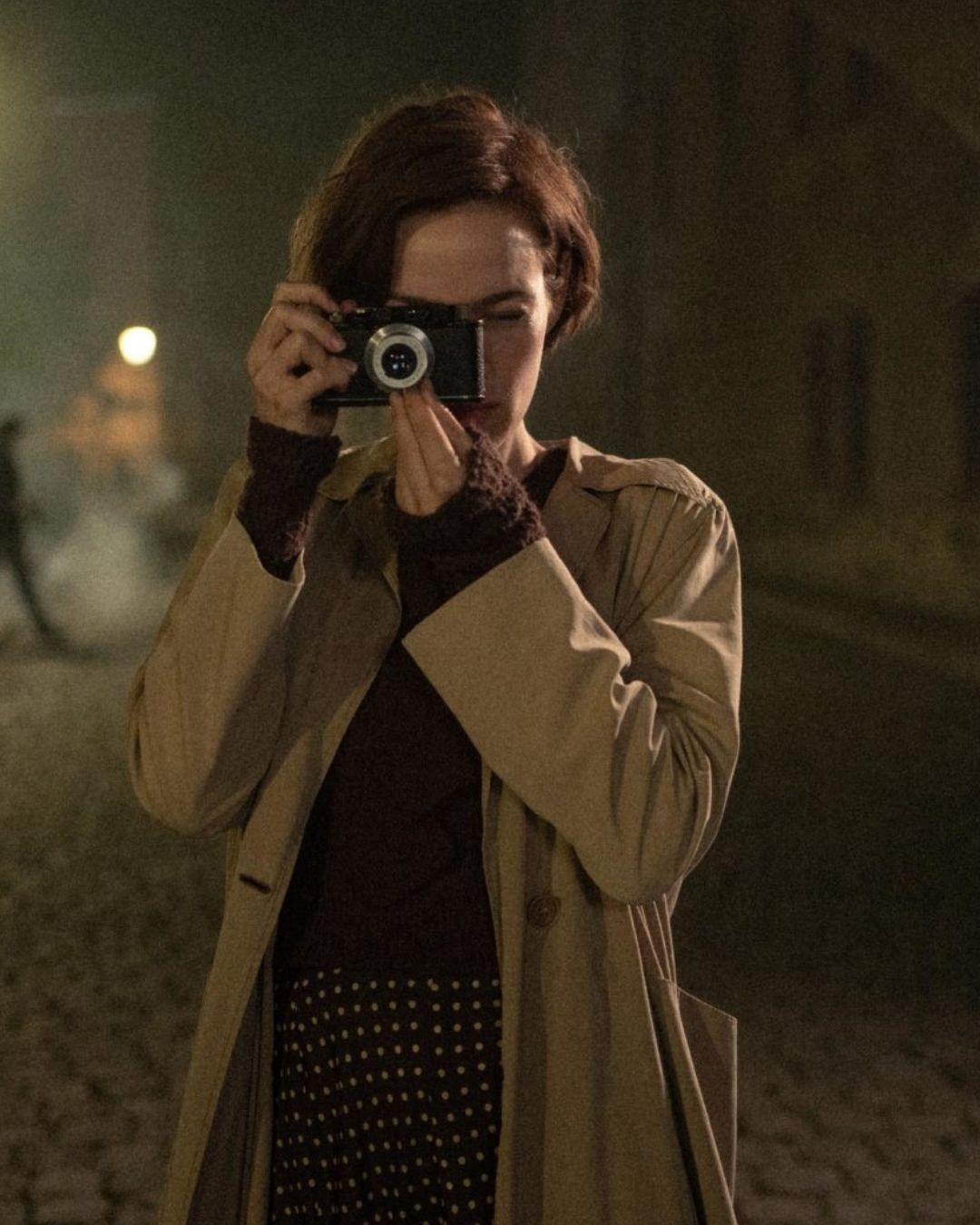
Have you ever wondered how Tinder was created? On Disney+ arrives the film that answers this question. Swiped tells the true story from the point of view of Whitney Wolfe, a co-founder ostracized by her own colleagues, in a story not only about innovation and entrepreneurship but also about the sexist and misogynistic implications that often come with it. Playing her is Lily James, whose performance is unfortunately hindered by a light-colored lens that changes her deep brown eyes into two yellowish/blue orbs. A detail of resemblance to the real character which, for narrative purposes, adds nothing and only raises the question of why such verisimilitude was necessary when what truly matters is discovering how things really went at the dawn of the app that changed the world of online dating forever. Meanwhile, the setting is the ready-made Silicon Valley: a youthful workplace environment, meetings held at ping pong tables, and checkered shirts instead of classic suits. And, just as often emerged from these predominantly male places, there’s no shortage of repression toward women, whose merits were not recognized and who were silenced at the first opportunity.
A Pre-MeToo world: Whitney Wolfe’s struggles and injustices
A pre-MeToo world, which in the film marks the beginning of the Tinder empire in 2012 and continues through a period that was truly crucial for the transformation of socio-cultural dynamics, especially those tied to gender politics. In her own way, Whitney Wolfe was a figure who tried to contribute, unlike in Swiped, which retraces both her successes and the crises of her life and career. While the film deserves some credit for trying to give an accurate snapshot of those early 2010s (with a shout-out to the costume designer for making every look terribly accurate), director Rachel Lee Goldenberg’s work adds nothing new to the already crowded genre of women-and-work films, neither narratively nor stylistically. Following years in which films like Bombshell highlighted the oppressive dynamics of workplaces, Swiped is certainly a raw reportage of the injustices Wolfe faced, but what will remain with the viewer after the credits roll? Surely the awareness of gender disparities women suffer, the knowledge of facts long told only in one way, and, most importantly, the restoration of the role initially denied to the entrepreneur. But to truly penetrate the audience, especially in a time when such stories are told daily, Swiped would have needed sharper writing and form, not just a simple retelling of events but a deeper analysis of precarious and arbitrary power dynamics.
Tinder vs Bumble: Whitney Wolfe’s journey and the missed potential of Swiped
Even on the dating app front, in a cinematic moment reshaped by Material Love, Swiped sparks curiosity but fails to impress. What was indeed an epochal shift in how people meet, along with its darker sides, is mentioned but not deeply analyzed, lacking a more scrupulous study. The influence that a creation like Tinder has had on every aspect of digital consumers’ love lives, and that also shaped Wolfe’s own life, remains on the surface, while the problems it still causes today remain heavy. Because there has been, and still is, an opportunity for many, especially Millennials, to find love with Tinder, yet at the same time, it has been a vehicle that once again made women and girls objects of a culture that facilitates and tolerates harassment. An aspect that, together with Whitney Wolfe’s personal and professional struggles, led her to later create Bumble, another dating app where women make the first move. Swiped, therefore, remains within the confines of canonical biopics, wasting the chance to be an authentic megaphone. Still, it’s a story worth knowing, with the potential to tell things as they really happened.