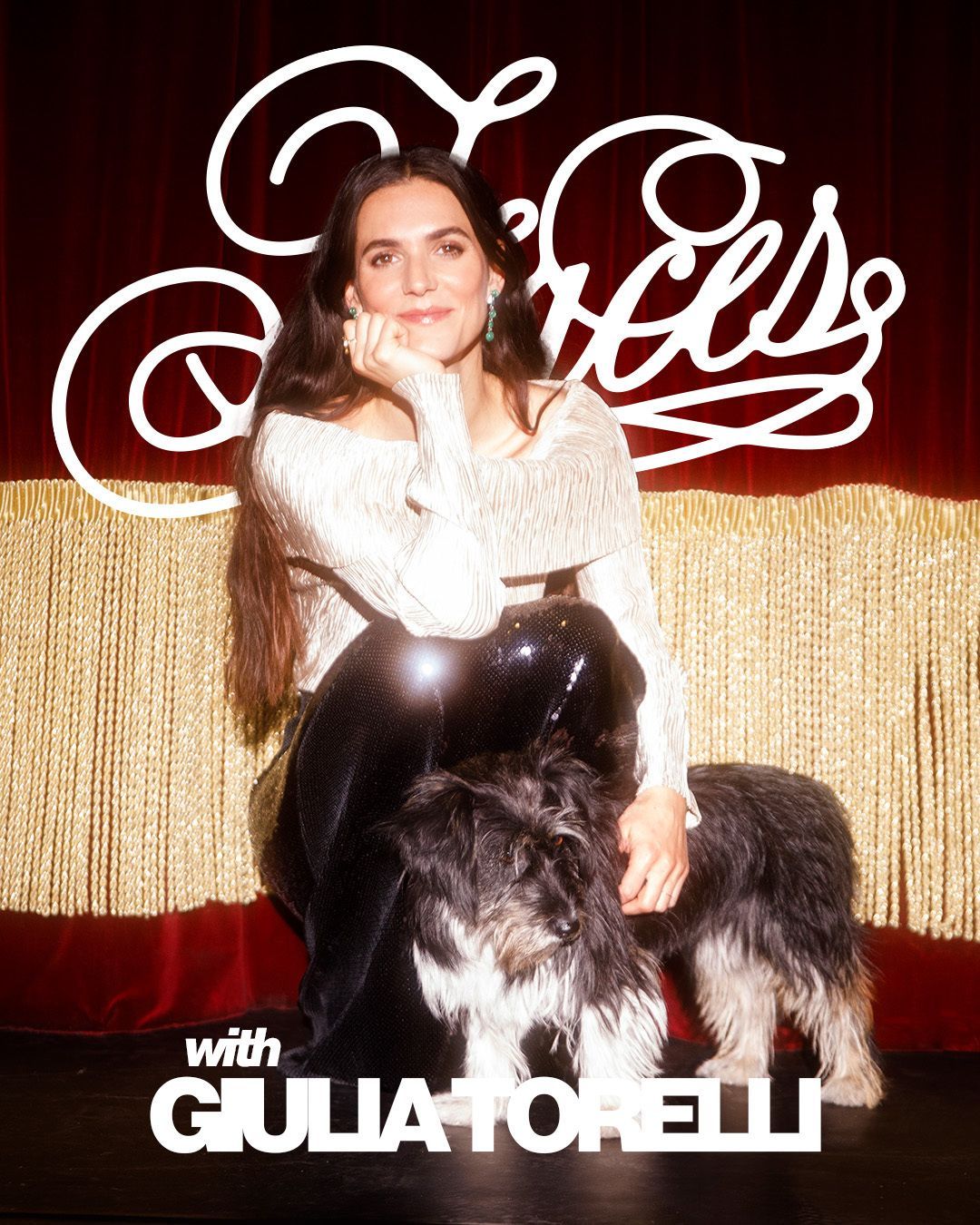
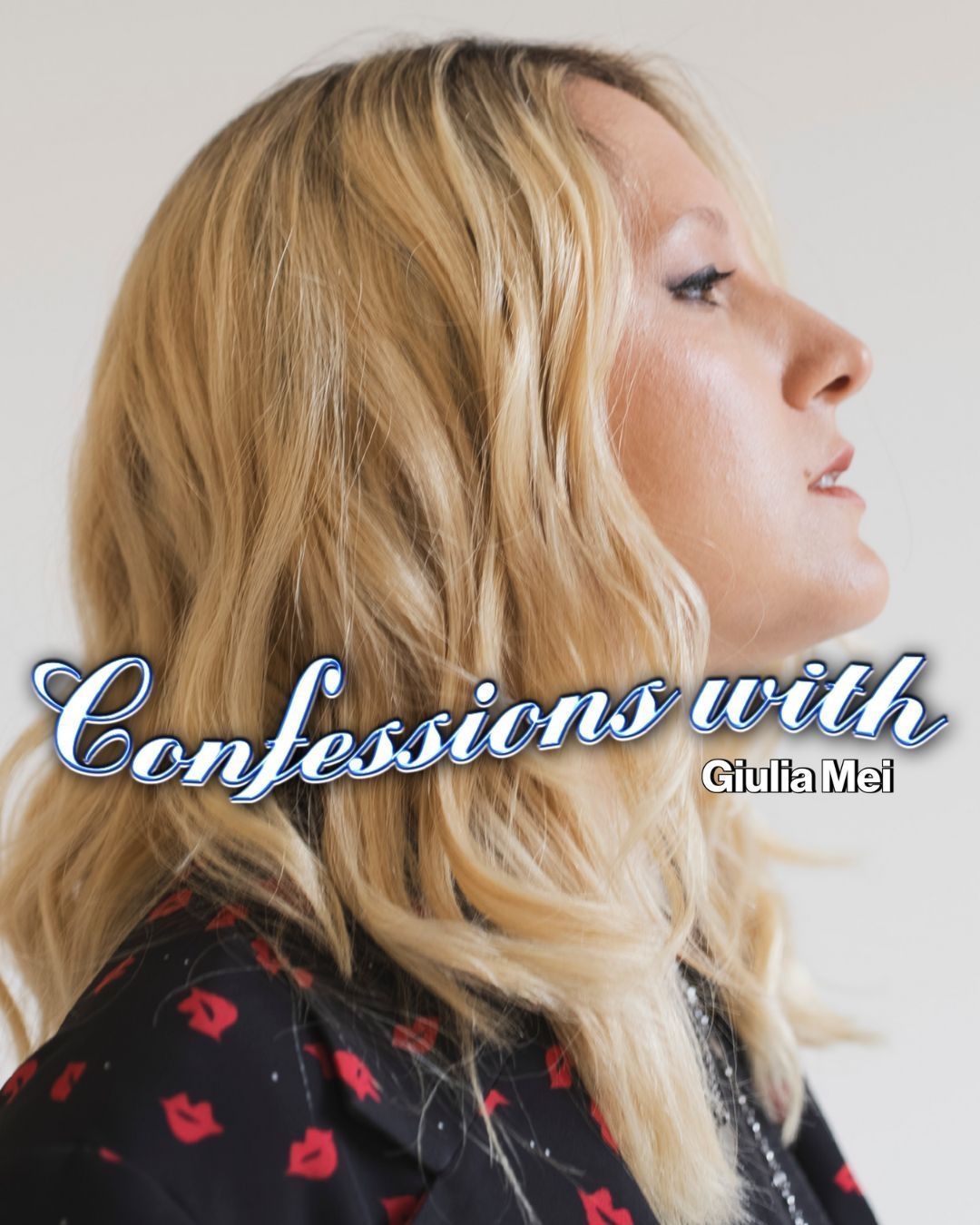
Giulia Mei: "It's time to claim a new singer-songwriter movement produced by women." Interview with the singer of "Bandiera"
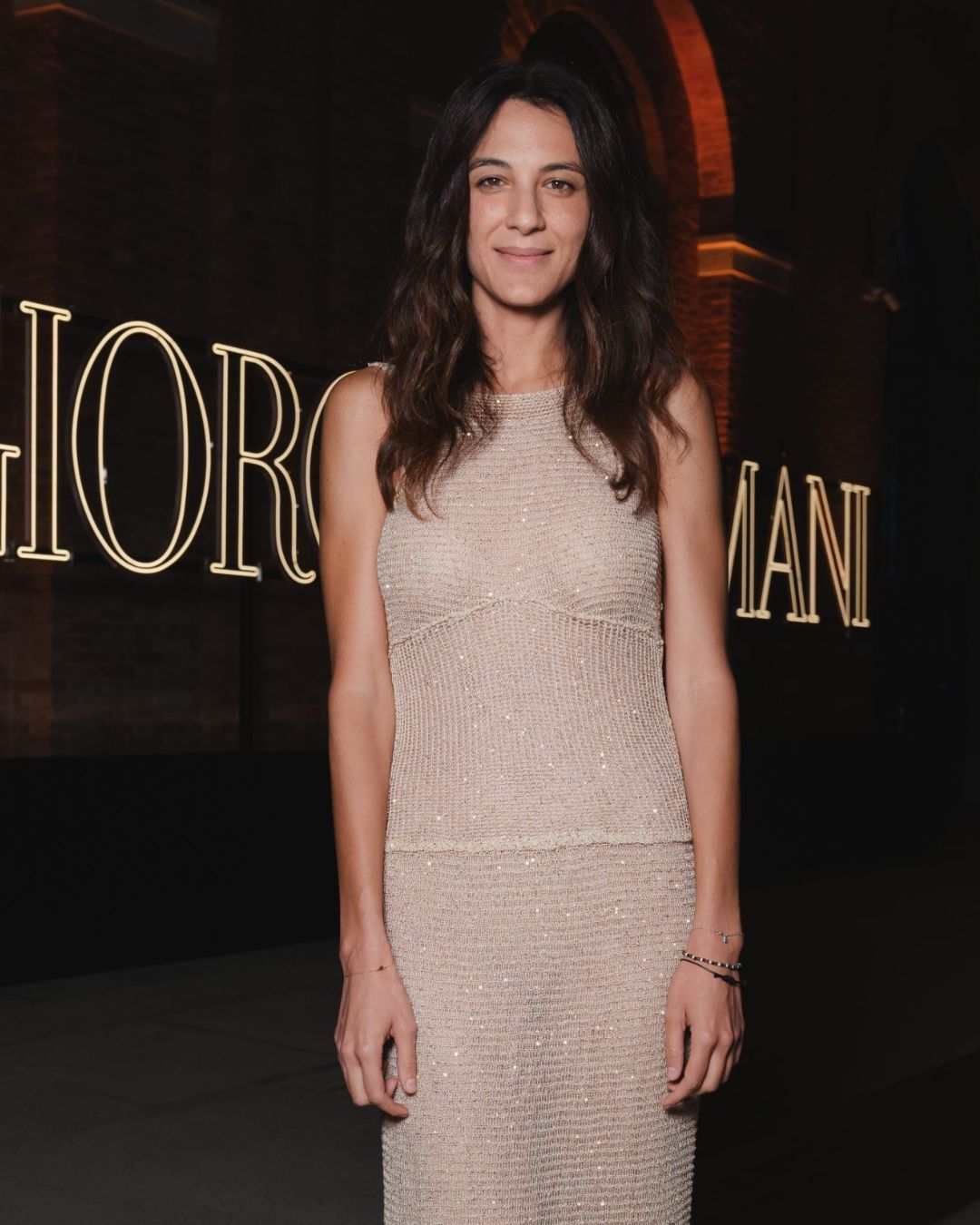
I firmly believe that, no matter what, if you work with words, it shows when you speak, explain yourself, or express an idea. It’s clear from how you choose them, how you arrange them, how you use them like Lego bricks to build a narrative. This was once again proven to me by Giulia Mei, a singer-songwriter who recently released her new album, "Io della musica non ho capito niente" ("I Don’t Understand Anything About Music"), and who shared with us her views on life, music, feminism, politics, and all the ways in which, according to her experience, these things intersect. Sitting in front of me was a woman who is clear-minded, confident, and eloquent. Here’s what she shared with us, starting naturally from her latest musical effort.
Interview with Giulia Mei
"Io della musica non ci ho capito niente was born out of the awareness that you have to step down from the pedestal if you want to create something real, something personal that truly matters to you," she begins, immediately setting the tone of our conversation. "It came from the need to reclaim a creativity that was mine: free, spontaneous. A creativity that would allow me to reconnect with music in a completely authentic way, to play with music like children do, who never worry about form when they create," she continues. "I wanted to bring together all the sounds I’ve loved throughout my life and blend them authentically. This album comes from a need for chaos that, somehow, organizes itself in the end. It’s about the search for my own path. I always say it’s a record for people who don’t know how to 'function', but who listen with open ears and hearts."
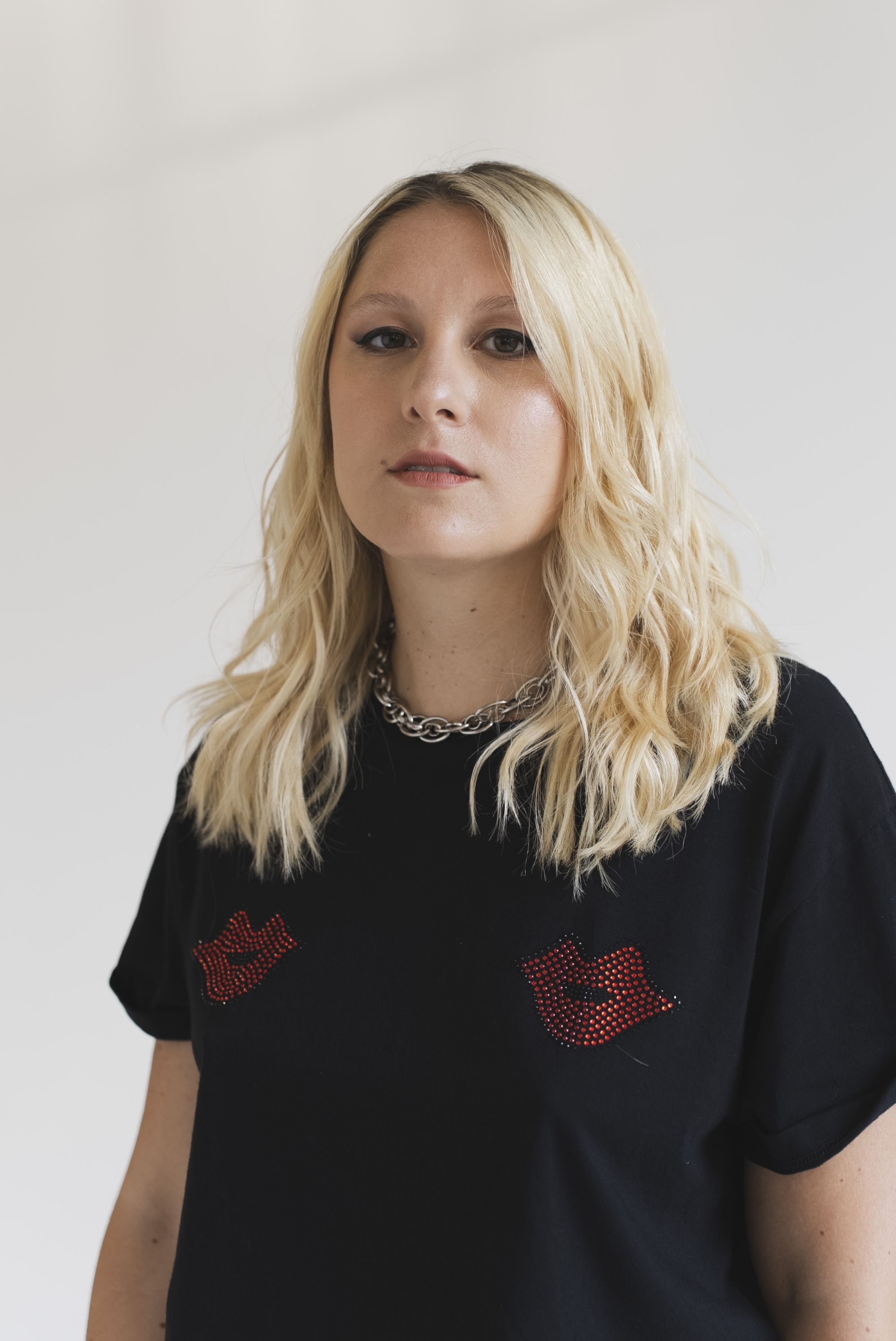
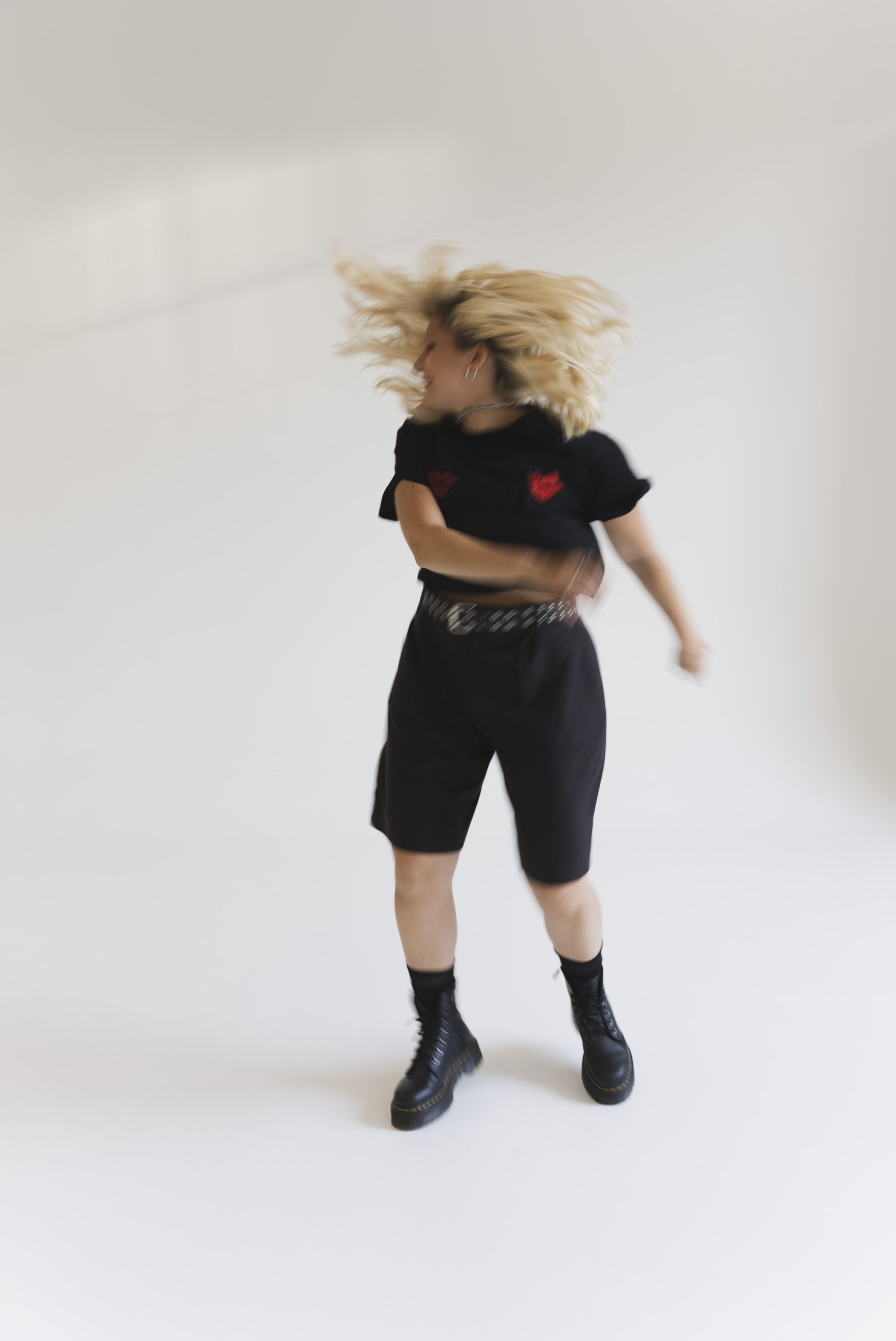
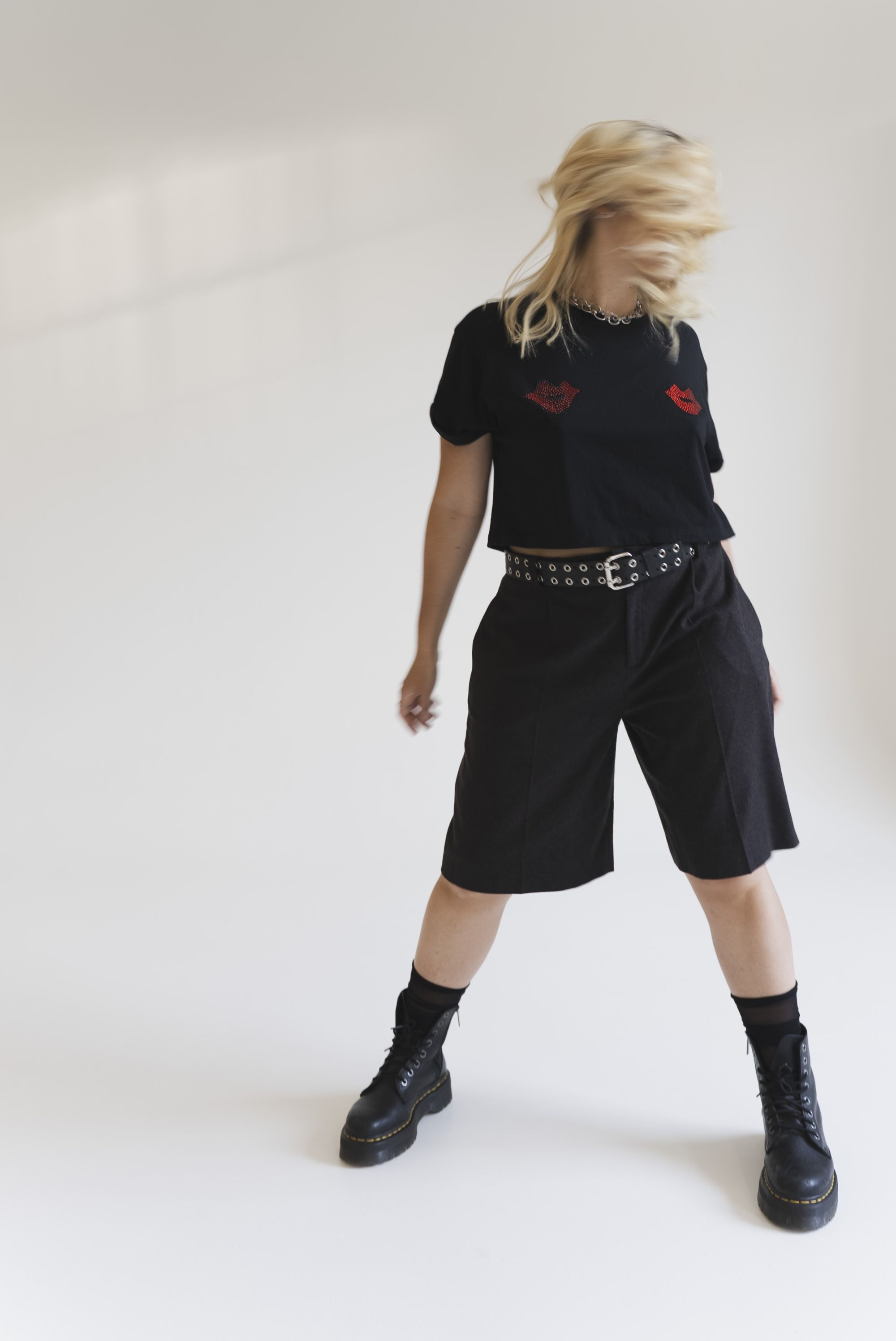
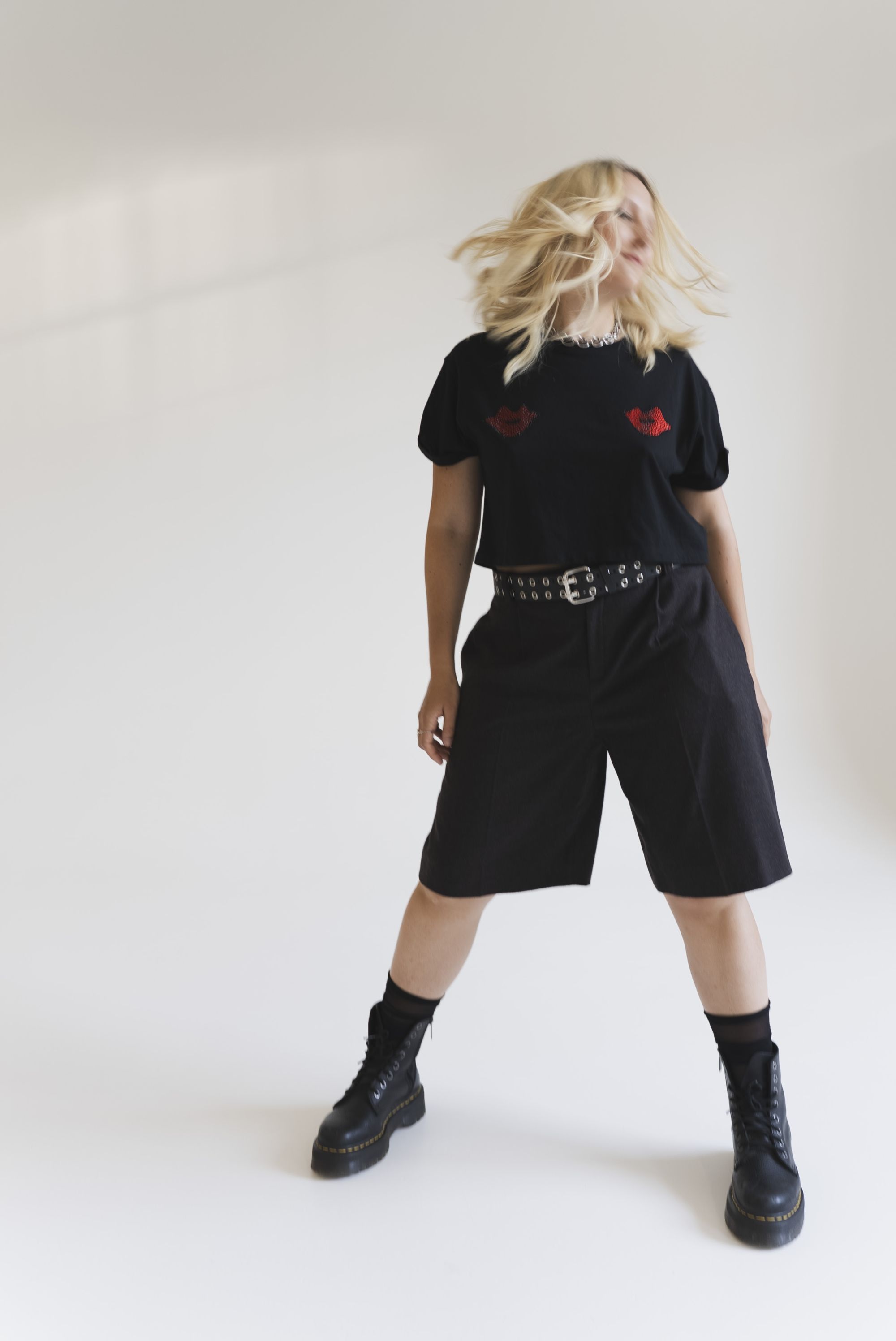
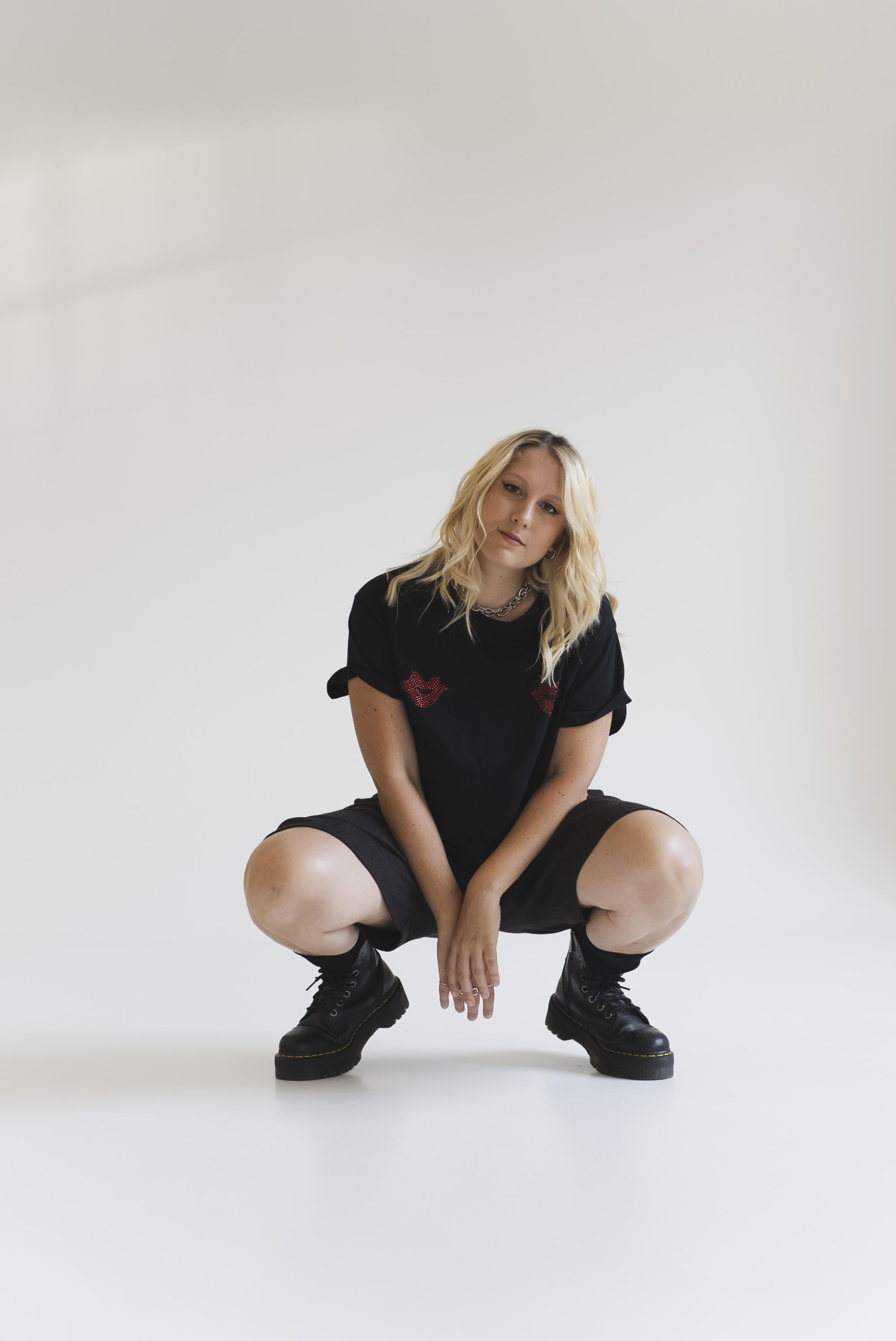
It’s impossible to talk about or with Giulia Mei without mentioning “Bandiera,” the song that went viral on TikTok and brought her nationwide recognition. “For me, Bandiera was a song of maturity, it helped me understand things about my life, about myself, about how I want to exist in this world. It changed me deeply. It gave me the awareness that music can do so much and can break out of the boxes we impose on ourselves, or that others impose on us. I didn’t compromise: I reclaimed my words, my freedom to exist, to claim space in this world as a woman, to feel safe, to live in a world that makes me feel safe,” she explains—and it’s clear how deeply she’s thought about it and how important it is to her. “The magic,” she concludes with a smile, “is that this song became the song of so many others. So many women, men, and people who are on a journey of strong self-determination.” In short, a song that’s a true anthem of freedom and identity, themes that are increasingly central today. “Making music for me is rooted in personal need. Especially when I write about social or political topics, I do it to hear other voices around me. That’s what happened with 'Bandiera': I simply wanted to ask if someone else was feeling the same pain and in doing so, create a sense of community. Music has tremendous power: it’s a form of art and communication that reaches everyone.”
Let’s talk about inspirations. “There are so many women who have inspired me. I think of Clara Wieck, Fanny Mendelssohn, who wrote some of the most beautiful piano music I know and fought against a patriarchal world. Then Nina Simone, Tori Amos. I really resonate with that visceral way of being at the piano, which is why I always say that when I’m not at the piano, I feel a bit exposed,” she explains. “In more recent times, there’s a beautiful scene in France, just think of Françoise Hardy. And in Italy? I could name a thousand. One that comes to mind is Daniela Pes. Especially in Italy, there’s an incredibly rich and exciting wave of women writers and composers right now.” Women who have fought - and continue to fight - to express themselves, just like her. We asked if she’s ever felt the need to soften, smooth out, or cut the corners of her words in order to advance her career. Her answer, unsurprisingly, is full of insight. “There are many ways to soften. Sometimes I’ve chosen to do it to express myself in a more direct or effective way, especially when dealing with painful or difficult topics. So it’s okay to soften yourself if it helps the story reach the other side, especially if it’s something you care deeply about.” Then she adds, more critically: “Other times, I’ve been asked to sugarcoat things, to make myself easier to manage, less uncomfortable, and those requests came from the outside, from the male world. That’s when I didn’t soften, didn’t change or omit any words. It gave me the strength to stick to my path and believe in the words and music I was choosing. I think sweetness should always be a personal choice. If imposed from the outside, it’s not sweetness: it’s censorship.”
Among the words she’s been asked to change, perhaps, is even "feminism." A term now widely used on TV talk shows but still, perhaps, not fully understood or accepted, and even resisted. “I believe in a feminism that’s a claim of love and freedom. One that includes everyone. One that never speaks the language of hate, domination, or power. Feminism should speak the language of being, of doing. We should all be feminists, because what this movement fights for is the possibility to have a place in the world, in respect of others. The chance to have a voice, to be who you want to be, deeply and fully, without leaving anyone behind.”
Beyond the pressure to tone things down and make oneself small, there are many challenges for a female singer-songwriter in 2025, but also many opportunities. “Being a singer-songwriter means having a voice and using it. It means being able to direct it in a thousand ways, breaking out of the stereotypes that have always portrayed us in a single light, that have demanded we be just one thing. When we talk about female singer-songwriters, the adjective ‘female’ refers to how this music is seen through the male gaze. With our voices, we have the chance to reclaim a new femininity through our words, especially by reclaiming the words that were taken from us or handed down filtered in some way. We can rearrange them to deliver a different message. I’m proud to be part of this powerful movement rooted in words and empowered by them.”
Her advice for girls who want to become singer-songwriters has ancient roots, and it’s almost a summary of everything we talked about: “There were many female composers and singer-songwriters in the past who never got the chance to publish their work because it was deemed improper. I think of all the music we’ve lost through the centuries. My advice to girls who want to make music is: think of them. Know that if you don’t believe in yourselves and don’t make music, you’re not just losing your chance to say something, you’re also depriving humanity of an immense heritage and denying other women the chance to feel represented. That’s incredibly important. If you don’t feel represented, be your own representation. But don’t stop, and don’t let anyone stop you. I believe that one day, someone will thank you for it.”
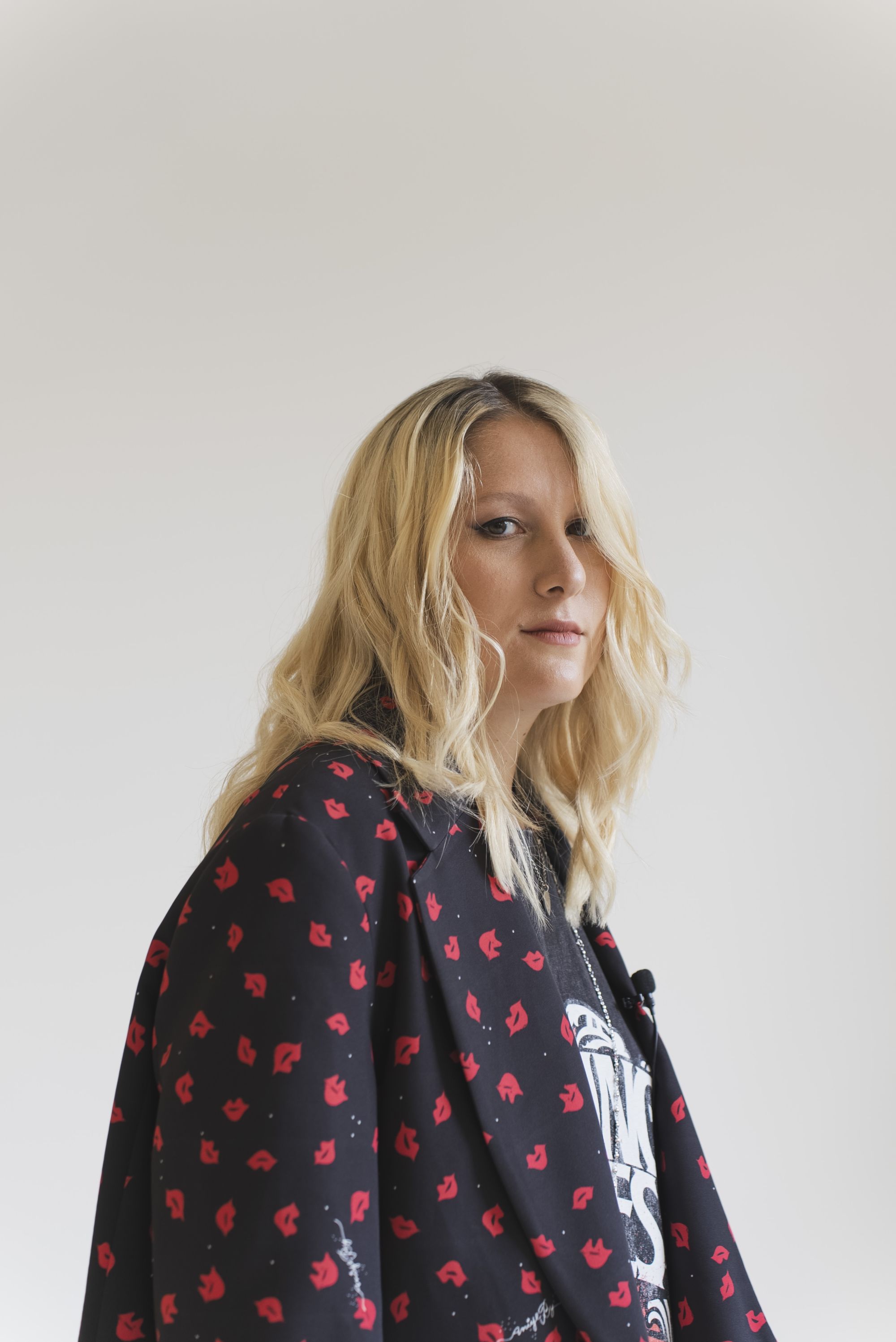
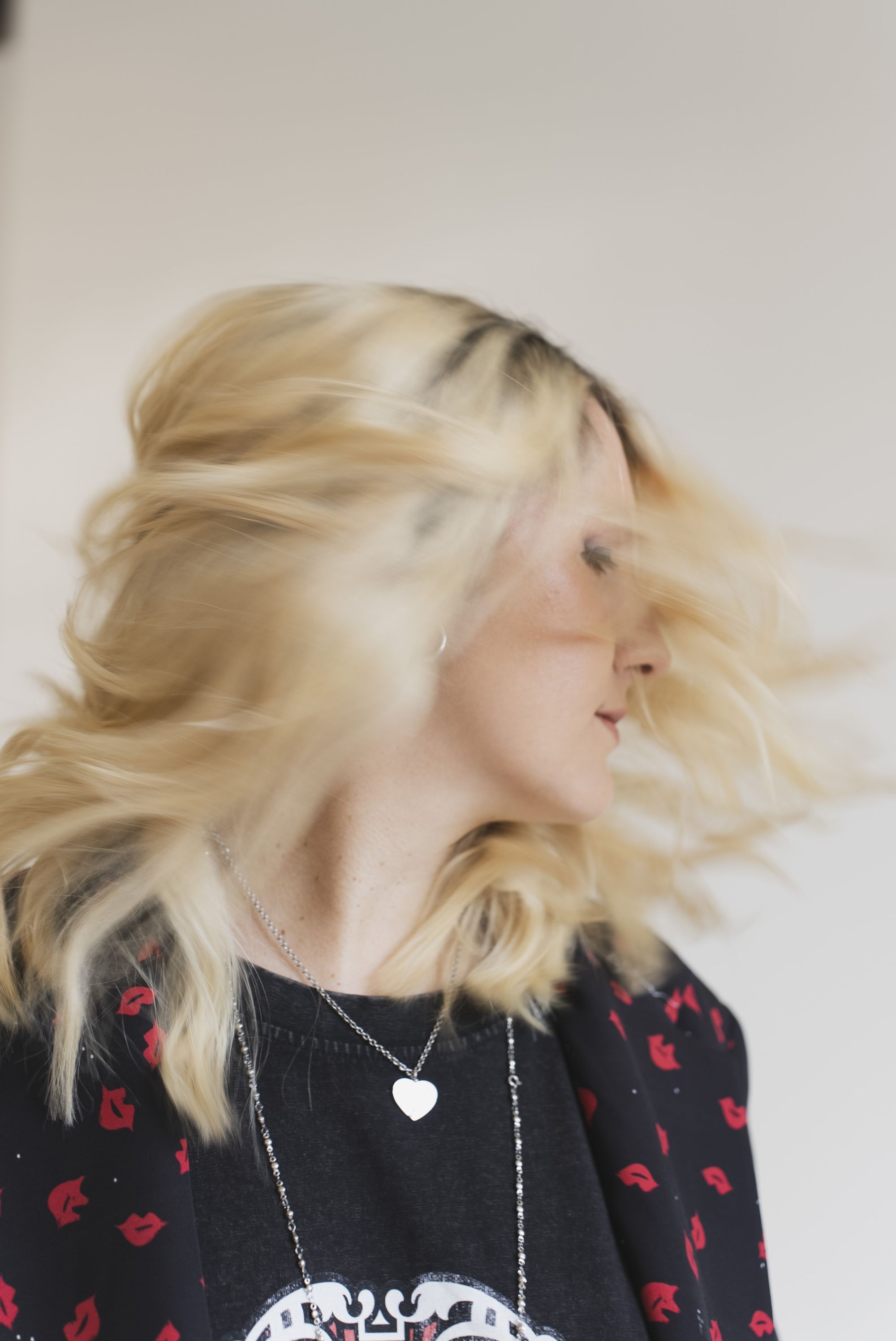
And what about the future? She doesn’t hesitate: “There’s music. The opportunity to live through music, to write it, to keep writing it always by following the rules of my inner self, what my heart feels is right to tell. Staying true to what I feel inside. A new album, many concerts. I’m currently touring all over Italy, so I definitely see myself jumping on a stage like a maniac.”