








































How to Tame Frizzy Hair in Summer: Top Tips Beat frizz this summer with expert hair care tips.
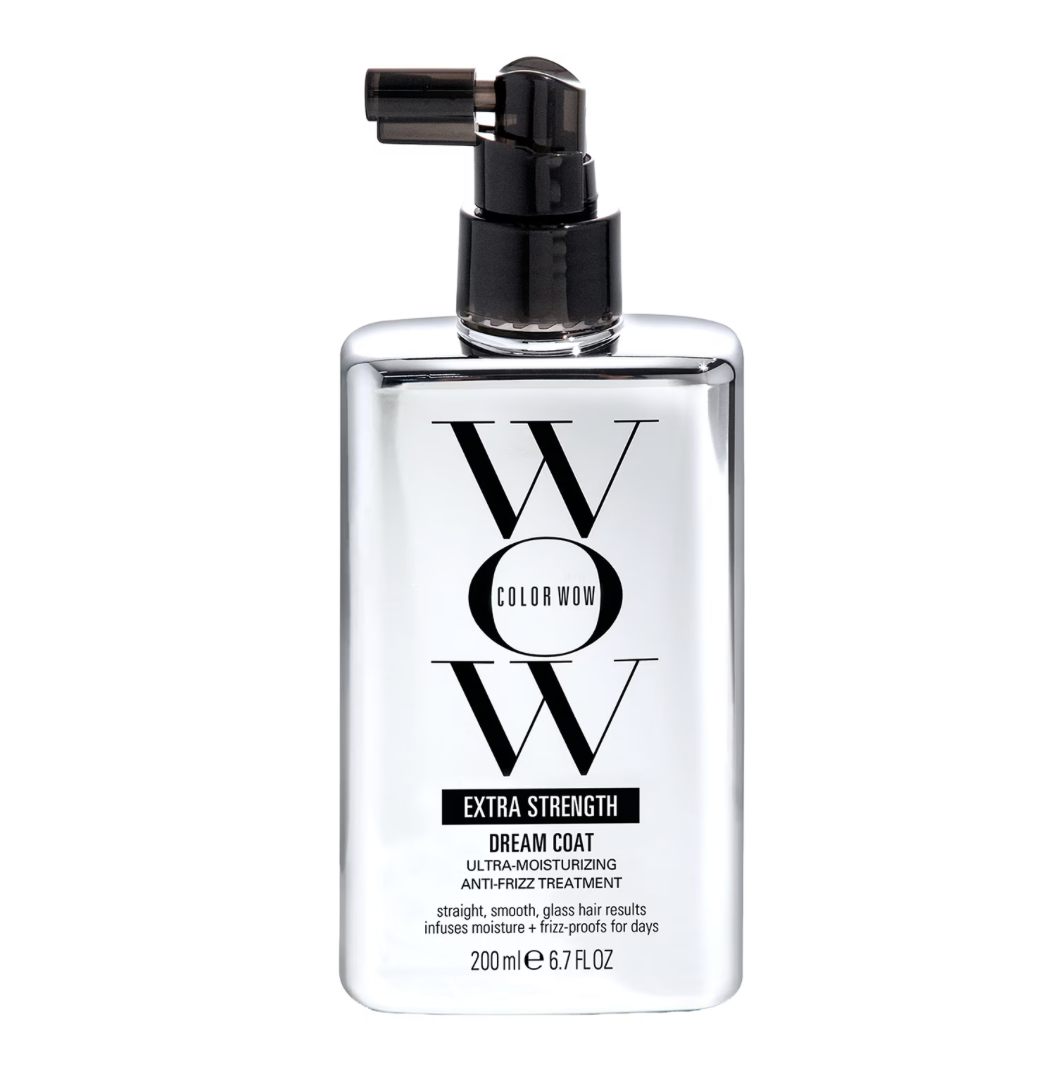
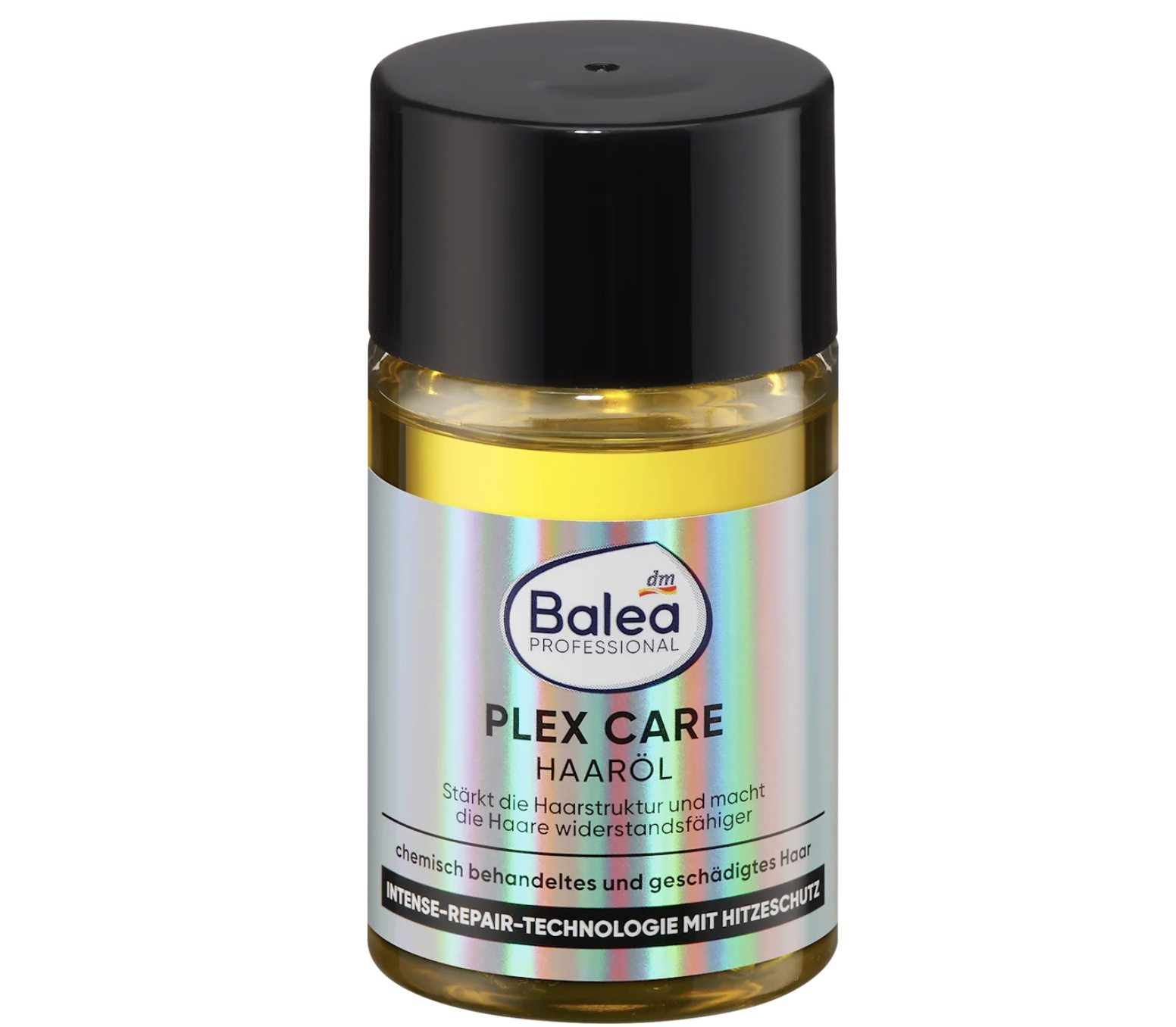
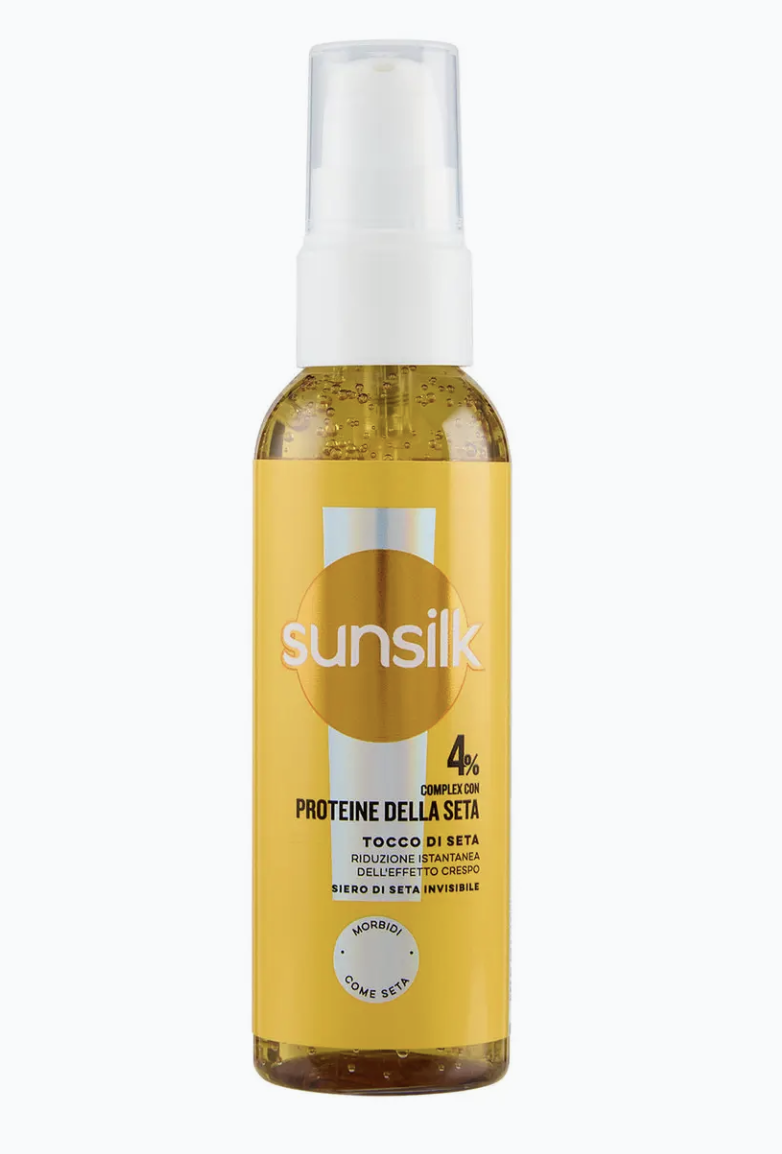
In summer we all share the same little obsession: we like to imagine ourselves with natural-looking hair, beach waves like a mermaid, that slightly rebellious but perfectly effortless and playful texture. In reality, though, we often end up with hair that has completely ignored the moodboard we had in mind and shows up with its own agenda: frizz. And instead of declaring war on heat and humidity, it might make more sense to understand how to actually manage it.
How to get rid of frizzy hair in summer
What causes it?
Before trying to manage it, it’s worth understanding what we’re dealing with. Frizz appears when the hair cuticles, the tiny “scales” that cover the hair surface, don’t stay flat and sealed, but instead lift up. And that’s exactly when hair becomes rougher, duller, and especially much more sensitive to humidity. The more porous the fiber is, the more it absorbs moisture from the air (which in summer is inevitably abundant), causing it to swell and lose definition. In other words: it becomes frizzy. However, the causes are rarely just one. Genetics play a role: people with curly or wavy hair, for example, are naturally more prone to frizz. But external factors also come into play, such as stress, lack of hydration, overly aggressive styling, frequent use of high-heat tools like blow dryers and straighteners, and intense chemical treatments, all of which weaken the hair fiber over time. In summer, the situation becomes even more challenging. Sun, saltwater and chlorine tend to dry out the hair, making it even more vulnerable to humidity.
Which products to include in your haircare routine
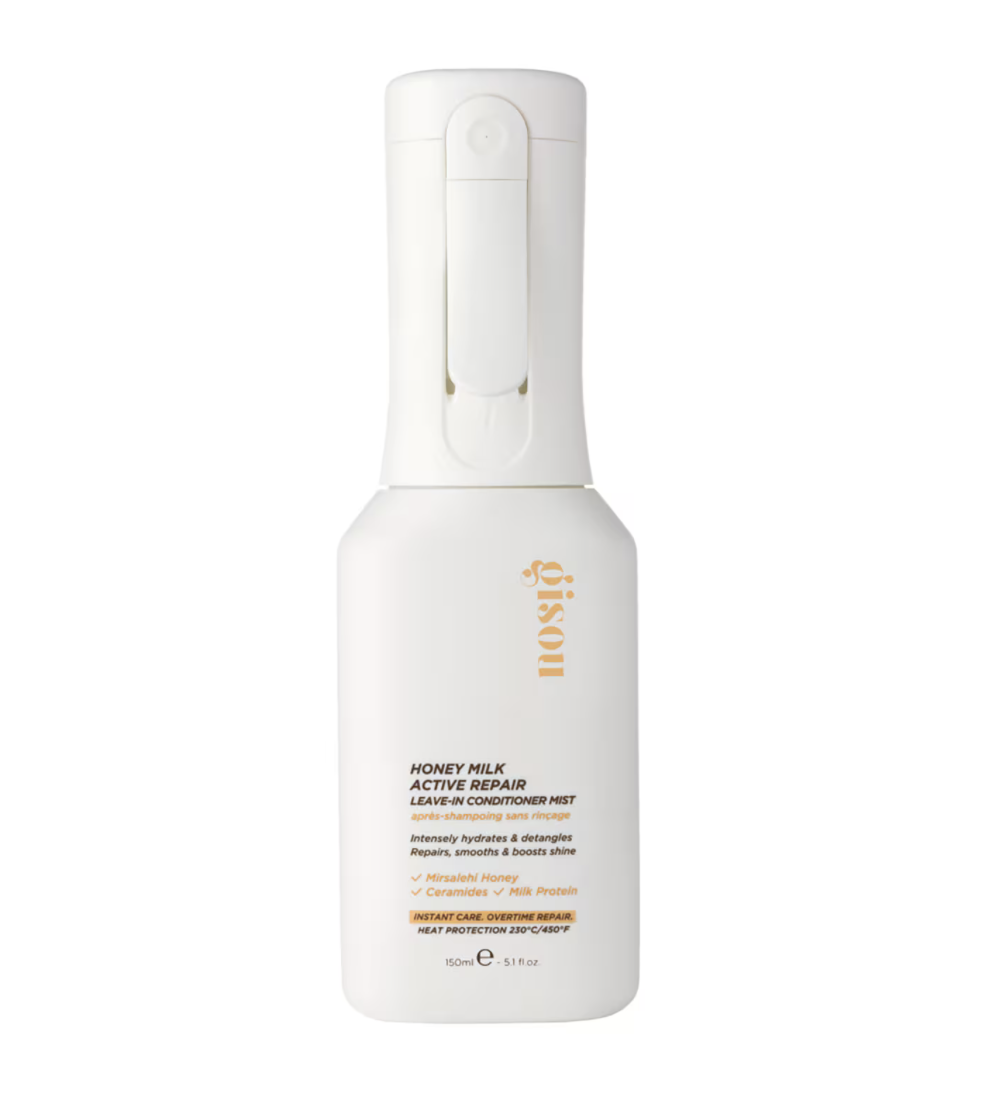
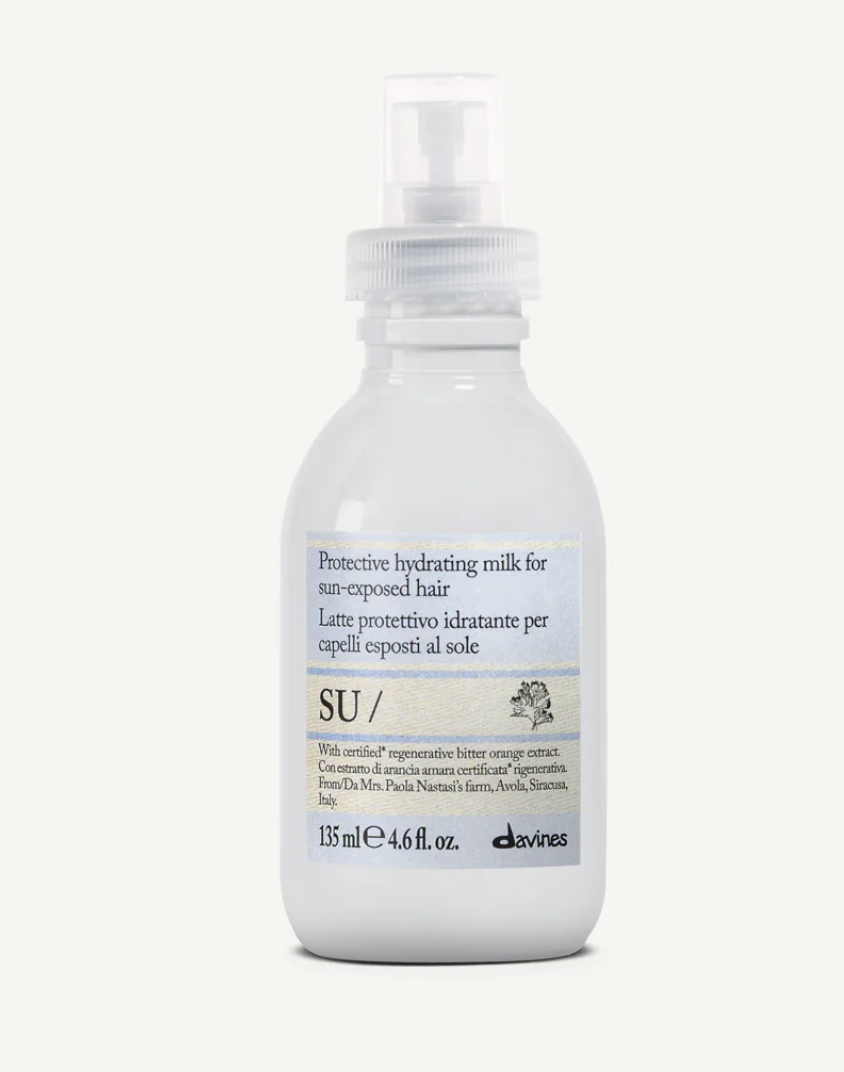
So, as mentioned, heat, humidity, sun and salt make frizz even harder to manage. For this reason, in addition to your usual routine, it can be helpful to include some targeted products. The most effective ones are those formulated to create a protective barrier around the hair fiber, reducing moisture absorption from the air. Go for serums, leave-in creams and lightweight oils, which help keep the cuticles smoother and reduce the typical swollen effect of humid days. Among the most commonly used are anti-frizz treatments containing emollient and film-forming ingredients such as silicones, plant oils or proteins, which smooth the hair surface and improve its appearance without necessarily weighing it down. If you spend many hours outdoors, especially at the beach or pool, using a UV-protection spray for hair can really make a difference, as it helps protect the fiber from sun damage and dehydration.
Other small habits
Frizz, however, isn’t solved only with products, but also with a series of consistent habits in your daily routine. First: water temperature. Washing your hair with very hot water tends to open the cuticles further, making the fiber more vulnerable. It’s better to use lukewarm water, or at least finish with a cool rinse to help keep the hair more compact. Then there’s drying, one of the most critical steps. Rubbing hair with a towel is basically an invitation to frizz. It’s much better to gently pat it dry without rubbing. The material also matters: microfiber or a simple cotton T-shirt is much gentler on the fiber than a classic terry towel. Finally, even before styling, a heat protectant is essential.