





















































Why your skin seems to suddenly get worse in summer (and how to prevent it) Between the heat, the sun, and bad habits, here's what you need to do
After months spent longing for the sun, summer finally arrives. With longer days, less stress, and a better mood, in theory the skin should follow suit. Yet, for many people the exact opposite happens: more breakouts appear, the T-zone becomes oily within a few hours, the face looks dull and redness seems to multiply. It’s not bad luck and it’s not a coincidence either. Summer is simply a season in which the skin has to deal with multiple stresses at the same time, and when these add up, it really shows.
Why skin seems to suddenly worsen in summer (and how to prevent it)
The causes of summer skin stress
Heat, humidity and sun
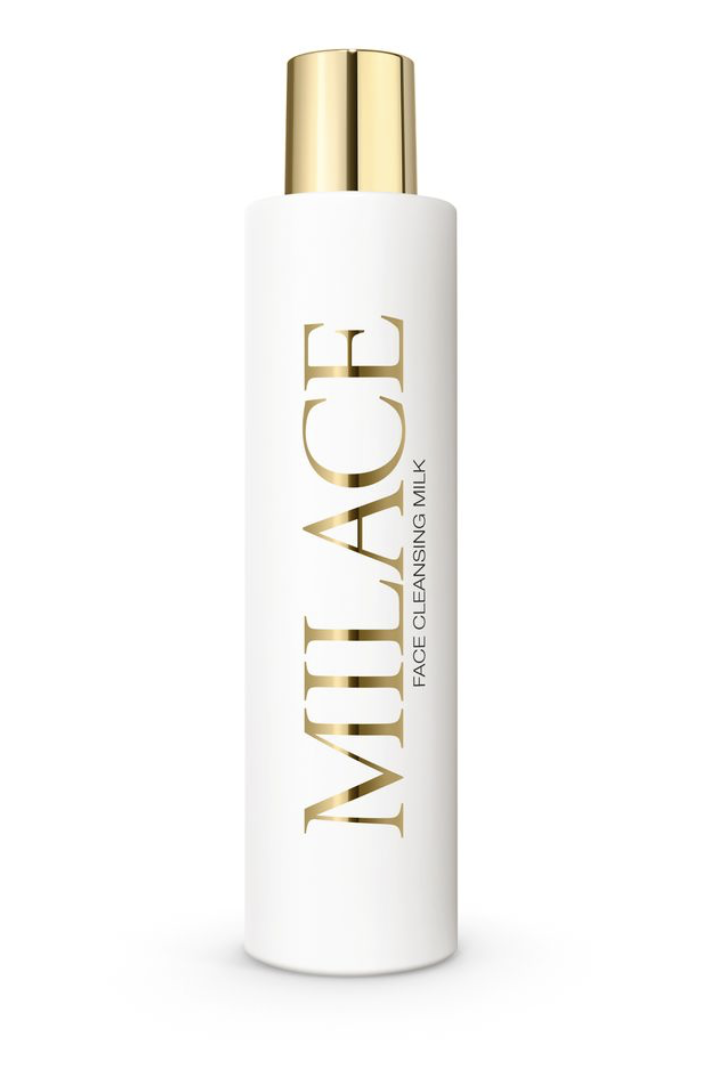
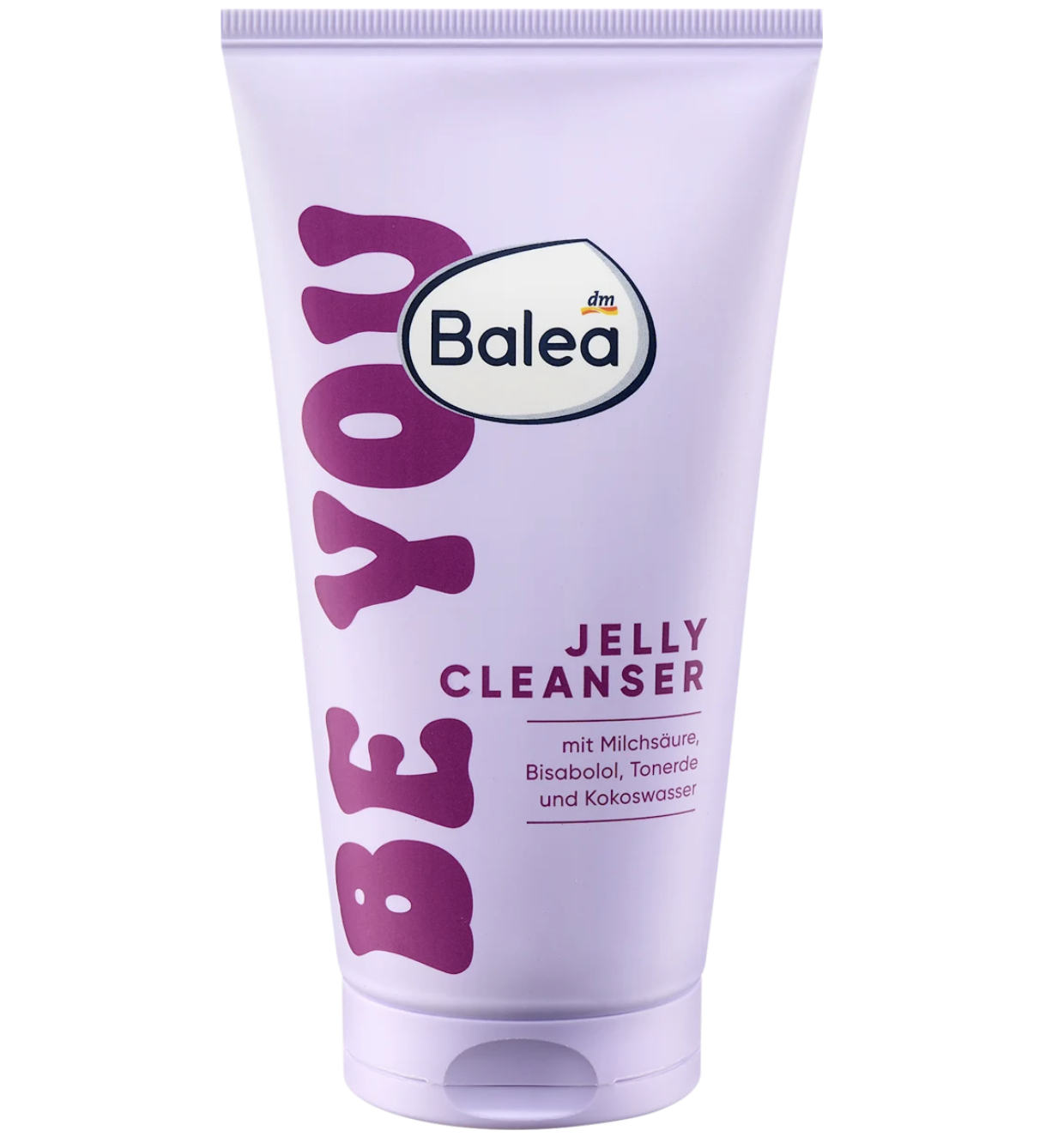
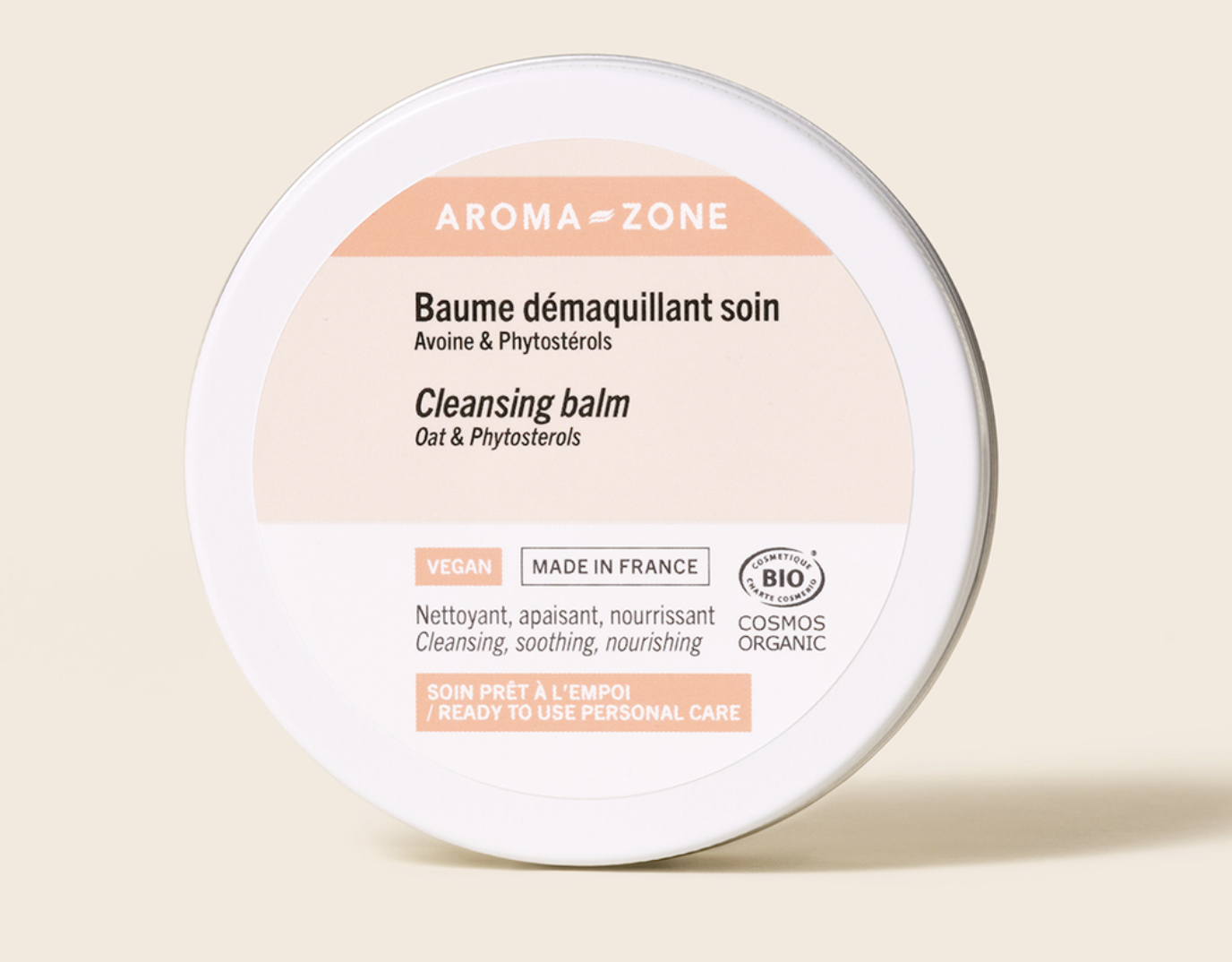
When temperatures rise, the skin inevitably starts producing more sebum. More sebum means shinier skin, but above all pores filled with makeup, sunscreen and much more, becoming clogged more easily. On top of that there is sweat, which is not the enemy in itself, but when mixed with sebum and dead skin cells it becomes the perfect cocktail for impurities. That’s why in summer even people who usually have fairly stable skin can suddenly end up with unexplained breakouts. Then there is the sun, which at first seems to improve everything: drier skin, less visible blemishes, a more even complexion. But it’s only an optical illusion. UV rays, meanwhile, are working underneath to break down collagen and elasticity, with consequences that show up later as dark spots and discoloration.
Sea and swimming pool
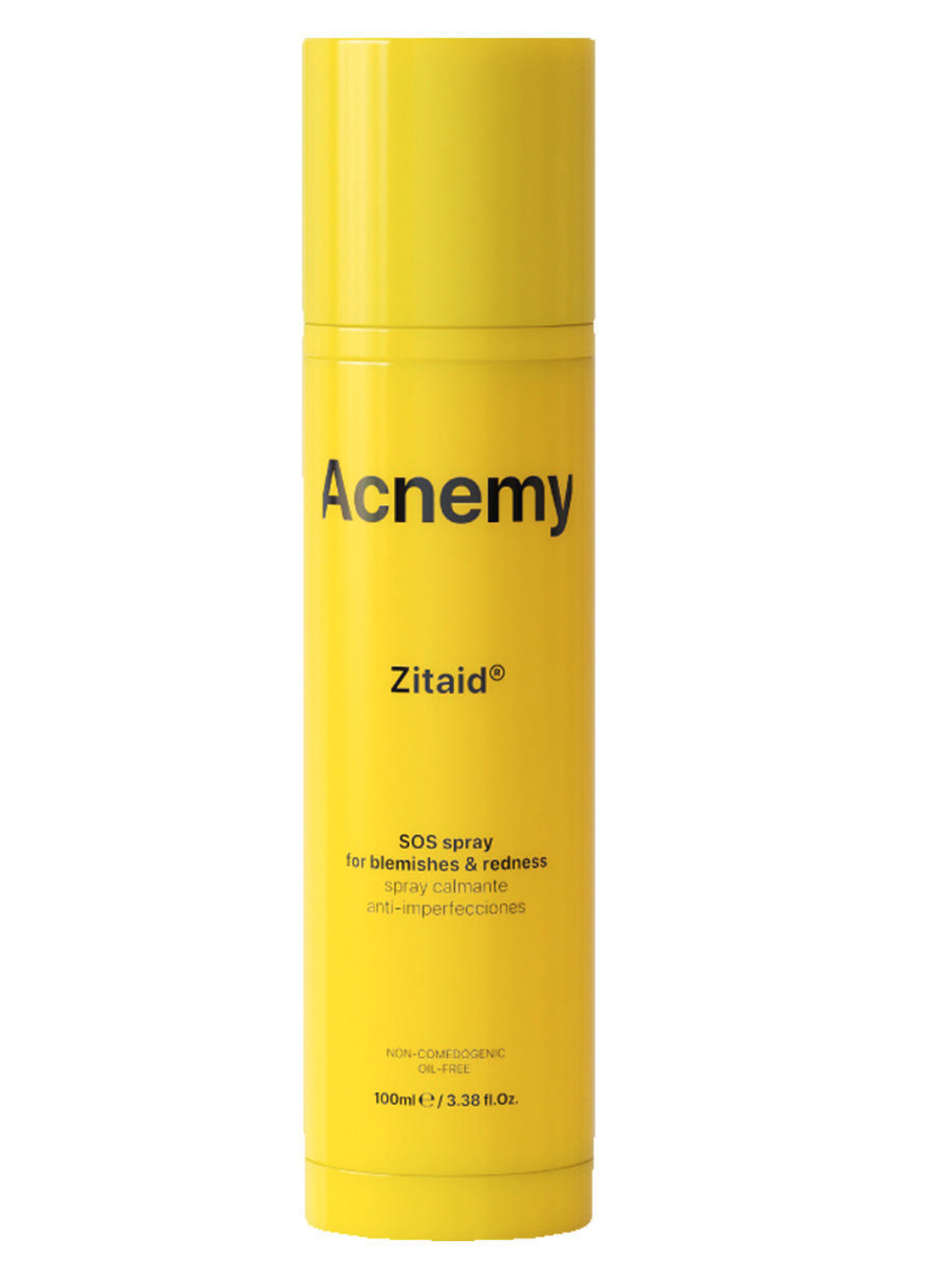
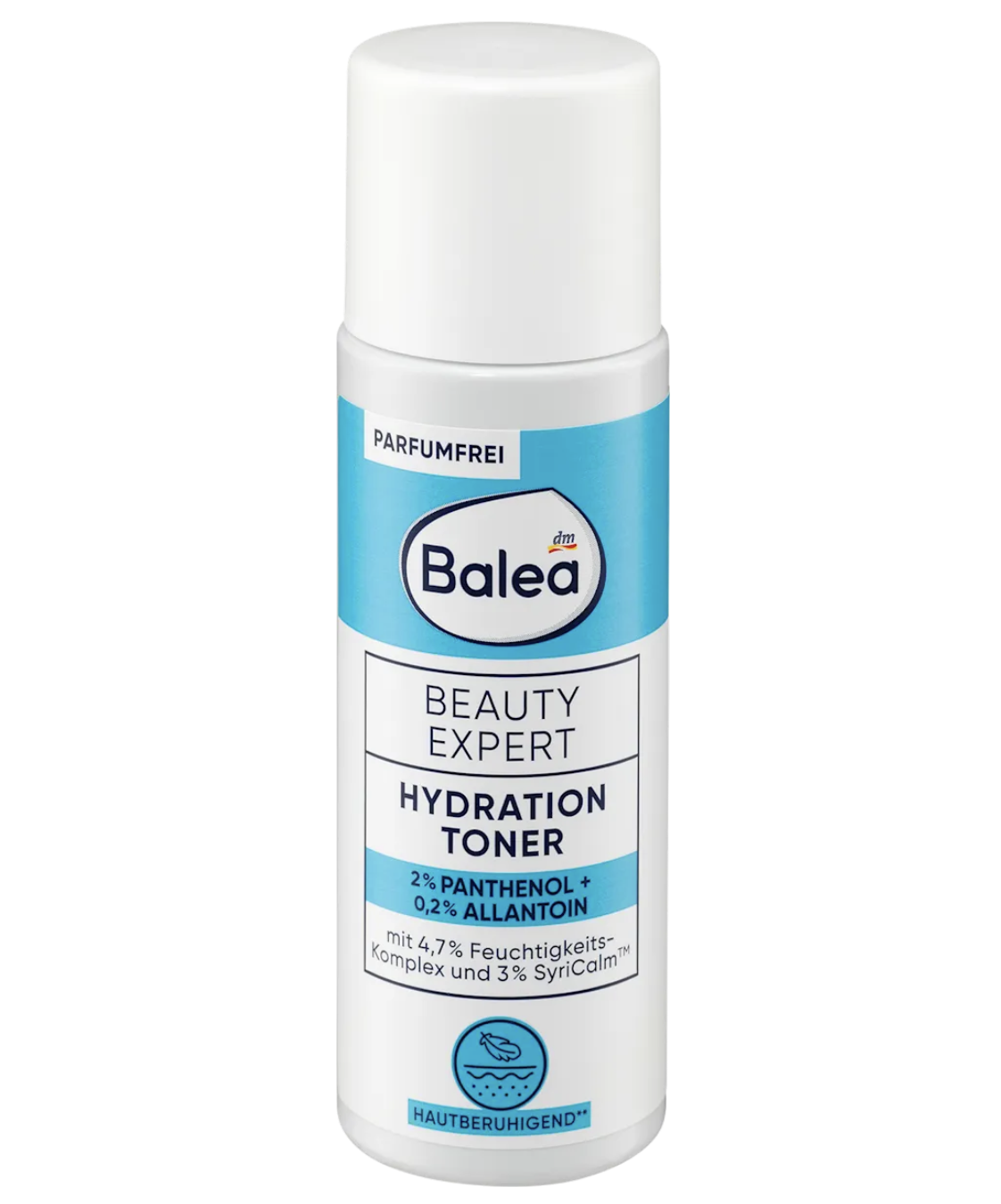
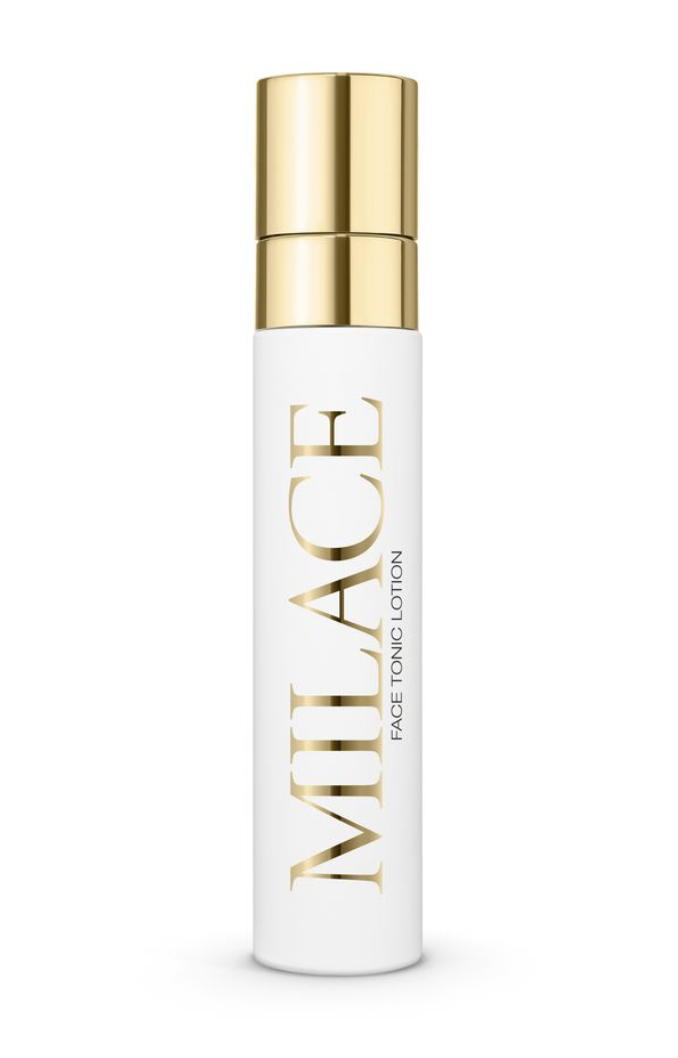
Another major summer illusion is that sea and swimming pools are good for the skin. Chlorine and salt alter the hydrolipidic film, the invisible barrier that keeps the skin protected and hydrated. Add wind, especially hot wind, and water loss speeds up. It’s a real paradox: in summer we are constantly in contact with water, yet the skin is often more dehydrated than in winter.
Routine changes
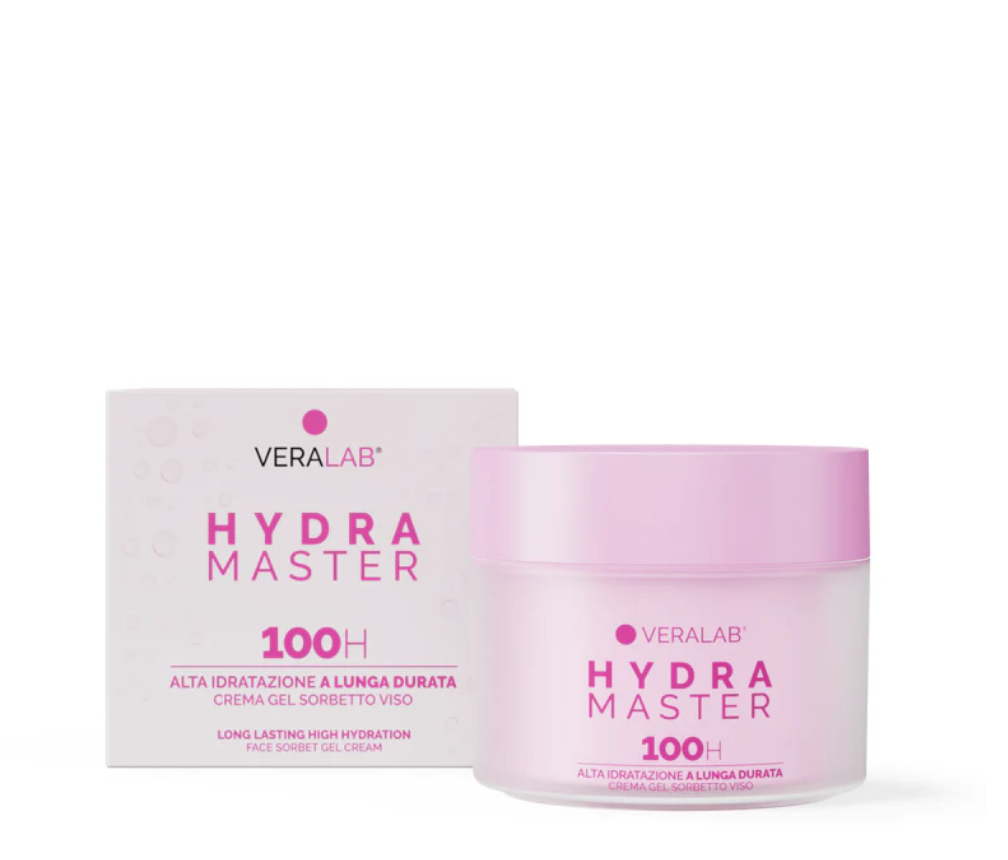
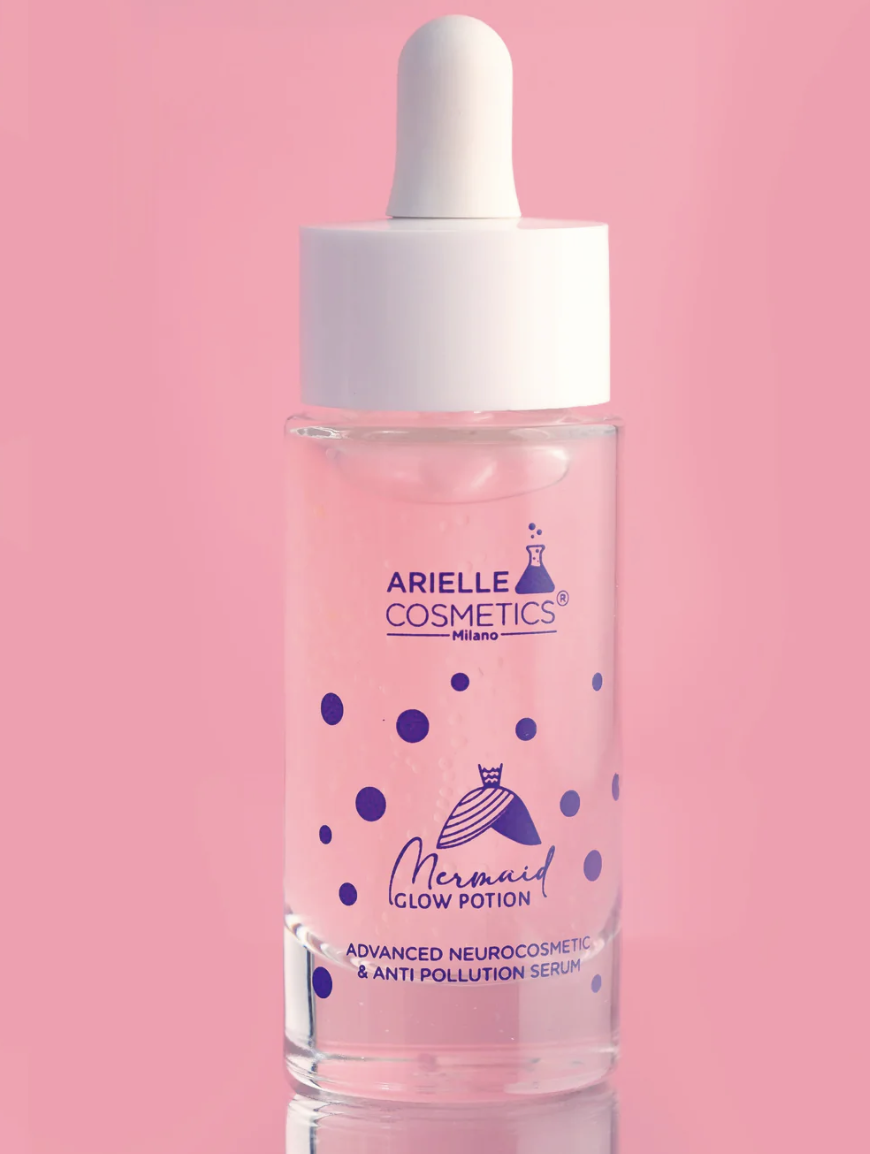
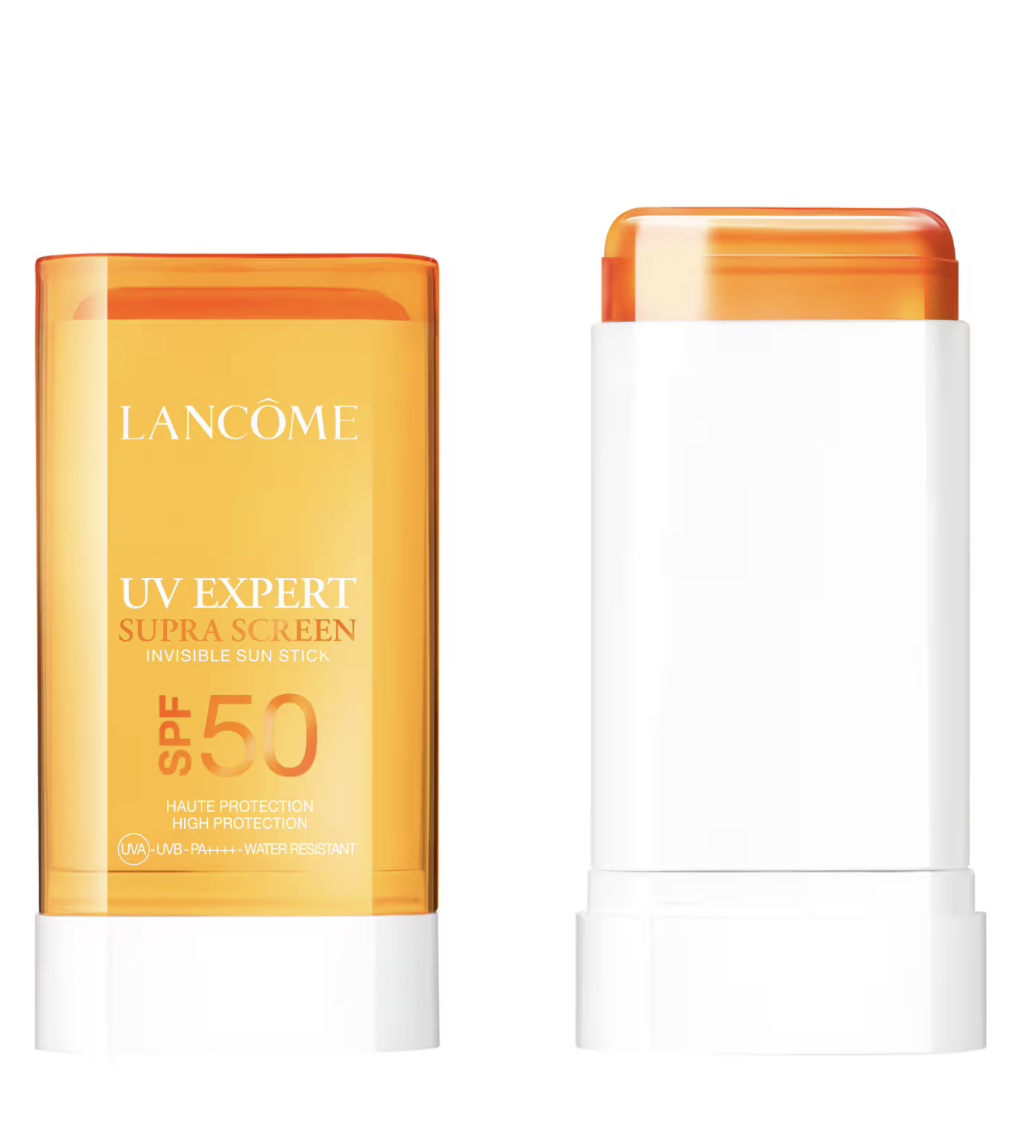
Many people, since it’s summer, tend to approach their skincare routine a bit too lightly: they stop using moisturizer because it feels too hot, or they skip proper cleansing because they lose motivation. In reality, these routine changes end up having the opposite effect. The skin dehydrates more easily and compensates by producing even more sebum, creating an unpleasant vicious cycle. On top of this, the use of sunscreens that are too heavy or comedogenic can clog pores and encourage breakouts, precisely at the time when people want to avoid covering their skin with foundation and concealer.
So what should you do to manage facial skin in summer?
The good news is that skin doesn’t need overly complicated routines in summer. A few rules, but essential ones. Sunscreen is the basic step: every morning, in every situation, not just at the beach. UVA rays pass through clouds and windows, so the skin is exposed even when it doesn’t seem like it. Cleansing should be balanced: slightly more purifying cleansers than in winter are fine, but without overdoing it. If they are too harsh, they end up stressing the skin barrier and pushing the skin to produce even more sebum. Hydration remains essential, just lighter. Go for gel creams and serums, which hydrate without weighing the skin down. After sea or pool exposure, immediate rinsing helps remove chlorine and salt before they continue dehydrating the skin for hours. Even better if followed by a toner with panthenol, ceramides or hypochlorous acid to soothe and strengthen the skin barrier.
