



























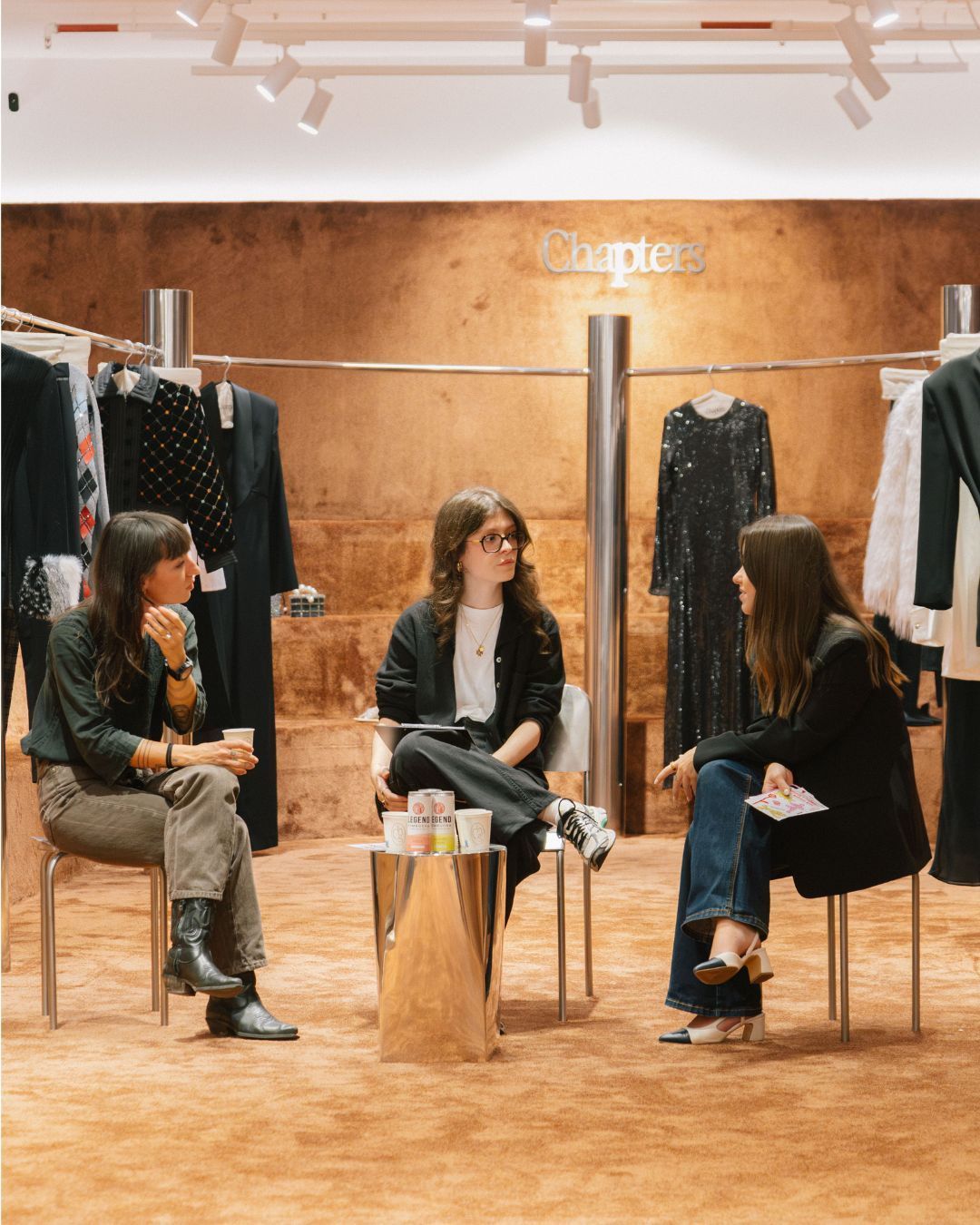


Glowing up in January it's not always necessary To start (well) in 2026, it is not necessary to transform oneself
It happens at the beginning of every new year. Right on the stroke of midnight, we witness the usual, predictable scenario: Instagram accounts filled with lengthy recaps of the past twelve months (and let’s be honest, who really wants to read them?), TikTok feeds bursting with tutorial videos on how to become your best self starting in January, and endless lists of New Year’s resolutions that always put “diet and gym” at the top. Let’s admit it: this new year, new me narrative has worn us out. What if, instead of chasing yet another pre-planned glow-up, we allowed ourselves the luxury of starting 2026 without having to prove anything to anyone?
New Year’s Resolutions 2026: self-improvement or seeking validation?
What used to be an entirely intimate process of personal growth has now become a full-fledged format, a shared language of before-and-after photos, meticulously documented daily routines, endless lists of goals, and motivational storytelling. Today, the main point is no longer self-improvement, but seeking validation online. This shift doesn’t just affect physical appearance, it extends to careers, relationships, mental health, and the way we spend our time: every transformation must be visible, measurable, and ideally aesthetically pleasing. This frantic race for perfection convinces us that every new beginning must come with radical lifestyle changes, where stasis and normality are not options. We are faced with a hyper-performative narrative that leaves little room for those who don’t want to change, those who are tired, or those who simply want to remain as they are.
@kiyana.ebrahimi being high maintenance to be low maintenance… #glowuptips original sound - kiyana <3
January glow-ups: opportunity or obligation?
January, in this sense, becomes the perfect ground for projecting unrealistic expectations. It’s the month of forced restarts, total resets, and promises made more to adhere to a collective ideal than to meet personal needs. We are confronted with internal evaluations and social expectations, and just when we’re at our peak fatigue, we’re asked to restart, do better, do more. The result is that the glow-up ceases to be an opportunity and becomes an obligation, turning the start of the year into a source of anxiety rather than momentum. The truth? The calendar doesn’t have the power to reset who we are or make us start over: not everything needs to be fixed, optimized, or rewritten just because the year has changed.
The importance of taking your time
Staying the same, or simply taking the time to understand what (and if) we want to change, does not mean falling behind. Perhaps it’s time to stop viewing stability as a lack and remember that self-improvement should not be a race or content to monetize. In a society that constantly pushes us to show our best version, choosing not to immediately follow this logic, asserting the right to normality, can be the most subversive act of all. Not every path requires a spectacular turn, nor does it need to be documented in real-time: some processes require slowness, silence, and continuity, elements that don’t fit into the polished storytelling typical of social media, but which are often the most authentic.
How to start 2026 (the right way)
Starting 2026 (the right way) doesn’t mean undergoing a radical transformation, but giving yourself the chance to stay true to yourself. The new year can begin without big promises: in a world that constantly demands we upgrade and improve, choosing not to force change can be the healthiest path. After all, not all glow-ups are visible, and not all need to start in January.
What to read next
"I find beauty in what makes me happy"
Interview with Garance Murru, which you've probably seen on TikTok
Halloween make-up inspired by the most iconic runway shows
From Christian Dior by John Galliano to Matières Fécales
The most popular Italian and European pharmacy products abroad
The keywords are to soothe and protect: from Biafin to La Roche-Posay