
















The Lavender Soap Theory is here to remind us that we only live once Directly from BookTok: an invitation to use our favorite products without too many restraints
There’s always that one product you never really use. The lipstick that’s too beautiful or “bold” for everyday wear. The body cream you’ll open only when you finally manage to dedicate a little time to yourself after a rushed shower. The expensive perfume you spritz drop by drop, as if any ordinary day isn’t worth it. In beauty, we have this strange habit: postponing pleasure. Treating self-care as a reward to earn, not a daily ritual. That’s where the lavender soap theory comes in: a very honest invitation to stop delaying pleasure and waiting for the “right moment.”
What is the lavender soap theory viral on TikTok
The lavender soap theory comes from a very specific and rather painful scene in The Assassin’s Blade, the prequel to Sarah J. Maas’s Throne of Glass series. The protagonist owns a very expensive lavender soap, a small luxury she considers only hers, something not to be wasted. The night before her partner leaves on a dangerous mission, he asks to use it. She refuses, downplaying the gesture and forcing him to wash with ordinary soap. That seemingly insignificant choice becomes devastating: he dies on the mission, and the last memory she keeps is not a moment of intimacy or sharing, but a fight over not letting him use a product deemed too “important.” The regret isn’t about the soap itself, but what it represented: the refusal to grant, and to grant yourself, pleasure, thinking there would always be another moment. BookTok has turned this scene into a powerful metaphor: use the beautiful things now, don’t postpone small acts of care and sharing, because they are the ones that stay when everything else changes.
Applying the theory to the beauty world
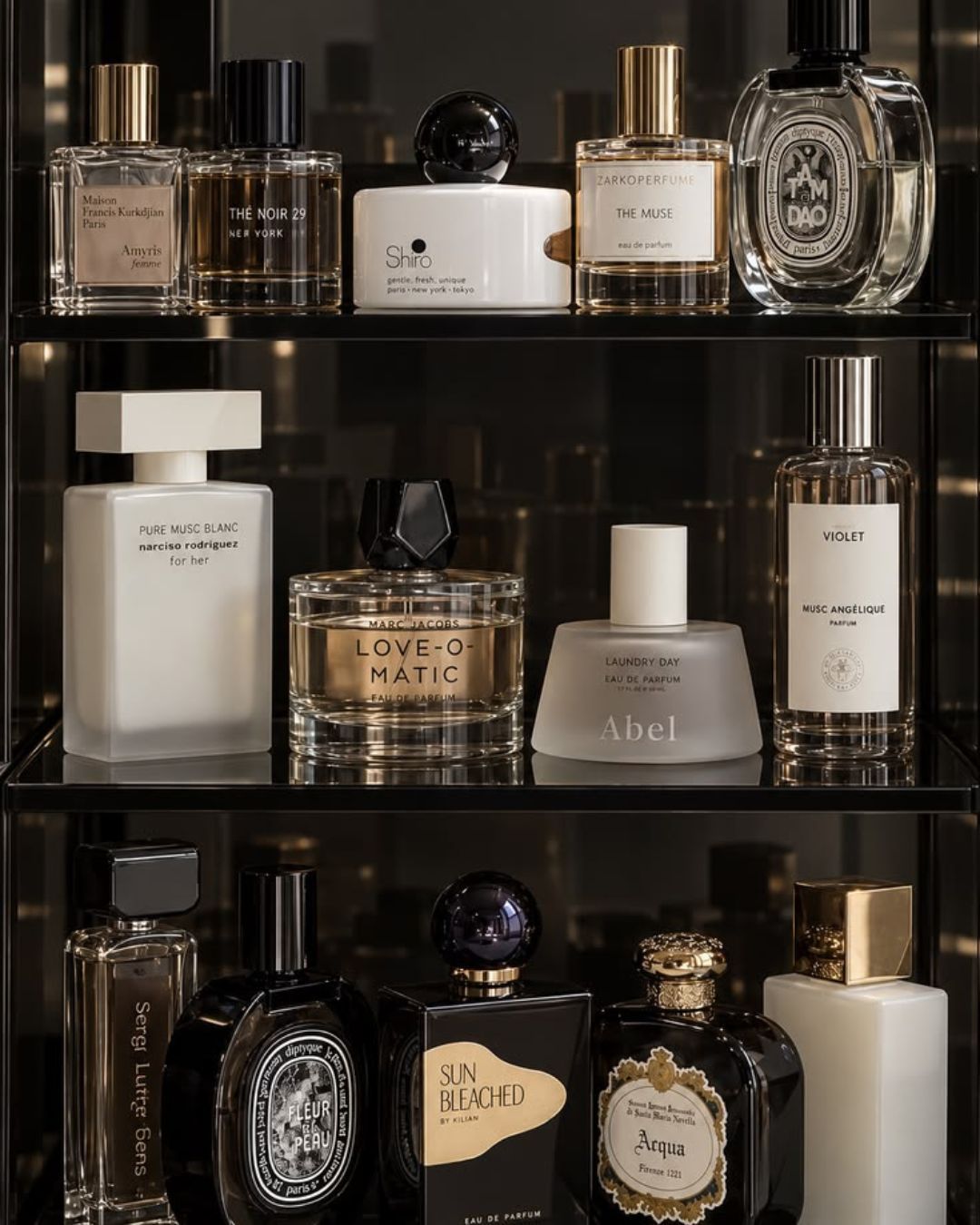
The lavender soap theory trend started mainly on TikTok and BookTok, reminding us to let our partners use the beautiful things we guard jealously, but how often do we forbid it to ourselves? In beauty, this mindset is everywhere. We buy excellent skincare only to use it with the handbrake on, thinking “I don’t want to waste it.” We keep perfumes until time alters their notes because, well, they were expensive and so reserved for “special occasions”, spoiler alert: those are not that many. We let makeup stay perfectly intact, newer in the packaging than on the skin, because it’s just too pretty to consume. This isn’t discipline, it’s renunciation disguised as control. And it’s worth saying clearly: a product only works if you use it. Skin doesn’t know that today isn’t a special occasion. It doesn’t check the calendar or the price of the jar. It only knows if it’s hydrated, nourished, and properly treated. Keeping a cream closed because it was expensive doesn’t make it more effective, it just makes it useless. Beauty isn’t a museum or a long-term investment: it’s experience, sensation, presence. This doesn’t mean emptying everything in a week. It means using it consistently, even in small amounts, without postponing. That’s where a product truly does its work, not in obsessive saving. So yes: light your favorite candle, wear the nice perfume even at home. Put on your favorite gloss to go to the supermarket. Use that expensive hair leave-in consistently. Using something you love is infinitely more satisfying than watching it remain untouched. Daily pleasure isn’t excess: it’s care.
