



Has the beauty industry forgotten about trans content creators? The situation in the United States in the words of Freddie Chen
What happens in the beauty and wellness industry when conservative and Republican parties (in the United States of America) come to power? The impact might not seem immediate or even a priority, but it certainly exists, and its effects are pervasive and subtle. We see it on TikTok, where trad wives and stay-at-home girlfriends detail their days spent - indeed - cooking, praying, and caring for their children at home. We see it on Instagram, where more and more girls decide to laser off their tattoos in the name of clean beauty, that is, pure, that is, white. We even notice it on the red carpet, where Ozempic and the return of beauty ideals we thought and hoped were long gone push increasingly thin bodies and the big comeback of pro-anorexia rhetoric even online.
When ideology becomes marketing
One thing we might not consider is the impact these social, political, and cultural changes have on trends at large, the industries that set and dictate them, and the satellite industries around them. One example? The world of content creators and influencer marketing. If the dominant ideology is conservative, fearful, beige, then brands will have to turn to ambassadors who align with it, who cause no disruption, who do not challenge the norms. Consequently, this also negates everything said and done before, when woke culture was still trendy, when allying with the LGBT+ community, for example, used to boost sales rather than hinder them. The result? Creeping hypocrisy, closure, and discrimination.
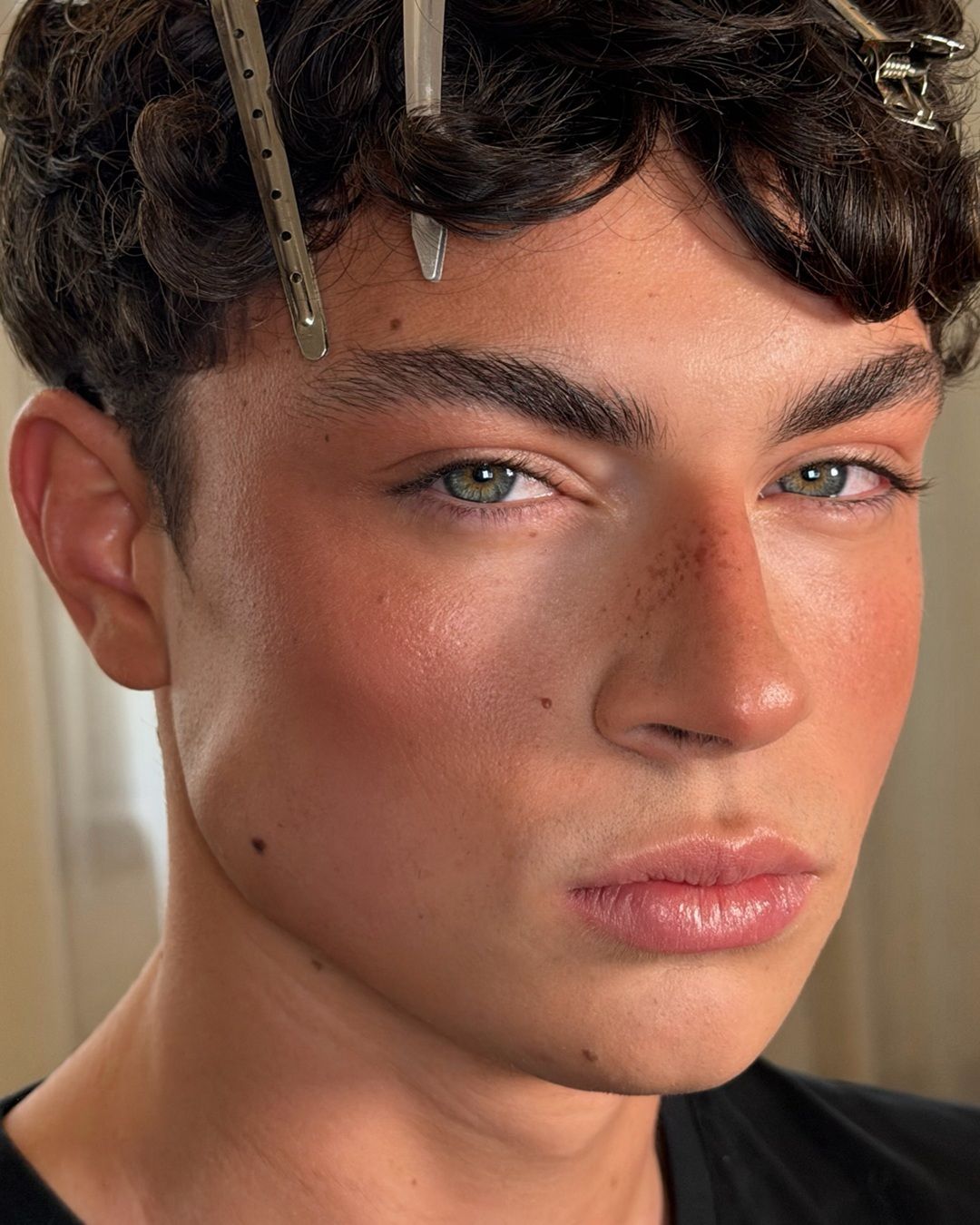
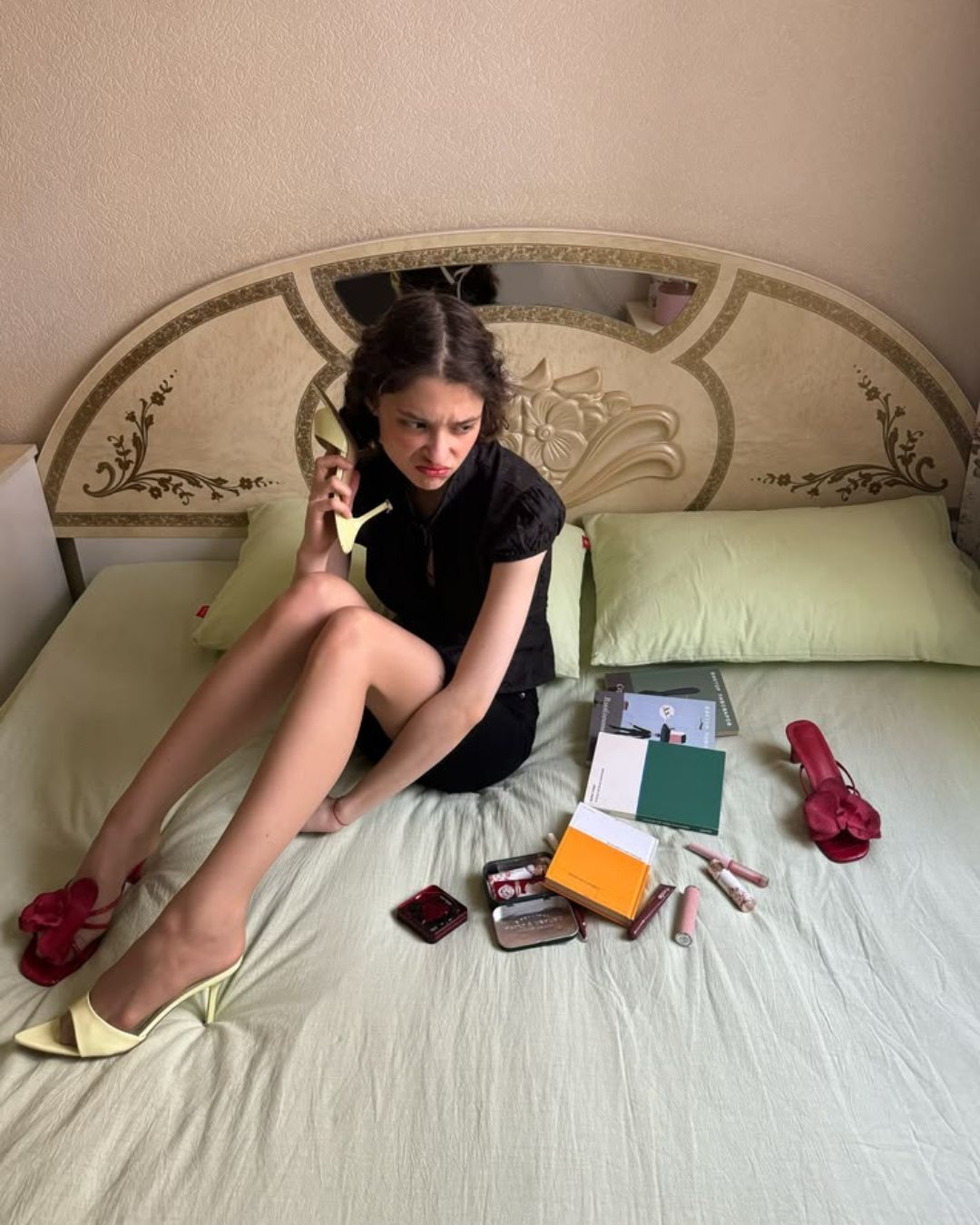
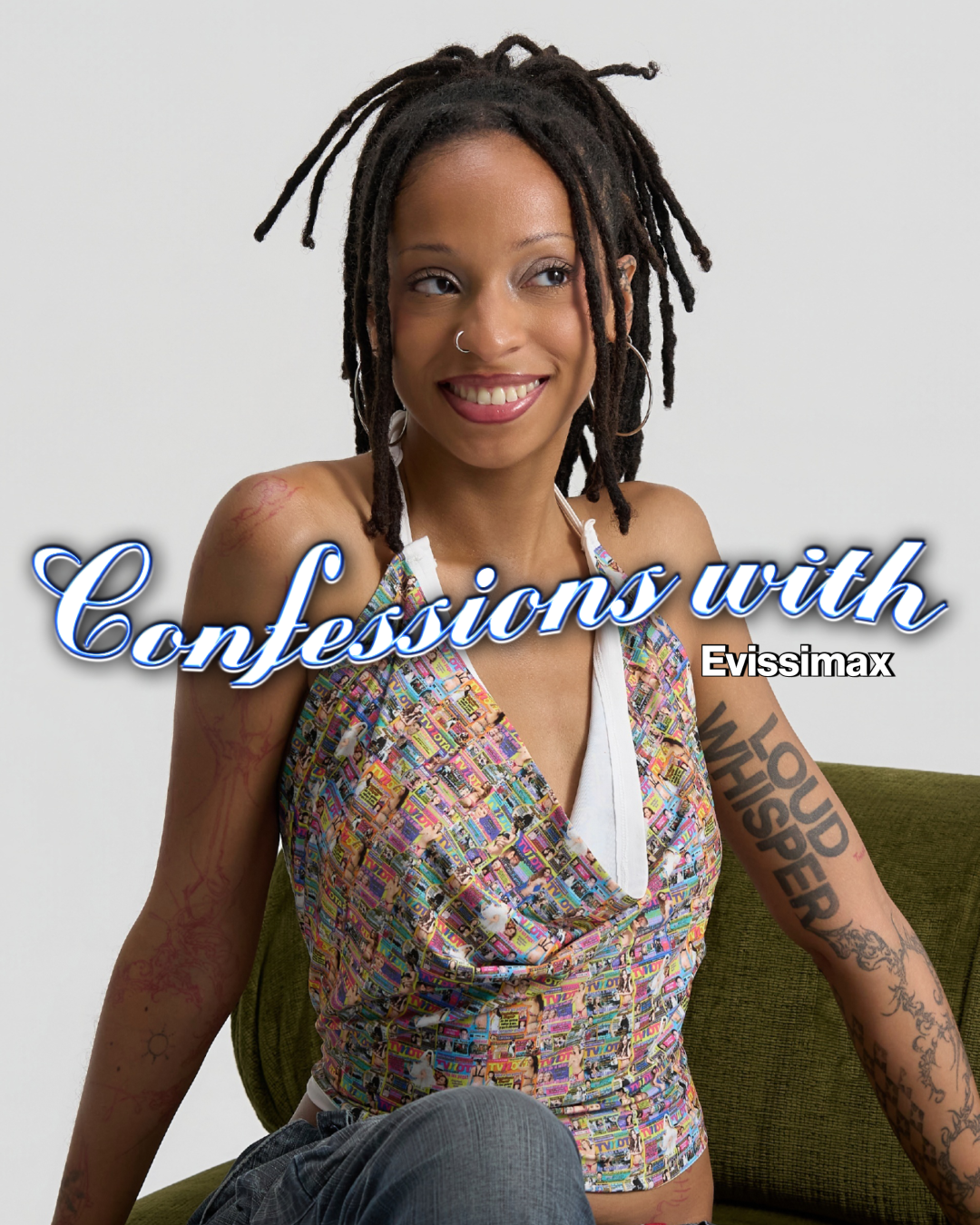
@freddiechen got my ex husband to take photos of me: PART 3 @leighton.iguess edited in @Adobe original sound - Freddie ⋆˙⟡
Being queer and trans in beauty today According to Freddie Chen
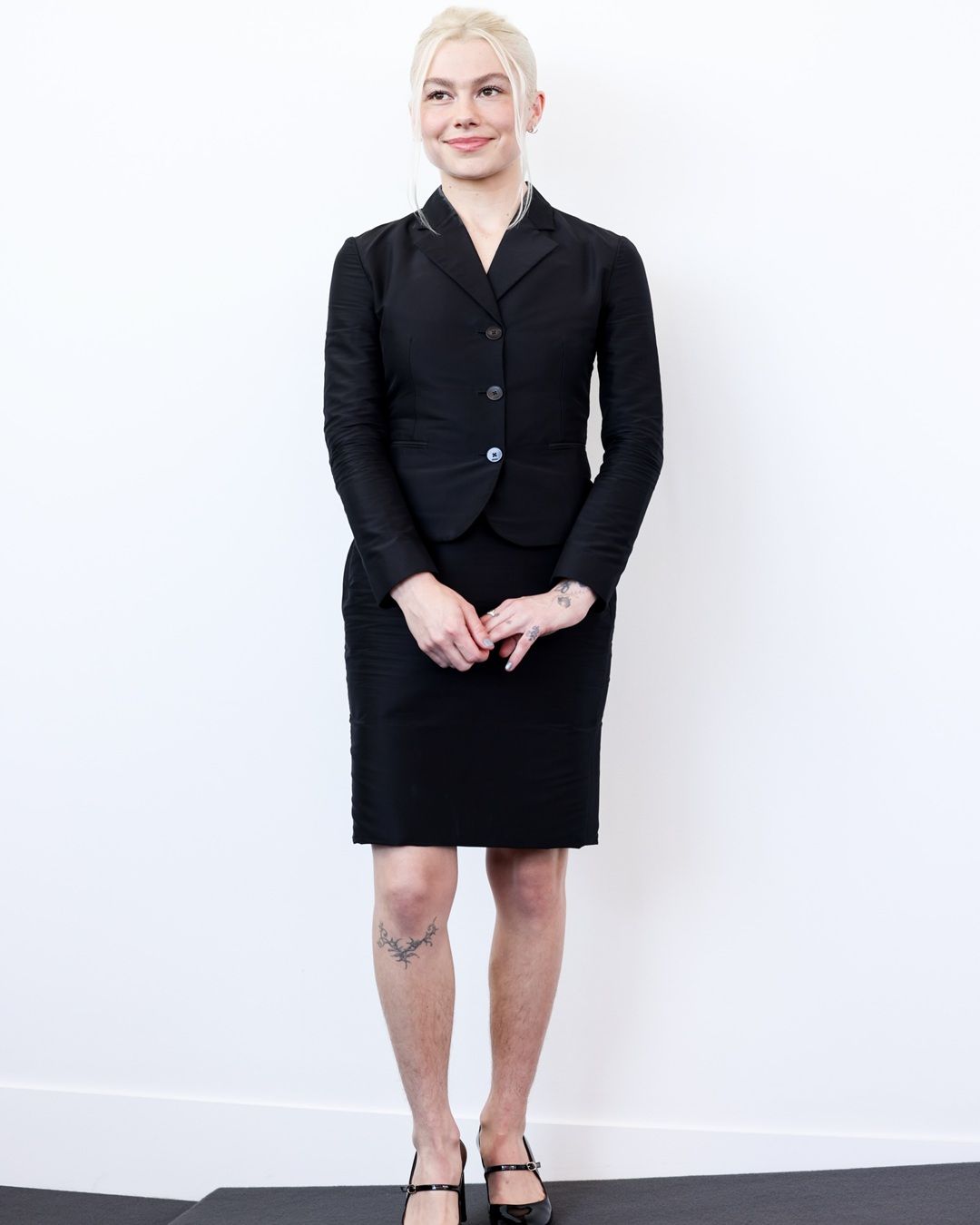
This point was highlighted by beauty creator Freddie Chen, who posted a long video on TikTok sharing her perspective: "Since I came out as a trans woman last April, no U.S. beauty brand has sponsored me or reached out. I'm not the only one, and it hasn't always been this way. I used to participate in international campaigns. Now, these opportunities no longer come my way, because they don't come to trans and racialized people," she said, clearly and bluntly.
@freddiechen a message to beauty brands and everyone stripping away trans rights
original sound - Freddie ⋆˙⟡
Trump, beauty brands, and representation
According to her, the decisive (negative) moment was the return of Donald Trump to the presidency, and unfortunately, this is no surprise. "The exact moment he won, I started tracking what beauty brands were posting. The big ones, whose owners are old white men, immediately stopped featuring queer creators, trans models, anyone who seemed too alternative. As soon as the political pendulum swings to the right, beauty brands follow it." This is why we talk about Mar-a-Lago face and Republican make-up. Even beneath the surface of the most superficial things (lipstick, suit cuts, skirt lengths, and the current dress trend) lies something meaningful for examining the time we live in. That’s why, if femininity is inevitably a performance for all women (and all means all), choosing a more or less traditional style is a political act.
@freddiechen white woman tears makeup tutorial @Olive Garden @Half Magic by Donni Davy • eyelectric lengthening mascara @Blend Bunny Cosmetics FREDUSSY for $ off • @Ellis_Atlantis blush palette @ColourPop Cosmetics • ultra glossy lip - clear #fyp #makeup #makeuptutorial original sound - Freddie ⋆˙⟡
Trans people as political and cultural targets
It doesn't end there. Freddie Chen continues: "We trans people are seen as dangerous. 1% of the population is perceived as a threat, so the focus is on our passports, our surgeries, our bathrooms, our sports and hobbies. A small, marginalized group is targeted to create fear and use that fear as leverage to gain support for those in power. If trans people didn't exist, who do you think they would go after? Queer people in general. Then Black people. Then immigrants, who are already in the crosshairs. In the end, only one group will remain, and you can be sure: the first shot will come from a white man."
The (hopefully) end of beige aesthetics
This discussion concludes with an invitation and a call to make-up brands: "To brands I want to say: when you show only one type of person, you encourage only that type of person to buy from you. Do you want an audience diverse in skin color, background, and experiences, or do you want a homogeneous community with no creativity? I don’t mention those who don’t consider me; I don’t go where I’m not invited. In 2026, no more liquid lush, no more lip oils, no more boring shades, no more dull pinks, oranges, reds, and violets. We will have variety, truly. You will finally start producing foundations with dark shades deep enough. Thank you." And all we can do is endorse and amplify this call.