












































Let's talk about skin purging: what is it and why does it happen? How to tell if it's irritation or just cell turnover
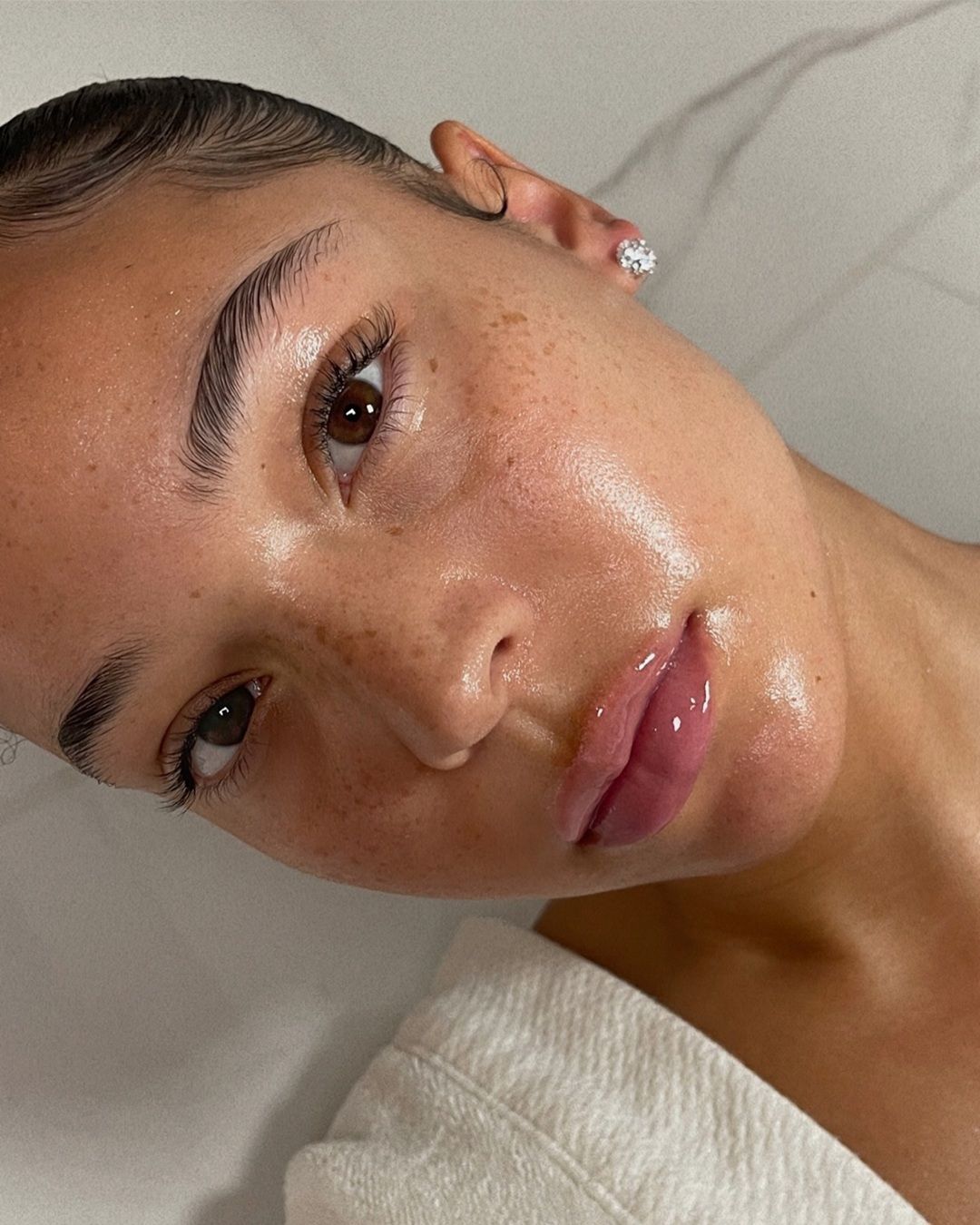
How annoying is it to look in the mirror in the morning and find your face covered in small breakouts, after spending the night before on a skincare routine that rivals even Hailey Bieber’s? You wake up convinced your skin will be perfect and glowing, but the only things shining are the row of pimples on your chin (and maybe they aren’t even limited to that). The point is, it’s often not your fault nor the fault of the latest serum you bought: it could simply be skin purging, that phenomenon where your skin accelerates its cell turnover and brings existing imperfections to the surface.
Skin purging: what is it?
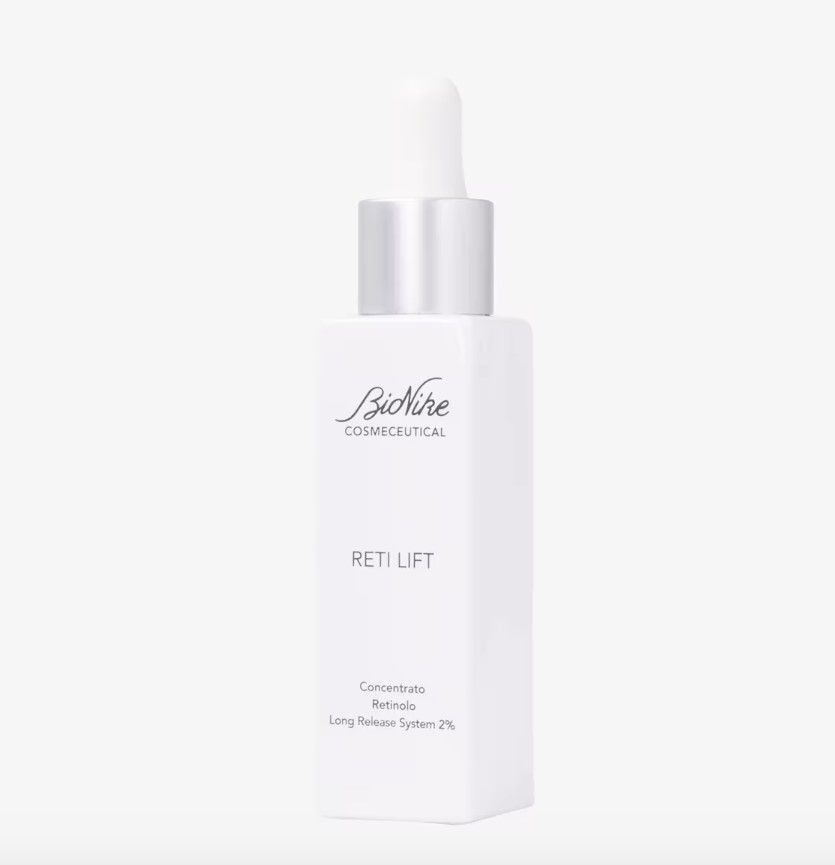
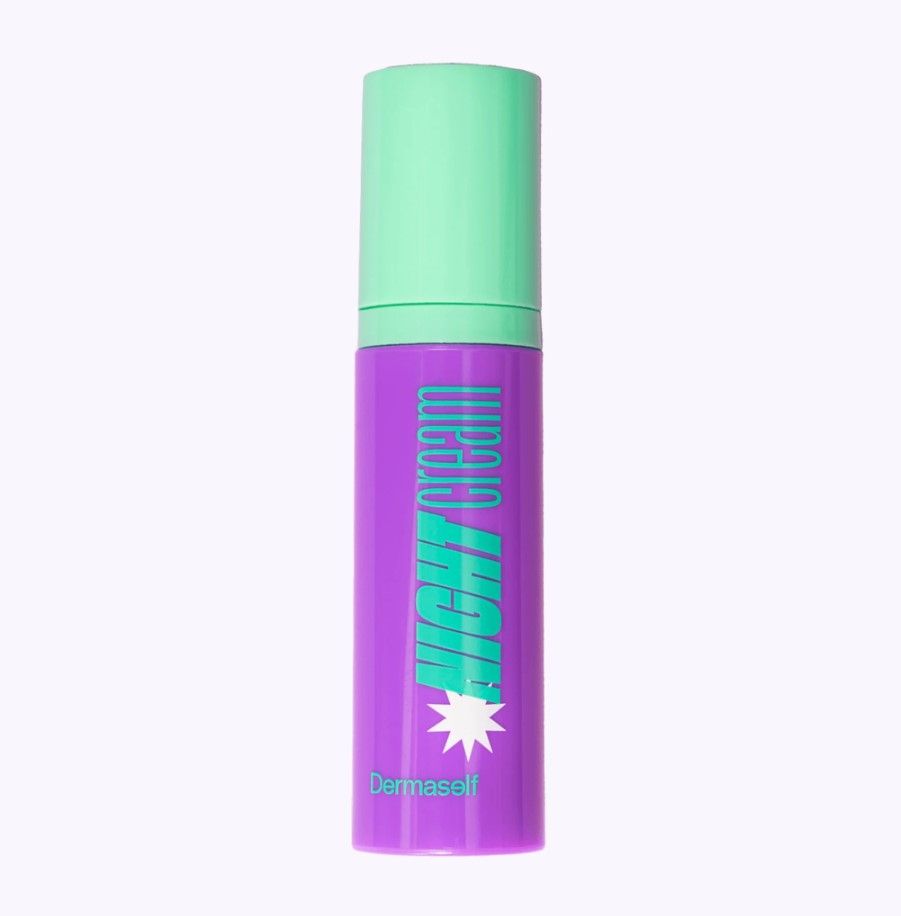
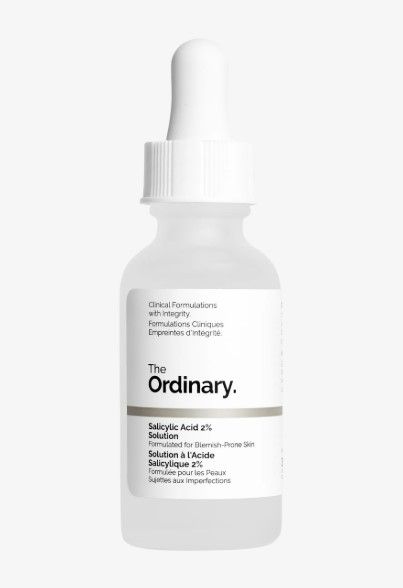
Skin purging almost sounds like the name of a medieval torture, and if you think about it, it’s not that far from reality. It’s the moment when you start using a new active ingredient and your skin decides to bring out all the imperfections it had been hiding beneath the surface. Usually, the culprits are: retinoids, AHA/BHA exfoliating acids, high-concentration vitamin C, or products specifically designed for acne. When these ingredients accelerate cell turnover, what was trapped in deeper layers (microcomedones, sebum, dead cells) is pushed to the surface faster. This might make you feel like your skin is getting worse, but in reality, it’s just speeding up the improvement process. Have faith! And it’s crucial to understand that this is not new acne. It’s acne that would have appeared anyway, only now it comes out in two weeks instead of two months. A temporary annoyance, yes, but worth it.
How to manage the skin breakout phase
@sparklesandskin Top tips for purging + how to minimise it #purging #retinol #exfoliation #skincaretips #acne original sound - iona francis
Rule number one? Don’t get discouraged by the first imperfection. If it’s truly purging, your skin just needs time to adjust to the new active ingredient. The best strategy is to introduce the product gradually, starting once or twice a week, so the skin isn’t overwhelmed and can adapt calmly. Meanwhile, keep your routine as simple as possible: a gentle cleanser and a moisturizer that protects your skin barrier. Don’t think about adding more exfoliants to speed up the process. Lastly: hands off your pimples and use sunscreen every day, especially if you’re using retinoids.
How long can skin purging last?
Okay, yes, skin purging can be useful, but how long should this phase last? According to the European Dermatology Institute, the average duration is 2 to 6 weeks, depending on the strength of the active ingredient and how fast your skin renews itself. However, if you go beyond this period and still see worsening, it’s no longer purging: it could be irritation or simply a product not suited to your skin type. In this case, even US dermatologist Beth McLellan recommends stepping back, reassessing your routine, and consulting a certified dermatologist if necessary. In short: purging is temporary, it has a beginning and an end. If it doesn’t end, it’s not purging.
How to tell skin purging from irritation
@charinecheungg how to tell if your skin is purging or reacting (breaking out)? #purgingskin #purgingvsbreakout #clearskintips original sound - Charine Cheung
To be sure, here are the main differences: skin purging has quite specific characteristics, usually lasts 2–6 weeks, concentrates in areas where you normally get blemishes (forehead, chin, nose), and appears as small, superficial comedones. An irritation, on the other hand, often appears in unusual areas, causes widespread redness, itching, burning, tightness, or peeling. In such cases, it’s better to stop using the product and consult a dermatologist.
